

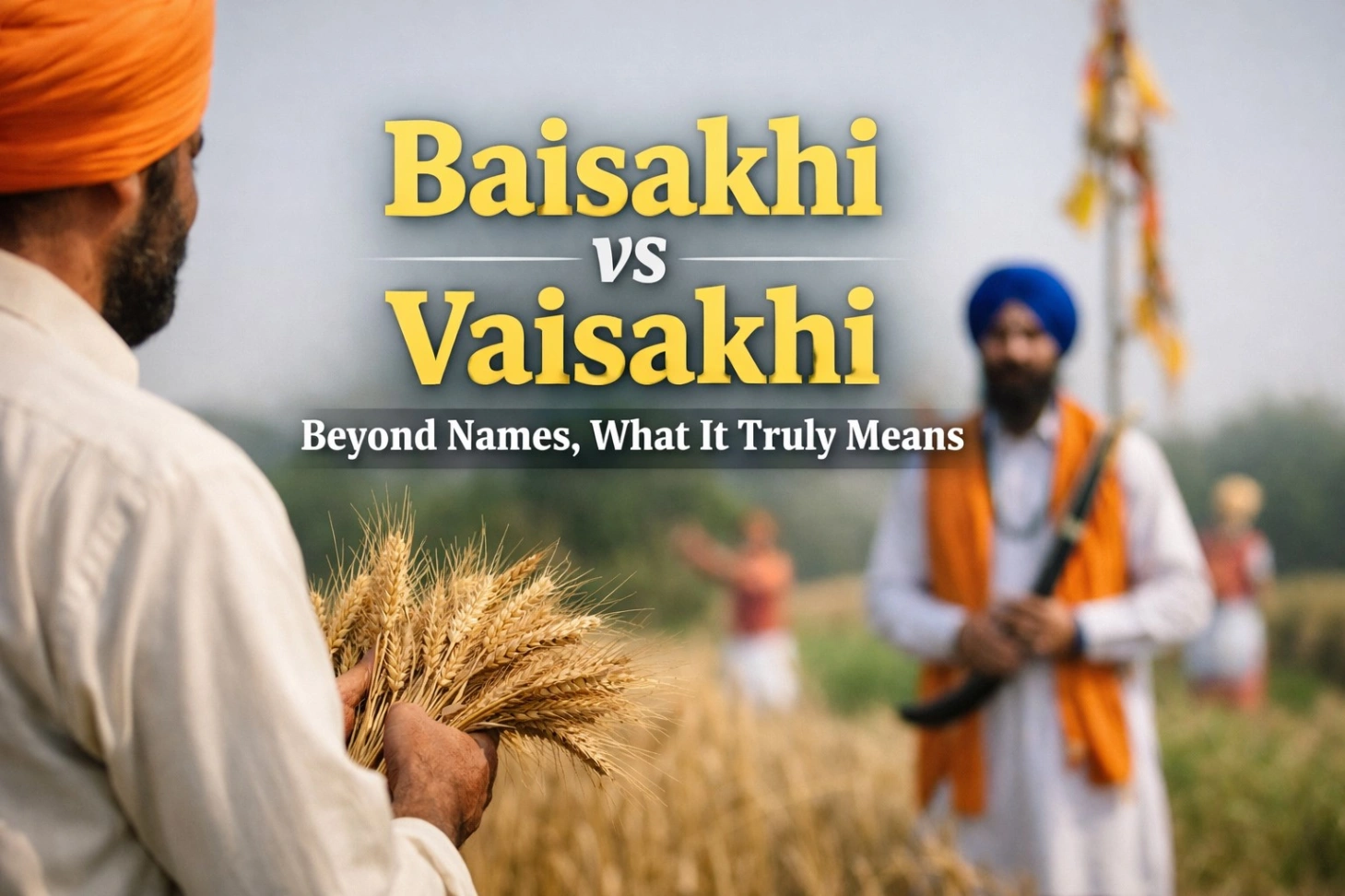
Many people search for baisakhi vs vaisakhi, wondering whether they are different festivals or simply two names for the same celebration. The confusion is common, especially when you see both terms used interchangeably across India and online. But when you look deeper, the answer goes beyond just language, it touches culture, history, and even spiritual meaning.
In this blog, we’ll explore the difference between Baisakhi and Vaisakhi, their origins, why two names exist, and what this festival truly represents beyond its surface.
What Is Baisakhi and Vaisakhi?
At its core, Baisakhi (or Vaisakhi) is a major harvest festival celebrated primarily in northern India, especially Punjab. It marks the beginning of the harvest season and is a time of joy, gratitude, and new beginnings.
The term “Baisakhi” is more commonly used in Hindi-speaking regions, while “Vaisakhi” comes from the Sanskrit word Vaishakh, referring to the first month of the Hindu solar calendar.
So technically:
Baisakhi = Hindi/colloquial pronunciation
Vaisakhi = Sanskrit/original form
But the essence remains the same, a celebration of abundance, prosperity, and renewal.
Personal Session
Feeling stuck or seeking deeper meaning? Book a personal session to understand your life patterns, overcome mental blocks, and experience true transformation.
Book NowBaisakhi vs Vaisakhi: What’s the Real Difference?
When people ask about the difference between Baisakhi and Vaisakhi, the answer is surprisingly simple:
There is no actual difference in the festival itself.
The distinction lies in:
1. Pronunciation & Language
“Baisakhi” is widely used in everyday speech.
“Vaisakhi” is more formal and rooted in traditional language.
2. Cultural Usage
Punjab and North India often use both interchangeably.
Sikh communities globally prefer “Vaisakhi.”
3. Spelling Variation
The spelling changes due to regional accents and transliteration from Punjabi and Sanskrit.
So if you’re wondering, “Is Baisakhi and Vaisakhi same?”
Yes, they refer to the same festival.
Historical Significance of Vaisakhi
Beyond being a harvest festival, Vaisakhi holds deep historical importance, especially in Sikhism.
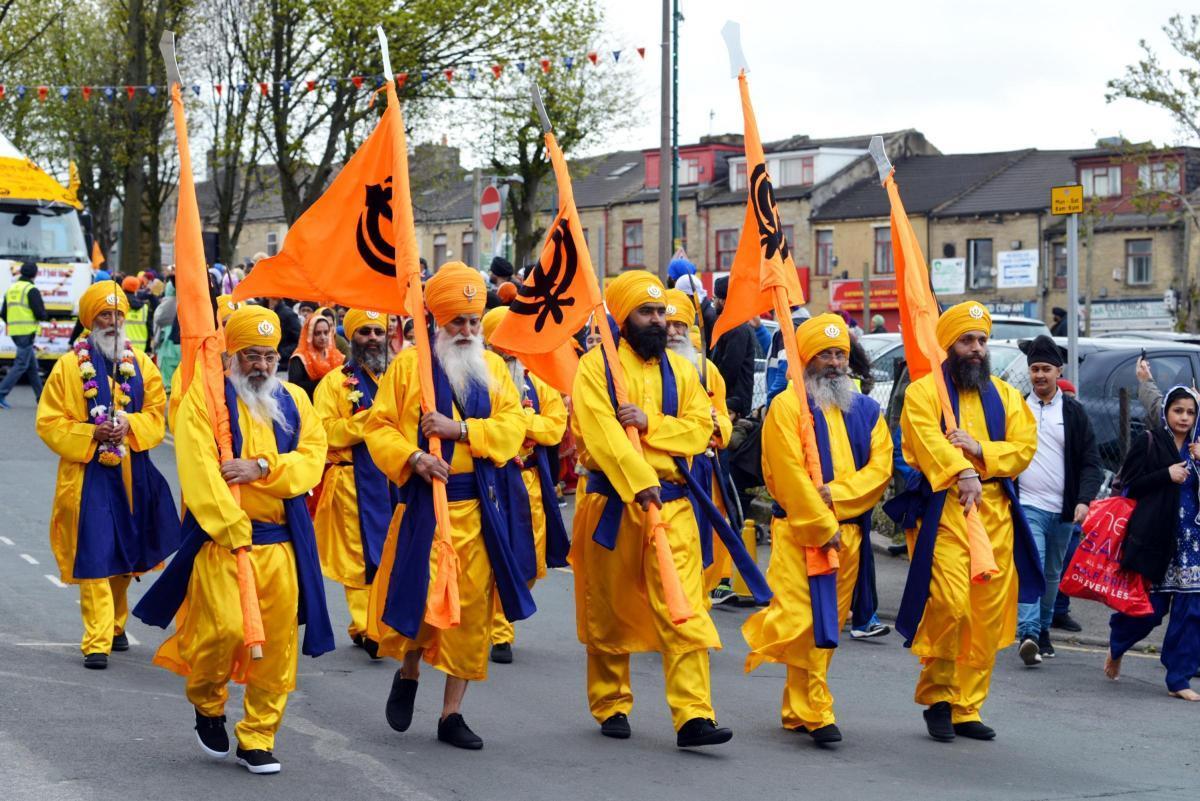
On Vaisakhi in 1699, Guru Gobind Singh Ji established the Khalsa Panth, marking a defining moment in Sikh history. This event symbolized courage, equality, and spiritual discipline.
This is why Baisakhi in Sikhism is not just a seasonal festival, it is a day of identity, unity, and spiritual awakening.
Baisakhi as a Harvest Festival in India
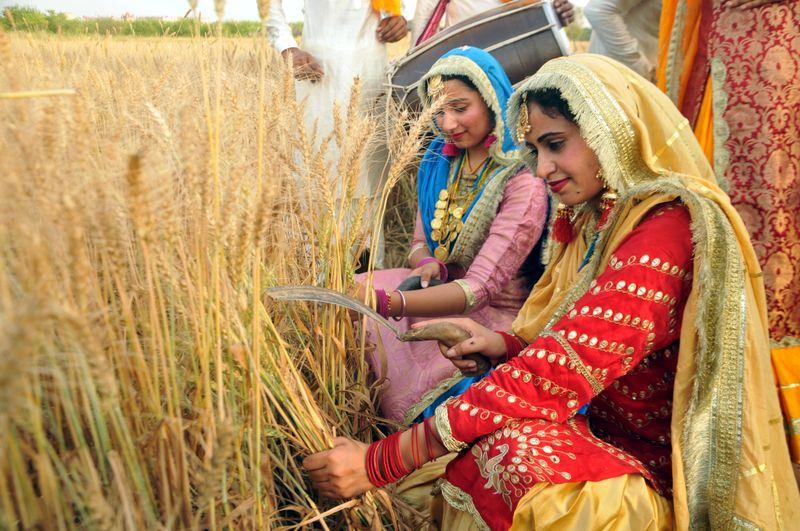
In agricultural terms, Baisakhi festival India marks the harvest of Rabi crops like wheat. Farmers celebrate months of hard work finally bearing fruit.
You’ll see:
Traditional dances like Bhangra and Gidda
Community gatherings
Festive meals and gratitude rituals
This makes Baisakhi a festival of abundance and joy.
Why Is Baisakhi Called Vaisakhi?
A common search query is: “Why is Baisakhi also called Vaisakhi?”
The answer lies in language evolution:
“Vaisakhi” comes from Vaishakh (Sanskrit month)
“Baisakhi” evolved through regional pronunciation shifts
Just like many Indian words change slightly across languages, both names coexist naturally.
The Spiritual Meaning of Vaisakhi
Now let’s go deeper beyond names, beyond rituals.
The spiritual meaning of Vaisakhi is often overlooked, yet it holds powerful lessons for modern life.
1. A Time for Inner Harvest
Just as farmers harvest crops, Vaisakhi symbolizes:
Reaping the results of your actions (karma)
2. New Beginnings
It marks the start of a new solar year:
A perfect time to reset your intentions
3. Gratitude and Growth
The festival teaches:
Appreciate what you have before seeking more
4. Letting Go of the Old
Spiritually, Vaisakhi invites you to:
Release past negativity and emotional baggage
Spiritual Lessons of Baisakhi You Must Know
If you look beyond rituals, this festival becomes a guide for conscious living:
You reap what you sow (law of karma)
Growth takes patience (like crops)
Gratitude multiplies abundance
Every ending is a new beginning
These lessons make Vaisakhi not just a festival, but a life philosophy.
Cultural vs Spiritual Festivals: Understanding the Difference
Many people celebrate festivals externally but miss their deeper meaning.
Cultural level: Food, dance, traditions
Spiritual level: Awareness, transformation, growth
Vaisakhi beautifully bridges both.
Vaisakhi as a Festival of New Beginnings
In today’s fast-paced world, festivals often become routine. But Vaisakhi offers a chance to pause and reflect:
What are you harvesting in your life?
Are your actions aligned with your goals?
What do you need to let go of?
This makes it a powerful festival of self-awareness.
Why This Festival Matters Today More Than Ever
Modern life is filled with stress, distraction, and constant chasing.
Vaisakhi reminds us to:
Slow down
Reflect on our journey
Align with purpose
Celebrate progress
In a way, it’s a spiritual reset button.
Design Your Destiny
This Vaisakhi, don’t just celebrate—transform your life. Join the “Design Your Destiny” program to learn how to align your actions, mindset, and energy for real growth and success.
Start your journey towards clarity