
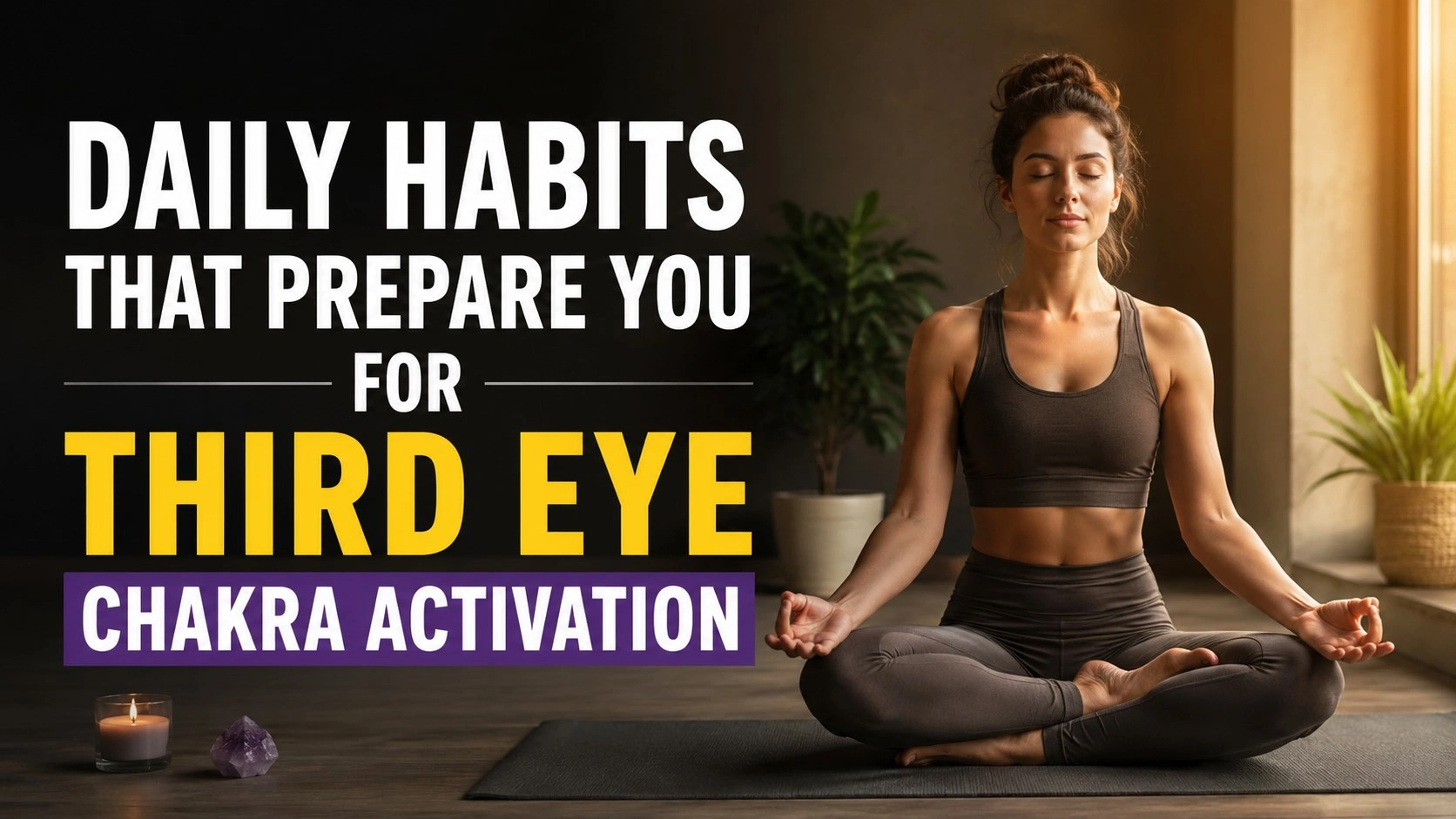
The idea of third eye chakra activation has fascinated spiritual seekers for centuries. In yogic philosophy, the third eye chakra, also known as the Ajna chakra or brow chakra, represents intuition, inner wisdom, mental clarity and the ability to see beyond surface appearances.
Preparing for third eye awakening is not about forcing visions or chasing dramatic spiritual experiences. It is about creating a calmer mind, a healthier body and a more balanced daily life.
Simple habits such as third eye meditation, breathwork, journaling, quality sleep and grounding can make spiritual practice safer and more meaningful. They can also help you avoid confusing imagination, stress or emotional overwhelm with genuine inner insight.
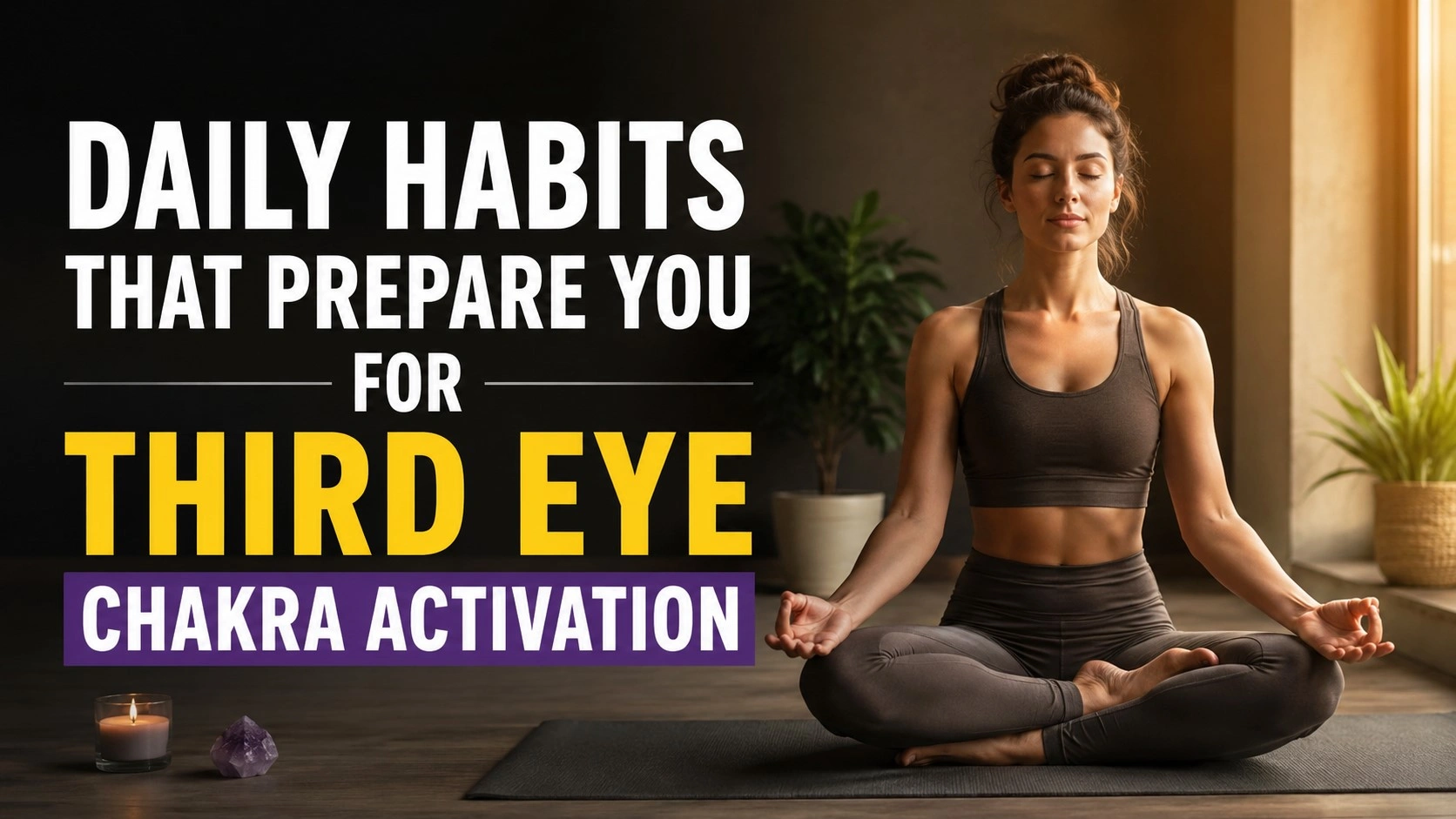
What Is Third Eye Chakra Activation?
The third eye chakra is traditionally described as the sixth chakra and is believed to be located between the eyebrows. It is associated with concentration, discernment, imagination, awareness and intuitive understanding.
Third eye activation refers to becoming more conscious of your thoughts, emotional patterns and inner guidance. It does not necessarily involve seeing visions, predicting the future or developing supernatural powers.
Some people describe third eye awakening signs as stronger intuition, vivid dreams, greater self-awareness or an increased ability to recognise unhealthy patterns. However, these experiences are subjective and should not be treated as medical or scientific proof of awakening.
Spiritual traditions sometimes associate the Ajna chakra with the pineal gland. However, there is no scientific evidence that meditation physically activates a hidden supernatural ability within the pineal gland.
A balanced approach to spiritual awakening focuses on attention, reflection, clarity and emotional stability rather than extraordinary expectations.
Design Your Destiny
Your inner world shapes the way you think, choose and respond to life. Join the Design Your Destiny program to learn practical meditation, self-awareness and mindset techniques that help you move beyond limiting patterns and create a more conscious, peaceful and purposeful life.
Start Your Journey Today!Why Preparation for Third Eye Awakening Matters
Trying to open your third eye too quickly can sometimes create anxiety, confusion or mental overstimulation. The mind may become more suggestible when a person is sleep-deprived, emotionally distressed or constantly searching for spiritual signs.
A stable third eye chakra daily routine helps you remain grounded while exploring chakra meditation and spiritual awareness.
Daily habits for third eye activation should support your overall well-being. A rested body, a clear intention and a stable routine make spiritual experiences easier to understand.
Instead of asking, “How quickly can I activate my third eye?” consider asking, “How can I become more present, honest and aware in my daily life?”
This shift in intention creates a healthier foundation for spiritual growth.
Begin Your Morning with Silence
The first few minutes after waking often influence the rest of the day. Instead of immediately checking messages, social media or news, spend five to ten minutes sitting quietly.
Notice your breathing, bodily sensations and thoughts without trying to control them. You do not need to stop your thoughts completely. Simply observe them as they come and go.
This morning routine for spiritual awakening trains the mind to observe before reacting. Over time, silence can strengthen self-awareness and give intuitive impressions room to emerge without being buried under digital noise.
You do not need an elaborate ritual. Sit comfortably, keep your body relaxed and allow the mind to settle naturally.
Consistency is more valuable than intensity.
Practise Daily Third Eye Meditation
A short daily third eye meditation can gradually improve concentration and inner stillness.
Close your eyes and bring gentle awareness to the space between your eyebrows. Do not strain your eyes or force pressure into your forehead. Simply notice the area while breathing naturally.
Begin with five minutes and slowly increase the duration when the practice feels comfortable.
You may visualise a soft indigo light, which is traditionally associated with the third eye chakra colour. However, visualisation is optional. You do not need to see colours or images for the meditation to be effective.
The purpose of third eye chakra meditation is not to manufacture visions. It is to develop steady attention and greater awareness of your inner world.
When thoughts arise, acknowledge them calmly and return your attention to your breathing or chosen point of focus.
Use Gentle Breathwork to Calm the Mind
Breathing exercises for the third eye are most helpful when they relax the mind rather than overstimulate it.
Slow diaphragmatic breathing is a simple place to begin. Inhale gently through your nose, allowing your abdomen to expand. Exhale slowly without forcing the breath.
Alternate-nostril breathing, commonly known as Nadi Shodhana, is also practised in yoga to support calmness, concentration and emotional balance.
Practise it gently and stop if you feel dizzy, uncomfortable or short of breath.
Breathwork meditation may prepare the mind for Ajna chakra activation by reducing mental restlessness. However, extreme breath retention and rapid breathing techniques should be avoided unless they are taught by an experienced and qualified practitioner.
A calm breath helps create a calm mind, which is an important foundation for spiritual awareness.
Try Trataka Meditation Carefully
Trataka meditation, also called candle-gazing meditation, is a traditional concentration practice.
Place a candle at eye level in a safe and well-ventilated space. Gaze softly at the flame for a short period without forcing yourself to keep your eyes open. Blink whenever necessary.
After a minute or two, close your eyes and gently observe the after-image of the flame.
This third eye exercise can strengthen concentration and help you notice how your attention moves. Begin with only one or two minutes.
Longer sessions are not necessarily more effective, especially when your eyes become dry, irritated or strained.
People with eye conditions, migraines or sensitivity to light should seek appropriate professional advice before practising candle gazing.
Keep a Spiritual Journal
Journaling for spiritual growth helps you separate genuine insight from passing emotion, fear or imagination.
After meditation, write down the thoughts, feelings, dreams or recurring patterns you noticed. Avoid immediately labelling every dream, coincidence or unusual thought as a spiritual message.
A journal can help you recognise gradual changes that are easy to overlook. You may notice clearer decision-making, stronger emotional awareness or repeated beliefs that influence your behaviour.
Useful journaling prompts include:
“What am I avoiding?”
“What became clearer to me today?”
“Was this intuition, fear or wishful thinking?”
“What emotion influenced my decision?”
This habit strengthens discernment, which is one of the most valuable qualities traditionally associated with the Ajna chakra.
Reduce Digital and Mental Clutter
Constant notifications, short-form videos and multitasking can keep your attention fragmented.
A daily digital detox, even for thirty minutes, can support mental clarity and mindful living. Choose one period each day when you avoid unnecessary screens.
Use this time for meditation, reading, walking, stretching or quiet reflection.
Reducing digital stimulation does not magically activate the third eye. However, it can help you hear your own thoughts more clearly.
Mental clutter can also come from unfinished tasks, unhealthy boundaries and excessive commitments. Write down pending responsibilities, organise your priorities and simplify your routine where possible.
A focused life creates better conditions for spiritual awareness than a constantly distracted one.

Support Your Body with Mindful Eating
There is no scientifically proven food that opens the third eye. However, mindful eating, proper hydration and balanced nutrition support the concentration and energy required for meditation.
Eat in a way that leaves your body feeling nourished rather than extremely heavy or depleted. Include a balanced variety of foods suited to your individual health requirements.
Avoid treating restrictive diets, prolonged fasting or unverified supplements as shortcuts to pineal gland activation.
The most useful food habit is awareness.
Slow down while eating, notice hunger and fullness signals, and reduce distractions during meals. Pay attention to how different foods affect your energy, mood and concentration.
Spiritual growth becomes easier to explore when the body is properly nourished and cared for.
Protect the Quality of Your Sleep
Quality sleep is essential for emotional balance, memory, concentration and clear thinking. It is also one of the most overlooked healthy habits for spiritual growth.
Maintain a regular sleep schedule and reduce screen exposure before bedtime. Avoid intense meditation or stimulating spiritual practices late at night when they interfere with your ability to rest.
Vivid dreams are sometimes described as third eye awakening signs. However, dreams may also become more memorable because of stress, interrupted sleep or increased attention to them.
Do not sacrifice sleep to meditate for several hours.
Exhaustion can weaken judgment and make ordinary thoughts or sensations feel unusually significant. A rested mind is better prepared to interpret spiritual experiences calmly and responsibly.
Move and Ground Yourself Every Day
Walking, stretching and gentle third eye yoga practices can release physical tension and make meditation more comfortable.
Yoga poses such as child’s pose, seated forward bends and supported relaxation may encourage calmness. However, their value comes from mindful movement, not from forcing a posture believed to activate the third eye chakra.
Grounding exercises are equally important.
Cook a meal, clean your surroundings, exercise, spend time in nature or speak with trusted family members and friends. These ordinary activities keep you connected with your body and everyday life.
You can also practise the five-senses grounding technique. Notice five things you can see, four things you can feel, three things you can hear, two things you can smell and one thing you can taste.
If spiritual practice makes you fearful, detached, unable to sleep or unable to manage daily responsibilities, pause the practice and seek guidance from an appropriate health professional.
Use Mantras and Third Eye Affirmations
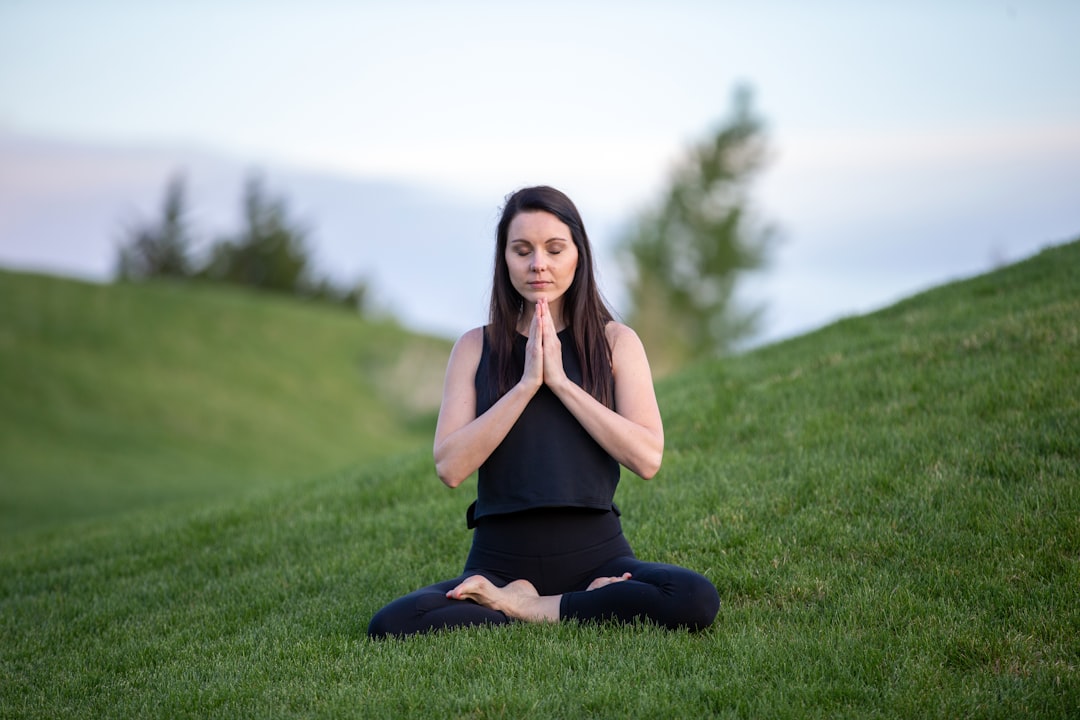
The sound “Om” is traditionally associated with the Ajna chakra and is frequently used during chakra meditation.
You can chant Om gently, notice the vibration and then remain silent for a few moments.
Third eye affirmations can also help focus your attention. You may use statements such as:
“I see situations with clarity.”
“I trust my intuition while checking the facts.”
“I remain grounded as my awareness grows.”
“I welcome wisdom without forcing spiritual experiences.”
Mantras and affirmations do not guarantee third eye opening. Their value lies in focusing attention and reinforcing constructive intentions.
Choose phrases that encourage clarity, humility and emotional balance rather than fear, superiority or obsession.
Practise Discernment Before Following Intuition
Intuition can be helpful, but it should not replace evidence, communication or practical judgment.
Before acting on a strong inner feeling, ask whether it could be influenced by anxiety, desire, past experiences or assumptions.
This is particularly important when making decisions related to health, money, relationships or personal safety.
A balanced third eye spiritual awakening should make you more thoughtful, not more impulsive.
You can strengthen intuition naturally by comparing your impressions with actual outcomes over time. Write down the feeling, check the available facts and later review what happened.
This approach turns intuition into a reflective practice rather than unquestioned certainty.
Understanding a Blocked or Overactive Third Eye Chakra
Within chakra traditions, a balanced third eye chakra is associated with clear thinking, imagination, self-awareness and wise judgment.
A blocked third eye chakra is often described symbolically as confusion, rigid thinking, lack of direction or difficulty trusting oneself.
An overactive third eye chakra may be associated with obsessive interpretation, excessive fantasy or feeling mentally ungrounded.
These descriptions belong to a spiritual framework and are not medical diagnoses.
Headaches, vision changes, anxiety, insomnia or unusual sensory experiences should not automatically be treated as third eye chakra symptoms.
Persistent or concerning physical or psychological symptoms require appropriate medical or mental-health evaluation.

A Simple Third Eye Chakra Daily Routine
Begin your morning with five minutes of silence and slow breathing.
During the day, take one phone-free mindful break. Notice your thoughts, emotions and surroundings without judging them.
In the evening, practise ten minutes of third eye meditation, write a few lines in your spiritual journal and complete a grounding activity.
This routine is intentionally simple.
Daily habits to activate the third eye should strengthen your ability to function, rest and connect with others. They should not make ordinary life feel unimportant.
Choose two or three habits and practise them consistently before adding more. Sustainable spiritual progress usually develops through patience rather than intensity.
Learning how to prepare for third eye awakening is less about unlocking a mysterious power and more about cultivating attention, honesty and inner balance.
Meditation, breathwork, journaling, mindful eating, quality sleep and grounding create a supportive foundation for spiritual awareness.
Do not force sensations, chase visions or compare your experience with someone else’s journey. The safest way to open your third eye is to remain curious while staying connected to reality, health and everyday responsibilities.
When your spiritual practice brings greater clarity, compassion and self-awareness, it is moving in a constructive direction.
True inner wisdom does not separate you from life. It helps you participate in life with greater presence, understanding and responsibility.
Personal Session
Book a personal session today to receive supportive direction, understand your inner patterns and explore meditation and spiritual growth practices while remaining balanced, grounded and connected with everyday life.
Book Now