

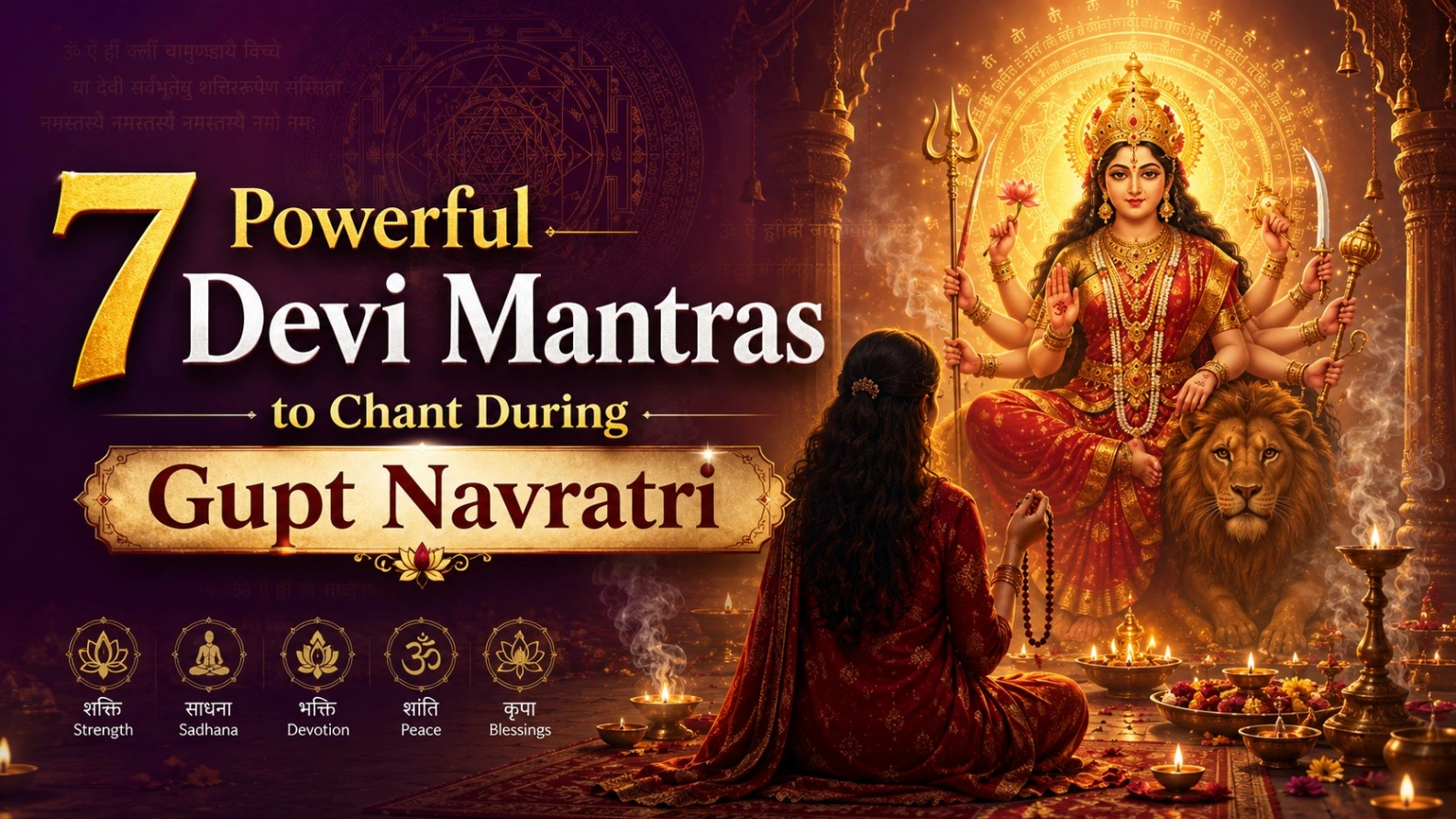
Gupt Navratri mantras are traditionally chanted by devotees who wish to deepen their connection with the Divine Mother through prayer, discipline and inward reflection. Unlike the widely celebrated Chaitra and Sharadiya Navratri, Gupt Navratri is observed more quietly, with greater emphasis on personal sadhana, mantra japa and spiritual self-examination. A sincere intention and a steady daily practice can make these sacred days meaningful.
In 2026, Ashadha Gupt Navratri began on Wednesday, July 15, for New Delhi, while the concluding parana is observed on Thursday, July 23. The calendar places Friday, July 17, 2026, on the third day of the observance. Dates and puja timings can vary slightly by location, so devotees should check a local panchang before performing time-specific rituals.
What Makes Gupt Navratri Spiritually Significant?
The word “gupt” means hidden, private or concealed. This does not mean that devotion must be secretive. It suggests that the focus is inward rather than outward. Gupt Navratri encourages devotees to reduce distractions, observe their thoughts and cultivate qualities associated with Devi, including courage, wisdom, compassion, discipline and inner stability.
The period is also associated with the worship of the Das Mahavidyas, the ten profound forms of Divine Wisdom. However, advanced Mahavidya sadhana and highly specialised tantric practices are traditionally approached under the guidance of a qualified guru. Beginners can safely focus on simple Devi mantras, prayer, meditation, sattvic living and acts of kindness.
Design Your Destiny
Your destiny is shaped not only by what you desire, but also by the thoughts, habits and choices you repeat every day. Design Your Destiny invites you to move from confusion to conscious living through spiritual insight, self-awareness and purposeful action. Begin your journey towards greater clarity, balance and inner strength today.
Start Your JourneyHow to Prepare for Devi Mantra Chanting
Choose a clean and peaceful corner of your home. You may place an image or murti of Maa Durga, light a lamp if it is safe to do so and offer flowers or fruit. Sit comfortably, take a few slow breaths and mentally state your sankalpa. Keep the intention simple, such as seeking clarity, courage, self-control or devotion.
Select one mantra rather than trying to chant every mantra in a single sitting. Pronunciation, attention and regularity matter more than speed. Beginners may start with 9, 11 or 27 repetitions and gradually increase the count. Those already comfortable with mantra japa may use a mala and chant 108 times.
1. Durga Beej Mantra
Mantra: ॐ दुं दुर्गायै नमः
Om Dum Durgayai Namah
This concise Durga mantra is one of the most accessible choices for daily Gupt Navratri sadhana. It is an invocation to Maa Durga, the protective and courageous aspect of the Divine Mother. Devotees traditionally chant it while praying for strength, steadiness and the ability to face challenges without losing faith.
Sit with an upright but relaxed posture and chant the mantra slowly. Let “Dum” remain clear rather than rushed. Instead of treating the mantra as a shortcut for obtaining results, use it as a reminder to act with courage and integrity.
It is especially suitable for beginners who want a simple Gupt Navratri mantra that can be repeated every day without following an elaborate ritual.
2. Sarva Mangala Mangalye Mantra
Mantra:
सर्वमङ्गलमाङ्गल्ये शिवे सर्वार्थसाधिके।
शरण्ये त्र्यम्बके गौरि नारायणि नमोऽस्तु ते॥
Sarva Mangala Mangalye, Shive Sarvartha Sadhike,
Sharanye Tryambake Gauri, Narayani Namostute.
This beloved prayer honours Devi as the source of auspiciousness, refuge and benevolent strength. Its mood is devotional rather than demanding. It may be chanted when seeking peace in the home, emotional balance or the wisdom to make responsible decisions.
Chant it three, nine or eleven times after lighting a lamp or before beginning meditation. Families may also recite it together during Gupt Navratri puja at home. Its gentle rhythm makes it one of the most meaningful Devi mantras for Navratri worship.
3. Ya Devi Sarva Bhuteshu Mantra
Mantra:
या देवी सर्वभूतेषु शक्तिरूपेण संस्थिता।
नमस्तस्यै नमस्तस्यै नमस्तस्यै नमो नमः॥
Ya Devi Sarva Bhuteshu, Shakti Rupena Samsthita,
Namastasyai Namastasyai Namastasyai Namo Namah.
This mantra bows to the Goddess who is present in all beings as Shakti. It reminds the practitioner to recognise dignity and divine potential in life around them.
During Ashadha Gupt Navratri, chant this mantra when you wish to reflect on how spiritual practice appears in everyday behaviour. Respectful speech, patience, compassion and service are also forms of worship.
The mantra can therefore become a bridge between Devi mantra chanting and ethical action. It reminds devotees that worshipping the Divine Mother also means respecting the presence of Shakti within other people and living beings.
4. Navarna or Chamunda Mantra
Mantra: ॐ ऐं ह्रीं क्लीं चामुण्डायै विच्चे
Om Aim Hreem Kleem Chamundayai Vichche
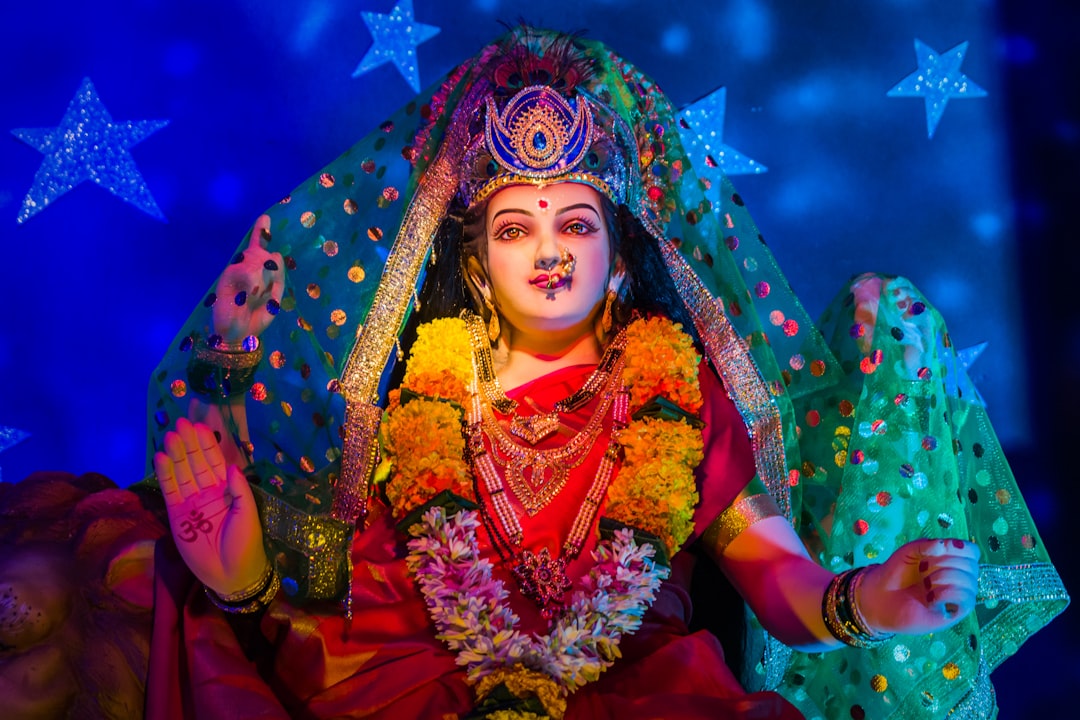
The Navarna mantra, also called the Navakshari or Chamunda mantra, holds an important place in Shakti worship. Its bija syllables are traditionally connected with different expressions of divine knowledge, power and transformation.
Because this is a specialised mantra, traditions differ on whether formal initiation is required for deeper practice. One Shakta institution explicitly advises initiation before undertaking related Chandi practices.
Beginners should avoid complex nyasa, homa or tantric procedures found online. Those who already follow this mantra through a trusted lineage should continue according to their teacher’s instructions. Others may choose the simpler Durga mantra mentioned above or recite a devotional stotra instead.
5. Kali Mantra
Mantra: ॐ क्रीं कालिकायै नमः
Om Kreem Kalikayai Namah
Maa Kali represents fearless transformation, truth and the ending of destructive patterns. This mantra is often approached by devotees who wish to confront fear, unhealthy attachment or inner resistance.
Its purpose should not be framed as controlling another person, defeating someone or harming an opponent. The spiritual emphasis is on transforming one’s own ignorance, ego and harmful habits.
After completing the japa, sit silently for a few minutes and ask yourself what must be released from your life. It could be resentment, fear, procrastination, unhealthy attachment or a habit that prevents your growth.
In this way, the Kali mantra supports honest reflection rather than fear or superstition.
6. Mahalakshmi Mantra
Mantra: ॐ श्रीं महालक्ष्म्यै नमः
Om Shreem Mahalakshmyai Namah
Maa Lakshmi is associated not only with material abundance but also with harmony, generosity, dignity and responsible stewardship. During Gupt Navratri, this mantra may be used to pray for prosperity that is ethical, balanced and beneficial.
A prosperity mantra becomes more meaningful when accompanied by gratitude, disciplined effort and generosity. Chant it with a calm mind rather than anxiety about immediate outcomes.
Devotees can also use this practice to examine whether they are using their time, money, abilities and opportunities wisely. True abundance includes peace, supportive relationships, health, contentment and the ability to share with others.
7. Saraswati Mantra
Mantra: ॐ ऐं सरस्वत्यै नमः
Om Aim Saraswatyai Namah
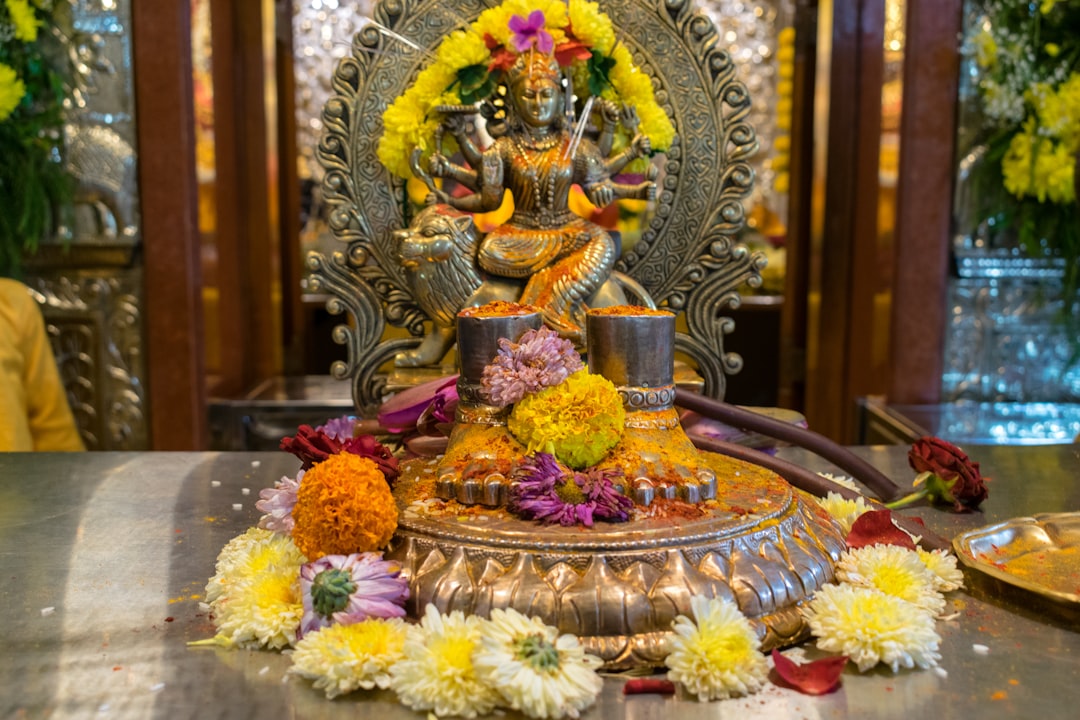
This simple mantra invokes Maa Saraswati, the Goddess of knowledge, learning, speech, music and discernment. It is especially suitable for students, teachers, writers, artists and anyone seeking mental clarity.
Chant it before studying, writing or making an important decision. During Gupt Navratri, it can support a sadhana focused on truthful communication and freedom from mental confusion.
Follow the mantra with practical action. Study attentively, verify information, listen carefully and use speech with responsibility. The grace of Saraswati is honoured when knowledge is pursued sincerely and used for constructive purposes.
How Many Times Should You Chant a Devi Mantra?
There is no need to begin with an exhausting count. Choose a number you can maintain with attention. Nine or eleven repetitions are manageable for a beginner, while 27, 54 or 108 repetitions may suit a longer practice.
Keep the same mantra and approximate time each day when possible. Creating a regular spiritual routine is generally more helpful than chanting a very large number of repetitions on one day and abandoning the practice afterward.
Do not become anxious if the mind wanders. Gently return your attention to the sound and meaning of the mantra. Avoid using mantra chanting as a substitute for medical care, financial planning, professional advice or necessary action.
Spiritual practice can offer reflection and emotional grounding, but responsible decisions and practical action still matter.
Simple Gupt Navratri Sadhana at Home
Begin with a bath or by washing your hands and face. Clean the prayer space, sit quietly and take three slow breaths. Offer your prayer to Devi, chant your chosen mantra and remain silent for a few minutes afterward.
You may conclude with gratitude and dedicate the merit of your practice to the well-being of others.
Maintain a sattvic routine according to your health and family tradition. Reduce gossip, harsh speech, unnecessary conflict and excessive digital distraction. Try to keep your thoughts, words and actions aligned with the qualities you are invoking through the mantra.
If fasting is not medically suitable, do not force it. Devotion is not measured by physical strain. A sincere prayer, mindful meal and compassionate action can also become meaningful parts of Gupt Navratri sadhana.
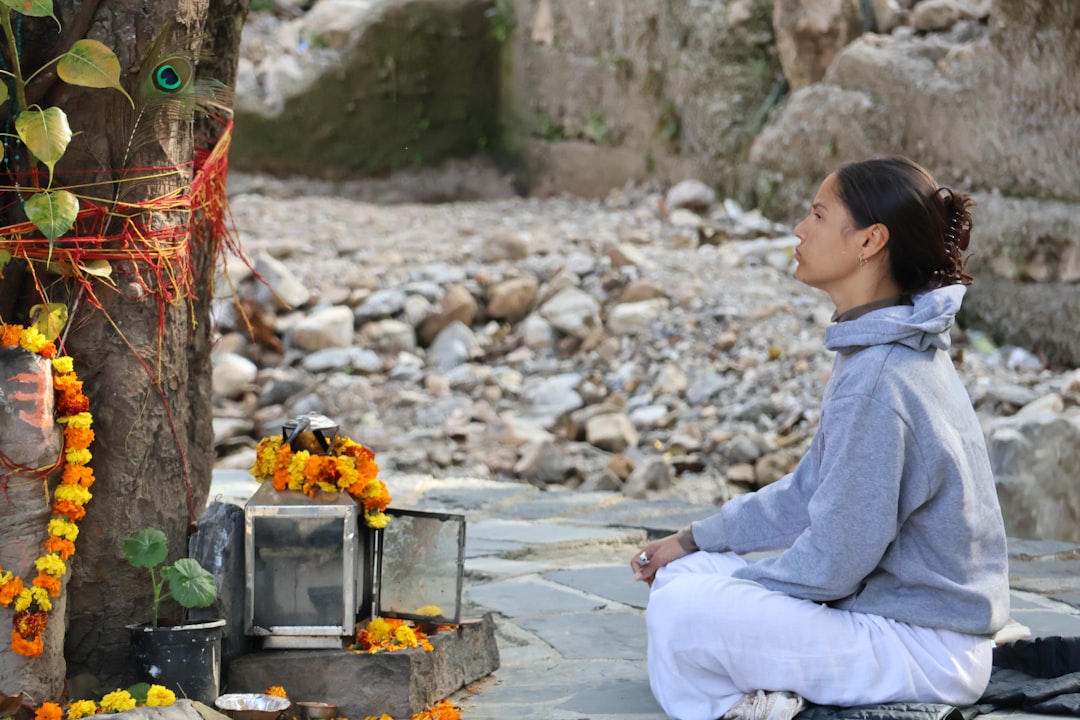
These seven powerful Devi mantras for Gupt Navratri offer different doorways into devotion: courage through Durga, auspiciousness through Gauri, universal Shakti through Ya Devi, transformation through Chamunda and Kali, abundance through Lakshmi and wisdom through Saraswati.
The best mantra for Gupt Navratri is the one you can chant respectfully, consistently and with a sincere intention.
Let the practice change not only what you ask from the Goddess, but also how you speak, choose, work and respond to others. That inner transformation is one of the deepest meanings of Gupt Navratri.
Personal Session
Every spiritual journey is personal. If you are seeking guidance for a recurring life challenge, emotional pattern, relationship concern or important decision, book a personal session for focused one-to-one support. Receive a thoughtful perspective that can help you understand your situation, identify your next step and move forward with greater awareness.
Book Now