
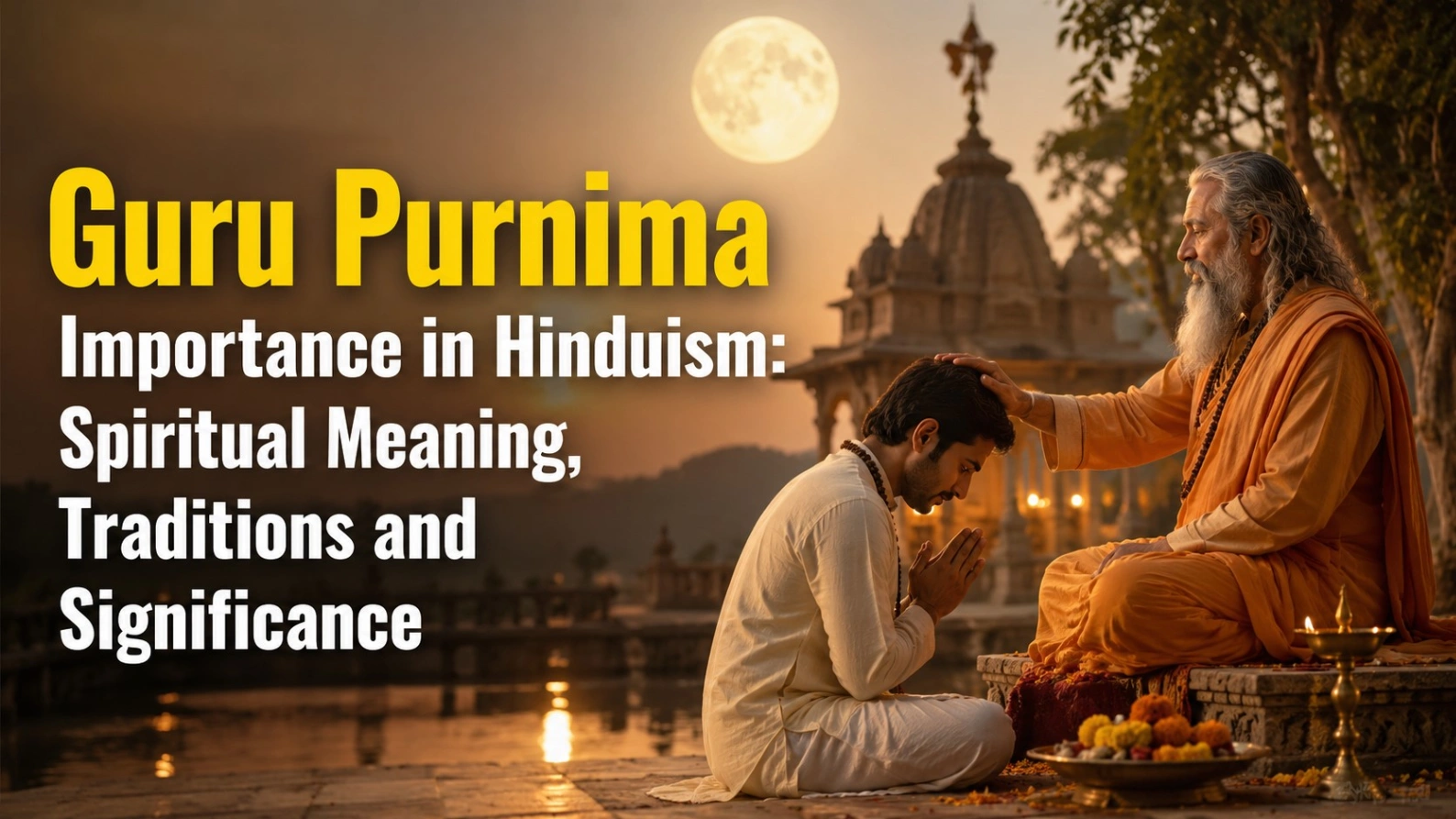
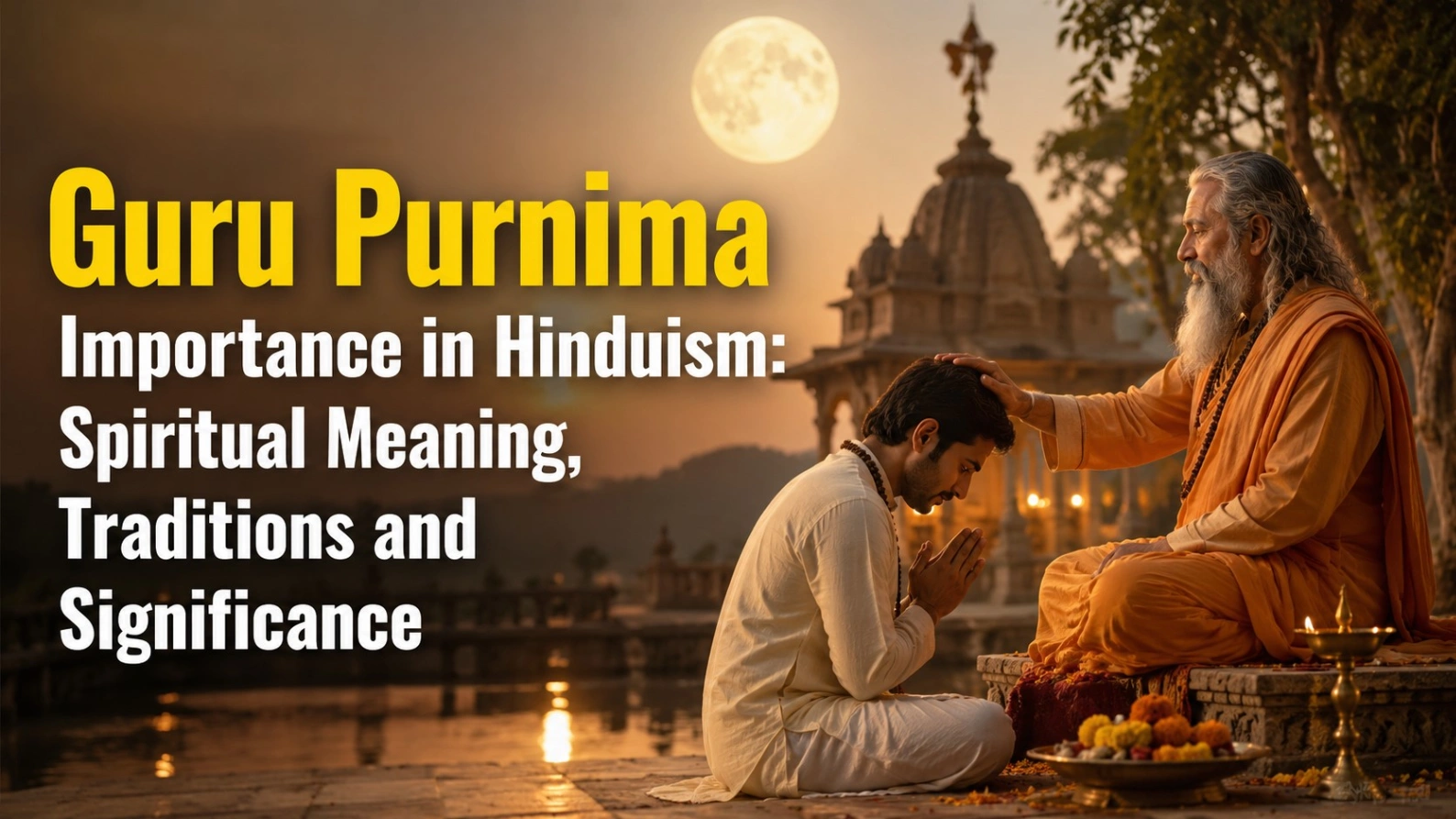
Guru Purnima Importance in Hinduism goes far beyond a yearly festival or a traditional observance. It is a sacred day of gratitude, reflection and spiritual awakening. Celebrated on the full moon day of the Hindu month of Ashadha, Guru Purnima is dedicated to honoring the guru, the one who removes darkness and guides the seeker toward wisdom, truth and inner transformation.
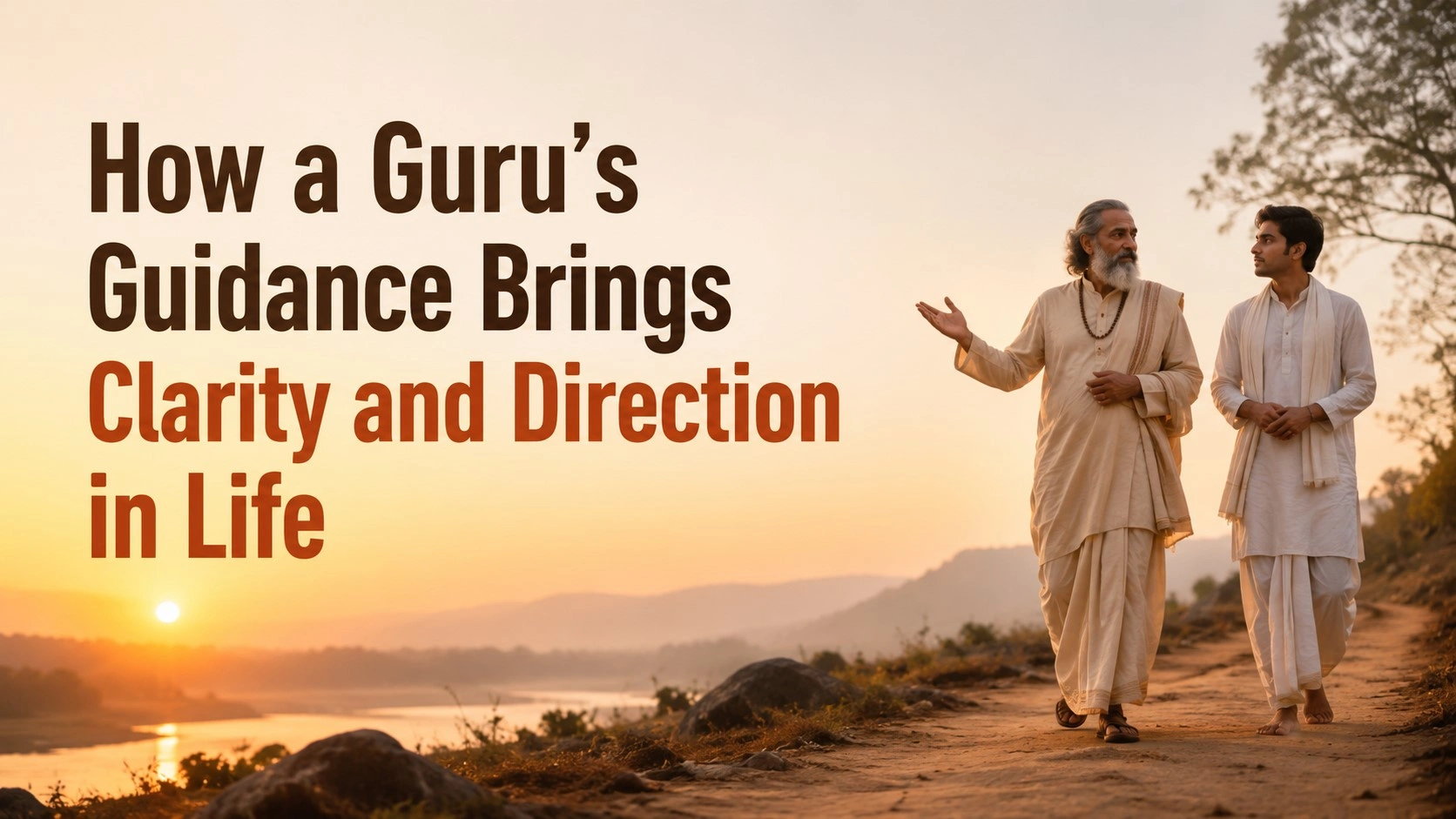
In Hindu culture, the guru is not seen as just a teacher. A guru is a guide, a mentor, a source of knowledge and a spiritual light who helps a person move from confusion to clarity. This is why Guru Purnima holds such deep emotional and spiritual value for devotees, students and seekers across India.
Guru Purnima 2026 will be observed on Wednesday, July 29, 2026. On this day, people express gratitude to their spiritual masters, teachers, parents, mentors and anyone who has shaped their life with wisdom. Many devotees perform Guru Purnima puja, chant mantras, meditate, offer seva and remember the teachings of their guru with devotion.
What Is Guru Purnima?
Guru Purnima is a sacred festival dedicated to gurus, spiritual teachers and enlightened masters. The word “Guru” has a deep meaning in Hindu tradition. “Gu” represents darkness, and “Ru” represents the remover of darkness. So, a guru is the one who removes ignorance and brings the light of knowledge into life.
The word “Purnima” means full moon. Guru Purnima is celebrated on the full moon day of Ashadha month, which usually falls in June or July according to the Gregorian calendar. The full moon is considered a symbol of completeness, brightness and spiritual clarity. This makes Guru Purnima a perfect day to honor the source of wisdom in one’s life.
For many people, Guru Purnima is a day to pause and ask: Who has guided me? Who helped me become better? Who showed me the right path when I was confused? In this way, the festival becomes not just a ritual, but a personal journey of gratitude.
CTA for Design Your Destiny
Ready to move from confusion to clarity and create a more conscious life? Join the Design Your Destiny program and learn practical spiritual tools to transform your thoughts, emotions and actions with awareness. Take the next step toward inner growth, purpose and self-mastery.
Start Your Journey Today!Why Is Guru Purnima Celebrated?
Guru Purnima is celebrated to express respect and gratitude toward gurus and teachers. In Hinduism, knowledge is considered sacred, and the person who gives true knowledge is honored with deep reverence. This is why the guru-disciple relationship in Hinduism is seen as one of the most important spiritual bonds.
The festival is also known as Vyas Purnima because it is traditionally associated with Maharishi Ved Vyasa, one of the greatest sages in Hindu tradition. Ved Vyasa is revered for his contribution to Hindu scriptures and spiritual literature. He is traditionally credited with compiling the Vedas and composing the Mahabharata, which includes the Bhagavad Gita.
Because of this connection, Guru Purnima is also a day to remember the importance of scripture, wisdom, self-study and spiritual discipline. Devotees honor Ved Vyasa and all gurus who continue the flow of knowledge from generation to generation.
Spiritual Meaning of Guru Purnima
The spiritual meaning of Guru Purnima is rooted in the journey from ignorance to awareness. In life, every person faces confusion, attachment, fear, ego and emotional struggles. A true guru helps the seeker understand life beyond surface-level thinking.
Guru Purnima reminds us that spiritual growth is not only about reading scriptures or performing rituals. It is about transforming the way we live, think and respond to the world. A guru helps us see our own inner potential and guides us toward self-realization.
The full moon on Guru Purnima also carries symbolic meaning. Just as the moon reflects the light of the sun, a disciple reflects the wisdom of the guru. The guru does not create something artificial in the disciple. Instead, the guru awakens what is already present within.
This is why Guru Purnima spiritual significance is so powerful. It is not only about bowing before a teacher. It is about becoming humble enough to receive guidance and sincere enough to walk the path of wisdom.
Guru Purnima and Vyas Purnima
Guru Purnima and Vyas Purnima are closely connected. The day is called Vyas Purnima in honor of Maharishi Ved Vyasa. He is considered one of the most important sages in Hinduism because of his contribution to Vedic knowledge and spiritual teachings.
Ved Vyasa’s work helped preserve and organize sacred wisdom for future generations. His contribution made spiritual knowledge more accessible to seekers. This is why devotees remember him on Guru Purnima and offer gratitude for the knowledge passed down through the guru-parampara, or lineage of teachers.
The meaning of Vyas Purnima is not limited to worshipping one sage. It reminds us that wisdom must be preserved, practiced and passed forward. Every guru, teacher and mentor who helps others grow becomes a part of this sacred tradition.
Importance of Guru in Hindu Tradition
The importance of guru in Hindu tradition is deeply rooted in the idea that life needs guidance. A person may have intelligence, talent and ambition, but without the right direction, these qualities may not lead to peace or wisdom.
In Hindu scriptures and spiritual traditions, the guru is often described as a bridge between the seeker and truth. A guru helps the disciple understand dharma, karma, devotion, meditation and the deeper purpose of life. The guru does not simply give information. The guru gives insight.
This is why the guru-disciple relationship in Hinduism is based on trust, surrender, discipline and respect. The disciple approaches the guru with humility, and the guru guides the disciple with compassion. Guru Purnima celebrates this sacred relationship.
Even in modern life, this teaching remains relevant. We all need guidance, whether in spirituality, education, career, relationships or personal growth. Guru Purnima reminds us to value those who have helped us become wiser, calmer and more aware.
Guru Purnima Traditions in Hinduism
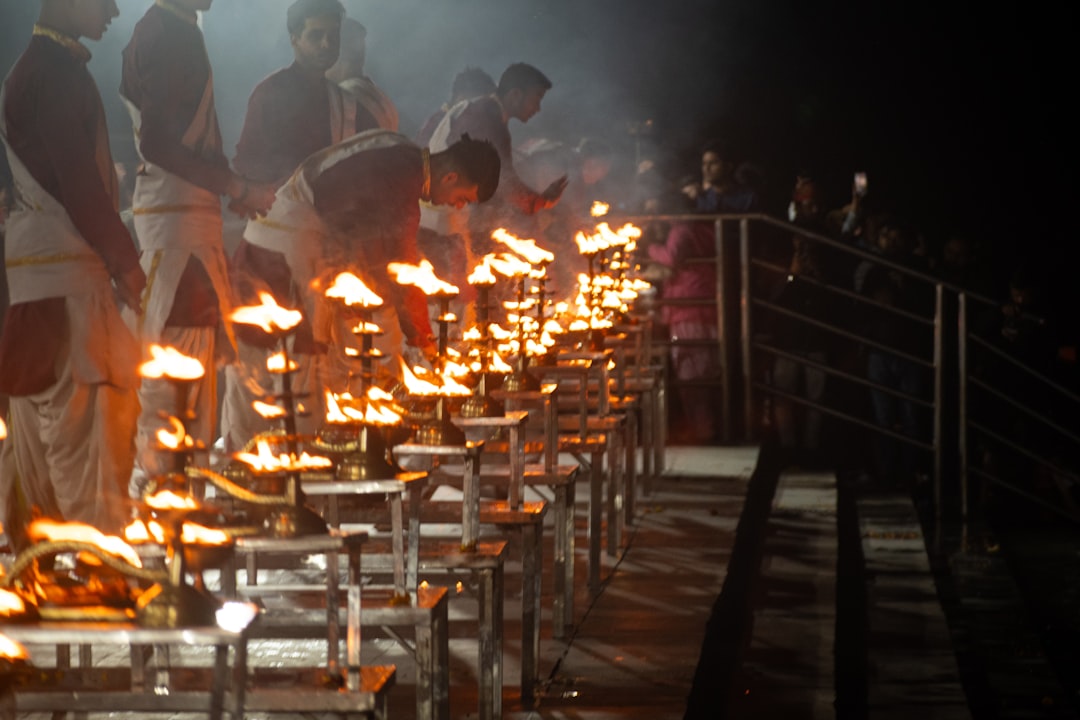
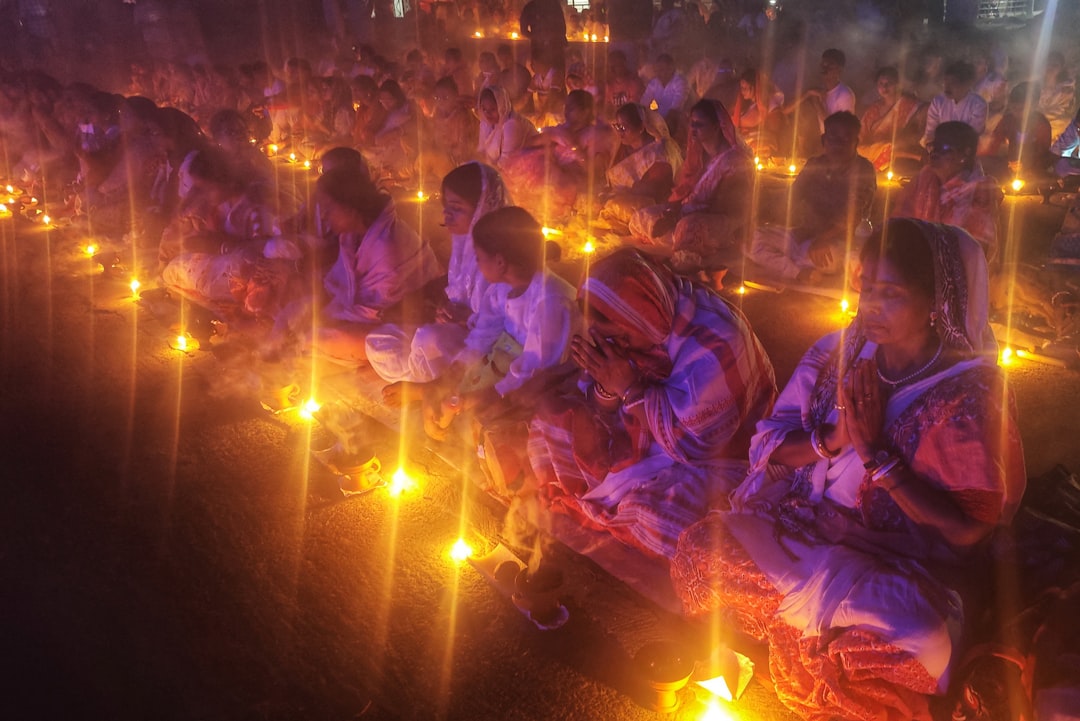
Guru Purnima traditions in Hinduism may vary from family to family and region to region, but the core emotion remains the same: gratitude. Devotees visit ashrams, temples or spiritual centers to offer respect to their guru. Many people also remember teachers, parents and elders who have guided them in life.
Common Guru Purnima traditions include offering flowers, lighting a diya, chanting mantras, reading spiritual texts and listening to discourses. Some devotees perform Guru Paduka Puja, where the sandals or symbolic feet of the guru are worshipped as a mark of devotion and surrender.
In many spiritual communities, Guru Purnima celebration includes satsang, bhajan, kirtan, meditation and seva. These practices help devotees connect with the teachings of their guru and renew their spiritual commitment.
For students, Guru Purnima is also a day to honor academic teachers. It teaches that every form of true knowledge is sacred, whether spiritual, moral, academic or practical.
Guru Purnima Rituals and Puja
Guru Purnima rituals are usually simple but deeply meaningful. The day often begins with a bath, clean clothes and a calm prayerful mindset. Devotees create a sacred space at home or visit a temple or ashram.
A simple Guru Purnima puja at home may include lighting a lamp, offering flowers, chanting a Guru mantra and expressing gratitude mentally or verbally. Some people keep a photo of their guru, spiritual master or deity and offer prayers with devotion.
Many devotees also read scriptures such as the Bhagavad Gita, Guru Gita or other spiritual texts. Meditation is another important practice on this day because it helps the seeker turn inward and connect with the guru’s teachings.
Seva, or selfless service, is also considered a beautiful way to celebrate Guru Purnima. Helping others, feeding the needy, supporting spiritual work or serving in an ashram are meaningful ways to honor the guru’s wisdom through action.
How to Celebrate Guru Purnima at Home
If you cannot visit an ashram or temple, you can still celebrate Guru Purnima at home with sincerity. The most important thing is devotion, not decoration.
Begin the day with a peaceful prayer. Sit quietly for a few minutes and remember the people who have guided you in life. You can light a diya, offer flowers and chant a simple prayer such as “Guru Brahma, Guru Vishnu, Guru Devo Maheshwara.” You may also meditate on the teachings that have helped you grow.
Another meaningful practice is writing a gratitude note to your teacher, mentor or guru. If they are physically present in your life, you may call them, visit them or send a respectful message. If your guru is no longer physically present, you can honor them by following their teachings sincerely.
You can also spend time reading spiritual books, listening to satsang, practicing silence or doing seva. The purpose of Guru Purnima is not to perform rituals mechanically, but to reconnect with wisdom.
Guru Purnima Significance for Students and Teachers
Guru Purnima significance for students and teachers is especially important. In today’s fast-moving world, education is often seen only as a path to marks, jobs or success. Guru Purnima reminds us that true education is about character, clarity and consciousness.
For students, this day teaches humility and respect. It encourages them to value teachers not only for lessons and exams, but for discipline, values and direction. For teachers, Guru Purnima is a reminder of the sacred responsibility of guiding young minds with patience and sincerity.
The festival also teaches that learning never ends. Every person, situation and challenge can become a teacher if we are open to learning. In this sense, Guru Purnima is not limited to schools, temples or ashrams. It is a celebration of lifelong learning.
Why Guru Purnima Is Important in Modern Life
The importance of Guru Purnima in Hinduism remains highly relevant even today. Modern life is full of distractions, stress and information overload. People have access to endless content, but not always true wisdom. A guru helps separate noise from truth.
Guru Purnima reminds us that guidance is essential for inner growth. It teaches us to slow down, reflect and reconnect with the values that truly matter. The festival encourages gratitude, humility and discipline, qualities that are often missing in modern life.
It also reminds us that success without wisdom can feel empty. A guru helps us understand how to live with balance, purpose and awareness. Whether one follows a spiritual path or simply wants to live better, the essence of Guru Purnima can bring deep meaning to life.
Guru Purnima Importance in Hinduism lies in its timeless message of gratitude, wisdom and spiritual guidance. It is a sacred day to honor the guru, remember the value of knowledge and renew our commitment to inner growth.
From Guru Purnima rituals and puja to meditation, seva and scripture reading, every practice on this day has one purpose: to bring the seeker closer to truth. Whether you call it Guru Purnima, Vyas Purnima or the festival of the guru-disciple bond, its essence remains the same.
It is a day to bow with humility, reflect with honesty and walk forward with awareness. In a world where many people are searching for peace and direction, Guru Purnima reminds us that the right guidance can transform life from confusion to clarity and from darkness to light.
CTA for Personal Session
If you feel stuck, emotionally overwhelmed or unsure about your spiritual path, book a Personal Session for one-on-one guidance. Get personalized support to understand your challenges, reconnect with your inner strength and move forward with clarity and confidence.
Book Now