
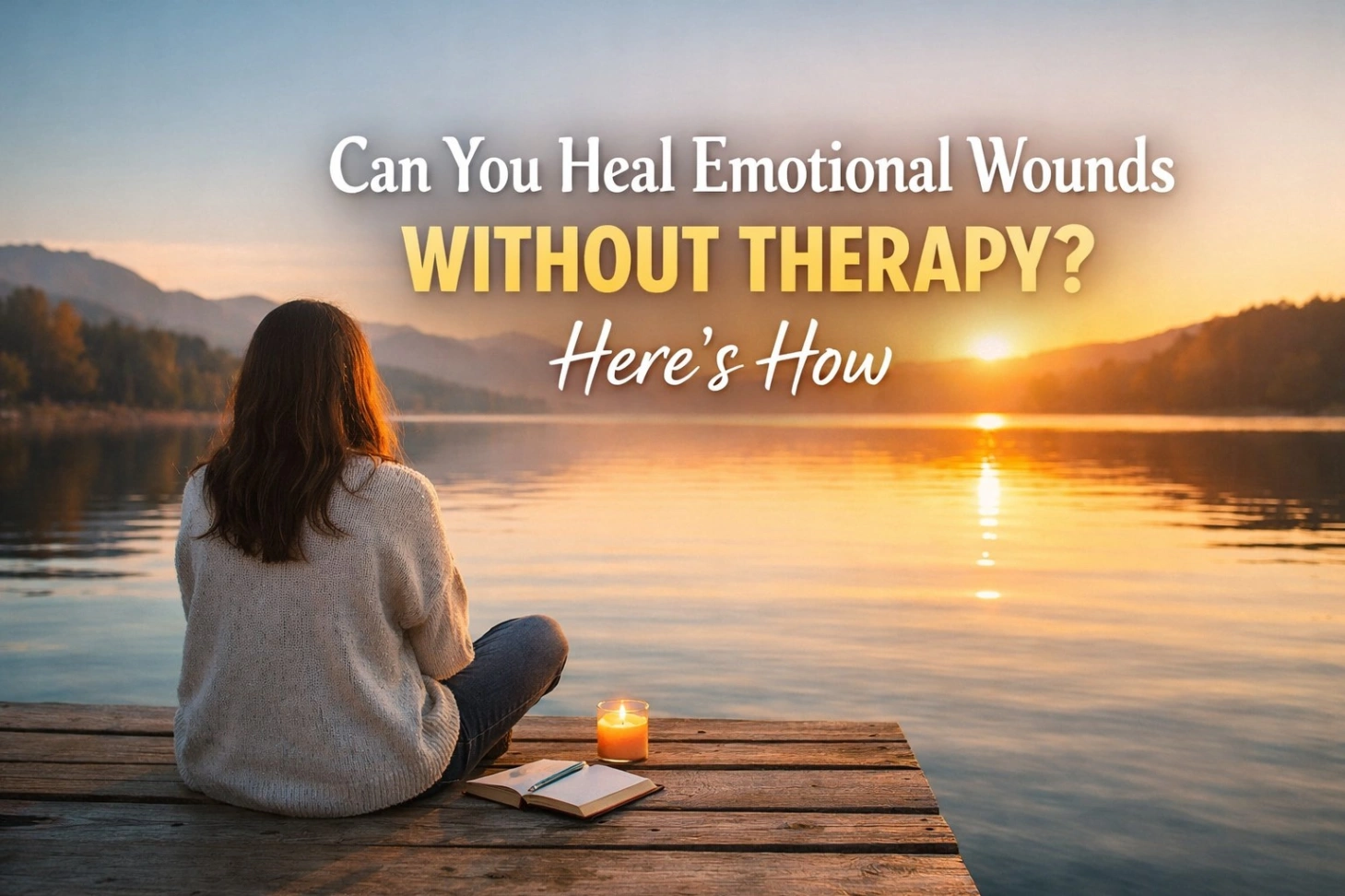
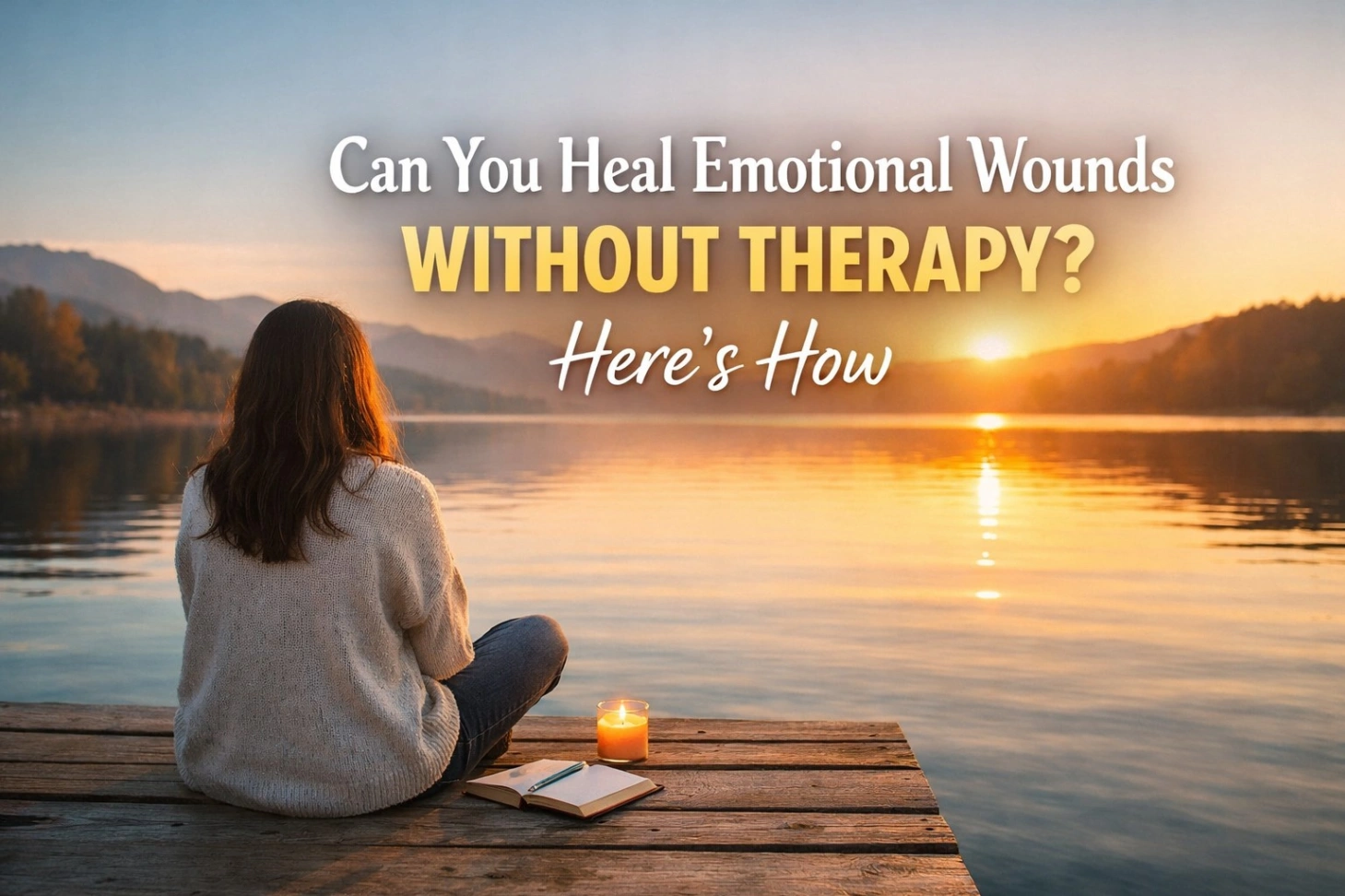
Emotional pain can feel invisible, yet deeply overwhelming. If you’ve ever wondered how to heal emotional wounds without therapy, you’re not alone. Many people today are searching for emotional healing, self healing, and ways to heal trauma on their own, especially when therapy isn’t accessible, affordable, or simply doesn’t feel right for them.
The truth is: yes, you can heal emotional wounds without therapy, but not by suppressing or “fixing” yourself. Real healing happens when you begin to understand your emotions, not escape them.
Let’s explore how.
What Are Emotional Wounds?
Emotional wounds are unresolved feelings from past experiences like rejection, betrayal, loss, neglect, or even subtle everyday pain. Over time, these wounds show up as:
Overthinking and anxiety
Feeling emotionally drained
Difficulty trusting people
Low self-worth
Constant inner restlessness
If you’ve been asking, “why do I feel emotionally hurt?” or “why won’t this emotional pain go away?”, it’s often because your mind is trying to process something that was never fully felt or understood.
Personal Session
Looking for deeper clarity and personal guidance on your healing journey? Book a 1:1 personal session with Sakshi Shree and start your transformation with the right direction and awareness.
Book NowCan You Heal Emotional Wounds Without Therapy?
Yes, but here’s the key: self healing is not about doing more, it’s about becoming aware.
Many people try to distract themselves from scrolling, working, or avoiding, but emotional healing requires the opposite. It asks you to slow down and face what’s within.
Therapy can guide the process, but healing from trauma ultimately happens inside you. No external method can replace your own awareness.
Why Emotional Healing Feels So Difficult
Before you learn how to heal emotional pain, it’s important to understand why it feels stuck:
You were taught to suppress emotions
You avoid discomfort and pain
You overthink instead of feeling
You expect quick fixes
This is why many people say: “I’ve tried everything, but emotional healing is not working.”
Because healing isn’t about trying harder, it’s about seeing deeper.
How to Heal Emotional Wounds Without Therapy
1. Stop Fixing, Start Observing
The biggest mistake in self healing is trying to “fix” yourself.
Instead, observe:
What are you feeling right now?
Where do you feel it in your body?
What triggered it?
Awareness alone begins inner healing.
2. Allow Yourself to Feel Fully
Most emotional wounds stay because they were never fully felt.
Instead of distracting yourself:
Sit with your emotions
Let yourself feel sadness, anger, or pain
Don’t judge or analyze it
This is one of the most powerful emotional release techniques.
3. Journal Your Emotions Honestly
If you’re wondering how to process emotions without therapy, journaling is one of the best tools.
Write freely:
What are you feeling?
Why does it hurt?
What do you wish had happened instead?
Journaling helps bring subconscious pain into awareness, supporting subconscious healing of emotional wounds.
4. Practice Mindfulness for Emotional Healing
Mindfulness helps you stop living in past pain.
Try:
10 minutes of daily stillness
Observing your thoughts without reacting
Focusing on your breath
This builds emotional stability and supports mindfulness for emotional healing.
5. Use Breathwork for Emotional Release
Your body stores emotions.
Simple breathwork for emotional release:
Inhale deeply for 4 seconds
Hold for 4 seconds
Exhale slowly for 6–8 seconds
Repeat for a few minutes to calm your nervous system and release built-up emotional tension.

6. Understand Your Emotional Triggers
If you want to heal trauma on your own, notice what triggers you.
Ask:
Why does this situation affect me so strongly?
Is this connected to a past experience?
Triggers are not problems, they are clues for healing.
7. Shift From Overthinking to Feeling
Many people stay stuck because they overthink instead of feel.
If you’re asking:
“How to stop overthinking and emotional pain?”
The answer is simple:
Move from thinking to feeling.
Your mind creates loops. Your awareness breaks them.
8. Create Daily Self Healing Habits
Healing isn’t one big moment, it’s small daily shifts.
Try:
Quiet time with yourself
Limiting emotional triggers (toxic content, people)
Practicing self-compassion
Taking care of your body
These simple practices build a strong emotional healing journey.
9. Practice Self-Compassion
Most people are harsh on themselves while healing.
Instead of:
“I should be over this”
Say:
“I’m healing at my own pace”
Self-compassion is a core part of mental healing techniques.
10. Reconnect With Yourself
Emotional wounds disconnect you from yourself.
Healing is about reconnecting:
What do you truly feel?
What do you truly need?
This is what healing from within really means.
Spiritual Perspective: Healing Through Awareness
From a deeper lens, emotional pain isn’t just something to remove, it’s something to understand.
Many traditions say:
Pain is not the problem. Unawareness is.
When you bring awareness to your emotions:
Pain begins to dissolve
Clarity replaces confusion
Peace replaces resistance
This is the essence of self healing through awareness.
Signs You Are Healing Emotionally
As you continue your journey, you may notice:
You react less and observe more
Emotional triggers feel lighter
You feel more at peace with yourself
You stop seeking validation
You feel emotionally stronger
These are subtle but powerful signs of emotional healing.

Stages of Emotional Healing
Healing is not linear, but generally moves through:
Awareness of pain
Acceptance of emotions
Emotional release
Understanding patterns
Inner peace
Understanding these stages of emotional healing helps you stay patient with yourself.
What If Therapy Isn’t an Option?
If you’ve been thinking:
“How to heal when therapy is not an option?”
“How to deal with emotional trauma alone?”
Remember this:
You don’t need perfect conditions to begin healing.
Start small.
Start where you are.
Start with awareness.
Healing emotional wounds is not about becoming someone new, it’s about returning to who you already are beneath the pain.
You don’t need to rush.
You don’t need to be perfect.
You just need to be present.
Because emotional healing begins the moment you stop running from yourself and start understanding yourself.
Design Your Destiny
If you’re ready to go beyond surface-level healing and truly transform your life, join Design Your Destiny—a powerful journey to align your thoughts, emotions, and purpose from within.
Start Your Journey!