
Meditation is often seen as a simple practice of sitting quietly, closing the eyes and focusing on the breath. However, its deeper value goes far beyond physical stillness. Regular meditation can help you understand your thoughts, recognise emotional patterns and respond to difficult situations with greater patience and clarity.
Among the most meaningful meditation benefits are increased self-awareness and stronger emotional resilience. Instead of reacting automatically to stress, anger, fear or disappointment, meditation teaches you to pause, observe and choose a more balanced response.
This is why meditation for self-awareness and meditation for emotional strength have become important practices for people seeking inner peace, mental clarity and emotional wellness. Through consistent practice, you begin to develop a healthier relationship with your thoughts and emotions rather than feeling controlled by them.
Understanding Awareness Through Meditation
Awareness means being conscious of what is happening within you and around you. It includes noticing your thoughts, emotions, physical sensations, reactions and habits without immediately judging them.
Many people move through the day on autopilot. They react to conversations, challenges and responsibilities without fully understanding why they feel upset, anxious or overwhelmed. Meditation interrupts this automatic cycle.
During mindfulness meditation, you learn to observe your breathing, bodily sensations and thoughts as they arise. You do not need to suppress them or force the mind to become completely silent. The purpose is simply to notice what is happening.
Over time, this practice strengthens self-awareness. You become more capable of recognising emotional triggers, negative thinking patterns and unconscious reactions before they influence your behaviour.
Meditation for self-awareness helps you ask important questions such as:
Why am I reacting this way?
What emotion am I experiencing right now?
Is this thought based on reality, fear or assumption?
Do I need to respond immediately?
This ability to observe yourself honestly is the foundation of personal and spiritual growth.
Design Your Destiny
Your outer life begins to change when you understand your inner world. Through the Design Your Destiny program, you can learn practical tools to overcome limiting patterns, develop emotional strength and create a more conscious and fulfilling life.
Start Your Journey Today!How Meditation Develops Self-Awareness
Self-awareness meditation teaches you to observe your inner world without becoming completely identified with it. You begin to understand that a thought is only a thought and an emotion is only a temporary experience.
For example, feeling angry does not mean you are an angry person. Feeling anxious does not mean that every situation is dangerous. Meditation creates a small space between the experience and your reaction.
That space gives you freedom.
When you practice daily meditation, you become more familiar with the patterns of your mind. You may notice that certain situations cause insecurity, that particular memories create sadness or that specific conversations trigger defensiveness.
This understanding does not develop through self-criticism. It develops through gentle observation.
Mindfulness exercises help you recognise what is happening without immediately labelling it as good or bad. With time, this creates deeper mental clarity and emotional intelligence.
You start understanding not only what you feel, but also why you feel it and how you can respond wisely.
What Is Emotional Strength?
Emotional strength does not mean never feeling sadness, anger, fear or disappointment. It also does not mean pretending to remain positive during every difficult moment.
True emotional strength is the ability to experience emotions without allowing them to completely control your actions.
An emotionally strong person can feel hurt and still communicate calmly. They can experience failure without losing their sense of self-worth. They can face uncertainty without immediately becoming overwhelmed.
Meditation for emotional strength helps develop this inner steadiness.
By observing emotions during meditation, you learn that they rise, change and eventually pass. This realisation reduces the fear of uncomfortable feelings.
Instead of trying to escape an emotion, you learn to stay present with it.
This process gradually improves emotional stability, emotional regulation and inner strength.
How Meditation Helps Control Emotions
One of the most valuable benefits of meditation is its ability to improve the way you respond to emotional situations.
When a stressful event occurs, the mind often reacts instantly. You may become angry, defensive, anxious or discouraged before you have had time to understand the situation.
Meditation trains you to pause.
This pause does not remove emotions, but it allows you to respond more consciously.
For instance, if someone criticises you, your immediate reaction may be to argue or withdraw. With regular mindfulness meditation, you may become capable of noticing the discomfort, observing your thoughts and choosing a calmer response.
This is how meditation helps control emotions. It does not create emotional numbness. Instead, it develops awareness and self-control.
The more you practise, the easier it becomes to recognise an emotion before it turns into impulsive behaviour.
Meditation and Emotional Regulation
Emotional regulation is the ability to manage emotions in a healthy and balanced way. It involves understanding what you feel, accepting the emotion and responding appropriately.
Meditation techniques for emotional balance can support this process by helping you remain present.
When you sit quietly and observe your breath, you train your attention. Whenever the mind wanders, you gently bring it back. This repeated action develops patience and concentration.
The same skill can be used during emotional moments.
When worry pulls your mind into the future, you can bring attention back to the present. When anger creates repetitive thoughts, you can notice the pattern and redirect your attention.
Meditation for emotional balance helps you respond to life with greater awareness instead of reacting from habit.
This can improve emotional well-being, relationships and decision-making.

How Meditation Builds Emotional Resilience
Emotional resilience is the ability to recover from setbacks, stress and difficult experiences.
Life will always include uncertainty, disappointment and change. Meditation does not remove these challenges, but it can change how you relate to them.
Through meditation for emotional resilience, you learn to remain centred even when circumstances are uncomfortable.
You become more capable of observing negative thoughts without automatically believing them. You also learn to accept temporary discomfort without assuming that it will last forever.
This awareness makes it easier to recover from emotional setbacks.
Instead of thinking, “Everything is going wrong,” you may begin to recognise, “I am going through a difficult moment, but this moment will change.”
That shift in perspective can support inner strength and emotional stability.
Meditation for Stress and Anxiety
Meditation for stress and meditation for anxiety are popular because both practices encourage the mind to return to the present moment.
Stress often increases when the mind repeatedly thinks about responsibilities, deadlines or unresolved situations. Anxiety frequently grows when attention becomes trapped in future possibilities.
Mindfulness meditation helps interrupt this mental cycle.
By focusing on breathing, physical sensations or a guided meditation, you bring attention back to what is happening now.
This does not mean ignoring real problems. It means creating enough mental space to approach them more clearly.
Meditation for mental health can be a supportive daily wellness practice, particularly when combined with healthy routines, professional guidance when needed and realistic problem-solving.
A few quiet minutes may help you feel more grounded, especially during emotionally demanding days.
Meditation for Emotional Healing
Meditation for emotional healing encourages you to face feelings with compassion rather than avoidance.
Many people carry unresolved sadness, guilt, resentment or fear. These emotions may continue influencing relationships and decisions even when they are not consciously recognised.
During self-awareness meditation, hidden feelings can gradually become more noticeable.
The aim is not to force healing or relive painful experiences. The aim is to create a safe inner space where emotions can be observed without shame.
You may silently acknowledge, “I feel hurt,” “I feel afraid” or “I am still holding anger.”
This honest recognition is often the beginning of emotional healing.
Meditation teaches you to offer yourself the same understanding that you might offer to someone you care about.
Over time, this compassionate awareness can reduce emotional resistance and support emotional wellness.
Meditation for Inner Peace and Mental Clarity
Inner peace does not depend on having a perfect life. It develops when you stop fighting every thought, emotion and circumstance.
Meditation for inner peace helps you accept the present moment without immediately trying to change it.
During meditation, thoughts may still appear. The mind may remember the past, plan the future or create imaginary conversations. Instead of becoming frustrated, you gently return to your chosen point of focus.
This process teaches mental flexibility.
You learn that you do not have to follow every thought.
As this awareness grows, mental clarity also improves. You become better able to separate useful thoughts from unnecessary mental noise.
This can support clearer decision-making, better concentration and a calmer approach to everyday challenges.

The Connection Between Meditation and Emotional Intelligence
Emotional intelligence includes recognising your emotions, understanding the feelings of others and responding with empathy.
Meditation and emotional intelligence are closely connected because both require awareness.
When you understand your own emotions, you are less likely to project them onto other people. You can communicate more clearly and listen without becoming immediately defensive.
For example, meditation may help you recognise that your irritation is actually caused by exhaustion or insecurity. Once you understand the real emotion, you can express yourself more honestly.
Mindfulness also strengthens empathy. As you become less judgmental toward your own thoughts and feelings, you may become more patient with the struggles of others.
This can improve personal relationships, professional communication and emotional well-being.
Daily Meditation for Positivity and Inner Strength
Positive thinking does not mean denying difficulties. It means developing the ability to see possibilities, lessons and solutions without becoming trapped in negativity.
Daily meditation can support positive thinking by making you more aware of repetitive mental patterns.
You may notice how often the mind expects the worst, compares your life with others or focuses only on mistakes. Once these patterns become visible, you can begin changing them.
Meditation for positivity and mental clarity allows you to observe negative thoughts without accepting them as absolute truth.
You can replace harsh internal reactions with balanced and realistic ones.
Instead of thinking, “I always fail,” you may learn to think, “This did not work, but I can learn from it.”
This shift creates emotional strength because your confidence is no longer completely dependent on external success.
Simple Meditation Techniques for Emotional Balance
You do not need complicated rituals to begin meditation for beginners. Simple practices can be highly effective when performed consistently.
Breath Awareness Meditation
Sit comfortably and focus on the natural movement of your breath. Notice each inhalation and exhalation. When thoughts arise, acknowledge them and gently return to breathing.
Body Awareness Meditation
Bring attention slowly to different parts of the body. Notice tension, warmth, pressure or relaxation without trying to change anything.
Emotion Observation Meditation
Name the emotion you are experiencing, such as sadness, anger, fear or frustration. Observe where you feel it in the body and allow it to be present without reacting.
Guided Meditation
Guided meditation can be useful when you find it difficult to practise alone. A calm voice leads you through breathing, relaxation, awareness or emotional healing exercises.
Mindful Walking
Walk slowly and pay attention to each step, your breathing and the sensations in your body. This is a practical form of mindfulness for people who struggle with sitting meditation.
How to Make Meditation a Daily Habit
Consistency matters more than duration.
You do not need to meditate for an hour every day. Starting with five or ten minutes can make the practice easier to maintain.
Choose a regular time, such as after waking up or before going to sleep. Sit in a quiet place and remove unnecessary distractions.
Do not judge the session according to how calm you feel. Some days the mind may be peaceful, while other days it may be restless.
Both experiences are part of the practice.
The purpose of daily meditation is not to achieve perfection. It is to keep returning to awareness.
As the habit grows, you may notice better emotional balance, stronger self-awareness and greater patience in everyday life.
Common Mistakes to Avoid
Beginners often believe that successful meditation means having no thoughts. This expectation can create unnecessary frustration.
Thinking during meditation is normal. The practice is to notice thoughts and return to awareness.
Another common mistake is forcing positivity. Meditation is not about hiding sadness or ignoring emotional pain. It is about observing every emotion honestly and compassionately.
Some people also expect immediate transformation. Meditation benefits often become more noticeable through regular practice and daily application.
Be patient with yourself. Emotional strength develops gradually.
Meditation and Spiritual Growth
For many people, meditation is not only a mental wellness practice but also a path to spiritual growth.
As self-awareness deepens, you may begin questioning old habits, attachments and beliefs. You may feel a stronger connection with your inner self and a greater sense of meaning.
Meditation can help you move beyond constant mental activity and experience moments of silence, presence and inner peace.
Spiritual growth does not always involve extraordinary experiences. It can appear as greater patience, kindness, gratitude, acceptance and emotional maturity.
In this sense, meditation transforms everyday life by helping you live with more awareness.
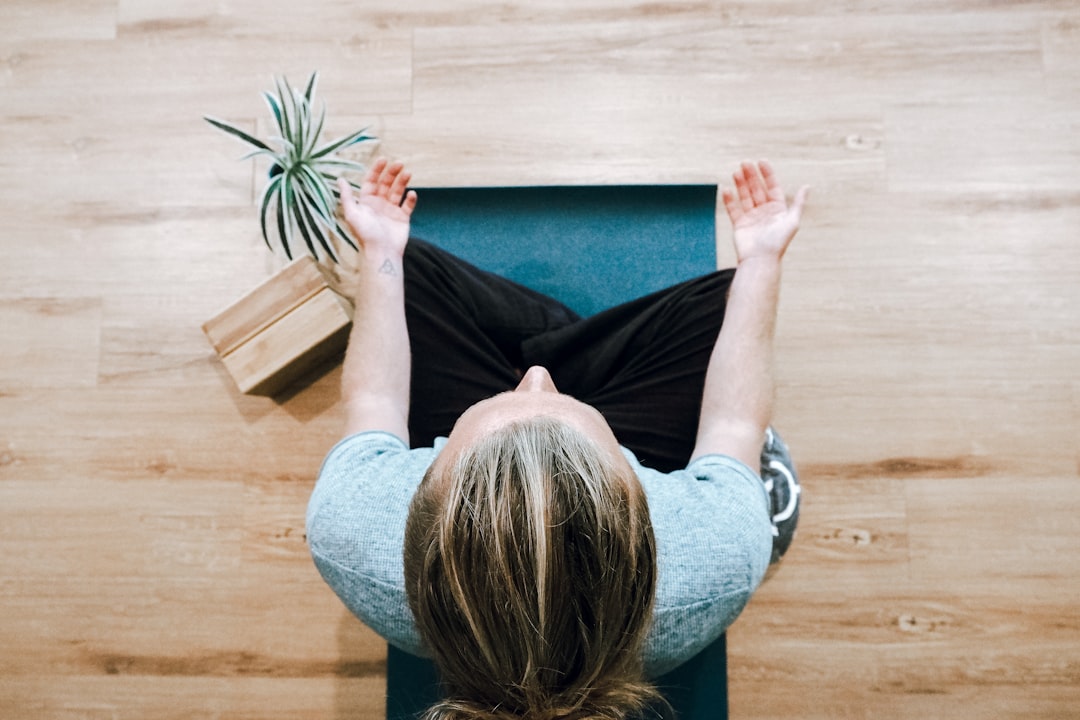
Meditation helps you develop awareness by teaching you to observe your thoughts, emotions and reactions without immediate judgment. It builds emotional strength by helping you pause, understand what you feel and respond more wisely.
Through regular mindfulness meditation, you can improve self-awareness, emotional regulation, mental clarity, resilience and inner peace.
You do not need to become perfectly calm or completely free from negative thoughts. The real purpose of meditation is to create a healthier relationship with your inner world.
With daily practice, you become less controlled by emotional impulses and more capable of facing life with patience, balance and confidence.
Personal Session
Are you struggling with emotional confusion, stress, recurring patterns or a lack of direction? A personal session can help you understand your challenges with greater awareness and receive guidance suited to your individual journey.
Book Now