
Stress has become a normal part of modern life, but that does not mean we should accept it as our natural state. Today, many people wake up with a tired mind, rush through the day with pressure, and sleep with unfinished thoughts. This is where yoga for stress relief becomes more than a fitness routine. It becomes a simple, natural and powerful way to calm the body, balance emotions and bring the mind back to the present moment.
We live in a time where the mind rarely rests. Notifications, deadlines, family responsibilities, social media, comparison, financial pressure and personal expectations constantly pull our attention in different directions. Even when the body is sitting still, the mind keeps running. This continuous mental noise often leads to stress, anxiety and overthinking.
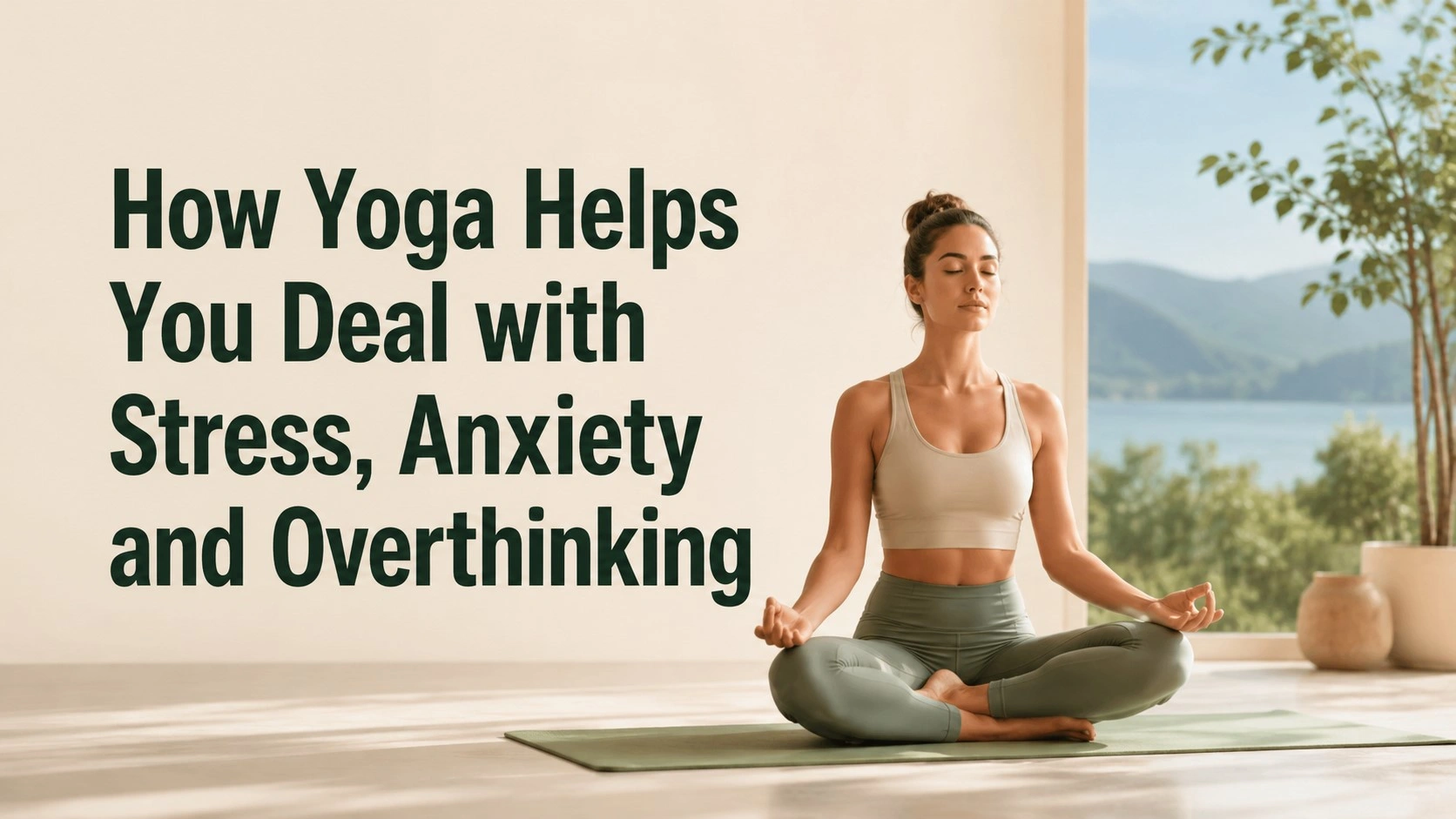
Yoga helps because it works on the whole person. It does not only stretch the body. It also slows the breath, relaxes the nervous system, improves awareness and teaches the mind how to pause. Through yoga poses, pranayama and meditation, a person slowly learns to move from restlessness to stillness.
With International Yoga Day observed every year on 21 June, this is also the right time to understand why yoga is so important for mental health in today’s world. Yoga is not only for flexibility or physical strength. It is also a daily practice for peace of mind, emotional balance and inner stability.
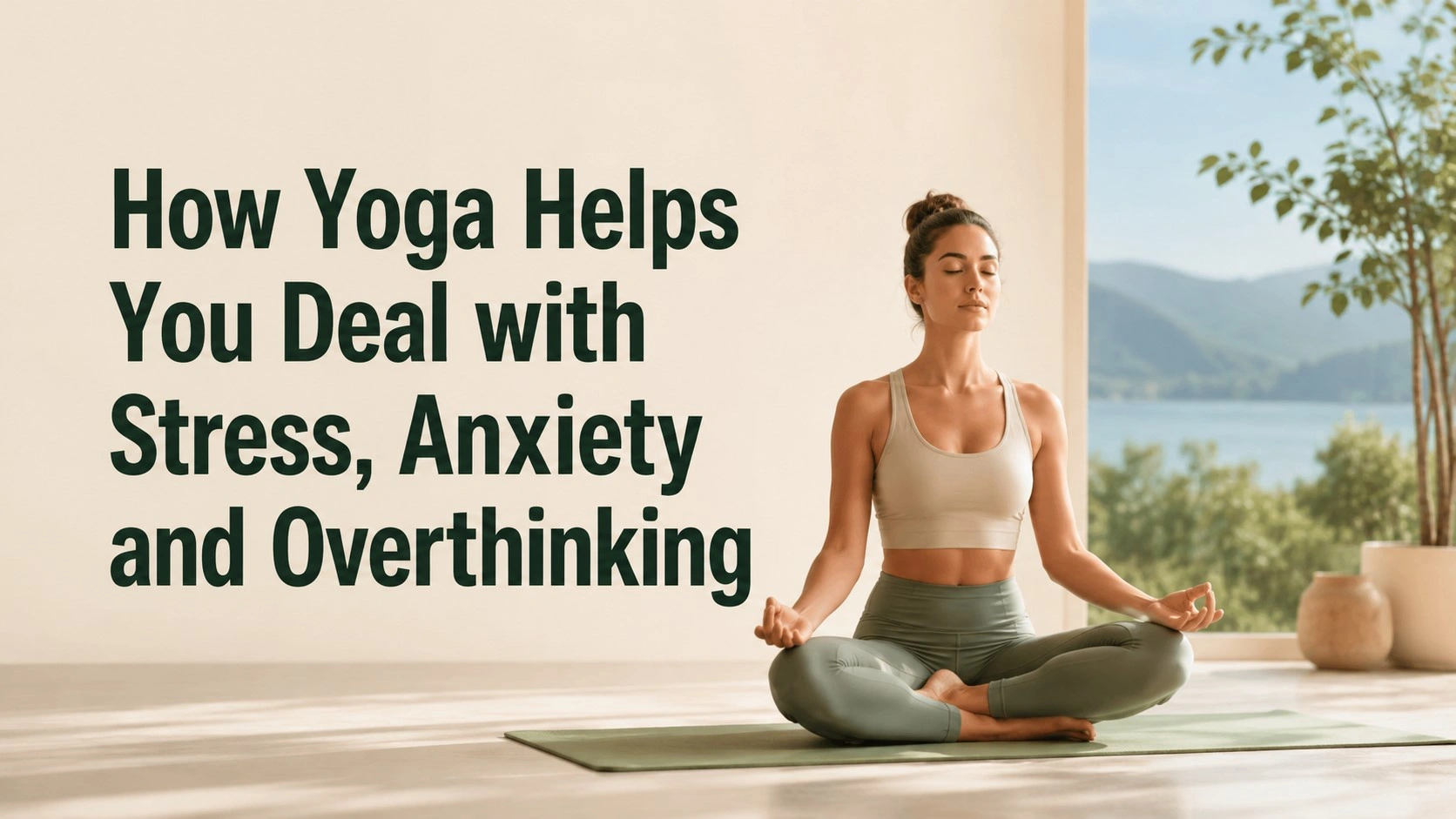
Why Stress, Anxiety and Overthinking Feel So Common Today
Modern life has made everything faster. People want faster success, faster replies, faster results and faster solutions. But the human mind is not designed to stay in a constant state of urgency. When pressure continues for too long, stress starts affecting the way we think, feel and behave.
Stress can make the body feel heavy, the mind feel crowded and emotions feel difficult to control. Anxiety often creates fear about what may happen next. Overthinking keeps repeating the same thoughts again and again, even when there is no clear solution.
This is why many people search for terms like yoga for anxiety, yoga for mental health, breathing exercises for stress and meditation for overthinking. They are not just looking for exercise. They are looking for relief. They want a way to feel peaceful again.
Yoga helps by creating a connection between breath, body and awareness. When this connection becomes stronger, the mind slowly becomes less reactive. Instead of being controlled by every thought, you begin to observe your thoughts with more calmness.
CTA for Design Your Destiny
Ready to move from stress to clarity? Join Design Your Destiny and learn powerful spiritual practices that help you understand your mind, balance your emotions and create a more peaceful, purposeful life.
Start Your Journey Today!How Yoga Helps Reduce Stress
One of the biggest benefits of yoga is that it encourages relaxation. When you practice yoga slowly and mindfully, your breathing becomes deeper. Your muscles start releasing tension. Your attention shifts from outside problems to the present moment.
This is important because stress often keeps the body in an alert mode. The shoulders become tight, the jaw becomes stiff, the breathing becomes shallow and the mind feels restless. Simple yoga for stress relief helps reverse this pattern.
Gentle asanas, deep breathing and mindful relaxation tell the body that it is safe to slow down. Even a few minutes of daily yoga can help create a feeling of space inside the mind. You may still have responsibilities, but you stop carrying them with the same heaviness.
Yoga for relaxation is especially helpful when practiced consistently. It does not need to be complicated. A few calming postures, slow breathing and a peaceful environment can make a big difference in the way the mind responds to pressure.
How Yoga Helps with Anxiety
Anxiety often comes from fear of the future. The mind starts imagining problems, outcomes and situations that may never happen. This creates uneasiness in the body and nervousness in the mind.
Yoga for anxiety helps by bringing attention back to the present. When you focus on your breath, body movement or posture, the mind gets a steady anchor. Instead of jumping into future worries, it learns to stay with what is happening right now.
Pranayama for anxiety is especially useful because breath and emotions are deeply connected. When we are anxious, our breathing becomes fast or shallow. When we breathe slowly and consciously, the mind receives a signal to calm down.
Simple breathing exercises for stress, such as deep belly breathing or alternate nostril breathing, can support emotional balance. These practices are gentle, natural and easy to do at home. They can be practiced in the morning, before work, before sleep or whenever the mind feels disturbed.
Yoga does not mean anxiety disappears overnight. But with regular practice, the mind becomes more stable. You begin to respond to situations instead of reacting immediately.
How Yoga Helps Stop Overthinking
Overthinking is one of the most tiring habits of the mind. It makes a person think about the past, worry about the future and question every decision. The same thoughts keep coming back, creating mental exhaustion.
Yoga for overthinking works because it brings the mind into the body. When you stretch, breathe and hold a posture with awareness, your attention has something real to focus on. This reduces the space for unnecessary mental repetition.
Meditation for overthinking is also a powerful practice. It teaches you that every thought does not need your reaction. Some thoughts can simply pass. This awareness is the beginning of mental freedom.
Many people believe they need to stop thoughts completely during yoga or meditation. That is not true. The goal is not to fight the mind. The goal is to gently guide it. Every time your mind wanders and you bring it back to your breath, you are training your attention.
Over time, this practice helps reduce negative thoughts and mental restlessness. You become less trapped in endless thinking and more connected to the present moment.
Yoga for Mental Health and Emotional Balance
Yoga for mental health is becoming more relevant because people are now understanding that health is not only about the body. A fit body with a restless mind is still not complete wellbeing.
Yoga supports emotional balance by helping you observe your inner state. It makes you aware of where you hold stress, how your breath changes with emotions and how your thoughts affect your body.
When practiced regularly, yoga can help create more patience, clarity and self-control. It teaches you to pause before reacting. It gives you a peaceful space between a situation and your response.
This is why yoga for emotional balance and yoga for mental peace are important keywords for today’s generation. People are not only searching for outer success. They are also searching for inner stability.
Yoga and meditation benefits go beyond the mat. The calmness you build during practice slowly enters your daily life. You may handle conversations better, sleep more peacefully, focus more clearly and feel less controlled by stress.
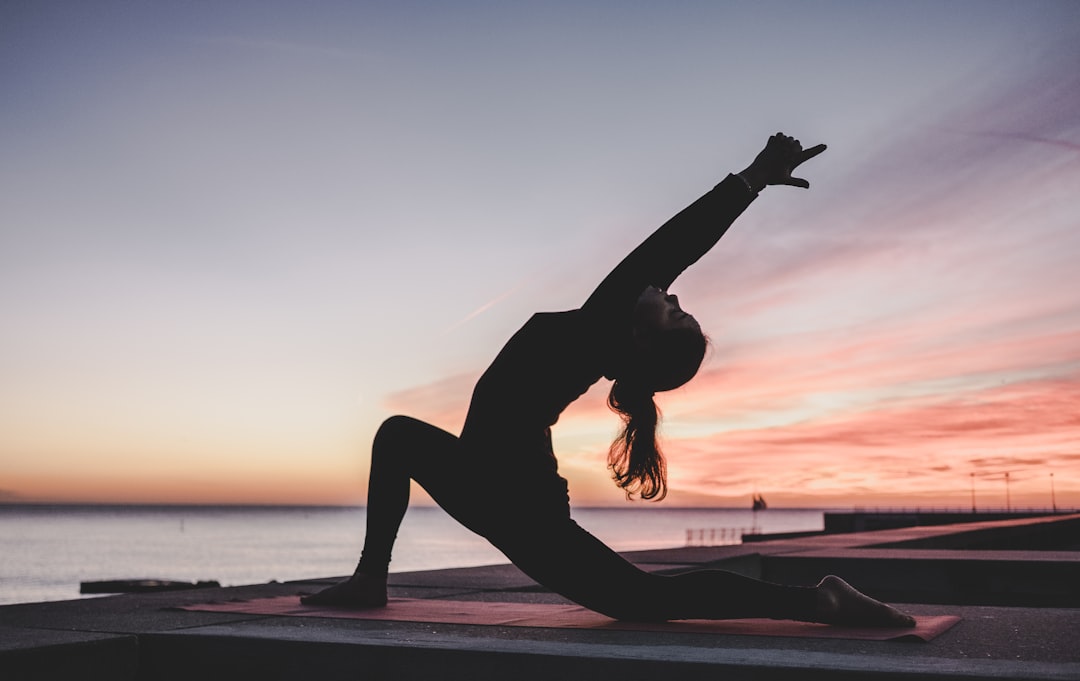
Best Yoga Practices for Stress, Anxiety and Overthinking
You do not need an advanced yoga routine to experience peace. In fact, when the mind is stressed or anxious, gentle practices are often better than intense ones.
Here are some simple practices that can help:
1. Deep Breathing
Sit comfortably, close your eyes and take slow breaths. Inhale deeply and exhale slowly. This simple practice can calm the mind and relax the body.
2. Child’s Pose
This gentle posture helps release tension from the back, shoulders and mind. It creates a feeling of surrender and rest.
3. Cat-Cow Stretch
This movement connects breath with the spine. It is useful for releasing physical stiffness and bringing awareness into the body.
4. Forward Bend
A gentle forward bend can help calm the nervous system and reduce mental heaviness. Do not force the posture. Keep it soft and comfortable.
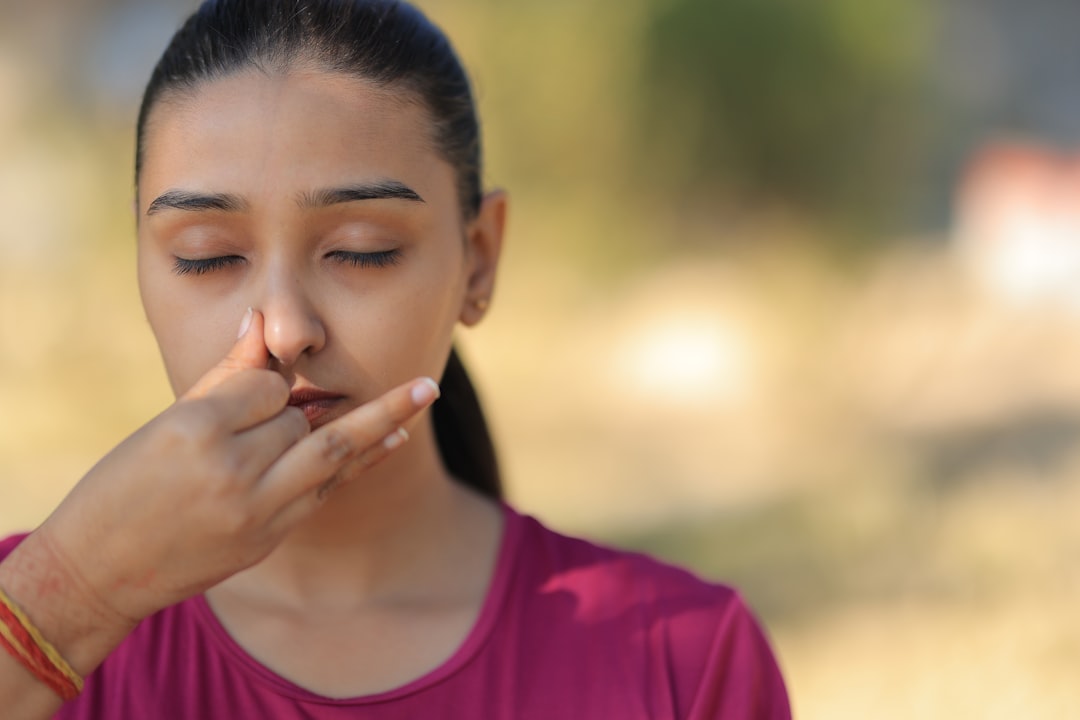
5. Alternate Nostril Breathing
This pranayama practice is often used for balance and calmness. It helps slow the breath and steady the mind.
6. Meditation
Sit quietly and observe your breath. When thoughts come, notice them and return to breathing. This is a simple way to train the mind.
7. Corpse Pose
This final relaxation posture allows the body and mind to absorb the benefits of the practice. It is one of the best yoga practices for relaxation.
These practices can be done at home and do not require much time. Even 10 to 20 minutes daily can become a meaningful self-care routine.
Yoga for Better Sleep and Anxiety
Stress and overthinking often become worse at night. The body is tired, but the mind refuses to stop. This is why many people struggle with sleep.
Yoga for better sleep and anxiety can help prepare the body for rest. Slow breathing, gentle stretching and meditation before bedtime can reduce mental activity and create a peaceful transition into sleep.
Instead of scrolling on your phone or replaying the whole day in your mind, a short yoga routine can become a healthier night ritual. It tells your body that the day is complete and now it is time to rest.
Practices like deep breathing, gentle forward bends and relaxation postures are especially helpful in the evening. The aim is not to energize the body but to calm it.
Why Yoga Is More Than Just Exercise
Many people begin yoga for physical benefits, but they continue because of how it makes them feel mentally and emotionally. Yoga is not just about touching your toes or holding a difficult pose. It is about understanding yourself.
Yoga teaches discipline without pressure. It teaches strength without aggression. It teaches silence without emptiness. It brings the body, breath and mind into harmony.
This is why the importance of yoga in modern life is so high. In a world full of noise, yoga gives us silence. In a world full of speed, yoga gives us stillness. In a world full of stress, yoga gives us balance.
International Yoga Day reminds us that yoga is a gift for all age groups and all lifestyles. Whether you are a student, working professional, parent, senior citizen or spiritual seeker, yoga can support your journey toward a healthier and calmer life.
How to Start Yoga for Stress Relief
If you are new to yoga, start small. Do not create pressure around practice. Yoga should not become another task on your stress list.
Begin with 10 minutes a day. Choose a quiet space. Wear comfortable clothes. Keep your phone away. Start with simple breathing, gentle stretching and a few minutes of meditation.
The key is consistency. A short daily practice is better than a long routine done once in a while. Your mind needs repetition to learn calmness.
Also remember that yoga is not a replacement for medical care. If stress, anxiety or depression feels severe or affects your daily life, it is important to speak to a qualified professional. Yoga can support wellbeing, but it should be practiced with awareness and responsibility.
Yoga helps you deal with stress, anxiety and overthinking by bringing you back to yourself. It slows the breath, relaxes the body, clears mental noise and creates emotional balance. In a world where the mind is constantly busy, yoga offers a peaceful path inward.
The beauty of yoga is that it does not demand perfection. It only asks for presence. You do not need to be flexible, spiritual or experienced to begin. You only need the willingness to pause, breathe and reconnect.
Whether you practice yoga for stress relief, yoga for anxiety, yoga for mental health or yoga for peace of mind, the real purpose remains the same: to live with more awareness, balance and inner calm.
On this International Yoga Day and beyond, let yoga become more than a one-day celebration. Let it become a daily practice for a healthier body, a calmer mind and a more peaceful life.
CTA for Personal Session
If stress, anxiety or overthinking feels too personal to handle alone, book a personal session and receive guided support to understand your inner challenges, find clarity and take the next step toward peace.
Book Now