

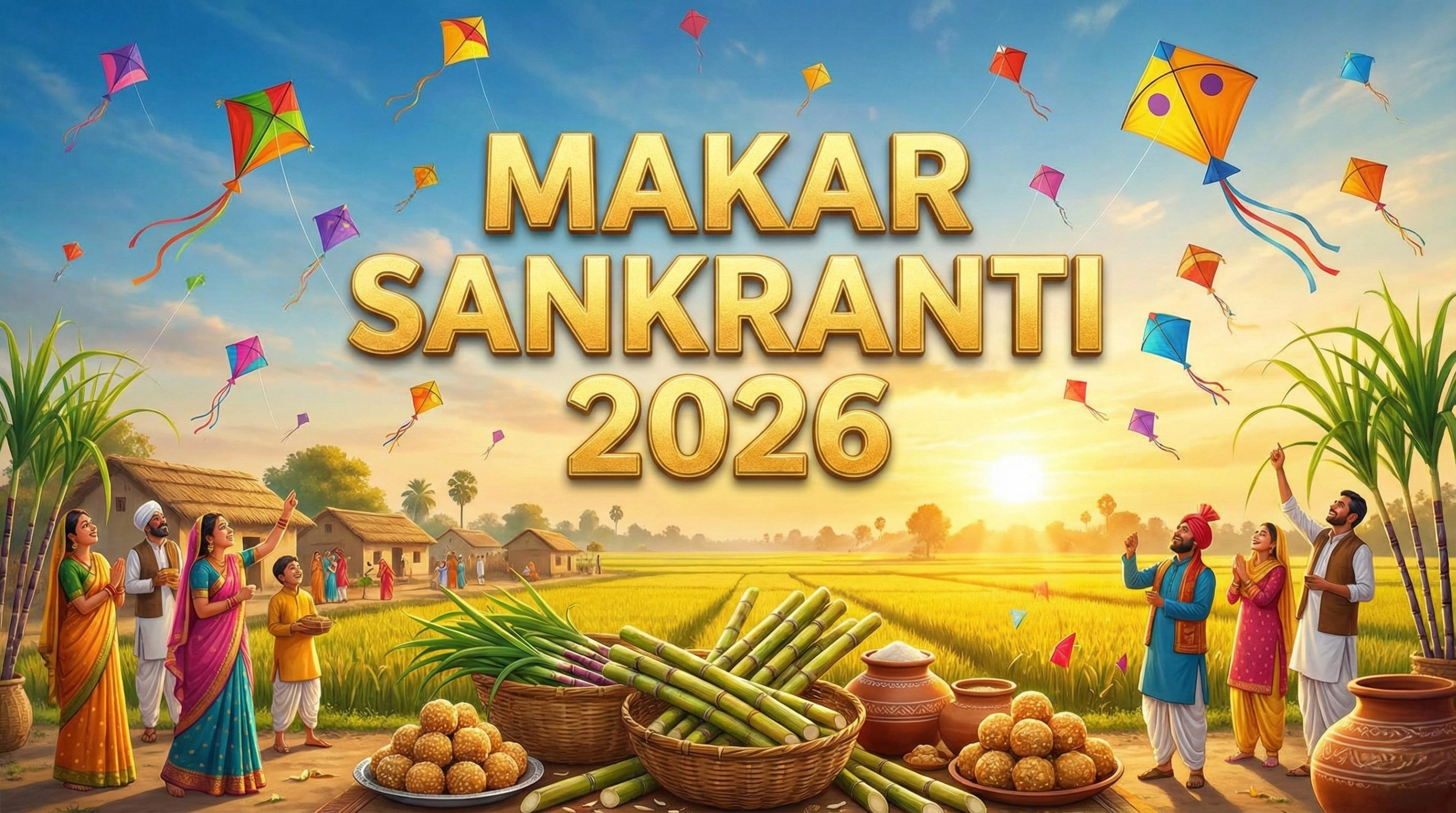
Every year as January approaches, one question creates widespread confusion across India: Is Makar Sankranti on 14 or 15 January? In 2026, this confusion is even more noticeable because different calendars, regional customs, and social media posts mention different dates. If you’re searching for the Makar Sankranti 2026 date, correct puja timing, and the logic behind this annual shift, this complete guide will clear everything up simply, accurately, and without myths.
Let’s understand the exact date of Makar Sankranti 2026, why the date changes, and when the shubh muhurat is considered ideal for rituals, daan, and celebrations.
Makar Sankranti 2026: The Correct Date at a Glance
Makar Sankranti in 2026 will be celebrated on 14 January 2026 (Wednesday).
This date is determined by Surya Sankraman, the moment the Sun transits into Makar Rashi (Capricorn). Unlike most Hindu festivals that follow the lunar calendar, Makar Sankranti follows the solar calendar, which is why its date remains relatively fixed usually on 14 January, and occasionally on 15 January in some years.
Why Is There Confusion Between 14 and 15 January?
The confusion around “Makar Sankranti on 14 or 15 January” arises because of timing differences in the Sun’s transition.
Makar Sankranti is observed on the day when the Sun enters Capricorn. If this transition happens before sunset, the festival is celebrated on the same day. If it occurs after sunset, some Panchangs may assign observance to the next day, causing the 14 vs 15 January debate.
For 2026, the Sun’s transition into Makar Rashi occurs on 14 January, and therefore, 14 January 2026 is the correct date to celebrate Makar Sankranti.
Makar Sankranti 2026 Timing and Shubh Muhurat
The Makar Sankranti 2026 timing is crucial for people who follow strict ritual guidelines.
Key Timings (as per Hindu Panchang)
Surya Sankraman: 14 January 2026
Makar Sankranti Date: 14 January 2026
Punya Kaal (Auspicious Period): Morning to early afternoon
Maha Punya Kaal: First part of Punya Kaal (considered highly auspicious)
During Punya Kaal, activities like snan (holy bath), daan (charity), puja, and Surya arghya are recommended.
Always follow your regional Panchang for exact muhurat minutes, as timings can vary slightly by location.
Makar Sankranti According to Panchang
According to the Hindu calendar, Makar Sankranti marks the beginning of Uttarayan, the Sun’s northward journey. This astronomical shift holds immense spiritual importance and is considered a period of positivity, growth, and renewal.
The Panchang method does not rely on tithi (lunar date) but strictly on solar movement, which is why Makar Sankranti stands apart from festivals like Diwali or Holi.
Why Does the Makar Sankranti Date Change Every Year?
Many people wonder: why does Makar Sankranti date change every year, even though it usually stays around mid-January?
The answer lies in Earth’s axial precession and the difference between the sidereal year and the Gregorian calendar. Over centuries, this causes a slight shift in solar transitions. Historically, Makar Sankranti was observed closer to December, but over time it moved into January and in the future, it may gradually shift again.
How Is the Makar Sankranti Date Decided?
The date of Makar Sankranti is decided by:
The exact time the Sun enters Capricorn (Makar Rashi)
The local sunrise and sunset
Panchang rules regarding day observance
This scientific and astronomical basis is why Makar Sankranti does not follow moon phases.
Makar Sankranti Puja Vidhi and Rituals
The Makar Sankranti puja vidhi is simple but deeply symbolic.
Common Rituals Include:
Early morning snan, preferably in a holy river
Offering Arghya to Surya Dev
Daan of til, jaggery, grains, clothes, and blankets
Lighting a diya facing the Sun
Chanting Surya mantras
The belief is that charity performed on this day yields multiplied spiritual merit.
Makar Sankranti Daan and Snan Timing
Makar Sankranti daan timing is ideally during Punya Kaal, especially after sunrise. Snan time is considered most auspicious in the early morning hours, symbolizing purification and new beginnings.
Regional Celebrations Linked to Makar Sankranti 2026
Although the date remains 14 January 2026, Makar Sankranti is known by different names across India:
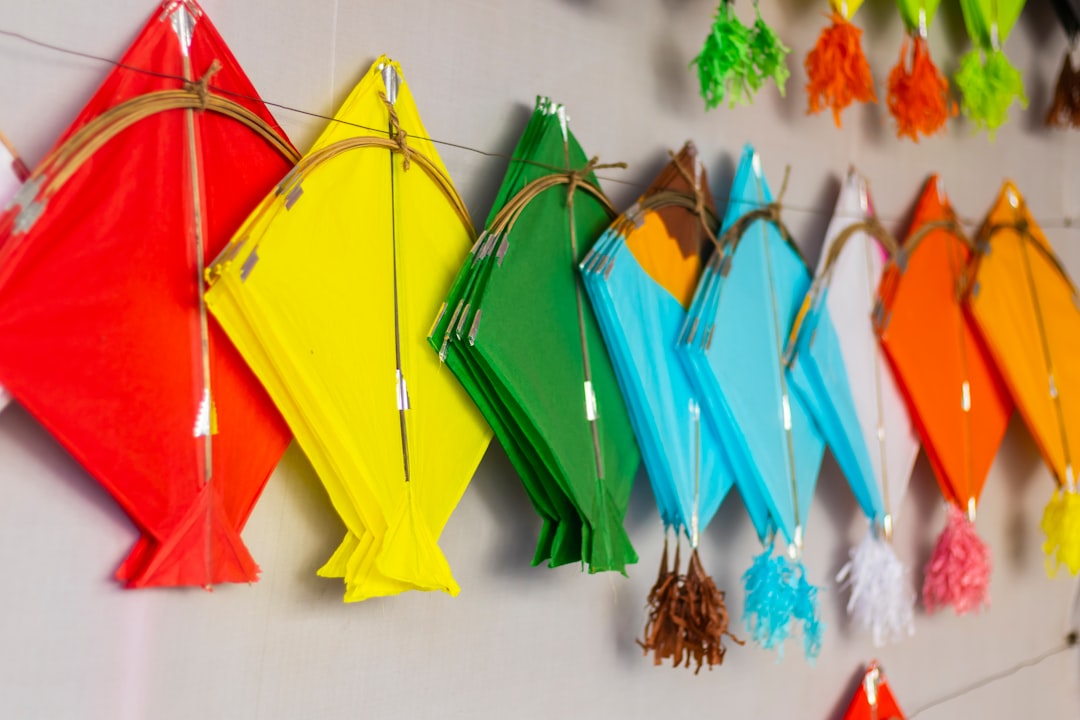
Uttarayan – Gujarat (kite flying festival)
Pongal – Tamil Nadu (harvest festival)
Magh Bihu – Assam
Khichdi Parv – Uttar Pradesh
This diversity adds to the perception of multiple dates, even though the astronomical event is the same.
Pongal and Makar Sankranti 2026
In South India, Pongal coincides with Makar Sankranti. Pongal 2026 begins on 14 January, aligning with the Sun’s transition and harvest celebrations.
Which Day Should You Celebrate Makar Sankranti in 2026?
To put all doubts to rest:
Celebrate Makar Sankranti on 14 January 2026.
This is the date supported by solar transition, Panchang calculations, and mainstream observance across India.
The confusion around Makar Sankranti 2026 date is understandable, but once you understand the solar basis of the festival, everything becomes clear. In 2026, the festival falls on 14 January, with auspicious timings during the morning and early afternoon.
Celebrate the day with awareness, gratitude, and joy whether through rituals, charity, or simply welcoming the Sun’s northward journey.