
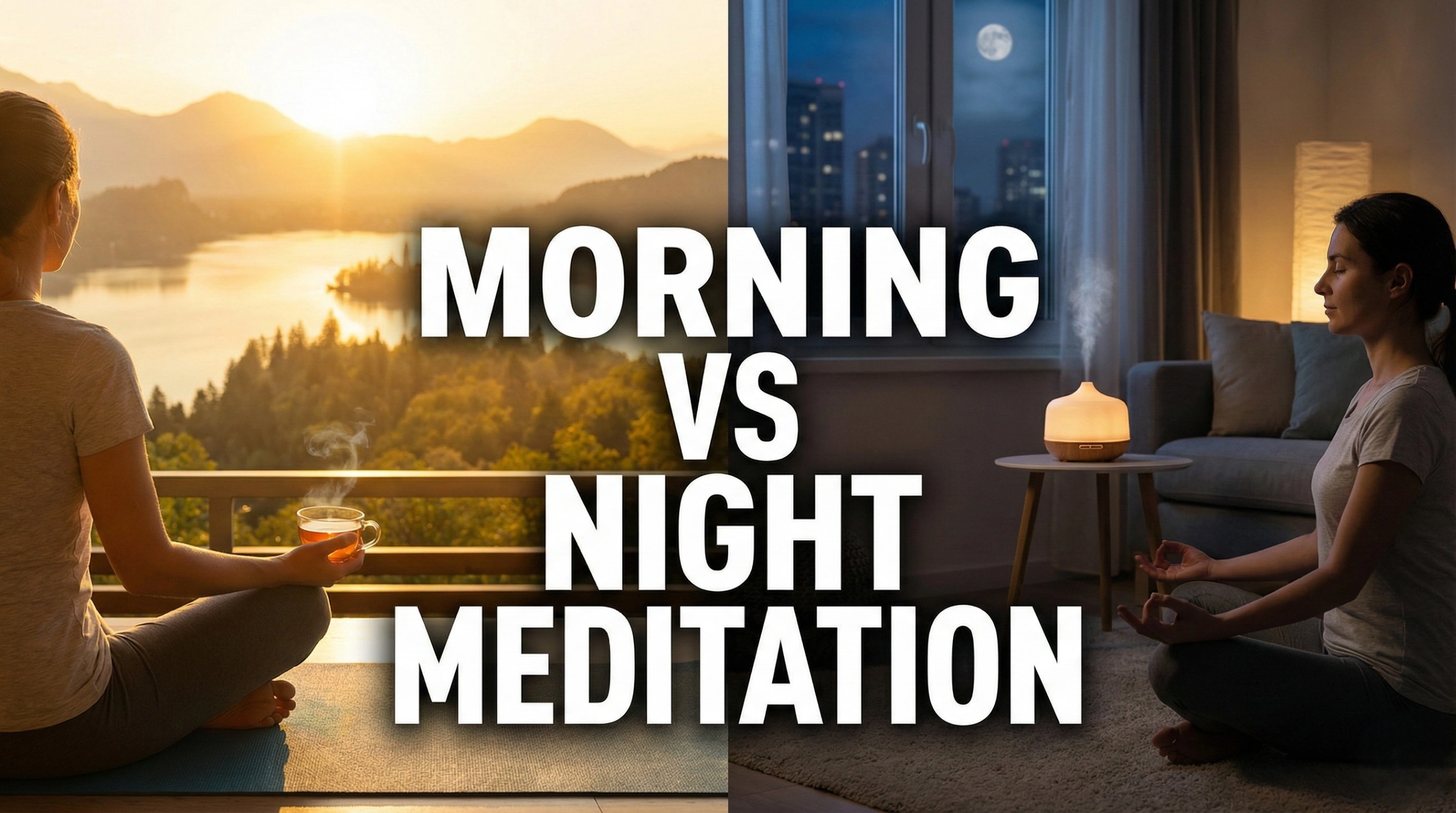
If you’ve ever wondered about morning vs night meditation and felt confused about which one is actually better, you’re not alone. One of the most common questions people ask when starting a practice is when is the best time to meditate. Some swear by the stillness of early mornings, while others feel deeply drawn to meditation before sleep. The truth is, the best time to meditate isn’t universal; it depends on your body, mind, lifestyle, and intention. In this guide, we’ll explore morning meditation vs evening meditation in depth, break down the benefits of both, and help you decide whether meditation morning or night suits you best without rigid rules or guilt.
Understanding Why Timing Matters in Meditation
Meditation isn’t just about technique; it’s also about context. Your energy levels, mental noise, emotional state, and daily responsibilities all influence how meditation feels. That’s why people searching for the best time for meditation often get mixed answers. The nervous system behaves differently in the morning than it does at night. Hormones, circadian rhythm, and mental conditioning all play a role in shaping your experience. When you align meditation with your natural rhythm, the practice feels less forced and more supportive.
Benefits of Morning Meditation
Many teachers recommend morning meditation because the mind is relatively quieter after sleep. The impressions of the day haven’t fully settled yet, making it easier to observe thoughts without getting lost in them. The benefits of morning meditation often include improved clarity, emotional balance, and a calmer start to the day.
One of the biggest morning meditation benefits is intention-setting. When you meditate after waking up, you’re not just calming your mind; you’re shaping how you respond to the world for the rest of the day. A simple morning meditation routine can help you stay centered during stress, improve focus, and reduce impulsive reactions.
For many people, meditation after waking up creates a mental buffer between rest and responsibility. Instead of immediately reaching for your phone, morning mindfulness meditation allows you to anchor yourself before external demands take over. This is especially helpful for those seeking meditation for focus and productivity, students preparing for intense mental work, or professionals juggling multiple priorities.
That said, morning meditation isn’t always easy. If you struggle with grogginess or rushed mornings, sitting quietly may feel like another task rather than nourishment. This doesn’t mean morning meditation is ineffective; it simply means it may not align with your current lifestyle.
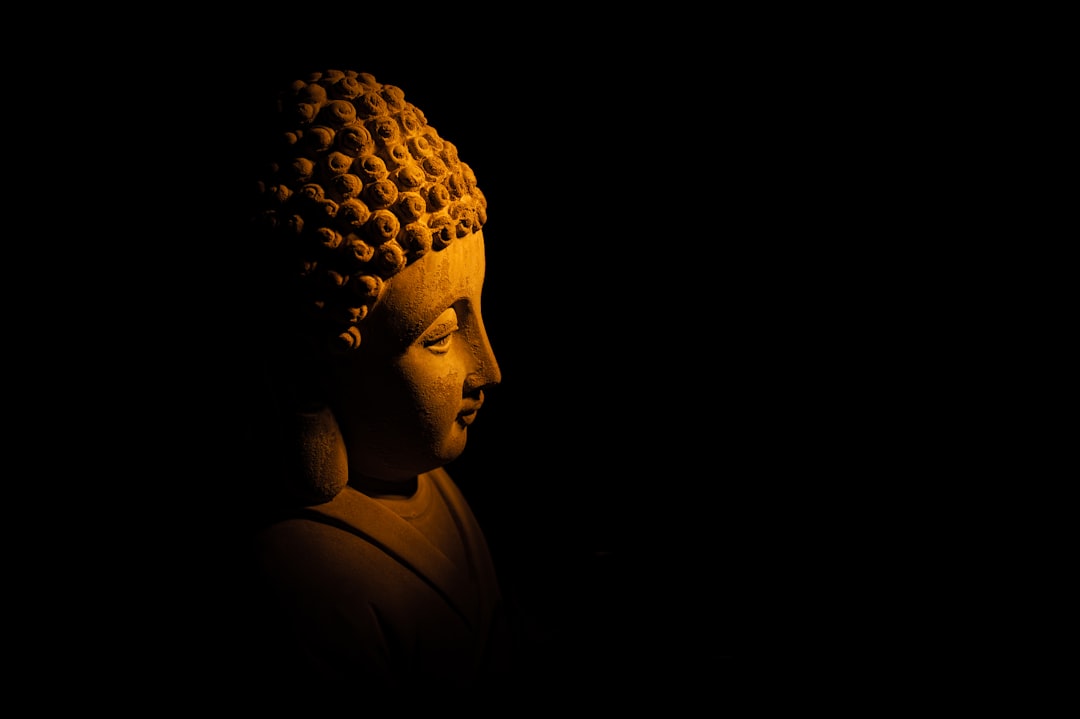
Benefits of Night Meditation
While mornings offer freshness, evenings offer release. The benefits of night meditation are deeply connected to rest, emotional processing, and letting go. After a long day, the nervous system often carries residual tension. Evening meditation benefits include calming the mind, unwinding the body, and creating a gentle transition into sleep.
For those dealing with insomnia or racing thoughts, meditation before sleep can be transformative. Practices focused on breath awareness or body relaxation support the parasympathetic nervous system, making night meditation for sleep particularly effective. This is why many people look for the best time to meditate at night; not to achieve insight, but to soften the mental noise.
Meditation to relax before bed also helps process unresolved emotions from the day. Instead of carrying stress into sleep, nighttime meditation allows you to observe and release it. Over time, this can significantly improve sleep quality, making meditation for better sleep one of the most searched-for benefits.
However, night meditation can sometimes make you more alert, especially if the practice is too stimulating. Techniques that encourage deep inquiry or intense focus may not be ideal before bed. Choosing gentler methods is key to enjoying nighttime meditation benefits without disrupting rest.
Morning vs Night Meditation: Key Differences
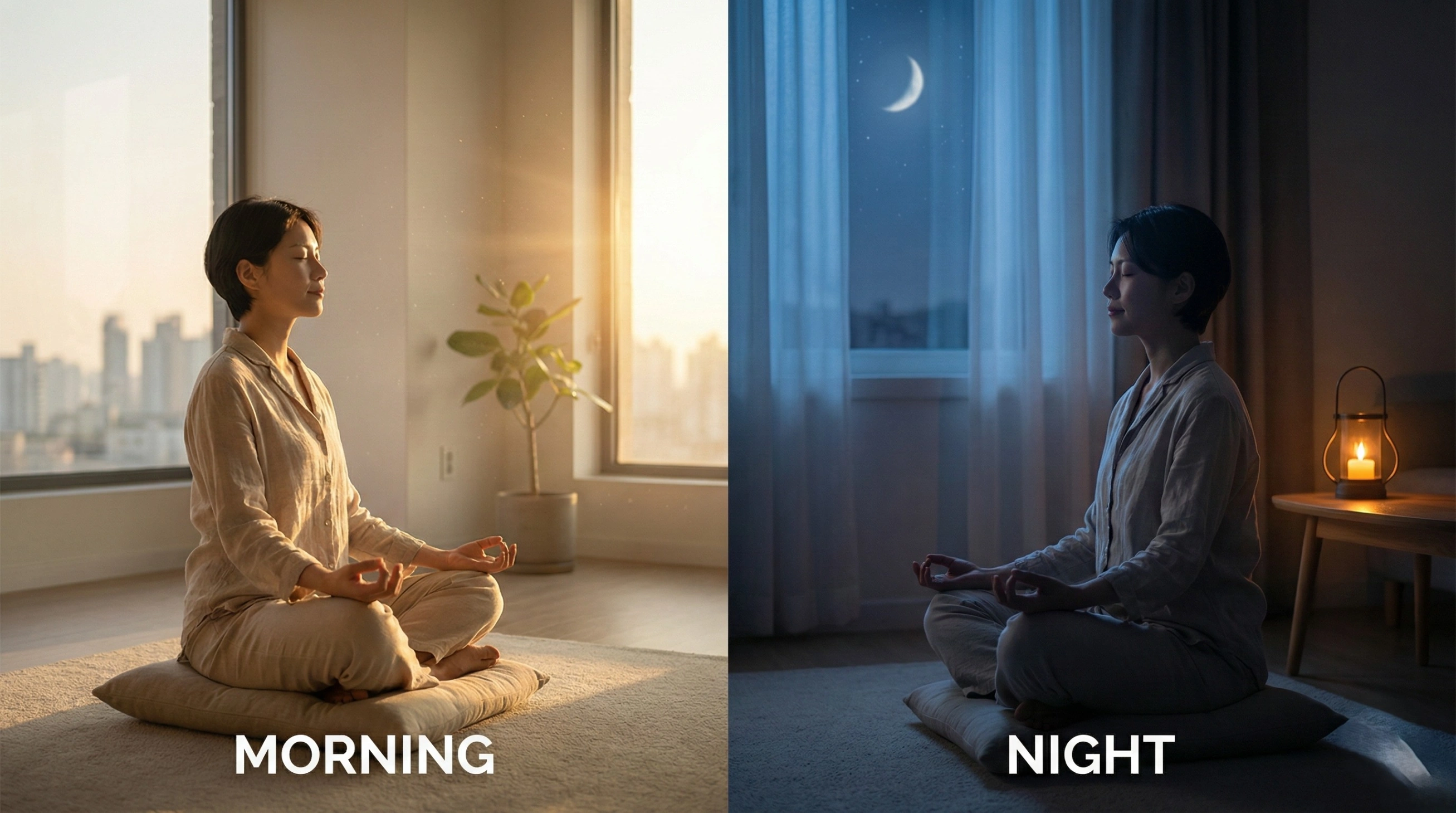
When comparing morning vs night meditation, the difference isn’t about right or wrong; it’s about purpose. Morning meditation is energizing and grounding. It prepares you to engage with life consciously. Night meditation is soothing and reflective. It helps you disengage from the day and return to stillness.
If your intention is discipline, focus, and emotional regulation throughout the day, morning meditation may feel more aligned. If your goal is relaxation, emotional release, and deeper rest, night meditation may serve you better. This is why questions like is morning meditation more effective or can I meditate before sleeping don’t have one-size-fits-all answers.
Which Meditation Time Is Best for Beginners?
For beginners, the most important factor isn’t timing; it’s consistency. If you’re asking which meditation time is best for beginners, the answer is simple: the time you’ll actually stick to. Some beginners find mornings easier because the day hasn’t interfered yet. Others feel intimidated by early wake-ups and prefer evenings when responsibilities are done.
Beginners often benefit from short, gentle sessions. Whether you choose morning or night, start with 5–10 minutes. Over time, your body and mind will naturally guide you toward the rhythm that feels most supportive. The goal isn’t perfection; it’s presence.
Meditation Timing According to Lifestyle
Lifestyle plays a huge role in deciding how to choose the best time to meditate. For students, mornings can help with concentration and memory retention, making best meditation time for students often early in the day. For working professionals, evenings may offer the only quiet window, making best meditation time for working professionals later at night or after work.
Parents, shift workers, and creatives may find unconventional times work best. The key is to release the idea that meditation must look a certain way. Meditation adapts to life; not the other way around.

Can You Meditate Both Morning and Night?
Yes, and many people do. A short morning session for clarity and a gentle night session for relaxation can complement each other beautifully. This approach addresses both productivity and rest, supporting meditation for mental clarity, emotional balance, and long-term well-being.
If time allows, experimenting with both can help you directly experience the difference rather than relying on theory. Over time, you may naturally gravitate toward one or keep both as anchors in your day.
So, is it better to meditate in the morning or at night? The honest answer is: whichever helps you return to yourself more consistently. Meditation isn’t about following rules; it’s about building a relationship with awareness. Whether you meditate to start the day or to close it, what matters most is showing up.
If meditation helps you breathe a little deeper, react a little less, and live a little more consciously, then you’re doing it right; no matter the clock.