
When people begin exploring spirituality, one question often comes up: mukti vs moksha and are they the same, or is there a real difference? More importantly, which one is actually mentioned in the Bhagavad Gita?
This confusion is more common than you think. Many use these terms interchangeably without understanding their deeper meaning. But when you look closely at the teachings of the Gita, a subtle yet powerful distinction begins to emerge.
Let’s break it down in a simple, clear, and practical way.
What Does the Bhagavad Gita Say About Liberation?
The Bhagavad Gita primarily talks about liberation from the cycle of birth and death—a state where the soul (atma) is free from worldly attachments, ego, and karma.
This liberation is referred to as Moksha, not Mukti.
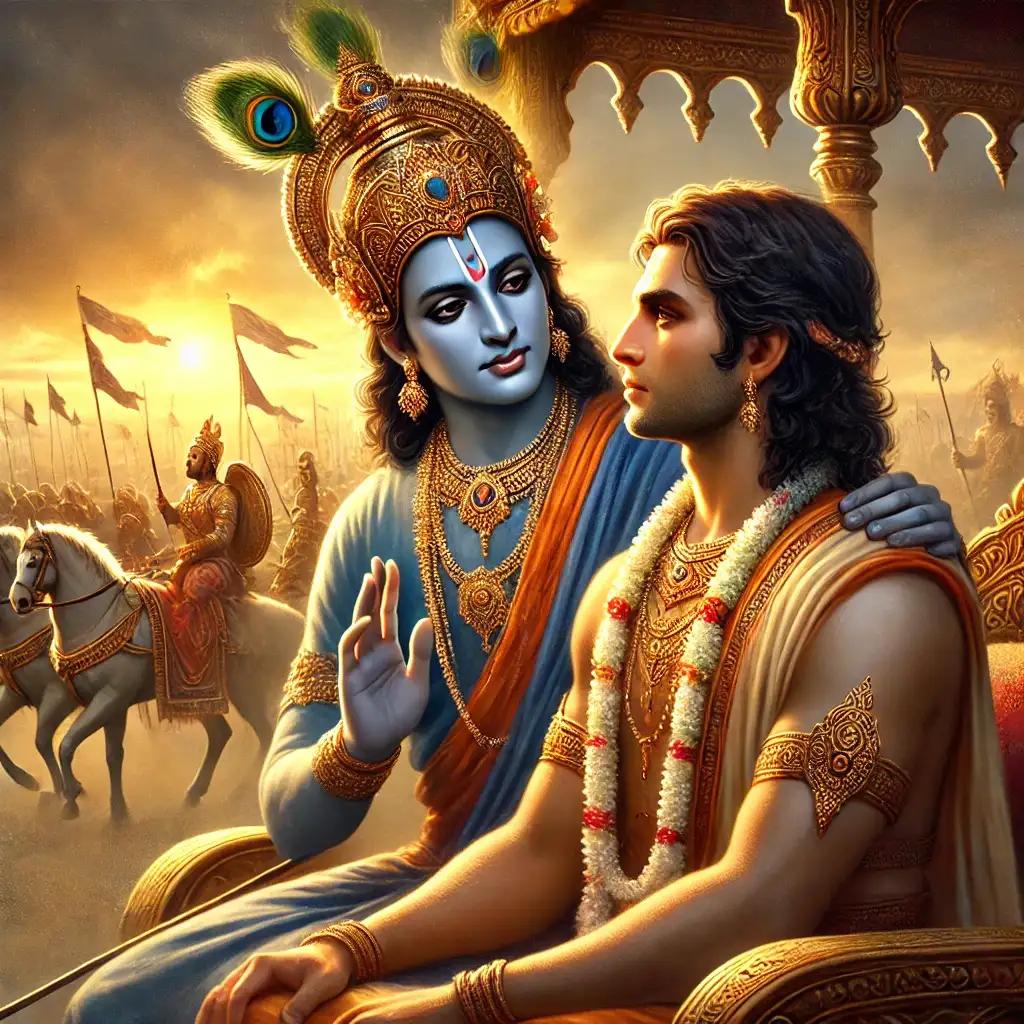
Krishna repeatedly emphasizes:
Freedom from karma (actions and their results)
Freedom from attachment
Realization of the true self (Atma)
Union with the Supreme consciousness
This is the essence of moksha in the Bhagavad Gita.
Personal Session with Sakshi Shree
Sometimes, one-on-one guidance changes everything. If you are seeking clarity on your spiritual path, your patterns, or your purpose
Book NowIs Mukti Mentioned in the Bhagavad Gita?
Here’s the key clarity:
The word “Mukti” is not directly emphasized in the Bhagavad Gita the way Moksha is.
However, Mukti as a concept exists in broader Hindu philosophy and is often used interchangeably with Moksha in modern language.
But traditionally:
Mukti = freedom or release (can be temporary or situational)
Moksha = ultimate, final liberation (permanent freedom from rebirth)
This is why the Gita focuses more on Moksha as the final goal.
Mukti vs Moksha: The Real Difference
Let’s simplify this:
Mukti → Freedom from something (pain, suffering, attachment)
Moksha → Freedom from everything (cycle of life and death itself)
Think of it like this:
Mukti is relief
Moksha is ultimate freedom
Or even better:
Mukti is a state you experience
Moksha is a state you become
Why Does the Bhagavad Gita Focus on Moksha?
The Gita is not just about temporary relief from suffering. It goes deeper.
Krishna’s teachings aim at:
Ending the cycle of repeated birth and death (samsara)
Dissolving the ego
Realizing your true nature beyond the body and mind
This is why moksha in Hinduism meaning becomes central in the Gita.
Because anything less than Moksha is still within the cycle.
Paths to Moksha in the Bhagavad Gita
The Gita doesn’t just explain Moksha—it gives clear paths to attain it:
1. Karma Yoga (Path of Action)
Act without attachment to results.
Do your duty, but don’t let outcomes define you.
“You have the right to perform your duty, but not to the fruits of your actions.”
2. Bhakti Yoga (Path of Devotion)
Surrender to the Divine with love and trust.
Pure devotion dissolves ego, bringing you closer to liberation.
3. Jnana Yoga (Path of Knowledge)
Understand the truth of existence.
Realize: You are not the body, not the mind but you are pure consciousness.
All three paths ultimately lead to moksha, not just temporary mukti.
What Does Moksha Feel Like in Real Life?
This is where most people get stuck.
They think Moksha is something mystical or only for monks.
But the Gita subtly points to something deeper:
Moksha begins within your daily life.
Signs you are moving toward Moksha:
You are less affected by external situations
You don’t react impulsively
Your happiness is not dependent on outcomes
You experience inner stillness
This is inner freedom vs external freedom.
Can You Achieve Moksha in Daily Life?
Yes and this is one of the most powerful teachings of the Gita.
You don’t need to:
Leave your job
Renounce the world
Escape responsibilities
Krishna teaches detachment, not withdrawal.
You can live fully and still move toward Moksha by:
Acting consciously
Observing your mind
Letting go of attachment
Staying rooted in awareness
Why Most People Stay Stuck Between Mukti and Moksha
Many people experience temporary relief (mukti):
Meditation calms them
Spiritual practices give peace
But they don’t reach Moksha because:
Ego still exists
Attachments remain
Identity is still tied to outcomes
This is why:
Spiritual knowledge alone doesn’t lead to moksha
Transformation requires awareness, not just information.
The Deeper Truth: Mukti vs Moksha Is About Awareness
At the deepest level, the difference is not just philosophical, it’s experiential.
Mukti happens when you escape suffering
Moksha happens when you understand suffering completely
And when understanding is complete, suffering loses its grip.
That is true liberation.
The Bhagavad Gita doesn’t confuse you with too many terms. It points clearly toward one goal: Moksha.
Not temporary peace.
Not momentary relief.
But complete, irreversible freedom.
And the path?
It’s not somewhere outside.
It begins with awareness… right where you are.
Design Your Destiny
If you feel stuck between understanding and real transformation, it’s time to go deeper. Design Your Destiny is not just knowledge—it’s a step-by-step inner shift toward awareness, clarity, and freedom.
Start Your Journey