
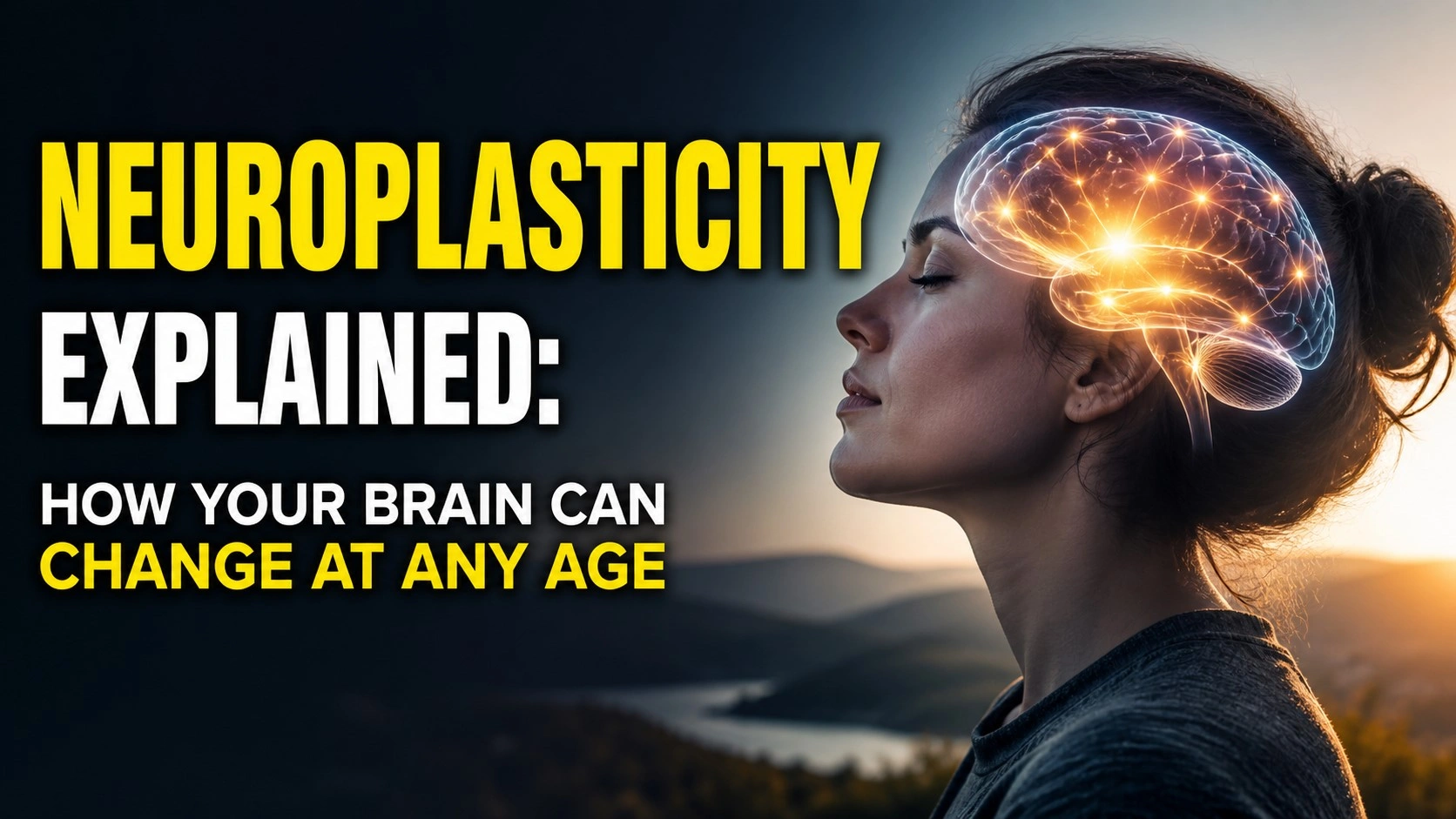
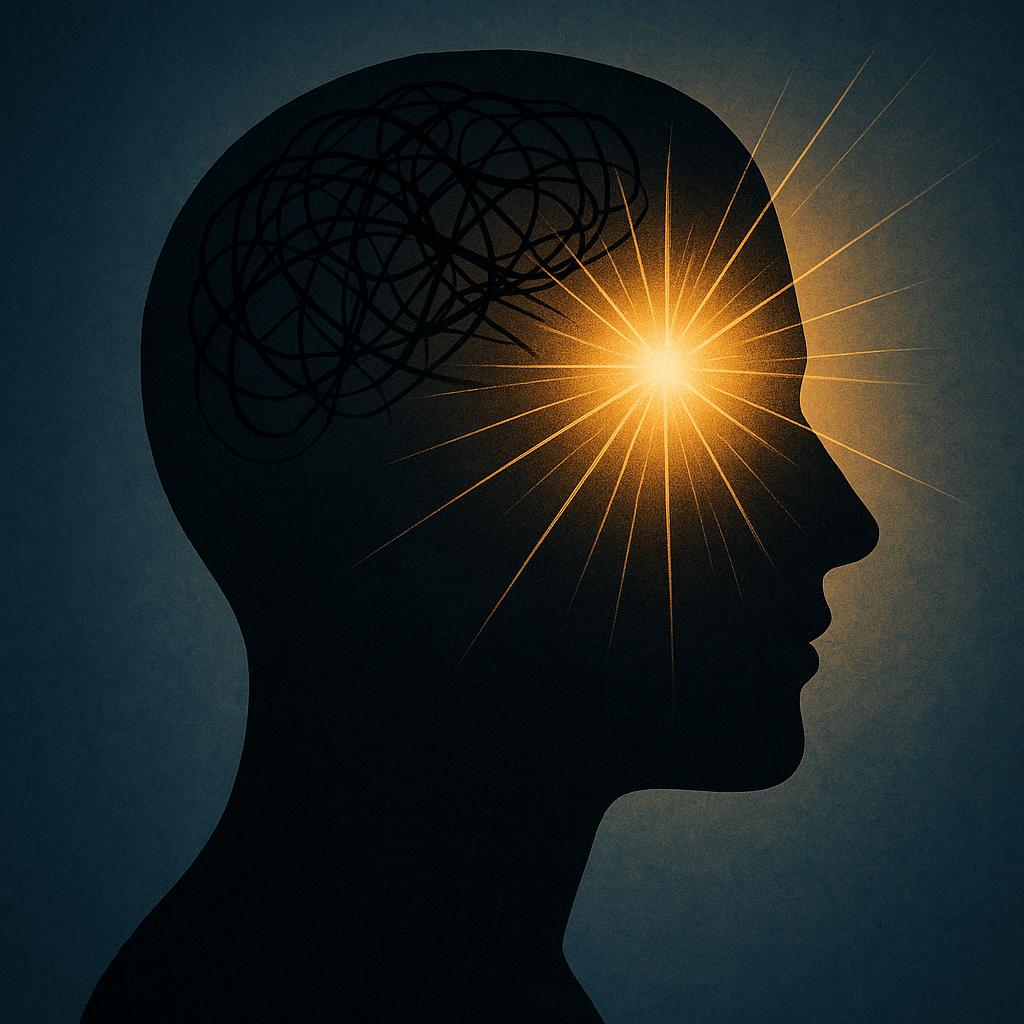
In recent years, the concept of Neuroplasticity has gained massive attention and for a powerful reason. It proves something life-changing: your brain is not fixed. It can change, adapt, and rewire itself at any age.
If you’ve ever felt stuck in bad habits, overthinking, or negative thought patterns, understanding neuroplasticity can completely transform how you approach change. This blog will break down what neuroplasticity really means, how brain rewiring works, and how you can use it to upgrade your life.
What is Neuroplasticity?
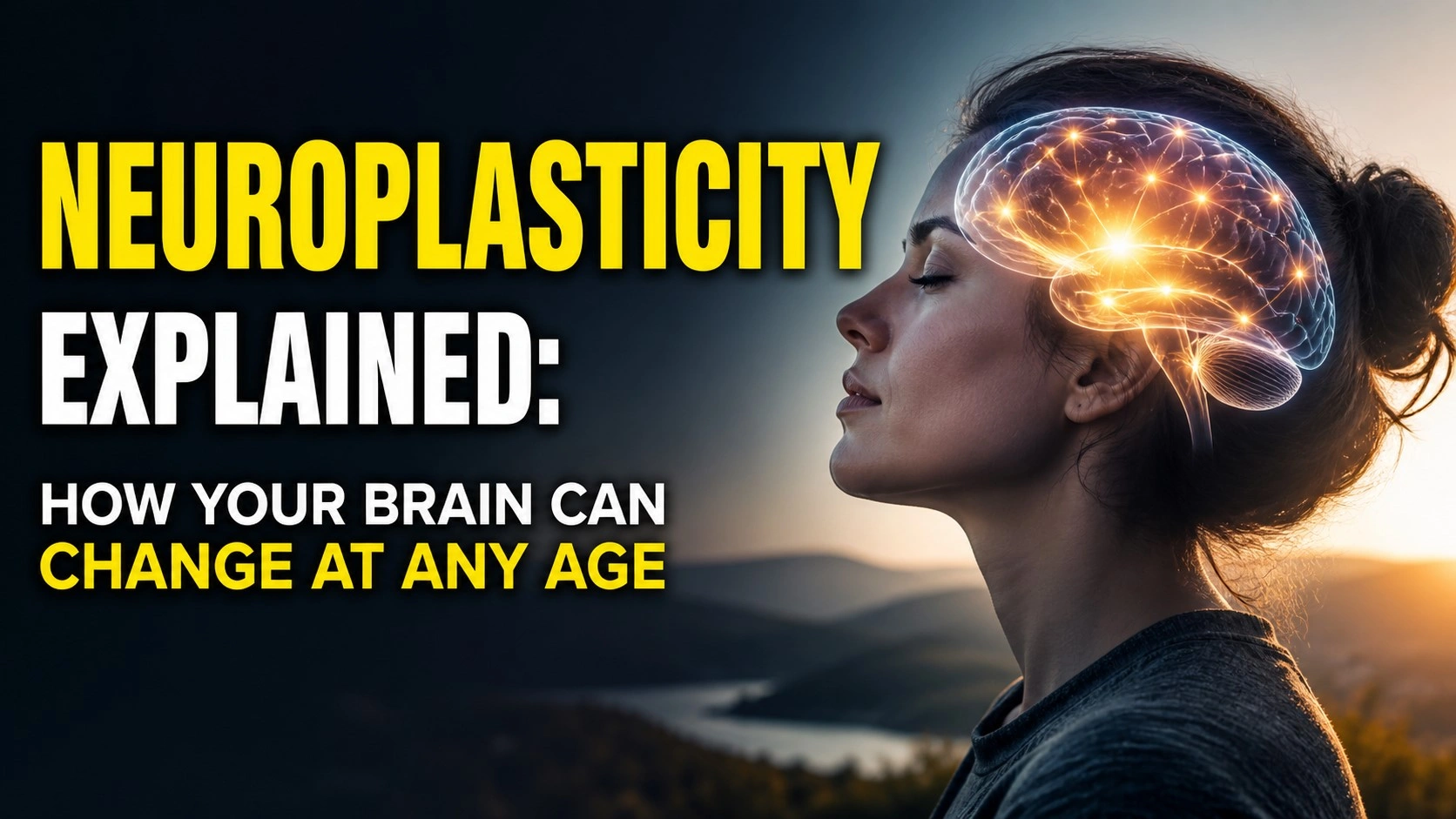
At its core, neuroplasticity meaning refers to the brain’s ability to reorganize itself by forming new neural pathways. Every time you learn something new, think differently, or repeat an action, your brain creates or strengthens connections.
This is why:
Habits form
Skills improve
Thoughts become patterns
Your brain is constantly adapting whether you realize it or not.
Design Your Destiny
If you’re ready to take control of your mind and create the life you truly want, Design Your Destiny is your next step. Learn powerful techniques to reprogram your thoughts, break limiting patterns, and align your life with your highest potential.
Start your transformation today.How Brain Rewiring Actually Works
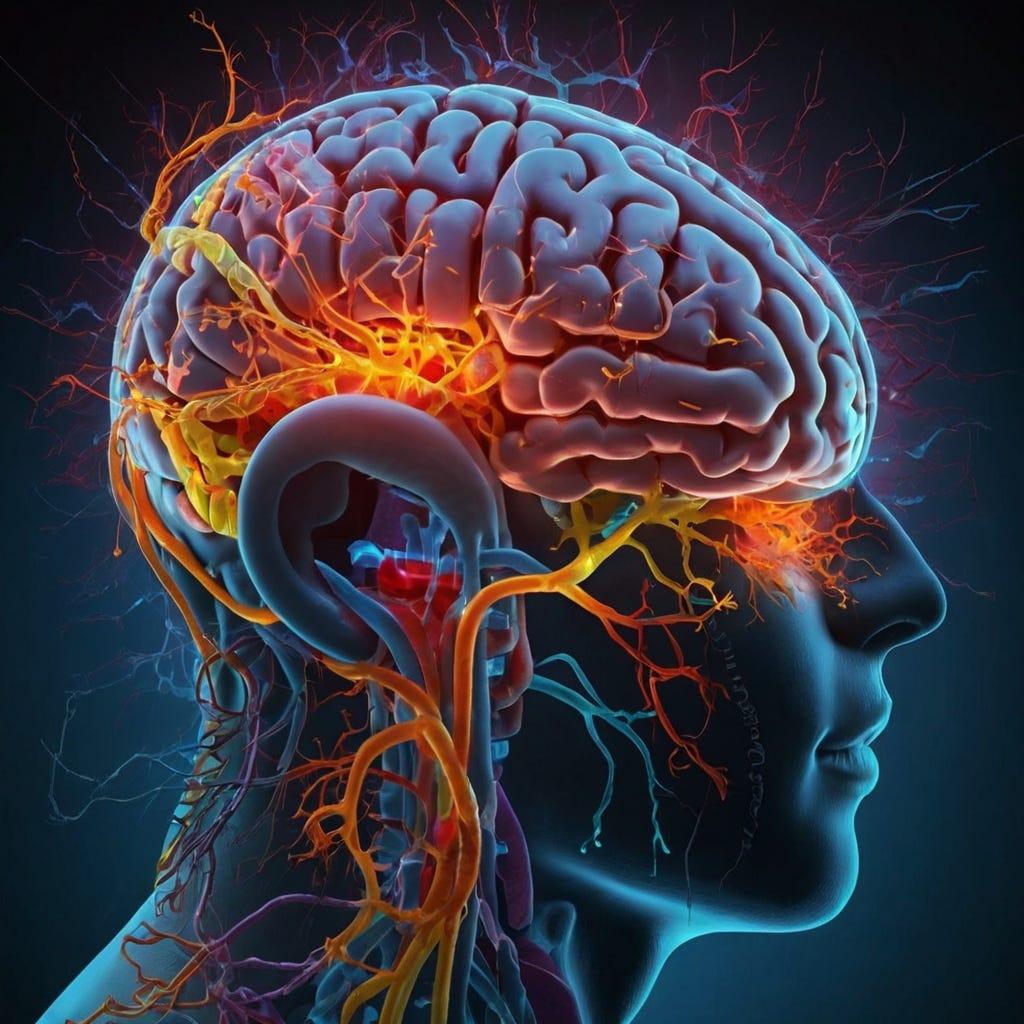
Think of your brain like a network of roads. The more you travel a path, the stronger it becomes.
Repeated thoughts → stronger neural pathways
Repeated actions → automatic habits
Repeated emotions → personality patterns
This is why habit formation in the brain is so powerful.
If you constantly:
Overthink → brain gets wired for anxiety
Scroll endlessly → brain craves dopamine hits
Think positively → brain builds resilience
This is the science behind how to rewire your brain.
Can Your Brain Change at Any Age?
One of the most searched questions is:
“Can brain change at any age?”
The answer is yes.
Research shows that even in adulthood:
New brain connections form
Old patterns can weaken
Learning remains possible
While younger brains adapt faster, brain development in adults is very real. It just requires more conscious effort.
Why You Feel Stuck (And It’s Not Your Fault)
Many people struggle with:
Phone addiction
Overthinking
Lack of focus
Negative thinking patterns
This isn’t laziness, it’s conditioning.
Your brain has simply built strong neural pathways around these behaviors.
For example:
Social media addiction → dopamine loop
Anxiety → repeated thought cycles
Bad habits → automatic triggers
The good news? Neuroplasticity allows you to break these patterns.
How to Rewire Your Brain (Step-by-Step)
1. Awareness Comes First
You cannot change what you don’t notice.
Start observing:
What triggers your habits?
What thoughts repeat daily?
When do you feel most reactive?
This awareness weakens automatic behavior.
2. Replace, Don’t Remove
A major mistake people make is trying to “stop” habits.
Instead:
Replace scrolling → reading or journaling
Replace negative thoughts → reframing
Replace overthinking → action
Your brain needs new pathways, not empty space.
3. Repetition is Everything
Neuroplasticity works through repetition.
Practice daily
Stay consistent
Accept slow progress
The more you repeat a new behavior, the stronger it becomes.
4. Use Emotional Intensity
Your brain rewires faster when emotions are involved.
Visualize success deeply
Feel the change
Connect emotionally with your goal
This accelerates brain rewiring techniques.
5. Train Your Focus
In today’s world, focus is broken due to constant stimulation.
Try:
Digital detox
Meditation
Single-tasking
This helps rebuild cognitive flexibility and control.
Neuroplasticity and Meditation
One of the most powerful tools for brain rewiring is meditation.
Why?
Because it:
Calms the mind
Reduces overthinking
Strengthens awareness
Builds new neural pathways
This is why meditation and brain rewiring go hand in hand.
Even 10–15 minutes daily can:
Improve focus
Reduce anxiety
Reprogram your subconscious mind
Modern Problems: Dopamine & Digital Addiction
Today’s biggest challenge isn’t lack of knowledge, it’s overstimulation.
Social media addiction affects brain reward systems
Constant scrolling weakens focus
Instant gratification kills discipline
This creates:
Low attention span
Mental fatigue
Reduced motivation
Practices like dopamine detox brain reset help restore balance.

Can Neuroplasticity Break Bad Habits?
Yes and this is where it becomes life-changing.
Can neuroplasticity reverse bad habits?
Absolutely.
Here’s how:
Stop feeding old patterns
Build new routines
Stay consistent
Over time:
Old neural pathways weaken
New habits become automatic
This is the science behind how to break bad habits using neuroplasticity.
How Thoughts Become Your Reality
Your thoughts are not just temporary, they shape your brain.
Repeated thinking leads to:
Strong neural pathways
Emotional conditioning
Behavioral patterns
This is why:
Negative thinking creates anxiety
Positive thinking builds resilience
Learning how to change thinking patterns permanently is one of the most powerful uses of neuroplasticity.
Spiritual Perspective: Mind Reprogramming
Ancient wisdom has always emphasized mind control.
Concepts like:
Sankalp (intention)
Awareness
Detachment
Are deeply connected to modern ideas like:
Subconscious mind change
Thought reprogramming
Inner transformation
When you combine science with spirituality, real transformation begins.
How Long Does It Take to Rewire Your Brain?
This is one of the most common questions.
How long does it take to rewire your brain?
There’s no fixed timeline, but:
Small changes: a few weeks
Strong habits: a few months
Deep patterns: longer
Consistency matters more than speed.
Practical Neuroplasticity Exercises
Here are simple daily practices:
Journaling your thoughts
Practicing gratitude
Meditation
Learning a new skill
Reducing screen time
Positive affirmations
Visualization
These improve:
Brain connections
Learning and memory
Behavior change psychology
Your brain is not your limitation, it’s your biggest opportunity.
With neuroplasticity, you can:
Break bad habits
Rewire your thinking
Improve mental health
Create a new version of yourself
The real question is not:
“Can your brain change?”
It’s:
“Are you ready to change it?”
Personal Session with Sakshi Shree
If you feel stuck, overwhelmed, or lost, sometimes you need personalized guidance. Book a one-on-one personal session with Sakshi Shree to: Gain clarity in life Break mental blocks Find inner peace Your transformation begins with one conversation.
Book Now