
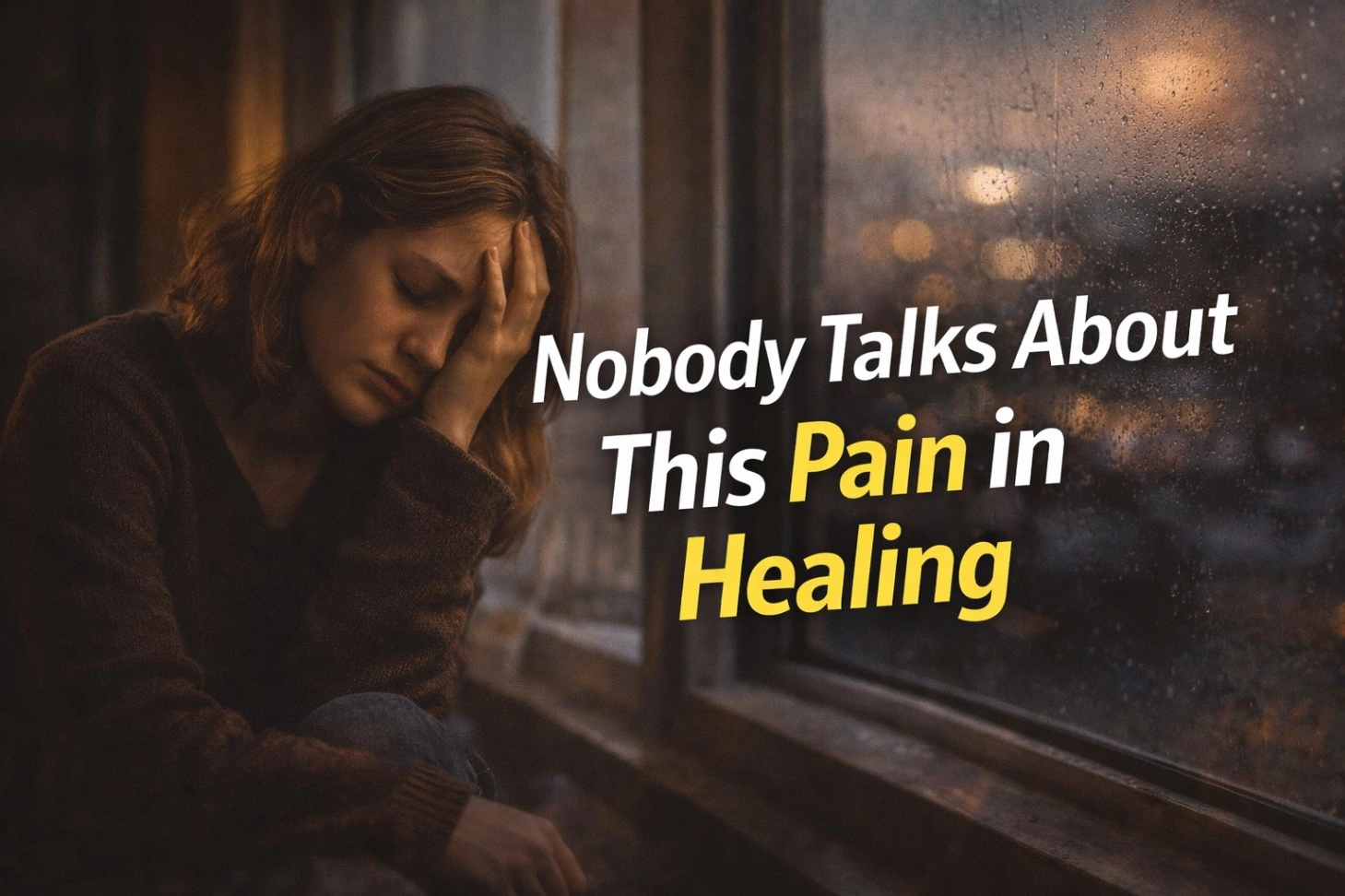
If you’re on a healing journey, you’ve probably been told that healing brings peace, clarity, and happiness. And while that’s true eventually, there’s a part of the process that nobody really prepares you for the pain in healing.
Emotional healing is often romanticized as something calm and uplifting. But in reality, the healing process can feel heavy, confusing, and even overwhelming. If you’ve ever thought, “Why do I feel worse while healing?” you’re not alone.
This blog is here to tell you something honest:
Healing is not just light, it’s also uncomfortable, raw, and deeply transformative.
Why Does Healing Hurt So Much?
One of the most searched questions is: why does healing hurt so much?
The answer lies in what healing actually means.
Healing isn’t about adding something new, it’s about facing what’s already within you. That includes unresolved emotions, past experiences, and subconscious patterns you may have avoided for years.
When you begin inner healing, you start:
Revisiting old memories
Processing suppressed emotions
Letting go of familiar (but unhealthy) patterns
This is why the mental healing process can feel intense. You’re not breaking, you’re becoming aware.
Personal Session
Feeling overwhelmed in your healing process? Book a personal session to gain personalized guidance, emotional clarity, and support on your journey toward inner transformation.
Book Now!The Truth: Healing Is Not Linear
One of the biggest misconceptions in toxic healing culture is the idea that healing is a straight path.
But the truth is: healing is not linear.
Some days you feel strong, clear, and aligned. Other days, you feel lost, emotional, and drained.
This doesn’t mean you’re failing, it means you’re human.
The healing journey emotional pain stages often look like:
Awareness
Emotional release
Confusion
Growth
Integration
And sometimes, you revisit these stages again and again. That’s normal.
What to Expect During Emotional Healing
If you’re wondering “what to expect during emotional healing?”, here are some real experiences people go through:
Sudden emotional waves
Feeling triggered by small things
Wanting to isolate or reflect
Questioning your past choices
Experiencing deep emotional release
These are not signs that something is wrong. They are signs that your emotional pain healing is in progress.
In fact, many people experience trauma healing symptoms like fatigue, mood swings, or increased sensitivity. This is your system adjusting to a new level of awareness.

Is It Normal to Feel Worse While Healing?
Yes. And this is something nobody talks about enough.
It is completely normal to feel worse before you feel better.
When people ask, “is it normal for healing to feel worse?”, the answer is simple:
Yes, because you are finally allowing yourself to feel what you once suppressed.
This phase often feels like:
Emotional overwhelm
Confusion
Temporary loss of direction
But underneath all of this, something powerful is happening, you are reconnecting with yourself.
Shadow Work: The Dark Side of Healing
A big part of healing involves shadow work healing facing the parts of yourself you’ve avoided.
The shadow work dark side includes:
Insecurities
Fear
Guilt
Anger
Old emotional wounds
This is where shadow work emotional pain comes in. It’s not easy to sit with these emotions. But avoiding them only keeps you stuck.
Shadow work is not about fixing yourself. It’s about understanding yourself.
Why Toxic Positivity Slows Healing
Modern self-help often pushes the idea of “just stay positive.” But this creates toxic healing culture.
When you force positivity, you:
Suppress real emotions
Avoid deep healing
Disconnect from your truth
True emotional healing requires honesty, not perfection.
It’s okay to feel sad, angry, or lost. These emotions are not obstacles, they are part of the process.
Signs You Are Healing Emotionally
Even when it feels painful, there are signs that your self healing journey is working:
You are more self aware
You recognize emotional patterns
You respond instead of reacting
You allow yourself to feel
You seek growth instead of avoidance
These signs you are healing emotionally may not always feel positive, but they show progress.
How to Deal with Pain During Healing
If you’re in the middle of this process, here’s how to deal with pain during healing:
1. Allow Emotional Release
Crying, journaling, or expressing emotions supports emotional release.
2. Practice Mindfulness
Stay present with your feelings. Mindfulness reduces overwhelm.
3. Build Emotional Awareness
Understanding your emotions creates mental clarity.
4. Be Patient with Yourself
Healing takes time. Avoid rushing your personal growth.
5. Accept the Process
Resistance creates more pain. Acceptance creates space.
Spiritual Healing Pain: A Deeper Perspective
From a spiritual lens, spiritual healing pain is not punishment, it’s transformation.
As your awareness grows, your old identity starts to dissolve. This can feel uncomfortable because you’re stepping into something unknown.
This is where subconscious healing happens. Old beliefs and patterns surface so they can be released.
You’re not losing yourself, you’re rediscovering who you truly are.
Emotional Healing Is About Awareness, Not Perfection
One of the most important things to understand is this:
Healing is not about becoming perfect. It’s about becoming aware.
Through emotional awareness and inner work, you begin to:
Understand your patterns
Accept your emotions
Respond consciously
This is what true conscious living looks like.

The Truth Nobody Talks About
Here’s the truth:
Healing is uncomfortable because it requires honesty.
Healing is painful because it involves letting go.
Healing is slow because it happens layer by layer.
But despite all of this, healing is worth it.
Because on the other side of this discomfort is:
Peace
Clarity
Authentic self-awareness
Design Your Destiny
Ready to move beyond confusion and truly understand your healing journey? Join “Design Your Destiny” and learn how to navigate emotional healing with clarity, awareness, and purpose.
Start Your Journey Today!Frequently Asked Questions
Why does healing hurt so much?
Healing hurts because it involves facing suppressed emotions, past experiences, and subconscious patterns. Instead of avoiding pain, healing brings it to the surface so it can be processed and released. This emotional discomfort is a natural part of growth and leads to deeper self-awareness, clarity, and long-term inner peace.Is healing supposed to be painful?
Yes, healing can feel painful because it involves processing unresolved emotions.Why do I feel worse while healing?
You’re becoming aware of suppressed feelings, which can temporarily feel overwhelming.What are trauma healing symptoms?
They can include emotional sensitivity, fatigue, and mood shifts.What is shadow work in healing?
It’s the process of facing hidden or suppressed parts of yourself.How long does emotional healing take?
It varies for everyone—healing is not linear and happens in stages.