
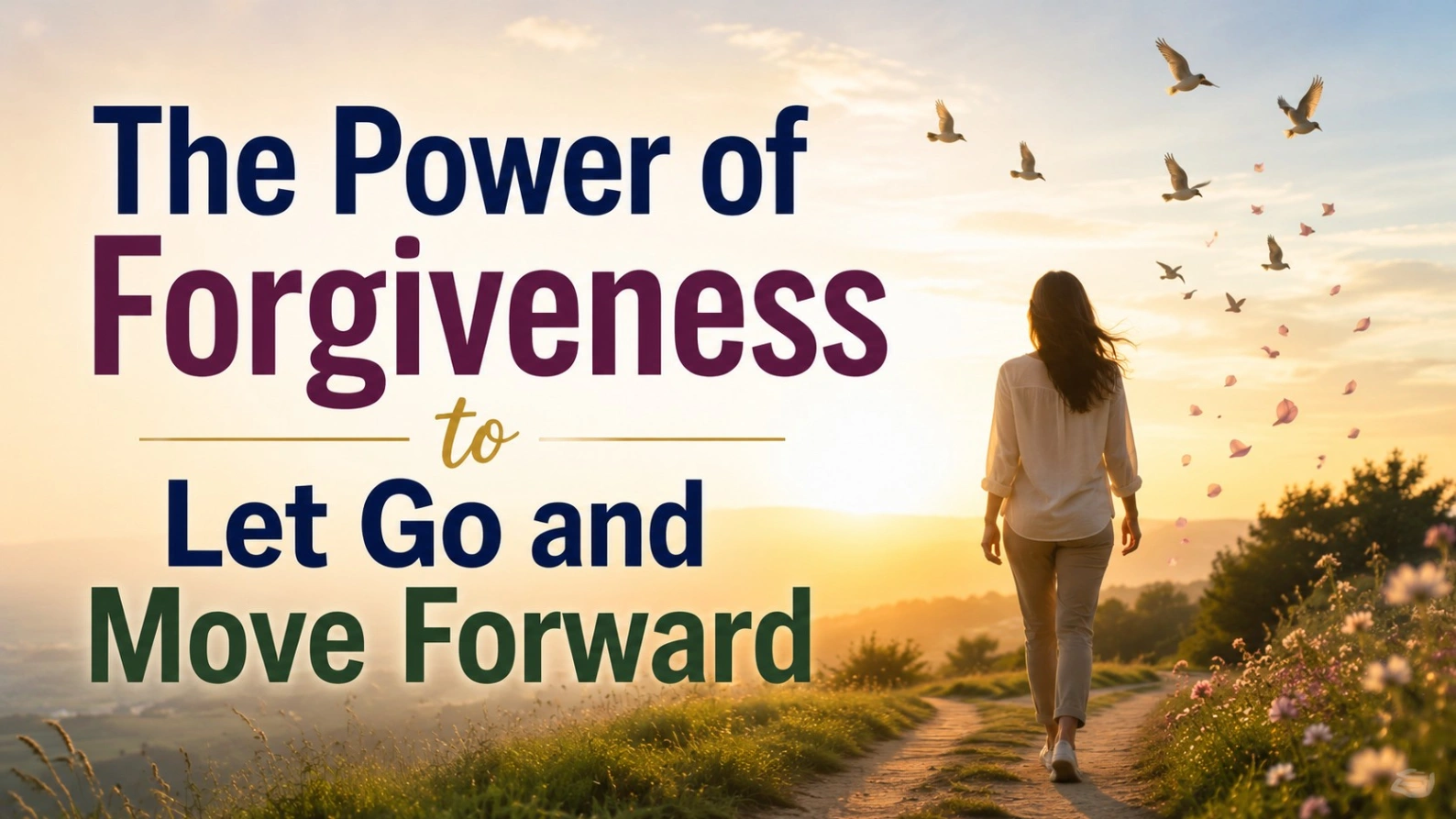
The power of forgiveness is not about pretending that pain never happened. It is about refusing to let that pain control the rest of your life. When someone hurts you, the mind can return to the same memory again and again. You may replay conversations, imagine what you should have said or wait for an apology that never comes.
Learning how to forgive and move on helps you loosen the emotional hold of the past. It allows you to protect your peace, regain your strength and create space for a better future. Forgiveness does not erase what happened. It changes how much power the experience continues to have over you.
What Forgiveness Really Means
Forgiveness means consciously releasing the need to keep reliving an injury. It is the decision to stop allowing anger, guilt or resentment to remain at the centre of your emotional life.
Many people struggle with how to forgive someone because they believe forgiveness means saying that the behaviour was acceptable. It does not. You can clearly recognise that someone acted wrongly while choosing not to carry the pain forever.
Forgiveness also does not automatically restore trust. Trust must be rebuilt through honesty, responsibility and consistent actions. You can forgive someone and still set boundaries. You can let go and still decide not to reconnect.
True forgiveness is not weakness. It takes courage to face your pain honestly, learn from it and choose peace instead of remaining emotionally tied to the person or situation that hurt you.
CTA for Design Your Destiny
Your past may have shaped your journey, but it does not have to control your future. Join Design Your Destiny to discover practical spiritual tools that help you release emotional burdens, strengthen self-awareness and create a more peaceful, purposeful life. Begin your journey toward healing and inner freedom today.
Start Your JourneyWhy Letting Go Can Feel So Difficult
Letting go is difficult because pain often becomes connected to our sense of justice and self-protection. The mind may believe that holding on proves that what happened mattered. Anger can also create a temporary feeling of control when we once felt powerless.
Learning how to let go of the past does not mean forgetting it. It means changing your relationship with the memory. You may still remember what happened, but the memory no longer creates the same emotional storm. It becomes part of your story rather than the force directing your life.
Forgiveness and Reconciliation Are Different
Forgiveness is an inner process. Reconciliation is a shared process.
Reconciliation requires both people to communicate honestly, accept responsibility and rebuild trust. Forgiveness can happen even when the other person refuses to apologise or change.
You may forgive someone without speaking to them again. You may release resentment while maintaining distance. In situations involving repeated harm, manipulation or abuse, protecting yourself remains essential. Forgiveness should never pressure you to return to an unsafe relationship.
Understanding this difference makes forgiveness and letting go easier. You are not required to rebuild every relationship. You are choosing to free your own heart while making wise decisions about who has access to your life.
How Forgiveness Helps You Heal
Unresolved hurt consumes emotional energy. Even when the person who hurt you is no longer present, thoughts about the experience may continue occupying your mind.
Forgiveness creates space for something new. When you begin releasing resentment, you can focus more fully on the present. You can work toward your goals without constantly returning to an old wound. You can enter new relationships without expecting everyone to repeat the same betrayal.
This is why forgiveness is closely connected with emotional healing, inner peace and emotional freedom. It allows you to stop fighting an event that cannot be changed and start choosing what you want to create now.
How to Forgive Someone Who Hurt You
If you are wondering Can Science Explain Spiritual Experiences?, begin by giving yourself permission to feel what you feel. Genuine forgiveness cannot grow from suppressed emotions.

Acknowledge Your Pain
Name what happened and how it affected you. Avoid minimising your experience simply because someone else had good intentions or because others have faced greater difficulties.
Accept That the Past Cannot Be Changed
Acceptance does not mean approval. It means recognising that no amount of replaying the event can create a different past.
When you stop demanding that yesterday become different, you can begin using your energy to shape today. Acceptance and letting go create the foundation for moving forward.
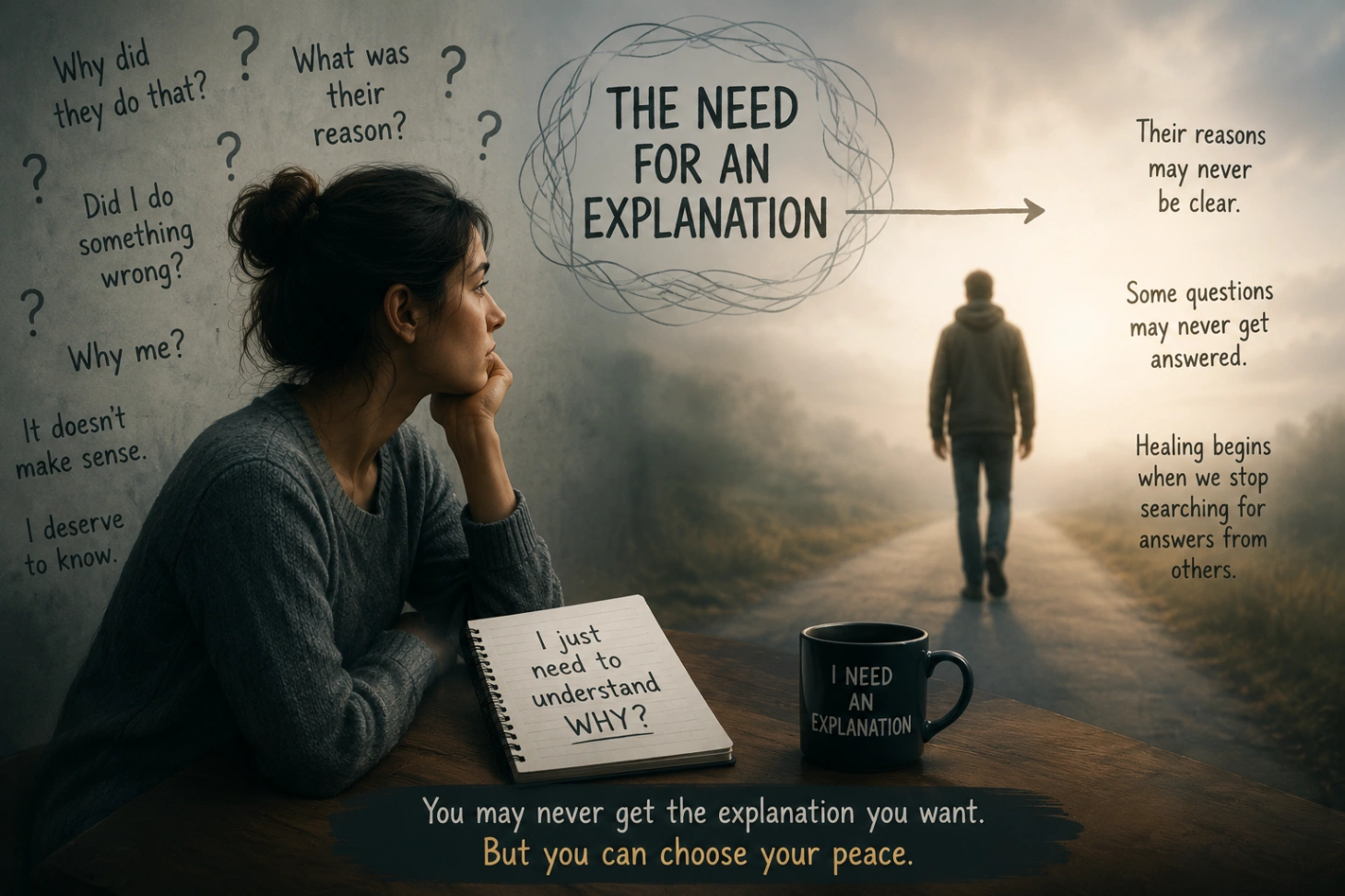
Release the Need for an Explanation
You may never fully understand why someone hurt you.
Sometimes forgiveness requires letting go of the need for a satisfying answer. Your healing does not have to depend on another person finally saying the right words.
Choose Boundaries That Protect Your Peace
Forgiveness without boundaries can lead to repeated pain. Consider what needs to change for you to feel respected and emotionally safe.
You may need an honest conversation, limited contact or complete distance. Healthy boundaries allow you to release resentment without abandoning your self-respect.
Practice Letting Go Repeatedly
Forgiveness is often a practice rather than a one-time decision. When the memory returns, gently remind yourself: “I cannot change what happened, but I can choose what I carry forward.”
How to Let Go of Anger and Resentment
To understand how to let go of anger and resentment, begin by noticing how often you mentally revisit the situation. Each replay can strengthen the emotional pattern.
When you catch yourself repeating the story, pause and return your attention to the present. Notice your breathing, your surroundings and what you need in that moment. This is not avoidance. It is choosing not to give the past unlimited access to your attention.
Ask yourself, “What would become possible if I stopped carrying this?” Your answer may reveal the life waiting beyond resentment.

How to Forgive Yourself and Move Forward
Self-forgiveness can be more difficult than forgiving another person. You may regret a decision, feel guilty about hurting someone or judge yourself for not knowing better at the time.
Learning how to forgive yourself and move forward begins with accepting responsibility without turning it into lifelong punishment. Ask what the experience has taught you. Make amends when appropriate. Change the behaviour that caused harm. Then allow yourself to grow beyond the mistake.
You are not only the worst thing you have done. Growth becomes possible when guilt leads to accountability and wisdom rather than shame and self-hatred.
Speak to yourself as you would speak to someone you genuinely wanted to help. Honest self-compassion does not avoid responsibility. It gives you the strength to make better choices.
Spiritual Ways to Forgive and Find Inner Peace
From a spiritual perspective, forgiveness means releasing the inner burden created by resentment. It helps you recognise that peace cannot depend entirely on other people behaving as you wish.
Meditation can support this process. Sit quietly, breathe slowly and observe the feelings connected to the situation without judging them. You do not need to force positive emotions. Simply notice what is present and allow it to soften naturally.
Another helpful practice is wishing for freedom rather than closeness. You may silently say, “May I be free from this pain, and may this person grow beyond the actions that caused harm.” This intention supports release without requiring reconciliation.
Moving Forward Without Rushing Your Healing
There is no universal timeline for forgiveness. Pressure to “forgive and forget” can make people feel guilty for still hurting. Genuine forgiveness cannot be rushed.
Moving forward means taking small steps toward a life that is no longer organised around the injury. It may involve returning to activities you enjoy, rebuilding confidence, connecting with supportive people or setting new goals.

Choose Peace Without Denying the Past
The power of forgiveness lies in your ability to choose peace without denying what happened. Forgiveness allows you to honour your pain, learn from it and release the burden of carrying it everywhere.
You may not be able to control whether someone apologises, changes or understands your experience. But you can decide that their actions will not determine the quality of your inner life forever.
To forgive, let go and move forward is not to erase the past. It is to stop allowing the past to erase your present. With honesty, patience, healthy boundaries and self-compassion, you can create space for healing, peace and a new beginning.
CTA for Personal Session
Are you finding it difficult to let go of past pain, forgive someone or move forward with clarity? Book a personal session for compassionate, personalised guidance that can help you understand your emotions, release inner blocks and take meaningful steps toward peace, healing and a new beginning.
Book Now