
Understanding Silence Beyond Noise
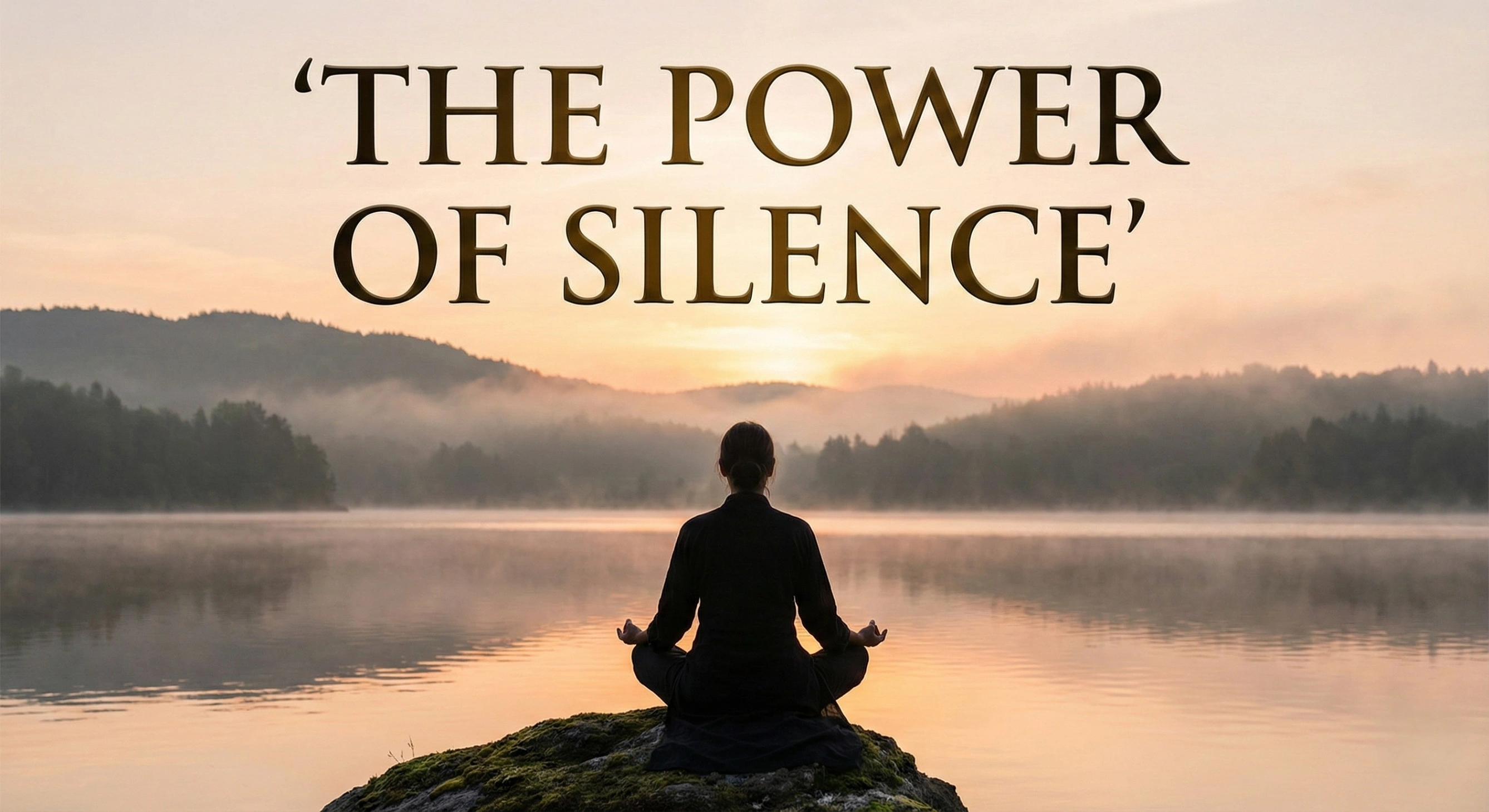
Silence is often mistaken for emptiness or inactivity. In truth, it is a mental reset, allowing your brain to shift from constant external input to internal regulation. Modern life rarely allows true silence—not due to external sounds, but because our minds never stop processing thoughts, memories, comparisons, and digital input. Silence interrupts this mental loop effortlessly.
It doesn’t require discipline; it only requires permission.
Why Meditation Doesn’t Work for Many People
Meditation is often promoted as a solution to stress, yet many feel frustrated or fail when trying it. The reason? Meditation is marketed as a technique instead of a state of awareness.
Most approach meditation with a productivity mindset:
Achieve results
Improve performance
Solve problems
Control outcomes
The mind resists control. When meditation becomes a task to optimize, it backfires.
Psychological Challenges:
The mind feels unsafe in silence
Suppressed emotions surface
Mental chatter increases
Silence softens this confrontation naturally.
Common Misunderstandings About Meditation
Meditation is concentration → It is awareness
Meditation removes thoughts → It reveals thought patterns
Meditation creates calm → It exposes mental reality
Meditation is passive → It is deeply observant
Silence clears these misconceptions by removing instructions. Without effort, the mind stops performing and begins revealing itself.
What Meditation Is Not
Meditation is not:
Escapism from emotions
A shortcut to happiness
A replacement for emotional processing
A spiritual performance
A personality upgrade
Meditation is simply awareness without interference. Silence naturally supports this by reducing cognitive overload.
Meditation Myths vs Facts
Myth: Meditation should feel peaceful
Fact: Early practice can feel chaotic as awareness risesMyth: A quiet mind is success
Fact: Relationship with thoughts matters more than their absenceMyth: Meditation fixes mental health
Fact: Meditation supports mental health but doesn’t replace therapyMyth: Longer meditation is better
Fact: Consistency matters more than duration
Silence dissolves these myths by removing performance pressure.
Silence vs Meditation: A Functional Comparison
Silence | Meditation |
|---|---|
No technique | Structured practice |
No effort | Requires awareness |
No expectations | Often expectation-driven |
Beginner-friendly | Can feel intimidating |
Natural | Learned |
Silence is not anti-meditation; it is pre-meditation.
Silence for Mental Health
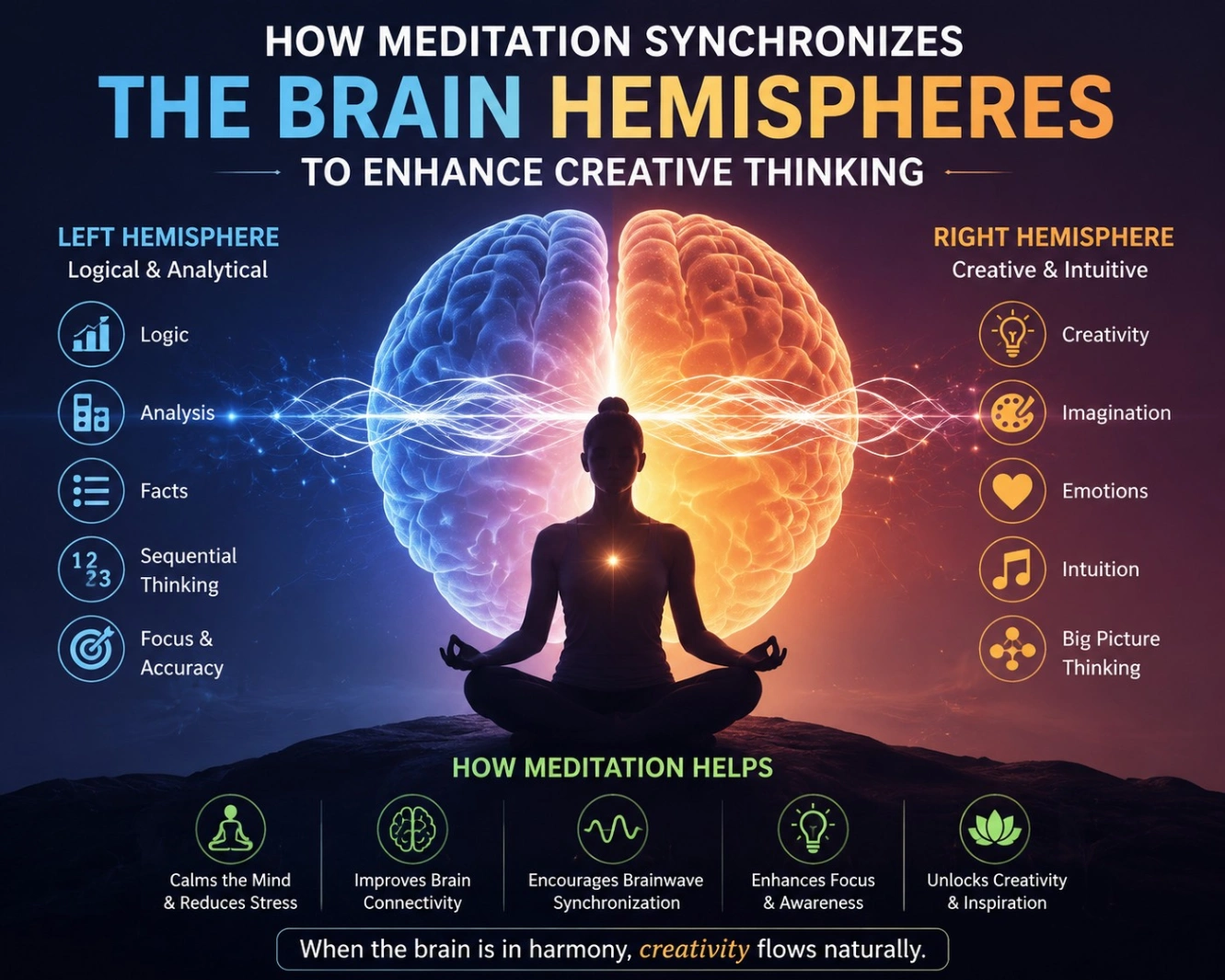
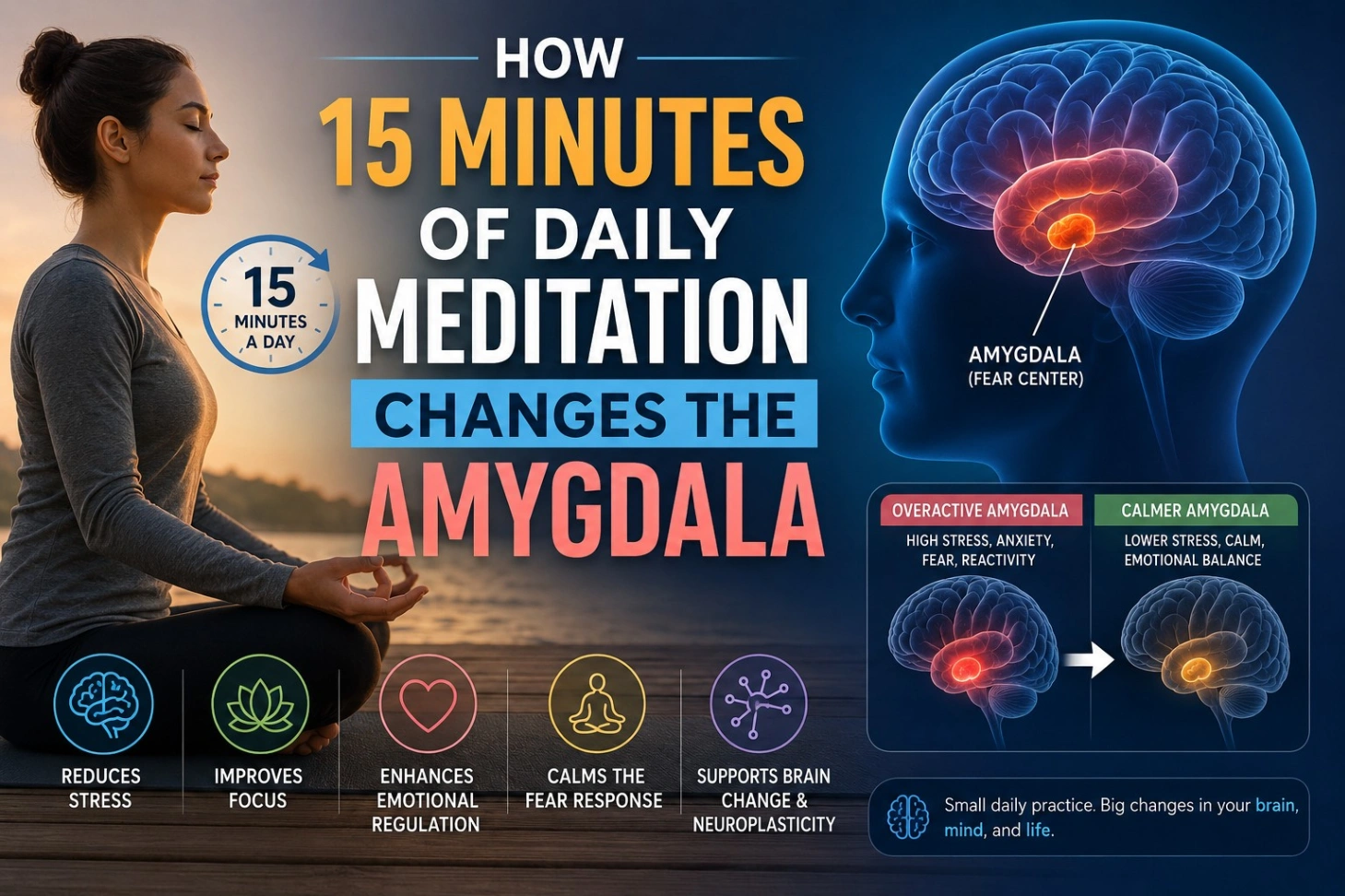
Silence provides neurological regulation:
Activates the parasympathetic nervous system
Reduces cortisol
Improves emotional regulation
Enhances clarity
Supports trauma processing
Silence for Stress Relief
Stress thrives on urgency and mental noise. In silence:
Breathing deepens naturally
Heart rate stabilizes
Muscles relax
Mental urgency slows
Stress doesn’t vanish; it loses dominance.
Silence for Inner Peace
Inner peace is emotional stability, not numbness. Silence allows emotions to flow without resistance, preventing accumulation and burnout. Peace is uncovered, not created.
Silence for Self-Awareness & Personal Growth
Without silence, reactions replace reflection. Habits run unconsciously, and emotions dominate behavior. Silence creates mental distance, allowing observation, insight, and growth. It reveals limiting beliefs, emotional patterns, and internal conflicts. Awareness precedes change.
Silence as New Year Self-Care
Traditional self-care focuses on addition; new routines, habits, and goals. Silence focuses on subtraction:
Less noise
Less pressure
Less reaction
This makes it sustainable and accessible.
Practical Daily Practices:
5 minutes of silence after waking
Silent walking
Screen-free pauses
Silent meals
Evening reflection in quiet
Silence becomes powerful through repetition, not intensity.
Silence is not a destination but a foundation. If meditation has felt confusing or ineffective, silence offers a grounded alternative. It removes myths, expectations, and performance pressure while naturally supporting mental health.
This New Year, give yourself less to do and more space to simply be.