
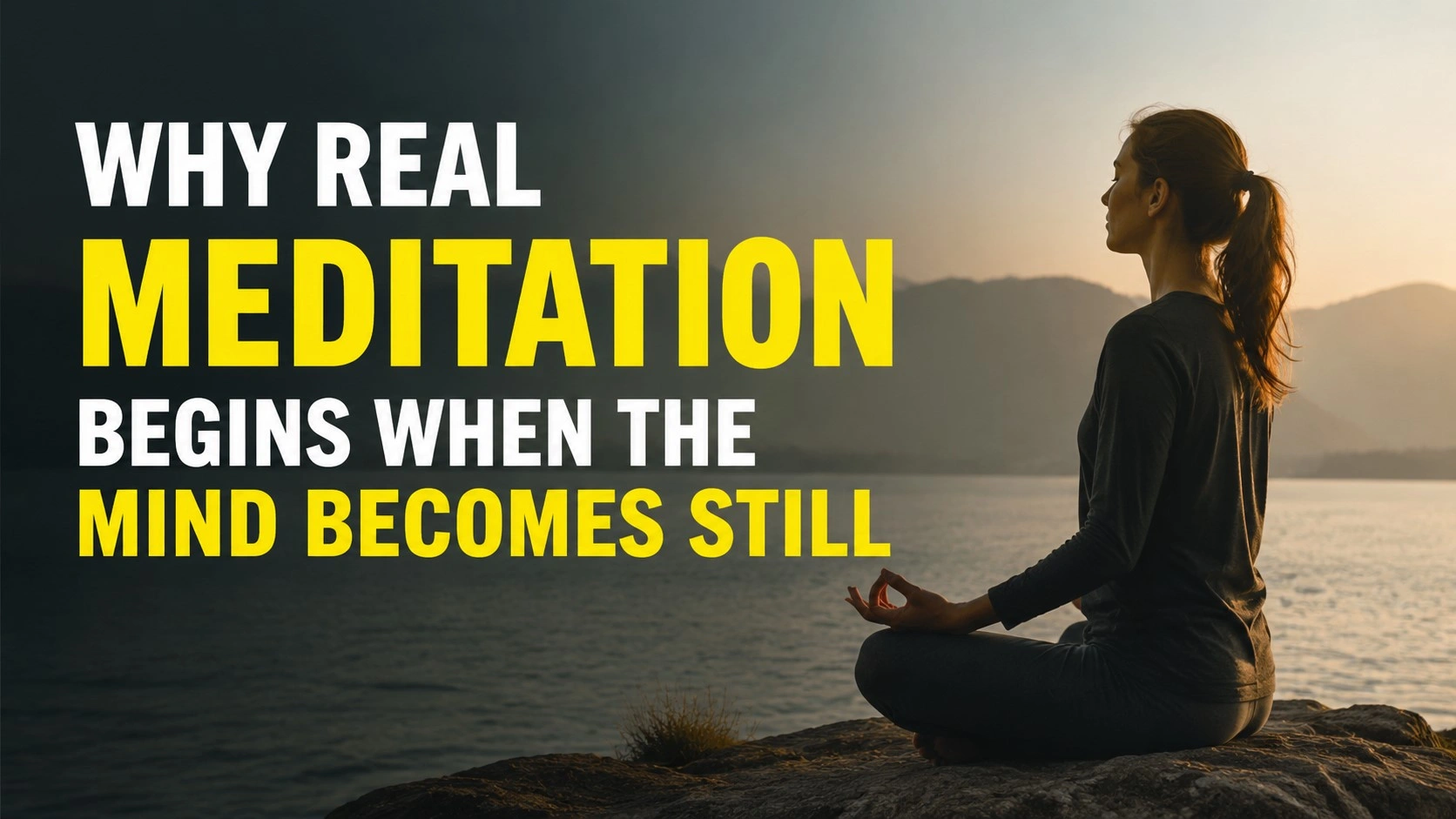
In today’s fast-moving world, the mind is constantly occupied with thoughts, worries, memories, plans, and emotions. Many people turn towards meditation hoping to find peace, reduce stress, and create balance in their lives. However, the deeper purpose of meditation goes beyond relaxation. Real meditation begins when the mind becomes still and we move beyond the constant activity of thoughts.
Most beginners believe meditation means forcing the mind to stop thinking. But meditation is not about fighting thoughts or controlling every mental movement. It is about understanding the mind, observing it, and gradually experiencing a state of inner silence where awareness becomes deeper than thoughts.
When the mind becomes calm, a different quality of consciousness begins to emerge. You start experiencing yourself beyond emotions, reactions, and mental patterns. This is where meditation transforms from a simple practice into an inner journey of self-discovery.
What Is Meditation? Understanding the True Meaning
Meditation is the practice of bringing awareness to the present moment and developing a deeper understanding of the mind. While many people associate meditation with sitting silently and focusing on the breath, its true meaning goes much deeper.
At the beginning, meditation may involve techniques such as:
Observing the breath
Practicing mindfulness
Repeating a mantra
Watching thoughts without judgment
Becoming aware of emotions and sensations
These practices help create a distance between you and your thoughts. Instead of being controlled by every thought that appears, you learn to observe them.
This shift from being a thinker to becoming an observer is one of the most important stages of meditation.
The purpose of meditation is not to create a blank mind. A silent mind does not mean the absence of intelligence or awareness. Instead, it means freedom from unnecessary mental noise, constant reactions, and unconscious patterns.
Design Your Destiny
Your mind shapes your experiences, choices, and the way you see life. When you learn to understand your thoughts and develop inner awareness, you unlock the ability to create meaningful transformation. Design Your Destiny program helps you discover practical tools for self-awareness, emotional balance, conscious living, and personal growth.
Start Your Journey Today!Why Does the Mind Need to Become Still?
The human mind is naturally active. It constantly analyzes the past, worries about the future, compares experiences, and creates endless stories. This continuous activity often creates stress, anxiety, and emotional exhaustion.
A restless mind makes it difficult to experience the present moment fully.
When the mind becomes still through meditation, several changes begin to happen:
1. You Experience Greater Mental Clarity
A noisy mind often creates confusion. When thoughts slow down, your ability to understand situations clearly improves.
You begin making decisions from awareness rather than emotional reactions.
2. You Develop Emotional Balance
Meditation does not remove emotions. Instead, it changes your relationship with them.
You learn to observe anger, fear, sadness, or frustration without immediately becoming controlled by them.
3. You Experience Inner Peace
True peace does not come from controlling external situations. It comes from developing stability within yourself.
A still mind allows you to experience calmness even when life around you is changing.
Meditation Is Not About Stopping Thoughts
One of the biggest misconceptions about meditation is that successful meditation means having no thoughts.
Thoughts are a natural function of the mind. Trying to completely stop them can create more frustration.
The deeper practice is learning to observe thoughts without attachment.
Imagine sitting beside a river and watching water flow. You do not need to stop the river. You simply observe its movement.
Similarly, in meditation, thoughts may appear and disappear. The practice is to remain aware without getting carried away.
This is where witness consciousness meditation begins.
Witness consciousness means becoming the observer of your thoughts, emotions, and experiences. You recognize that thoughts are happening, but you are not limited to them.
Deep Meditation: Moving Beyond the Thinking Mind
As meditation deepens, the focus gradually shifts from controlling the mind to understanding the nature of awareness itself. This is where deep meditation begins.
In the early stages, meditation may feel like an effort. You sit, focus on your breath, repeat a mantra, or practice mindfulness. The mind may wander repeatedly, and bringing attention back requires conscious effort.
With regular practice, something changes. The struggle with thoughts begins to reduce. You become less interested in chasing every thought and more connected with the silent awareness behind them.
This state is not about escaping life or avoiding responsibilities. Instead, it creates a deeper connection with yourself. You begin responding to life with greater clarity instead of reacting automatically.
Deep meditation allows you to experience a space within where there is calmness, awareness, and stillness beyond the constant movement of the mind.
Meditation Beyond Concentration and Focus
Many people confuse meditation with concentration. While concentration can be a part of meditation, they are not the same.
Concentration means focusing the mind on one object, such as a candle flame, breath, sound, or mantra. It strengthens attention and improves focus.
Meditation goes beyond concentration.
In deeper meditation, you are not only focusing on something. You become aware of the entire process of experiencing itself.
You notice:
Thoughts appearing and disappearing
Emotions changing naturally
Sensations coming and going
The awareness that observes everything
This movement from concentration to awareness is an important step in the meditation journey.
The mind becomes quieter not because you force it to become silent, but because you stop feeding unnecessary mental activity.

The Journey From Mind to No-Mind
The concept of no mind meditation does not mean losing intelligence or becoming empty. It refers to a state where the mind is no longer dominating your experience.
Normally, we live through constant identification:
“I am angry.”
“I am stressed.”
“I am worried.”
“I failed.”
“I succeeded.”
Meditation creates a space between you and these mental experiences.
You begin to realize:
“I am experiencing anger, but I am not only anger.”
“I am having thoughts, but I am not only my thoughts.”
This understanding creates freedom.
The journey from mind to no-mind is the movement from unconscious thinking to conscious awareness. It is a state where the mind becomes a useful tool rather than something that controls your entire life.
What Happens When the Mind Becomes Still During Meditation?
When the mind becomes still, your experience of life begins to change.
A still mind creates space for deeper awareness. Instead of constantly living in memories of the past or fears about the future, you become more present.
Some experiences people commonly associate with a calmer mind include:
Greater Awareness
You begin noticing your thoughts, emotions, and surroundings more clearly.
Small moments that were previously ignored become meaningful.
Reduced Mental Noise
The constant inner conversation begins to slow down.
You may experience moments where there is simply awareness without excessive thinking.
Deeper Connection With Yourself
A still mind allows you to understand your true nature beyond external identities, achievements, and expectations.
Greater Acceptance
Meditation teaches you to observe life as it is rather than constantly fighting against every experience.
Spiritual Awakening Through Meditation
Across spiritual traditions, meditation has been considered a path toward higher consciousness and self-realization.
Meditation for spiritual awakening is not about gaining supernatural abilities or escaping everyday life. It is about discovering a deeper understanding of yourself.
Through consistent practice, meditation can help you explore questions like:
Who am I beyond my thoughts?
What is the nature of awareness?
Why do I experience emotions?
What creates inner peace?
This deeper exploration leads towards self-awareness and inner transformation.
Many spiritual meditation practices focus on moving beyond the ego, which is the limited sense of identity created by thoughts, beliefs, and experiences.
As awareness expands, you begin experiencing life with greater compassion, clarity, and connection.

Witness Consciousness: The Gateway to Inner Silence
One of the most powerful aspects of meditation is developing witness consciousness meditation.
Witness consciousness means observing your inner world without judgment.
Instead of immediately reacting to thoughts, you simply notice:
“A thought is arising.”
“An emotion is present.”
“This feeling is changing.”
This simple shift creates distance between awareness and mental activity.
For example, if someone criticizes you, the usual reaction may be anger or defensiveness. Through meditation, you learn to pause and observe the reaction before responding.
This does not make you emotionless. It makes you more conscious.
Witness consciousness creates the foundation for deeper meditation because it allows the mind to settle naturally.
Signs of Deep Meditation Experience
People often wonder how they know whether their meditation practice is progressing.
While every individual experience is different, some common signs of deep meditation include:
1. Increased Inner Calm
You feel more peaceful even when external situations are challenging.
2. Less Identification With Thoughts
Thoughts still appear, but they have less power over you.
3. Improved Emotional Awareness
You recognize emotions before they completely control your actions.
4. Greater Presence
You become more connected to the current moment instead of constantly living in the past or future.
5. Natural Desire for Silence
You begin appreciating moments of quietness and reflection.
These changes usually happen gradually through consistent meditation practice.
Benefits of Meditation for Mind, Body and Consciousness
A regular meditation practice can support transformation at different levels.
Meditation Benefits for Mental Health
Meditation can help create a calmer relationship with thoughts. Many people practice meditation for stress relief, emotional balance, and mental clarity.
Meditation Benefits for Daily Life
Daily meditation can improve:
Focus and attention
Self-awareness
Patience
Decision-making
Emotional stability
Meditation Benefits for Spiritual Growth
On a deeper level, meditation can support:
Self-discovery
Inner freedom
Conscious living
Connection with higher awareness
The greatest benefit of meditation is not simply feeling relaxed for a few minutes. It is learning to live with greater awareness throughout your entire day.
How to Experience Inner Silence Through Meditation
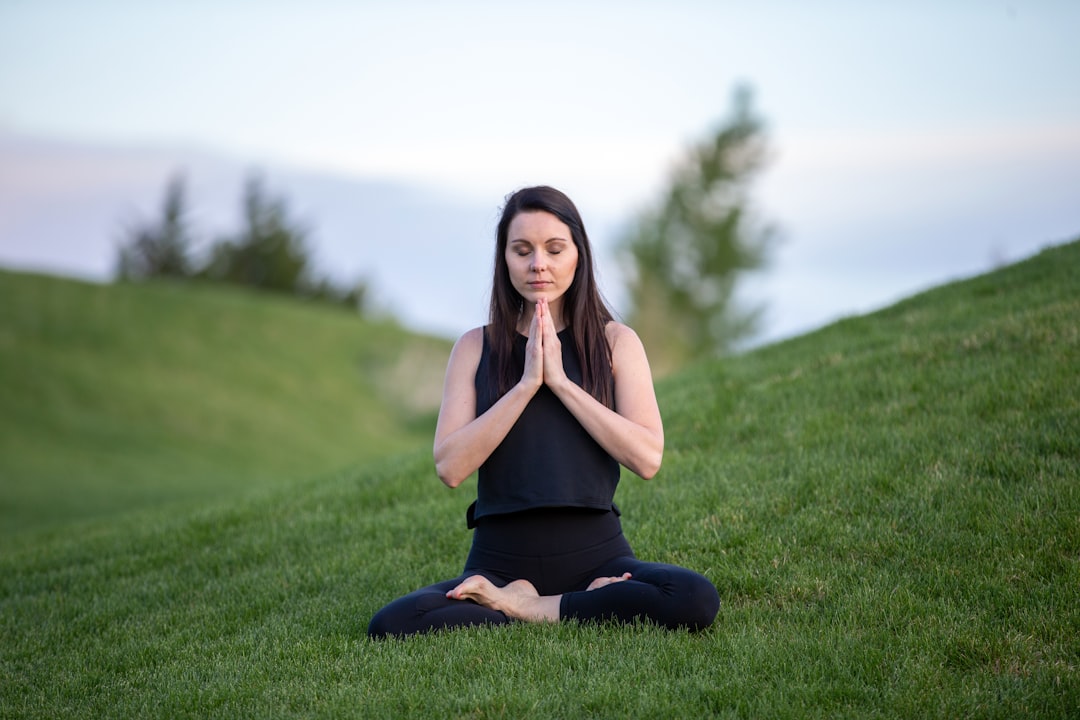
Developing a still mind requires patience and consistency. Here are some simple practices:
1. Observe Your Breath
Start by sitting comfortably and noticing your natural breathing pattern.
Do not force your breath. Simply observe.
2. Watch Thoughts Without Judgment
When thoughts appear, do not fight them. Observe them and gently return to awareness.
3. Practice Mindfulness During Daily Activities
Meditation is not limited to sitting practice.
You can practice awareness while walking, eating, working, or listening to someone.
4. Create Moments of Silence
Spend a few minutes each day without external distractions.
Silence allows the mind to settle naturally.
5. Be Consistent
A few minutes of daily meditation can create deeper transformation than occasional long sessions.
The goal is not perfection. The goal is awareness.
Difference Between Mindfulness, Awareness and Meditation
The words mindfulness, awareness, and meditation are often used interchangeably, but they represent different aspects of inner growth.
Understanding the difference can help you build a deeper meditation practice.
Mindfulness
Mindfulness means being fully present in the current moment.
It is the practice of paying attention to your thoughts, emotions, body sensations, and surroundings without judgment.
For example, when you are eating mindfully, you are not distracted by your phone or thoughts about the future. You are completely aware of the taste, texture, and experience of eating.
Mindfulness helps bring attention back to the present moment.
Awareness
Awareness is the natural ability to recognize experiences as they happen.
You are aware of thoughts, emotions, sensations, and the world around you.
Awareness is always present, but meditation helps you recognize it more clearly.
Meditation
Meditation is the practice that trains the mind to become more aware, calm, and balanced.
Through meditation, you develop mindfulness and eventually discover deeper states of awareness.
At the beginning, meditation may feel like an activity you practice. Over time, it becomes a way of living.
You begin carrying the qualities of meditation into your relationships, work, decisions, and everyday experiences.
Common Meditation Mistakes Beginners Make
Starting meditation can feel challenging because many people have unrealistic expectations.
Understanding common mistakes can make your practice easier and more enjoyable.
Mistake 1: Trying to Stop All Thoughts
Many beginners believe meditation means having a completely empty mind.
When thoughts appear, they feel they are failing.
But thoughts are a natural part of the mind.
The purpose of meditation is not to eliminate thoughts. It is to develop the ability to observe thoughts without being controlled by them.
Mistake 2: Expecting Immediate Results
Meditation is an inner journey, not a quick solution.
Some days you may feel peaceful, while other days your mind may feel more active.
Both experiences are part of the process.
Consistency creates transformation over time.
Mistake 3: Comparing Your Experience With Others
Every person's meditation journey is unique.
Some people experience deep silence quickly, while others gradually develop awareness.
The goal is not to achieve someone else's experience.
The goal is to understand your own mind.
Mistake 4: Treating Meditation as an Escape
Meditation is not about running away from responsibilities or avoiding challenges.
True meditation helps you face life with more clarity, patience, and understanding.
A calm mind does not mean a life without problems. It means having a balanced approach toward problems.
How Daily Meditation Can Transform Your Life
A consistent meditation practice slowly changes the way you experience yourself and the world.
You begin noticing that peace is not something you need to find outside yourself. It is something that can be cultivated within.
Daily meditation can help you:
Respond Instead of React
Instead of immediately reacting to situations, you create a moment of awareness before responding.
Understand Your Patterns
Meditation helps you recognize repeated thoughts, habits, and emotional patterns.
This awareness gives you the ability to make conscious choices.
Develop Inner Strength
A still mind creates emotional stability.
Challenges may continue to exist, but your relationship with them changes.
Live More Consciously
You become more present in conversations, decisions, and everyday moments.
Life begins to feel less automatic and more meaningful.
The Deeper Purpose of Meditation
The ultimate purpose of meditation is not only relaxation or stress reduction.
Those are valuable benefits, but meditation points toward something deeper.
It invites you to explore your own consciousness.
Beyond your thoughts, emotions, achievements, and identities, there is a deeper awareness that observes everything.
Meditation creates a connection with that awareness.
This is why many spiritual traditions describe meditation as a path toward:
Self-realization
Inner freedom
Higher consciousness
Compassion
Wisdom
Peace
The journey begins with observing the mind and gradually moves toward discovering the silence beyond the mind.
Personal Session
If you feel overwhelmed by thoughts, searching for deeper clarity, or want personalised guidance in your meditation and self-awareness journey, a personal session can help you understand your challenges from a deeper perspective.
Book Now