
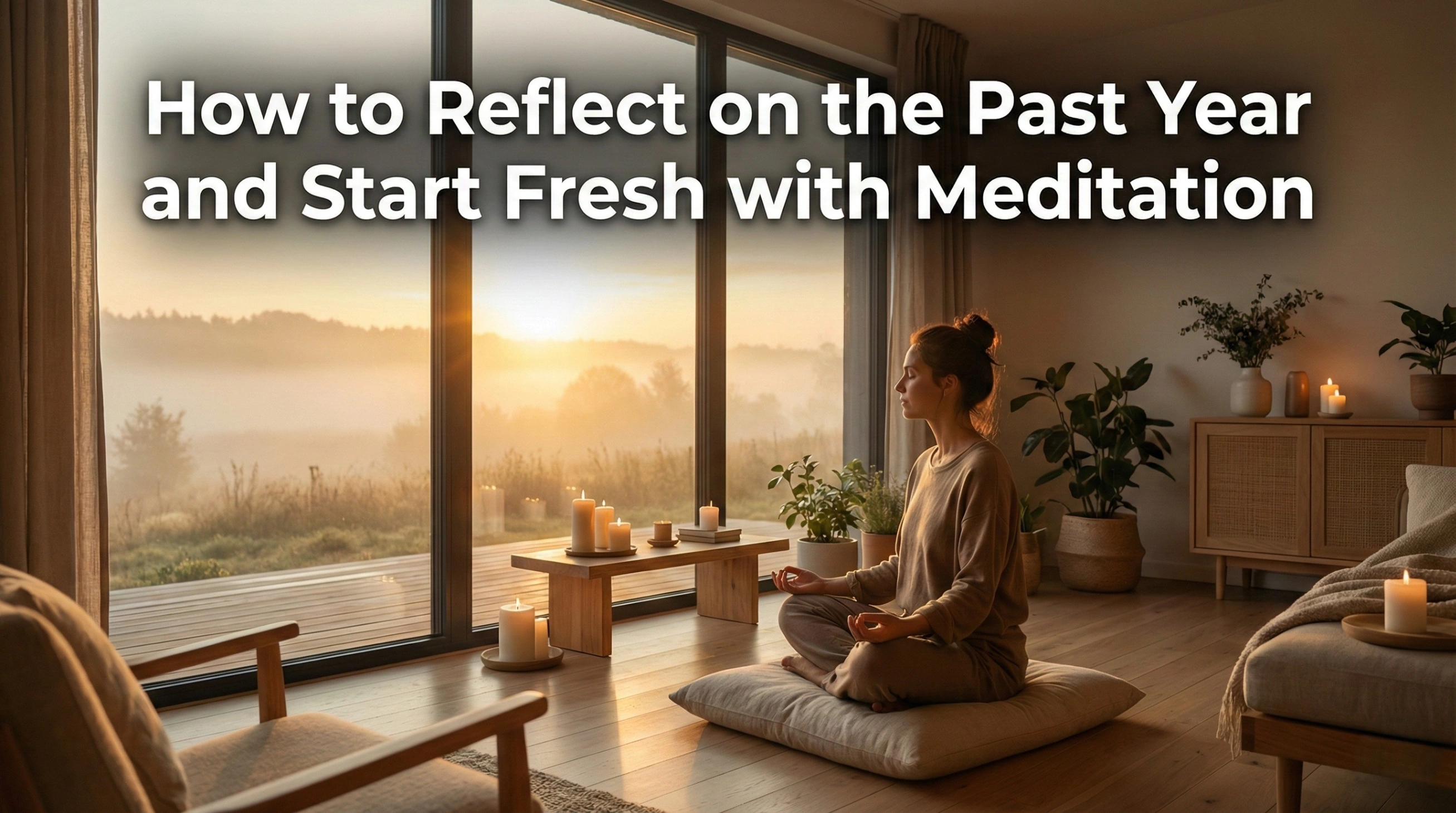
As the New Year approaches, many of us feel the urge to pause, look back, and reset. Reflecting on the past year helps us understand what worked, what didn’t, and what we need to release before moving forward. But reflection alone isn’t enough. To truly start fresh, we need clarity, awareness, and emotional balance and this is where meditation becomes a powerful tool.
Meditation allows you to observe your experiences without judgment, let go of emotional baggage, and consciously design the year ahead. In this blog, you’ll learn how to reflect on the past year using meditation, avoid common mistakes, and create a mindful foundation for personal growth.
Why Reflecting on the Past Year Is Important
Reflection is not about dwelling on mistakes or regrets. It’s about learning, healing, and realigning.
When you reflect intentionally, you:
Gain clarity about your personal and professional growth
Recognize patterns in habits, emotions, and decisions
Release guilt, resentment, and unresolved emotions
Set meaningful goals instead of reactive resolutions
Without reflection, many New Year goals repeat old cycles. Meditation helps break that loop by building awareness.
How Meditation Supports Year-End Reflection
Meditation creates a mental space where you can observe the past year calmly rather than emotionally. Instead of judging experiences as “good” or “bad,” meditation helps you see them clearly.
Benefits of meditation for reflection include:
Improved emotional regulation
Increased self-awareness
Reduced mental clutter
Deeper understanding of personal triggers and strengths
This clarity allows you to let go of what no longer serves you and move into the New Year with intention.
Why Meditation Doesn’t Work for Many People
Many people try meditation during the New Year but quit quickly, believing it doesn’t work. The problem usually isn’t meditation; it’s how it’s approached.
1. Unrealistic Expectations
People expect instant peace or a completely quiet mind. Meditation is not about stopping thoughts; it’s about observing them without attachment.
2. Inconsistency
Meditating only when stressed or occasionally limits progress. Like any skill, meditation works best with daily practice; even for a few minutes.
3. Forcing the Mind to Be Silent
Thoughts are natural. Trying to suppress them creates frustration. Meditation teaches gentle redirection, not control.
4. Lack of Proper Guidance
Conflicting advice online often confuses beginners. Simple, structured practices are far more effective.
Common Myths About Meditation (And the Truth)
Myth: Meditation means clearing your mind
Truth: Meditation is about awareness, not emptiness
Myth: You need long sessions
Truth: 5–10 minutes daily is enough
Myth: Meditation is only spiritual
Truth: It’s a practical tool for mental clarity and emotional balance
Myth: Meditation works instantly
Truth: Benefits build gradually through consistency
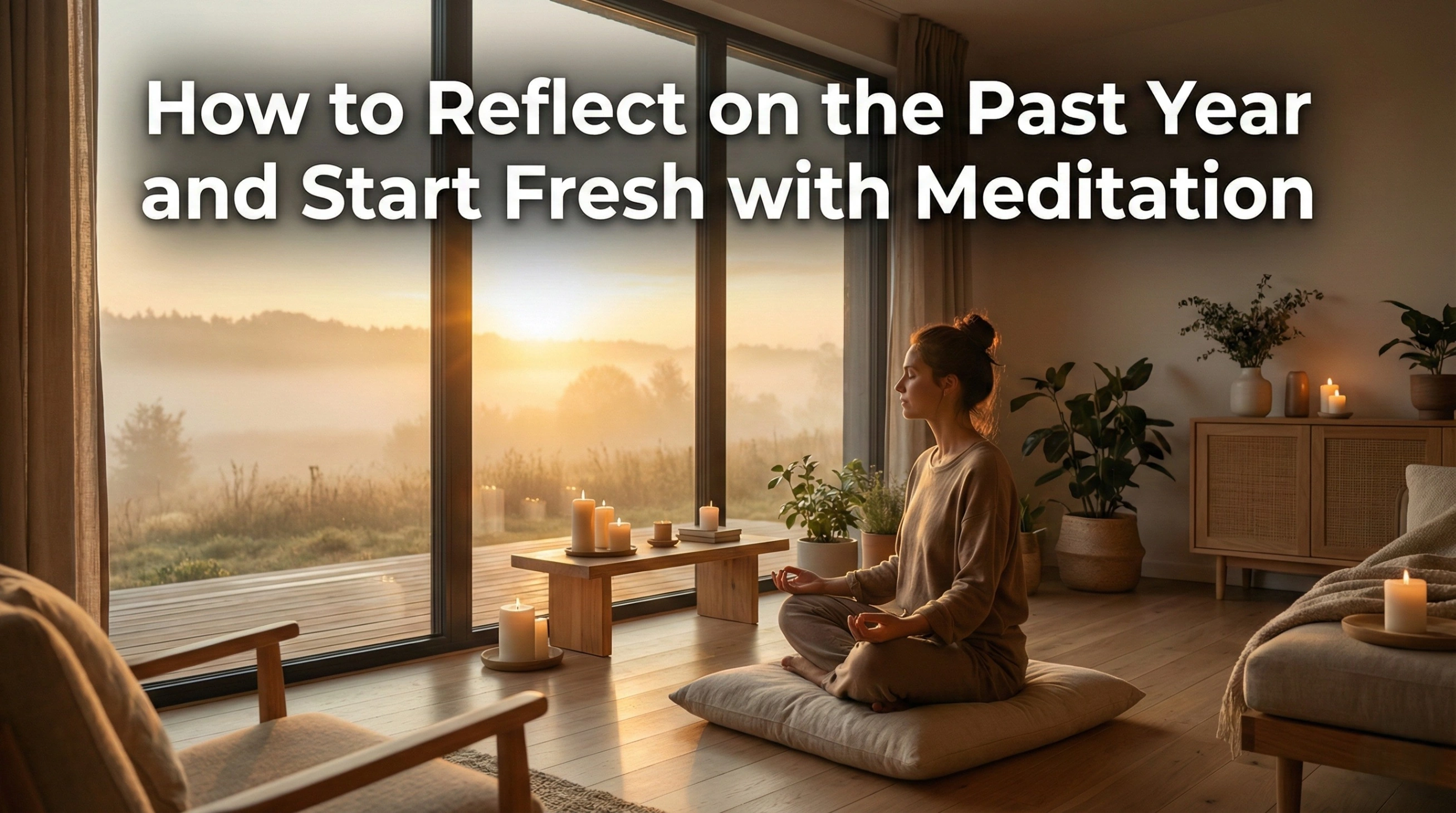
Step-by-Step: How to Reflect on the Past Year with Meditation
Step 1: Create a Calm Space
Sit comfortably in a quiet or familiar place. Close your eyes and take a few deep breaths.
Step 2: Focus on Your Breath
Use your breath as an anchor. When the mind wanders, gently bring it back.
Step 3: Review the Past Year Mindfully
Allow memories from the past year to surface naturally:
Moments of growth
Challenges and setbacks
Emotional highs and lows
Observe without judgment. Simply notice.
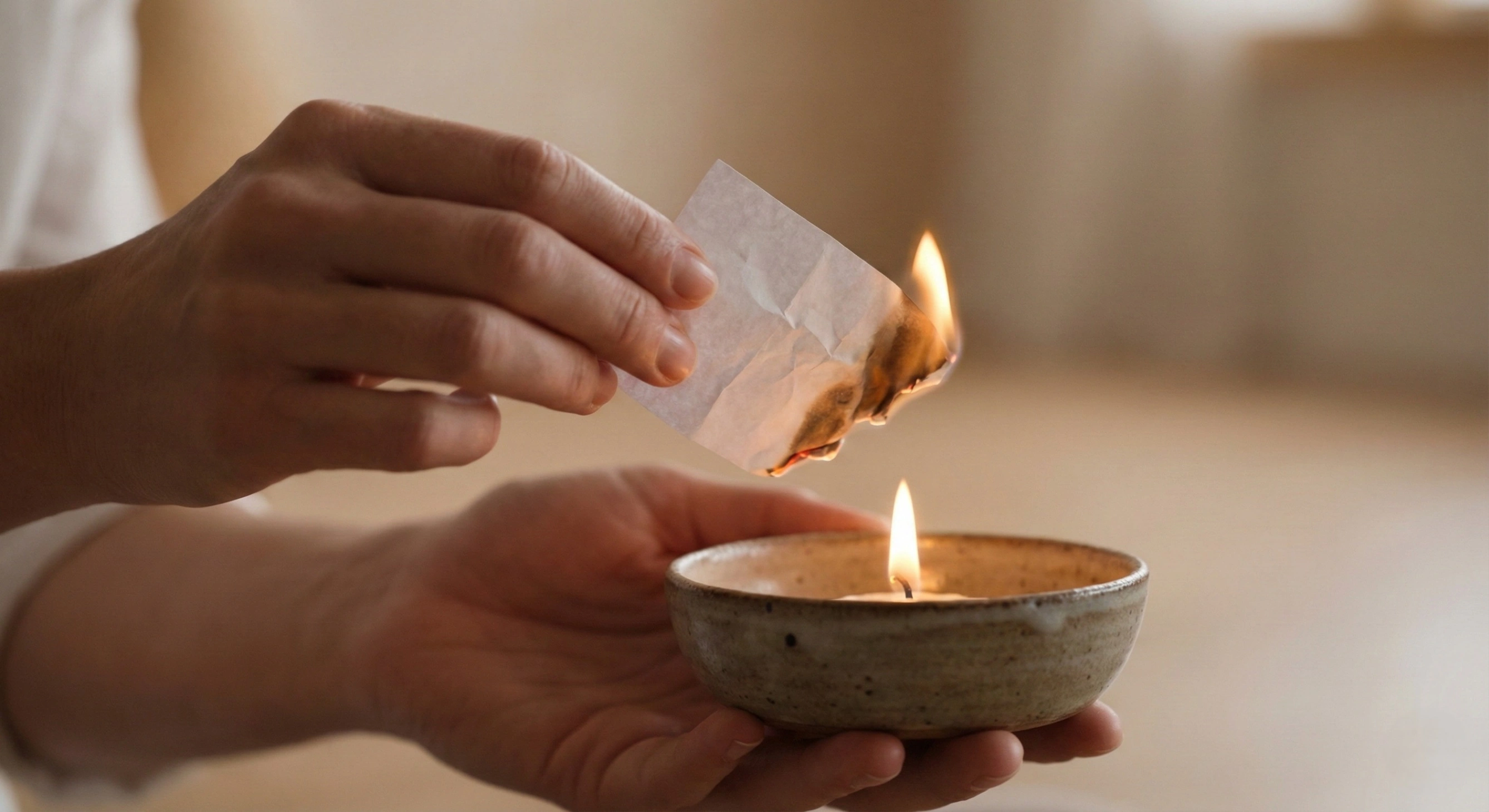
Step 4: Acknowledge and Release
Silently acknowledge lessons learned. Imagine releasing regrets, guilt, or resentment with each exhale.
Step 5: Journal Your Insights
After meditation, write down:
What you learned
Patterns you noticed
Habits you want to release
Values you want to strengthen
This turns awareness into action.
How to Start Fresh in the New Year with Meditation
Meditation isn’t just for reflection; it helps you set intentions for the future.
Set Intentions, Not Pressure-Filled Resolutions
Instead of rigid goals, focus on intentions such as:
“I choose consistency over perfection”
“I respond calmly instead of reacting”
“I prioritize growth and balance”
Meditation helps anchor these intentions into daily behavior.
Practice Daily Mindfulness
Bring meditation into everyday life:
Mindful walking
Mindful eating
Conscious breathing during stressful moments
This keeps you grounded throughout the year.
Common Meditation Mistakes to Avoid
Expecting immediate transformation
Comparing your practice to others
Skipping reflection after meditation
Following overly rigid routines
Giving up too soon
Meditation is a personal journey; progress is measured by awareness, not silence.
If you’re ready to start the New Year with clarity and calm, download our Free Beginner’s Meditation Guide.
This step-by-step resource will help you:
Meditate correctly
Avoid beginner mistakes
Reflect deeply on the past year
Build a consistent mindfulness habit
Start your journey toward a fresh, mindful New Year today.
Reflecting on the past year is essential for meaningful growth, and meditation is the bridge between reflection and renewal. By observing your experiences mindfully, releasing emotional weight, and setting conscious intentions, you can truly start fresh.
This New Year, don’t rush into resolutions.
Pause. Reflect. Meditate. Begin again with clarity and purpose.