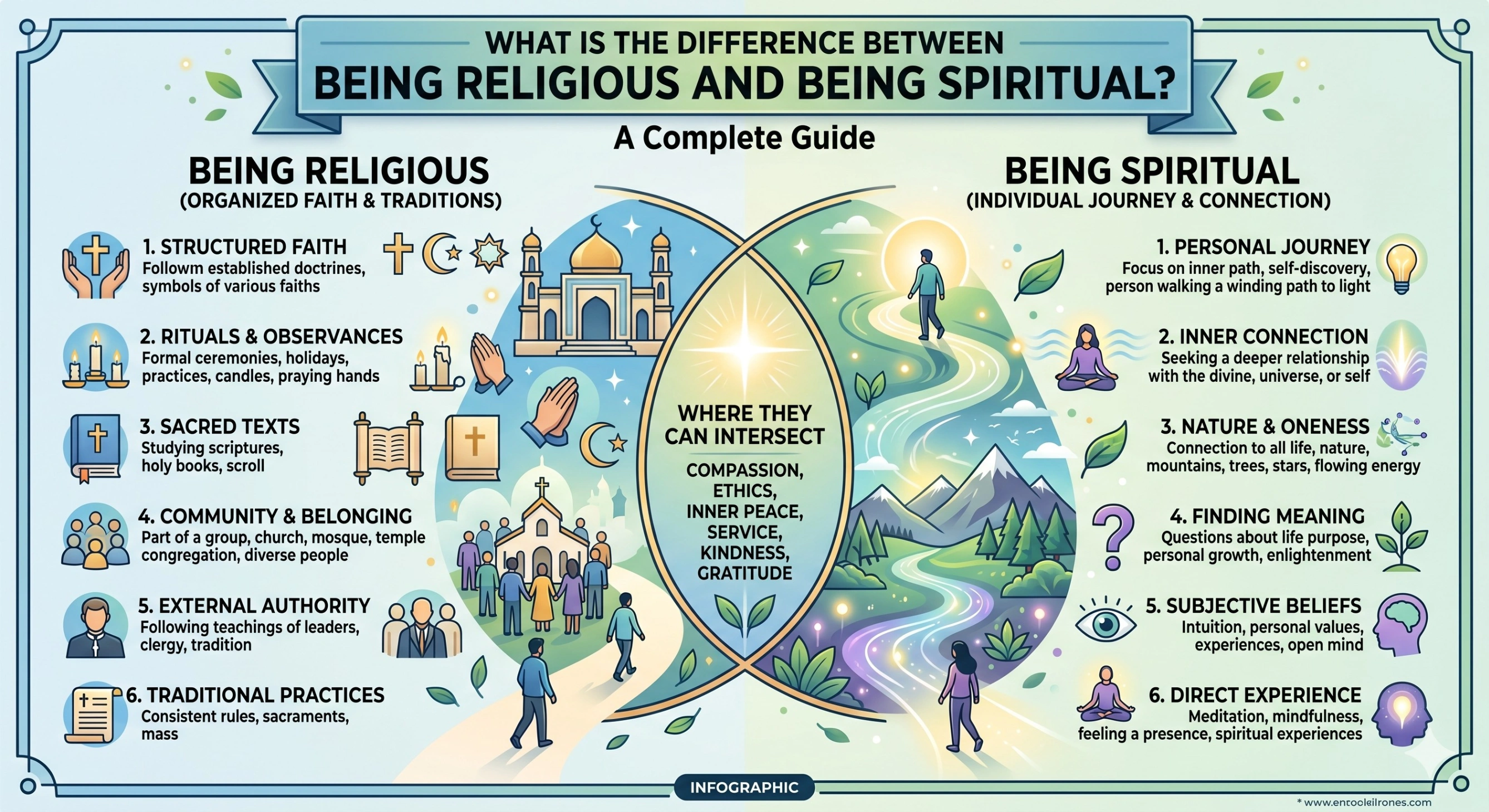
In today's world, more people than ever are asking an important question: religious vs spiritual, what is the real difference? While religion and spirituality are often used interchangeably, they represent different approaches to understanding life, purpose, and our connection to something greater than ourselves.
The conversation around spirituality vs religion has become increasingly relevant as people seek deeper meaning, inner peace, and personal growth. Some identify strongly with religious traditions, while others describe themselves as spiritual but not religious. Understanding the difference between religion and spirituality can help you better navigate your own journey toward self-discovery, faith, and fulfillment.
Whether you are exploring your beliefs for the first time or seeking greater clarity about your spiritual path, this guide will help you understand both perspectives and how they can coexist.
What Is Religion?
To understand the relationship between religion and spirituality, we first need to define religion.
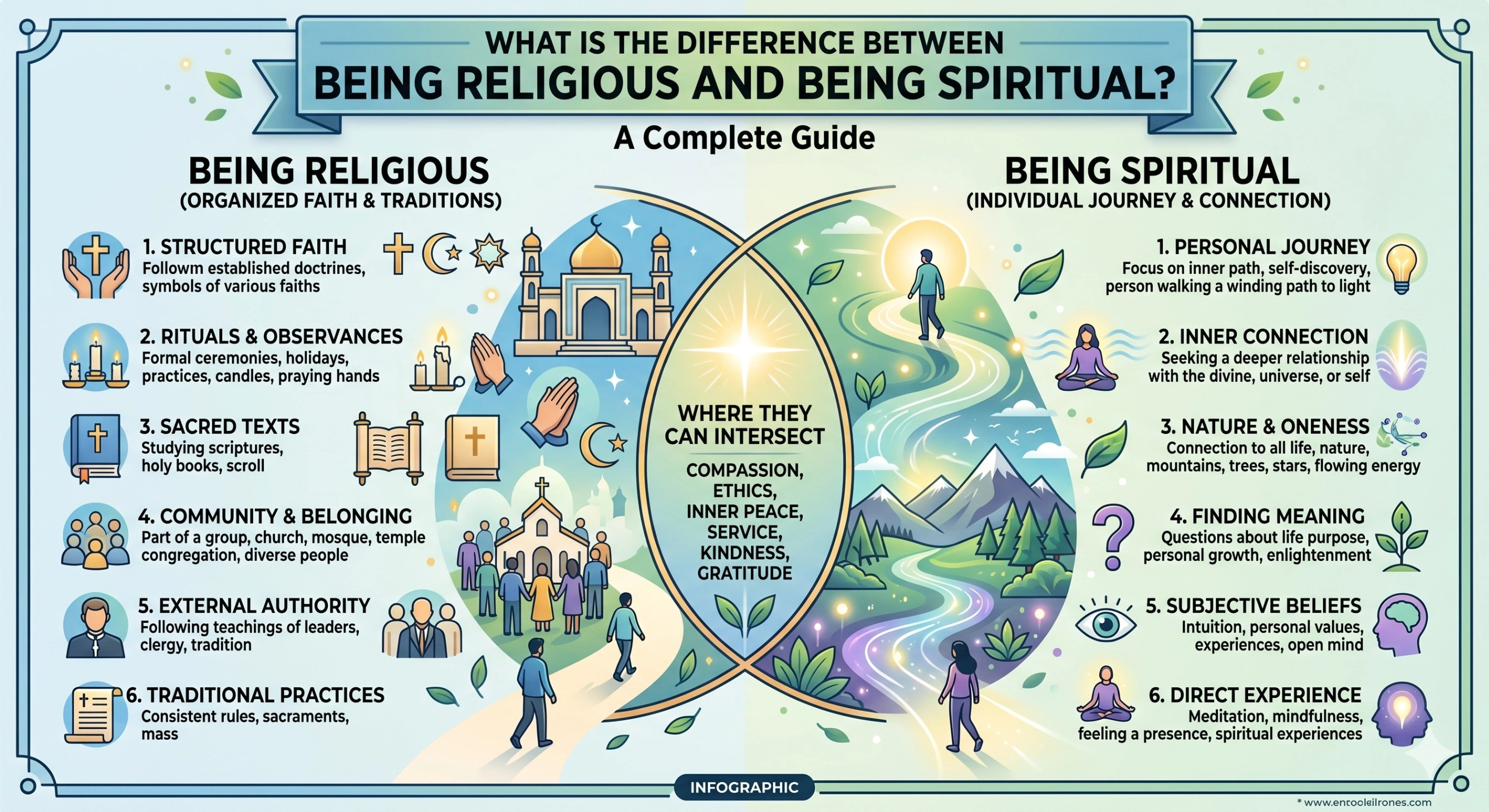
Religion is an organized system of beliefs, practices, rituals, values, and traditions centered around a higher power or divine reality. Religious communities typically share sacred texts, places of worship, ethical guidelines, and established teachings passed down through generations.
Some key characteristics of religion include:
Organized beliefs and doctrines
Sacred scriptures and teachings
Community worship and fellowship
Rituals and ceremonies
Moral and ethical guidelines
Religious leadership and institutions
Religion often provides a clear framework for understanding life's biggest questions, including the purpose of existence, morality, suffering, and the afterlife.
For many people, religion offers stability, belonging, and a sense of connection to a larger community united by shared faith.
CTA for Design Your Destiny
Your outer reality is shaped by your inner consciousness. If you're ready to move beyond confusion, discover your true purpose, and create a life aligned with your highest potential, join our Design Your Destiny Program. Learn powerful spiritual principles, practical wisdom, and transformational tools that help you unlock clarity, confidence, and lasting fulfillment.
Start Your journeyWhat Is Spirituality?
When discussing spirituality meaning, it is important to understand that spirituality is generally more personal and individual than religion.
Spirituality refers to the inner search for meaning, purpose, connection, and self-awareness. It involves exploring one's relationship with the divine, the universe, higher consciousness, or the deeper aspects of the self.
Unlike religion, spirituality does not necessarily require membership in a specific faith tradition.
A spiritual person often focuses on:
Self-discovery
Inner peace
Consciousness
Personal growth
Mindfulness
Meditation
Divine connection
Spiritual awakening
Spirituality encourages individuals to seek truth through personal experience rather than solely through external teachings or institutions.
For many, spirituality becomes a journey of exploring the soul, understanding life's deeper meaning, and cultivating a stronger connection with the present moment.
Religious vs Spiritual: The Core Difference
The fundamental difference between religion and spirituality lies in how individuals connect with the sacred.
Religion generally emphasizes external structures, traditions, and shared beliefs. Spirituality focuses on internal experiences, personal transformation, and direct connection with higher consciousness.
A simple way to understand it is:
Religion asks you to follow a path. Spirituality encourages you to discover your own path.
Religion often provides answers through established teachings. Spirituality encourages exploration through personal experience.
However, this distinction does not mean one is better than the other. Both can offer valuable guidance, wisdom, and support for personal development.
Can You Be Spiritual Without Being Religious?
One of the most searched questions today is: Can you be spiritual without being religious?
The answer is yes.
Many individuals practice meditation, mindfulness, self-reflection, and spiritual growth without belonging to a specific religious tradition.
These individuals may seek:
Inner peace
Self-awareness
Personal faith
Higher consciousness
Spiritual enlightenment
Soul growth
They often describe themselves as "spiritual but not religious."
Their focus is less on organized religious practices and more on direct personal experiences that foster inner transformation.
Can You Be Religious and Spiritual at the Same Time?
Another common question is: Can you be religious and spiritual at the same time?
Absolutely.
For many people, religion and spirituality complement each other beautifully. Religious teachings can provide structure and guidance, while spirituality adds personal depth and meaning.
Someone may participate in religious practices such as prayer, worship, and community service while also pursuing meditation, self-awareness, and spiritual development.
In fact, throughout history, many great spiritual masters have demonstrated both deep religious devotion and profound spiritual awakening.
Spiritual Beliefs vs Religious Beliefs
Understanding spiritual beliefs and religious beliefs helps clarify their differences.
Religious Beliefs
Religious beliefs are often based on established doctrines and teachings within a faith tradition. They provide a shared understanding among followers.
Examples include:
Belief in sacred texts
Religious laws and commandments
Formal worship practices
Community-based faith traditions
Spiritual Beliefs
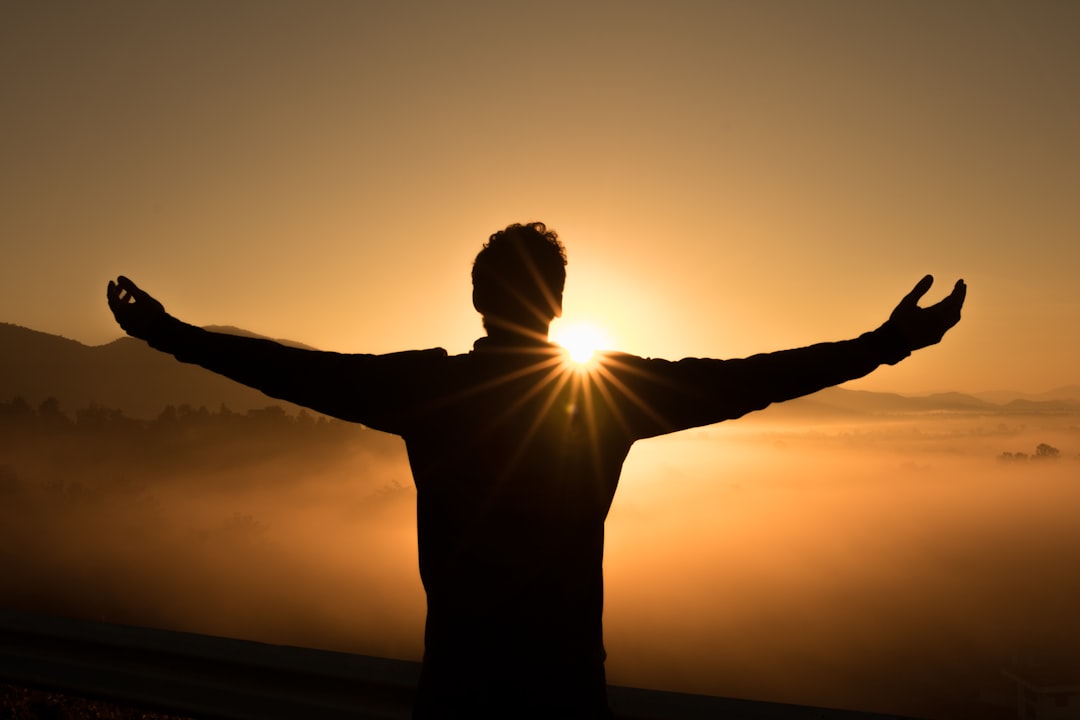
Spiritual beliefs tend to be more personal and flexible.
Examples include:
Belief in universal consciousness
Personal connection with God
Energy and interconnectedness
Inner wisdom and intuition
Continuous self-discovery
Spiritual beliefs may evolve as individuals gain new experiences and insights throughout their lives.
The Role of Spiritual Practices and Religious Practices
Both spirituality and religion involve practices designed to deepen awareness and connection.
Religious Practices
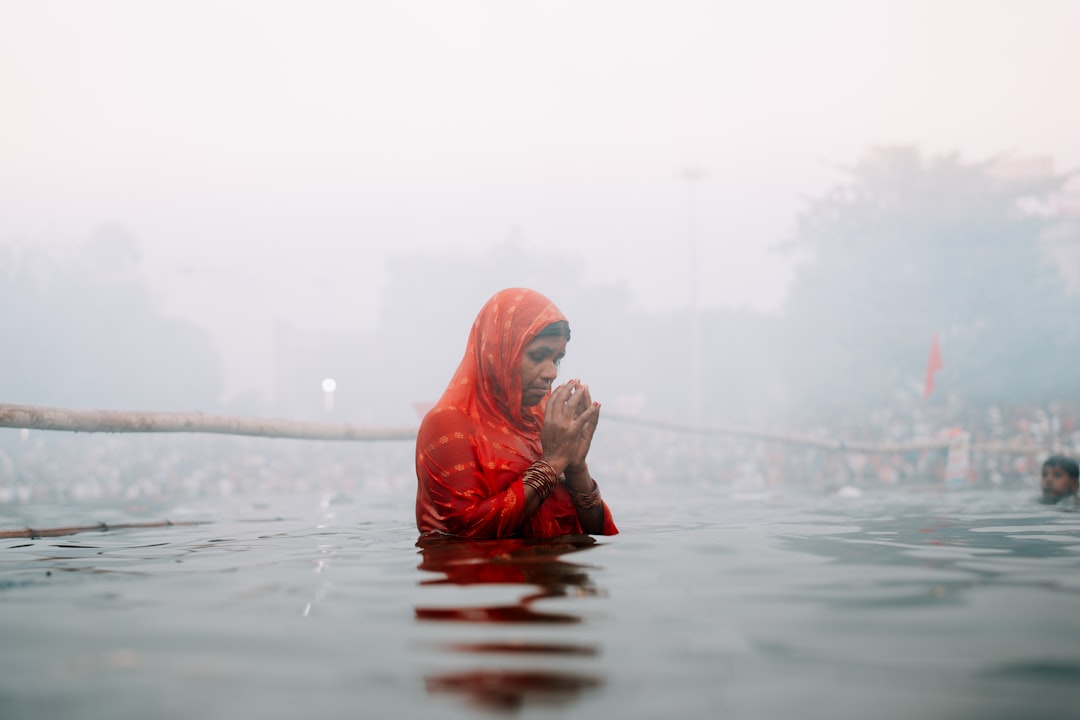
Religious practices may include:
Prayer
Worship services
Fasting
Pilgrimages
Sacred rituals
Community gatherings
These activities help strengthen faith and reinforce shared beliefs.
Spiritual Practices
Common spiritual practices include:
Meditation
Mindfulness
Journaling
Breathwork
Self-reflection
Gratitude exercises
These practices encourage personal growth, inner peace, and self-awareness.
Many people combine both religious and spiritual practices to create a balanced approach to personal development.
Spiritual Awakening and Personal Transformation
One reason spirituality has gained popularity is the growing interest in spiritual awakening.
A spiritual awakening often involves a profound shift in awareness. Individuals begin questioning old beliefs and seeking deeper truths about themselves and the world around them.
Common spiritual awakening signs include:
Increased self-awareness
Desire for deeper meaning
Greater compassion
Stronger intuition
Interest in mindfulness and meditation
Reduced attachment to material possessions
These experiences often lead to significant inner transformation and personal growth.
Religion, Spirituality, and Mental Health
Research and personal experiences suggest that both religion and spirituality can positively impact well-being.
Benefits may include:
Reduced stress
Improved emotional resilience
Increased optimism
Stronger sense of purpose
Greater life satisfaction
Spirituality and mental health are closely connected because spiritual practices encourage reflection, acceptance, and emotional balance.
Similarly, religious communities often provide social support, encouragement, and a sense of belonging during difficult times.
Finding Your Spiritual Path
Many people wonder how to begin finding your spiritual path.
The journey is deeply personal, but several practices can help:
Practice Mindfulness
Mindfulness encourages you to become fully present in each moment. It helps reduce mental distractions and increases self-awareness.
Explore Meditation
Meditation is one of the most effective tools for developing inner peace and connecting with higher consciousness.
Reflect on Your Values
Ask yourself:
What gives my life meaning?
What do I truly believe?
What kind of person do I want to become?
Stay Open to Learning
Read spiritual literature, explore different perspectives, and remain curious about life's deeper questions.
Listen to Your Inner Guidance
Your spiritual journey is unique. Trust your experiences while remaining grounded and thoughtful.
Which Is Better: Religion or Spirituality?
The question of whether religion or spirituality is better has no universal answer.
For some individuals, religion provides the structure, community, and guidance they need to thrive.
For others, spirituality offers greater freedom for exploration and self-discovery.
Many people find that combining elements of both creates the most fulfilling path.
Ultimately, the goal is not choosing one over the other but discovering what helps you cultivate:
Inner peace
Personal growth
Self-awareness
Compassion
Purpose
Connection with the divine
The debate surrounding religious vs spiritual is not about determining a winner. Instead, it is about understanding two different yet often complementary approaches to seeking meaning and connection.
Religion offers tradition, community, and structured guidance. Spirituality emphasizes personal experience, consciousness, self-discovery, and inner transformation.
Whether you identify as religious, spiritual, or both, the most important aspect of any path is its ability to help you grow, find purpose, and cultivate a deeper connection with yourself and the world around you.
By understanding the difference between religion and spirituality, you can make more conscious choices about your beliefs, practices, and personal journey toward fulfillment and spiritual wisdom.
CTA for Personal Session
Are you seeking answers, guidance, or a deeper understanding of your spiritual journey? A personalized one-on-one session can help you gain clarity, overcome inner blocks, and reconnect with your authentic self.
Book Now