
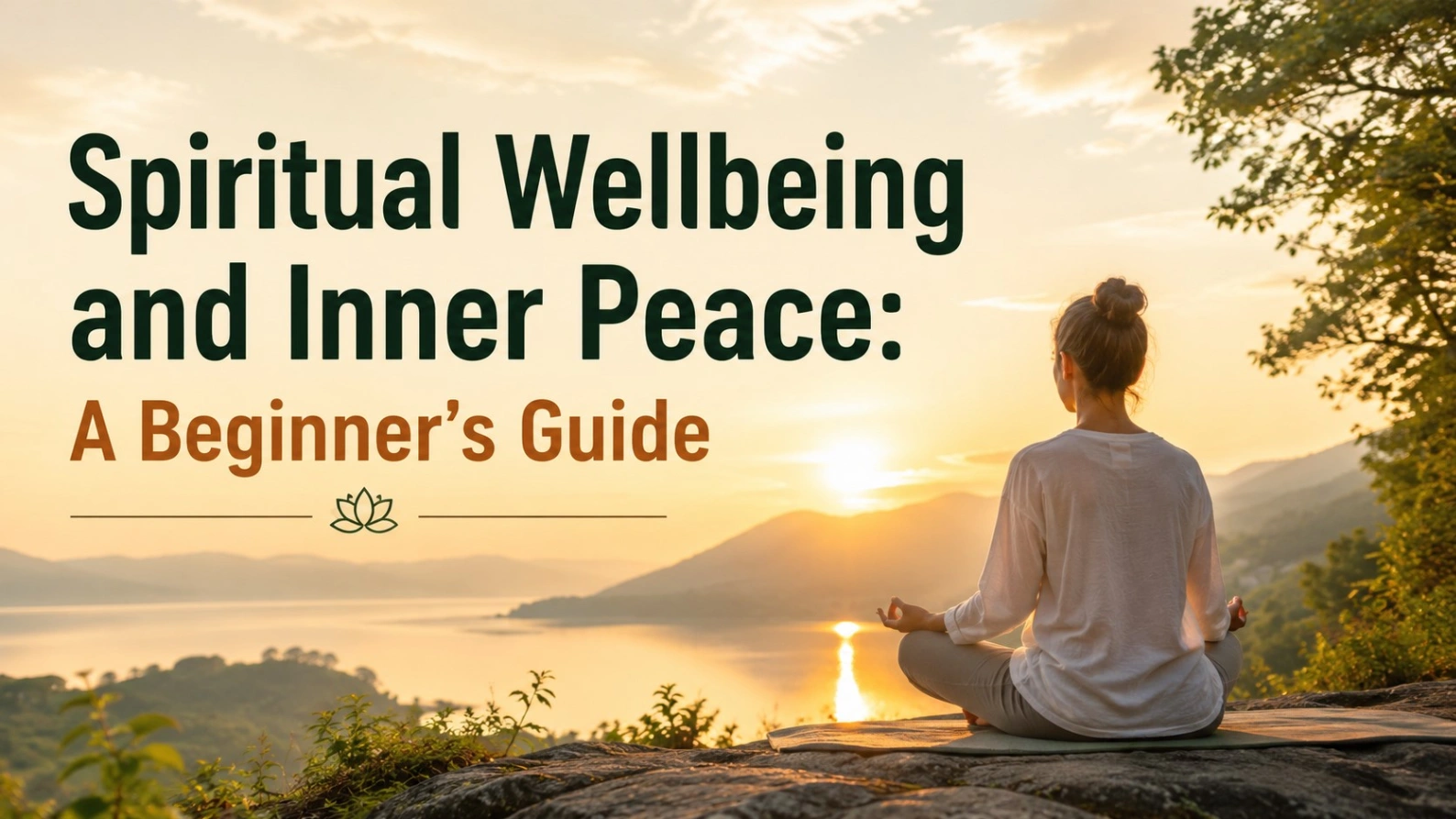
In today’s fast-moving world, spiritual wellbeing and inner peace have become more important than ever. Many people look successful from the outside, yet feel tired, anxious, emotionally drained, or disconnected within. We may have busy schedules, social media distractions, career goals, family responsibilities, and endless thoughts running through the mind. But somewhere deep inside, the soul asks for calmness, meaning, and balance.
This is where spiritual wellbeing becomes essential.
Spiritual wellbeing is not only about religious rituals or meditation. It is about feeling connected to yourself, your purpose, your values, and the higher wisdom of life. It helps you live with more awareness, peace of mind, emotional wellbeing, and inner strength. When your spiritual health is balanced, you begin to respond to life with calmness instead of reacting with stress.
Inner peace does not mean your life will become perfect. It means you learn how to stay centered even when life is imperfect. It is the quiet strength that helps you handle problems, emotions, and uncertainty without losing yourself.
For beginners, the journey toward spiritual wellness can feel confusing. You may wonder, “Where do I start?” “How do I calm my mind?” or “How can spirituality help mental health?” The truth is, spiritual wellbeing begins with small daily choices. You do not need to change your entire life overnight. You only need to begin with awareness.
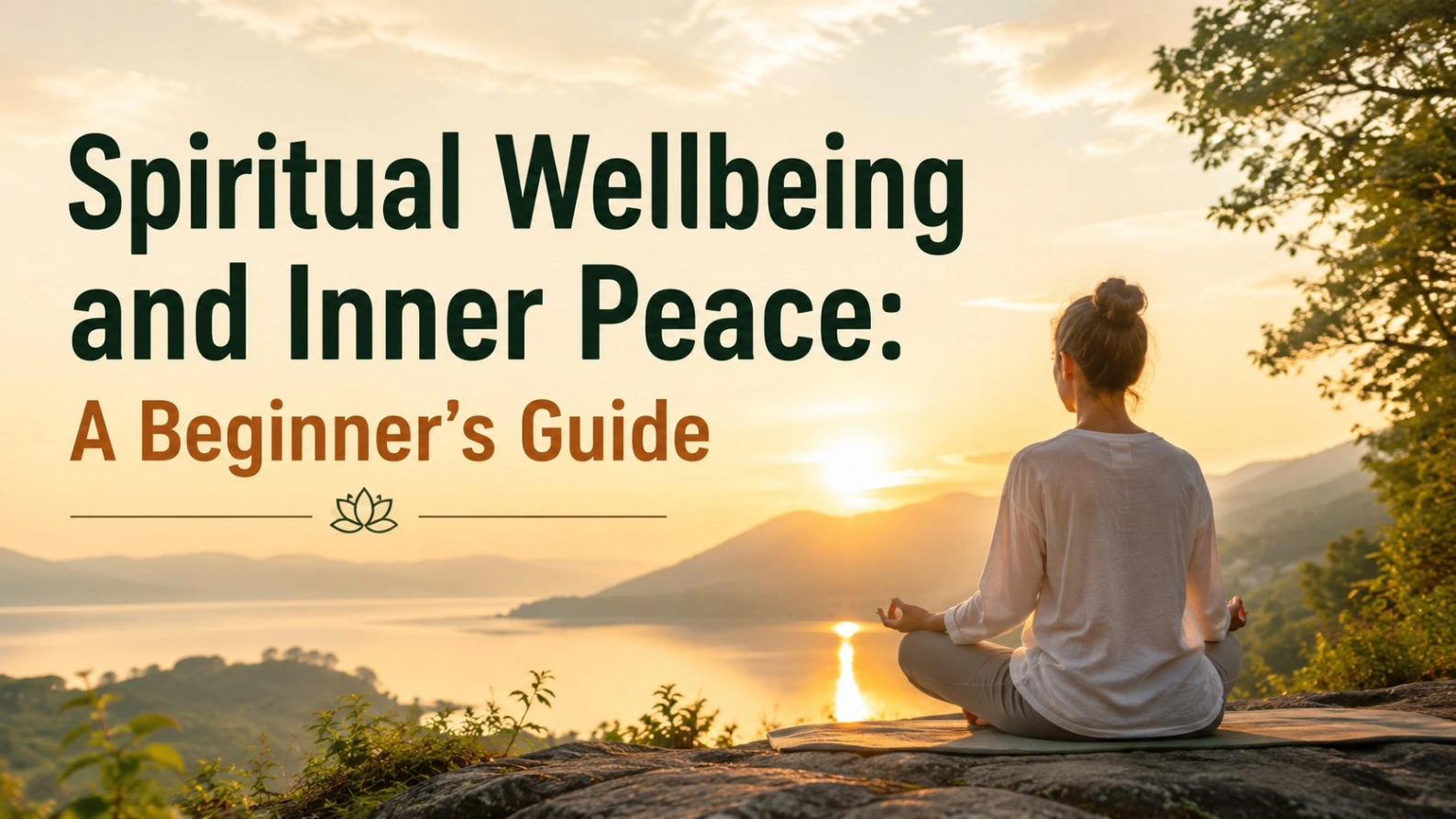
What Is Spiritual Wellbeing?
Spiritual wellbeing means having a healthy connection with your inner self, your values, your purpose, and the deeper meaning of life. It is the feeling that your life is not just about survival, but about growth, love, awareness, and peace.
A spiritually healthy person is not someone who never feels sad or stressed. Instead, they are someone who knows how to return to balance. They understand that emotions are temporary, thoughts can be observed, and life has lessons even in difficult moments.
Spiritual wellbeing includes many things, such as self awareness, emotional healing, mindfulness, gratitude, compassion, forgiveness, and trust in life. It allows you to live with more clarity and less confusion.
When your spiritual health improves, you may notice that you feel calmer, more patient, more connected, and more peaceful. You may begin to let go of unnecessary overthinking and focus more on what truly matters.
CTA for Design Your Destiny
Ready to create a peaceful and purposeful life? Join our Design Your Destiny program and learn how to build spiritual wellbeing, calm your mind, and reconnect with your true inner power. Begin your journey toward clarity, balance, and inner peace today.
Start Your JourneyWhat Is Inner Peace?
Inner peace is a state of calmness within. It is not dependent on perfect situations, people, or achievements. It comes from learning how to quiet the mind, accept life, and stay connected to your true self.
Many people think inner peace means having no problems. But that is not true. Inner peace means that even when problems come, you do not allow them to completely control your mind and emotions.
For example, you may still face work pressure, family issues, financial worries, or personal doubts. But with inner peace, you learn to pause, breathe, reflect, and respond with wisdom.
Inner peace is also connected to peace of mind and mental peace. When your thoughts are not constantly running in fear, regret, or anxiety, you feel lighter. You stop fighting every situation and start flowing with life more gracefully.
Why Spiritual Wellbeing Is Important
Spiritual wellbeing is important because it supports every part of life. It affects how you think, feel, speak, work, love, and handle challenges.
When you are spiritually disconnected, you may feel restless even when everything seems fine. You may keep chasing success, approval, or comfort, but still feel empty inside. This happens because the soul needs more than external achievements. It needs meaning, connection, and peace.
Spiritual wellbeing helps you build emotional strength. It gives you the ability to face difficult times without feeling completely broken. It also helps reduce stress, anxiety, and overthinking because you begin to see life from a higher perspective.
Instead of asking, “Why is this happening to me?” you slowly begin to ask, “What is this teaching me?”
That one shift can bring deep spiritual growth.
The Connection Between Spiritual Wellbeing and Inner Peace
Spiritual wellbeing and inner peace are deeply connected. When you take care of your spiritual wellness, inner peace naturally grows.
Think of your inner life like a garden. If you ignore it, weeds of stress, fear, anger, comparison, and overthinking begin to grow. But when you water it with meditation, mindfulness, gratitude, prayer, self reflection, and positive energy, peace begins to bloom.
Spiritual wellbeing gives you the foundation. Inner peace is the result.
When you become more spiritually aware, you start understanding your emotions instead of suppressing them. You become more mindful of your thoughts instead of believing every fear that appears in your mind. You begin to live consciously instead of functioning on autopilot.
This is the beginning of conscious living and mindful living.
Signs Your Spiritual Wellbeing Needs Attention
Sometimes we do not realize that our spiritual health needs care. We keep blaming external situations without noticing the inner imbalance.
Here are some signs that your spiritual wellbeing may need attention:
You feel emotionally drained most of the time.
You overthink small situations again and again.
You feel disconnected from your purpose.
You struggle to feel peace even during rest.
You react quickly with anger, fear, or sadness.
You compare your life with others often.
You feel stuck, confused, or spiritually empty.
You find it hard to forgive yourself or others.
These signs do not mean something is wrong with you. They simply mean your inner self is asking for healing, attention, and care.

How to Find Inner Peace Through Spiritual Wellbeing
Finding inner peace is not a one-day process. It is a daily practice. The good thing is that even small spiritual habits can create powerful changes over time.
The first step is awareness. Notice how you feel. Notice what triggers you. Notice where your mind goes when you are alone. Awareness is the beginning of healing.
The second step is acceptance. Many people create more suffering by resisting reality. Acceptance does not mean you approve of everything. It means you stop fighting what has already happened and begin working from a calmer place.
The third step is alignment. Ask yourself: “Am I living according to my values?” “Am I giving time to my inner growth?” “Am I taking care of my mind, body, and soul?”
When your actions align with your inner values, peace becomes easier.
Simple Spiritual Practices for Inner Peace
You do not need complicated rituals to improve spiritual wellbeing. Simple daily practices can help you feel more balanced and connected.
1. Practice Daily Meditation
Meditation is one of the most powerful ways to calm your mind spiritually. It helps you observe your thoughts instead of being controlled by them.
Start with five to ten minutes daily. Sit quietly, close your eyes, and focus on your breath. If thoughts come, do not fight them. Just observe and return to your breathing.
Over time, daily meditation can bring mental peace, emotional balance, and deeper self awareness.
2. Begin Your Day With Gratitude
Gratitude shifts your attention from what is missing to what is already present. This simple practice creates positive energy and helps you feel more peaceful.
Every morning, write or say three things you are grateful for. They can be small things like a peaceful sleep, fresh air, family, food, or another chance to grow.
Gratitude trains the mind to notice blessings instead of only problems.
3. Spend Time in Silence
Silence is healing. In silence, you meet yourself without distractions.
Even ten minutes of silence can help you reconnect with your inner self. Keep your phone aside, sit quietly, and simply be present. You do not need to do anything.
Silence helps you understand your thoughts, emotions, and inner voice more clearly.
4. Practice Mindfulness
Mindfulness means being fully present in the moment. It is the art of doing one thing with complete awareness.
When you eat, eat with awareness. When you walk, feel every step. When you speak, listen to your words. When you breathe, notice your breath.
Mindfulness reduces stress relief needs because it brings your mind back from past regrets and future worries.
5. Let Go of Overthinking
Overthinking is one of the biggest blocks to inner peace. The mind keeps creating stories, fears, and doubts. Spiritual wellbeing teaches you that you are not every thought that appears in your mind.
Whenever you feel trapped in overthinking, pause and ask: “Is this thought helping me or hurting me?”
Then take a deep breath and bring yourself back to the present moment.
6. Practice Forgiveness
Forgiveness is not about saying that what happened was right. It is about freeing your own heart from emotional burden.
Holding anger, guilt, or resentment affects your spiritual health. Forgiveness allows emotional healing and creates space for peace.
Start by forgiving yourself for past mistakes. You were learning. You were growing. You can choose better now.
7. Connect With Positive Energy
Your environment affects your spiritual wellness. The people you spend time with, the content you consume, and the thoughts you repeat all influence your energy.
Choose uplifting conversations, peaceful music, spiritual wisdom, and positive habits. Protect your inner space from unnecessary negativity.
A peaceful life begins with conscious choices.

Daily Habits for Spiritual Wellbeing
Spiritual wellbeing grows through consistency. You do not need to practice everything at once. Begin with a few habits and slowly build from there.
Wake up with a calm intention.
Spend a few minutes in prayer or meditation.
Read one spiritual or inspirational thought.
Avoid checking your phone immediately after waking up.
Practice mindful breathing during the day.
Respond instead of reacting.
Write your emotions in a journal.
Do one act of kindness.
End your day with gratitude.
These simple habits slowly create a peaceful inner lifestyle.
How Spiritual Wellbeing Improves Mental Peace
Spirituality helps mental peace by changing the way you relate to your thoughts and emotions. Instead of believing every negative thought, you learn to observe it. Instead of running away from emotions, you learn to understand them.
This creates space between you and your mental noise.
Spiritual wellbeing also gives meaning to difficult experiences. When life feels painful, spirituality reminds you that growth often comes through challenges. This perspective does not remove pain instantly, but it helps you carry it with more strength.
Practices like meditation, mindfulness, gratitude, and self reflection can support anxiety relief, stress relief, and emotional wellbeing. They help you return to inner calm when life feels overwhelming.
Spiritual Wellbeing for Beginners: Where to Start
For beginners, the best way to start is small. Do not pressure yourself to become perfectly peaceful. Spiritual growth is not a competition.
Start with one practice that feels natural. It could be meditation, journaling, prayer, mindful breathing, or gratitude. Practice it daily for a few minutes.
Then slowly add more awareness to your routine. Notice your thoughts. Notice your reactions. Notice what gives you peace and what takes it away.
The journey of spiritual wellbeing is not about becoming someone else. It is about returning to who you truly are beneath stress, fear, and conditioning.

Spiritual Awakening and Inner Peace
Spiritual awakening does not always happen dramatically. Sometimes it begins quietly. You may start questioning old patterns. You may feel drawn toward deeper meaning. You may stop enjoying things that once distracted you. You may feel a strong desire for truth, peace, and self healing.
This awakening can feel confusing at first, but it is often a sign that your inner self is growing.
Inner peace becomes easier when you stop living only from the outside world and begin listening to your inner wisdom. You begin to understand that peace is not something you find somewhere else. It is something you uncover within.
Spiritual wellbeing and inner peace are not luxuries. They are essential for a balanced, meaningful, and peaceful life. When you care for your spiritual health, you become more aware, calm, compassionate, and emotionally strong.
You do not need to escape the world to find peace. You can find peace in daily life through small spiritual practices, mindful living, meditation, gratitude, forgiveness, and self awareness.
The beginner’s path is simple: pause, breathe, observe, and reconnect.
Your inner peace is already within you. Spiritual wellbeing simply helps you return to it.
CTA for Personal Session
Feeling stressed, confused, or emotionally stuck? Book a personal session and receive guided support to improve your spiritual wellbeing, understand your inner patterns, and move toward healing, peace, and self-awareness.
Book Now