
Vat Purnima is a deeply meaningful Hindu observance that brings together faith, prayer, family values, and the symbolism of nature. One of its most recognised rituals is the practice of tying sacred threads around the banyan tree. Many people see women performing parikrama around the tree, offering prayers, tying threads around its trunk, and listening to the Vat Savitri vrat katha. Yet an important question often arises: what is the real meaning of tying threads around the banyan tree on Vat Purnima?
The Vat Purnima thread tying meaning is connected with devotion, continuity, strength, and prayers for the well-being of one’s family. The banyan tree, known as Vat Vriksha in Sanskrit and Hindi, is traditionally seen as a symbol of long life because of its expansive roots, long survival, and continuing growth. During the vrat, married women worship the tree and tie threads while praying for harmony, prosperity, health, and a long life for their husbands.
Vat Purnima is observed especially in Maharashtra and some western and southern parts of India on the full moon day of the Hindu month of Jyeshtha. In several northern regions, a closely related observance known as Vat Savitri Vrat is observed on Amavasya instead. While dates and local customs may vary, the central faith remains connected to the banyan tree, the Savitri and Satyavan story, and the values of love, courage, and commitment.
Why Is the Banyan Tree Worshipped on Vat Purnima?
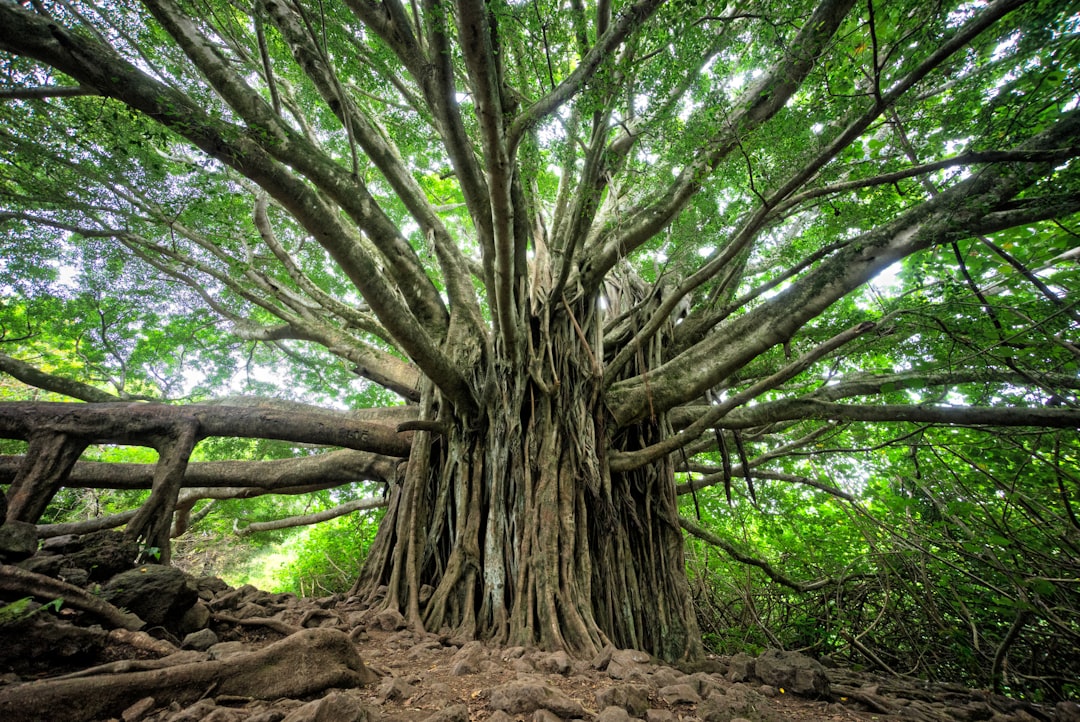
The banyan tree holds a special place in Hindu traditions. It is admired for its deep roots, wide branches, and ability to grow across generations. A mature banyan tree can spread outward through aerial roots that become new supporting trunks. Because of this natural form, it is often viewed as a living symbol of continuity, stability, protection, and enduring life.
On Vat Purnima, the banyan tree becomes the centre of worship because it represents the qualities people hope to bring into married life and family relationships. Its deep roots reflect a strong foundation. Its vast shade represents protection and care. Its long life represents durability and continuity. The tree is not worshipped merely as a physical object. It is honoured as a sacred symbol that reminds devotees of faith, patience, and the strength needed to sustain relationships through changing circumstances.
Banyan tree worship also creates a quiet moment of reflection. In busy daily life, rituals such as offering water, flowers, fruits, turmeric, kumkum, and prayers allow people to pause and reconnect with spiritual values. The ritual becomes less about external form and more about the inner intention behind it.
Design Your Destiny
Your life changes when you begin living with awareness, inner strength, and purpose. Design Your Destiny is a guided spiritual journey created to help you understand your patterns, build emotional balance, and create a life rooted in clarity and conscious choices. Begin your journey towards a more peaceful, purposeful, and spiritually aligned life today.
Start Your Journey!What Does Tying the Sacred Thread Symbolise?
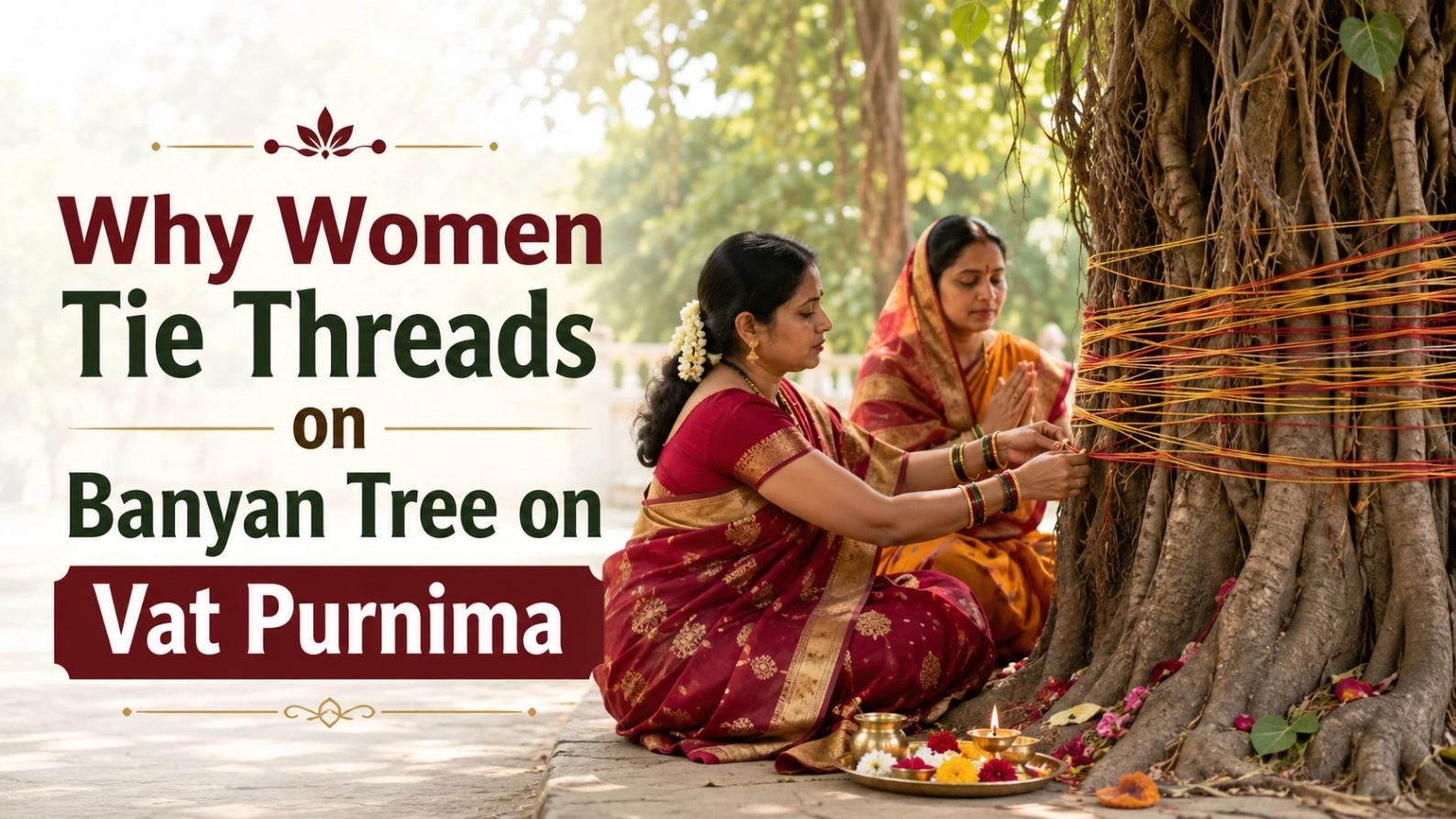
The sacred thread ritual is one of the most visible parts of Vat Purnima puja. Women wrap a cotton or sacred thread around the banyan tree, often while taking parikrama. This thread is commonly understood as a symbol of a prayer, a vow, and a bond of devotion.
The thread itself is simple, but its meaning is layered. It represents the wish for a relationship that stays connected through joy, difficulty, change, and time. Just as the thread circles the tree, the ritual reflects a desire for protection around one’s loved ones and family life. It can also represent the repeated effort required to nurture trust, understanding, loyalty, and kindness in a marriage.
The act of tying threads around the banyan tree on Vat Purnima is therefore not simply a ritual for outward display. For many devotees, it is a personal prayer. It is a way to express gratitude for one’s relationships, seek blessings for the future, and renew a commitment to patience and care.
The sacred thread ritual also reflects the idea that relationships are strengthened through conscious effort. A thread may appear delicate, but when wrapped many times, it becomes a visible sign of continuity. In the same way, everyday acts of respect, listening, sacrifice, and compassion gradually create a strong emotional bond.
The Connection Between Vat Purnima and Vat Savitri Vrat
Vat Purnima is closely connected with Vat Savitri vrat and the well-known Savitri and Satyavan story. According to the traditional narrative, Savitri was known for her wisdom, loyalty, courage, and determination. Her husband, Satyavan, was destined to die at a young age. When the moment arrived, Savitri followed Yama, the god of death, and continued speaking with him respectfully and intelligently.
Her determination, clarity, and devotion moved Yama. He eventually granted boons that led to Satyavan’s life being restored. The story is remembered not only as a tale of marital devotion but also as a lesson in courage, self-control, patience, and unwavering faith.
The banyan tree is associated with this story because Satyavan is believed to have rested beneath it when he lost consciousness. This connection makes the Vat Vriksha puja significance especially meaningful during the vrat. The tree becomes a reminder of Savitri’s resilience and her refusal to surrender to despair.
It is important to understand the deeper message of the Savitri and Satyavan story. Savitri is not remembered only for devotion to her husband. She is remembered for her intelligence, presence of mind, inner strength, and ability to face a difficult situation with dignity. Her story encourages people to meet life’s challenges with faith, wisdom, and determination.
Vat Purnima Significance for Married Women
For many married women, Vat Purnima vrat is observed with prayers for the health, well-being, and longevity of their husbands. The fasting, puja, and banyan tree worship are performed with sincerity and devotion. In many families, the day is also a time for women to gather, share the vrat katha, exchange blessings, and participate in traditions passed down through generations.
However, the spiritual meaning of Vat Purnima can be understood more widely as well. It is a day to pray for mutual care within relationships. It can be a time to reflect on the values that make a partnership stronger: respect, loyalty, communication, patience, and emotional support.
In modern life, the festival can be observed as a reminder that healthy relationships are built through shared responsibility. The spirit of the vrat can inspire both partners to care for each other’s well-being, dreams, and emotional peace. While the traditional ritual is performed by married women in many communities, the values behind it can be meaningful for every family member.
Banyan Tree Significance in Hinduism
The banyan tree significance in Hinduism goes far beyond Vat Purnima. It has long been respected as a tree of shelter, life, and spiritual reflection. Its broad canopy offers shade, while its roots create an image of connection between the earth and the sky.
In several Hindu traditions, the banyan tree is associated with divine energy and the cycle of life. Its ability to grow through aerial roots gives it a unique visual meaning. One tree can appear like a whole forest, showing how one strong foundation can support many branches of life.
The banyan tree also reminds devotees that growth takes time. Roots develop beneath the surface before branches spread outward. This becomes a beautiful metaphor for spiritual growth and relationships. Inner values such as trust, patience, honesty, and compassion may not always be visible immediately, but they are the roots that help a family remain stable.
During banyan tree worship on Vat Purnima, devotees may offer water, flowers, fruits, turmeric, kumkum, or other puja items according to local traditions. The exact Vat Purnima puja samagri may differ from one family or region to another, but the central purpose remains the same: to pray with gratitude and sincerity.
Why Is Parikrama Performed Around the Banyan Tree?
Parikrama around the banyan tree is another significant part of the Vat Purnima rituals. Parikrama means walking in a circular path around a sacred object, deity, or place of worship. It is often performed as an expression of reverence and surrender.
During Vat Purnima, women may take several rounds around the banyan tree while tying threads and chanting prayers. The parikrama around banyan tree meaning is connected to keeping the sacred symbol at the centre of one’s thoughts. It is a gesture of honouring the ideals represented by the tree: strength, endurance, protection, and continuity.
Walking around the tree also creates a mindful moment. Instead of rushing through life, the devotee moves slowly, prays consciously, and focuses on a heartfelt intention. This combination of movement, prayer, and symbolism gives the ritual an inward quality.
The number of rounds may vary according to family practices or regional customs. There is no need to compare one person’s ritual with another’s. In spiritual observances, sincerity and respect matter more than performance or perfection.
A Simple Understanding of Vat Purnima Puja Vidhi
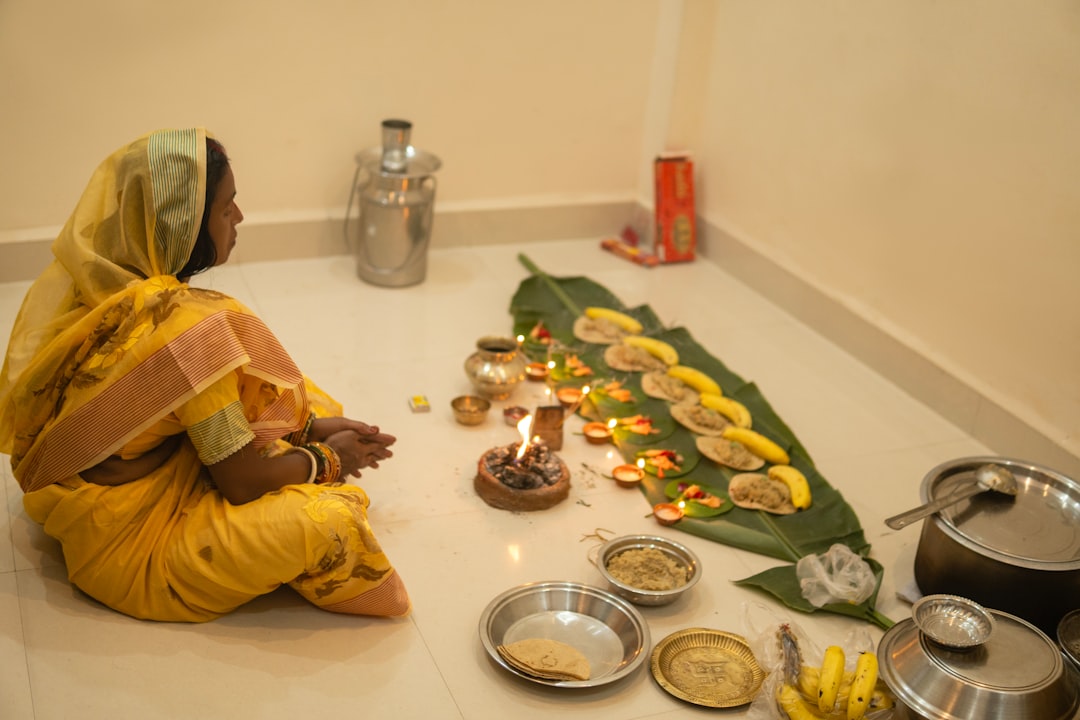
The Vat Purnima puja vidhi may vary across regions and households, but it generally begins with an early bath, clean or traditional clothing, and preparation of puja offerings. Devotees may carry water, flowers, fruits, turmeric, kumkum, incense, sweets, and sacred thread to the banyan tree.
After offering prayers, women may apply turmeric and kumkum near the tree, offer water, tie the sacred thread around the trunk, and perform parikrama. The Vat Savitri vrat katha is often heard or read as part of the worship. Some devotees observe a fast, while others follow family-specific dietary customs.
The purpose of this simple ritual is to cultivate faith and prayerfulness. It does not need to become stressful or competitive. A person who cannot visit a banyan tree due to distance, health, travel, or other limitations can still pray sincerely at home. Spiritual intention is not limited by external circumstances.
Spiritual Meaning of the Banyan Tree and Thread Ritual
At a deeper level, the spiritual meaning of the banyan tree is about staying grounded while continuing to grow. A relationship, like a tree, needs nourishment. It needs time, care, and a foundation of mutual understanding.
The sacred thread represents connection, but it also represents responsibility. It reminds us that love is not only an emotion. It is expressed through everyday choices: speaking gently, standing by each other during difficult times, forgiving mistakes, and supporting one another’s personal growth.
Vat Purnima can also teach the value of inner strength. Savitri’s story shows that devotion is not weakness. It can include courage, wisdom, and the ability to remain steady in challenging moments. The festival encourages people to build these qualities within themselves.
For those who observe the vrat, the banyan tree is a spiritual teacher. Its roots suggest stability. Its branches suggest expansion. Its shade suggests care. Its long life suggests patience. Tying threads around the tree becomes a symbolic way of asking for these same qualities in one’s home and relationships.
Vat Purnima in Modern Life
Modern couples may observe Vat Purnima in ways that feel meaningful to them. Along with traditional puja, it can be a day to express appreciation for one another. Partners can spend time together, offer gratitude, discuss shared goals, or make a small promise to improve communication and support.
The core message of Vat Purnima does not need to remain limited to ritual alone. It can become an opportunity to reflect on how we care for the people closest to us. It can encourage stronger family bonds, healthier conversations, and greater respect in relationships.
The festival also reminds us to respect nature. When people gather around a banyan tree for worship, they are indirectly reminded of the role trees play in life. Protecting trees, planting saplings, and caring for the environment can become a meaningful extension of the spiritual values celebrated on this day.
The meaning of tying threads around the banyan tree on Vat Purnima is rooted in prayer, devotion, endurance, and the hope for a stable and loving family life. The ritual draws inspiration from the Savitri and Satyavan story, while the banyan tree symbolises long life, strong roots, protection, and continuity.
For devotees, the sacred thread is more than a thread. It is a symbol of a heartfelt prayer and a reminder that relationships become stronger through patience, courage, and everyday care. Whether observed through traditional puja, fasting, parikrama, or quiet prayer, Vat Purnima remains a beautiful occasion to honour faith, family, and the values that help relationships grow over time.
Personal Session
Seeking deeper clarity in your relationships, emotions, life direction, or spiritual path? Book a personal session for compassionate one-to-one guidance. Explore your challenges with greater awareness, receive practical spiritual tools, and take the next step towards inner peace and personal transformation.
Book Now