

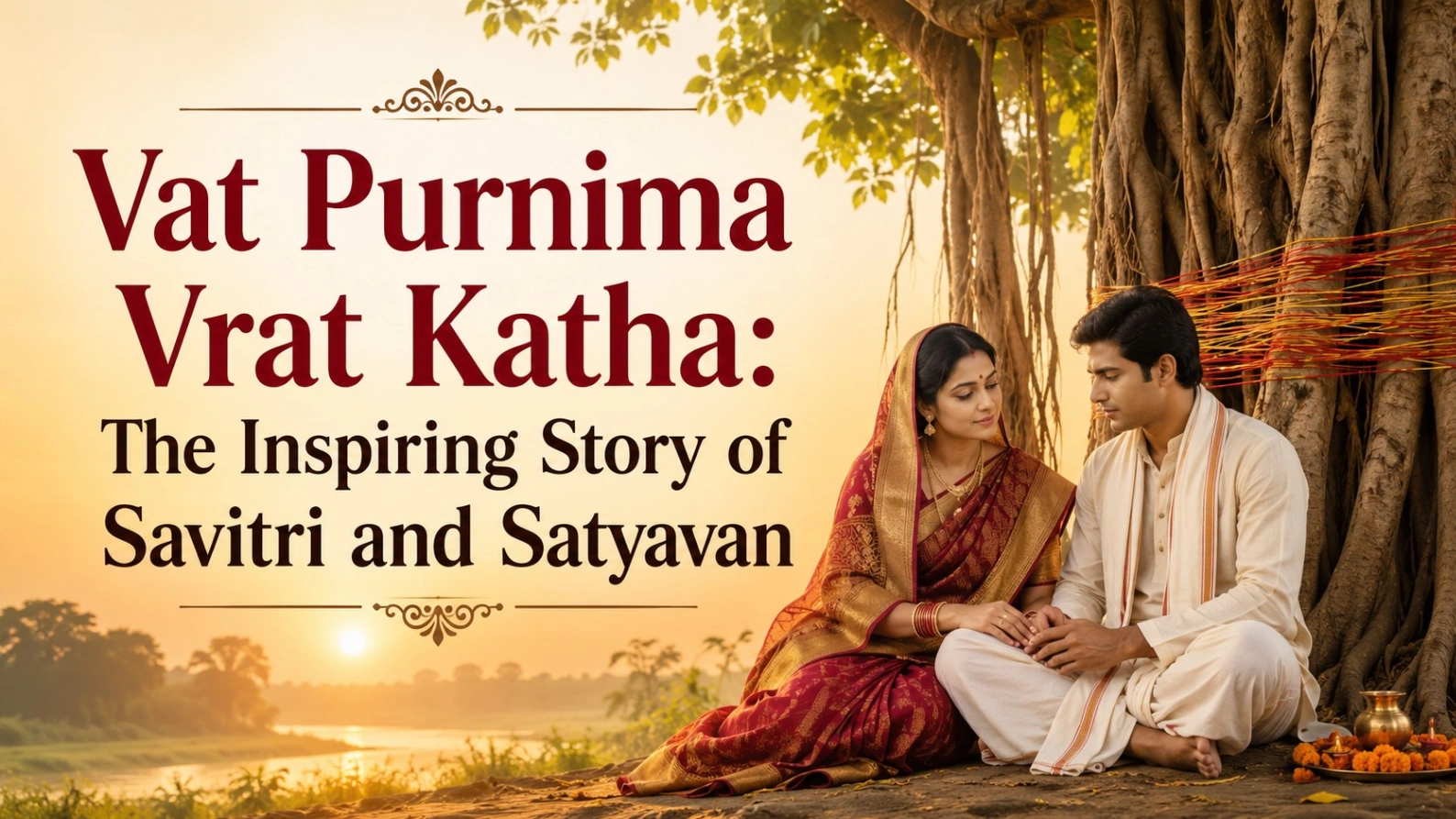
The Vat Purnima Vrat Katha is one of the most loved stories connected with devotion, courage, wisdom and unwavering faith. At its heart is the inspiring journey of Savitri and Satyavan, a couple remembered across generations for Savitri’s strength of character and her extraordinary presence of mind in the face of loss.
Every year, devotees observe Vat Purnima or Vat Savitri Vrat with prayer, fasting and the worship of the banyan tree. The festival is especially associated with married women, who traditionally pray for the well-being and long life of their husbands and for peace within the family. Yet the Savitri and Satyavan story carries a deeper message that speaks to everyone. It is about choosing love with awareness, standing steady in difficult moments and refusing to give up when life appears to close every door.
In 2026, Vat Purnima is observed on June 29 in regions that follow the Purnima tradition. However, Vat Savitri Vrat is also observed on Jyeshtha Amavasya in many North Indian communities. The ritual may vary by region, but the central story, faith and symbolism remain deeply connected.
What Is Vat Purnima Vrat?
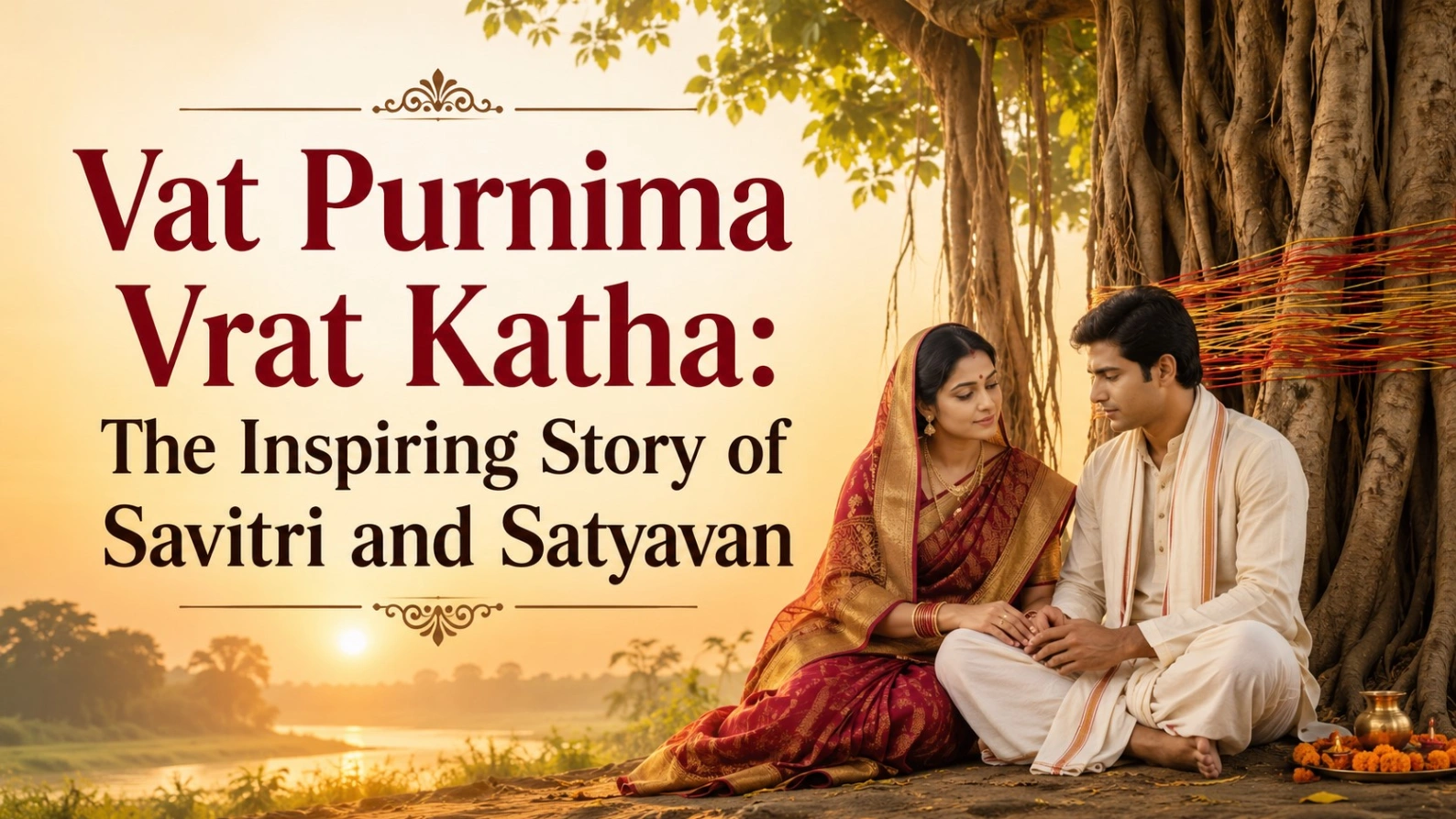
Vat Purnima Vrat is a Hindu observance associated with the worship of the vat vriksha, or banyan tree. The banyan tree is seen as a symbol of stability, long life, protection and continuity. Its wide branches and deep roots remind devotees of the strength required to sustain relationships, responsibilities and spiritual commitment over time.
On this day, many devotees perform Vat Purnima puja vidhi, offer prayers near a banyan tree, listen to or read the Savitri Satyavan Katha and observe a vrat according to their family tradition. Some people keep a full-day fast, while others follow a fruit-based or simple satvik vrat. Customs differ, so it is always best to follow the practices taught by elders, local temples or one’s family priest.
The vrat is not only about asking for blessings. It is also an opportunity to pause, pray with sincerity and reflect on the values that make a relationship meaningful: trust, patience, service, communication and inner strength.
Design Your Destiny
The story of Savitri reminds us that our inner strength becomes visible when life tests us. Join the Design Your Destiny program to explore practical spiritual tools for emotional balance, self-awareness and a more purposeful life. Learn how to respond consciously, build inner clarity and shape your life with wisdom.
Start Your Journey Today!The Story of Savitri and Satyavan
The Savitri and Satyavan story begins with King Ashwapati, who longed for a child. After years of prayer and devotion, he was blessed with a daughter named Savitri. She grew into a wise, graceful and deeply thoughtful young woman.
When it was time for Savitri to choose her life partner, she travelled and observed people carefully rather than making a hurried decision. During her journey, she met Satyavan, a noble and kind-hearted prince living a simple life in the forest. Satyavan was the son of King Dyumatsena, who had lost both his kingdom and his eyesight. The family had left royal life behind and lived quietly in the forest.
Savitri felt a deep connection with Satyavan and chose him as her husband. However, a warning was given that Satyavan’s life would be short and that he was destined to die within a year of their marriage.
This was a difficult moment. Savitri knew the future warning, yet she did not allow fear to make her decision for her. She had chosen Satyavan with a clear mind and stood by that choice. Her strength was not blind attachment. It was rooted in awareness, responsibility and love.
After marriage, Savitri left her royal comforts and began living with Satyavan and his parents in the forest. She served the family with humility and lived a simple, disciplined life. As the predicted day approached, Savitri prepared herself through prayer, fasting and inner focus.
Why Did Savitri Pray to Yamraj?
On the day foretold for Satyavan’s death, he went into the forest to collect wood. Savitri accompanied him. While working, Satyavan suddenly felt weak and rested with his head in Savitri’s lap. Soon after, Yamraj, the god of death in Hindu tradition, arrived to take Satyavan’s soul.
This is the most powerful part of the Vat Purnima Katha. Savitri did not collapse in despair. She followed Yamraj with calmness, respect and courage. Yamraj repeatedly asked her to return, but Savitri continued walking behind him. She spoke with dignity, wisdom and compassion.
Impressed by her devotion and clarity, Yamraj offered her blessings. Savitri did not immediately ask for personal comfort. She first sought blessings for her father-in-law, including the restoration of his sight and dignity. She also prayed for the well-being of her own family.
Finally, Savitri was granted a blessing that made it impossible for her to fulfil without Satyavan. Through her intelligence, devotion and presence of mind, she reminded Yamraj that her prayer could not be completed unless her husband was returned to life.
Yamraj recognised the depth of Savitri’s wisdom and restored Satyavan’s life. In the traditional telling, Satyavan returns, King Dyumatsena regains his sight and the family’s difficult period comes to an end.
How Did Savitri Bring Satyavan Back to Life?
The answer is not simply that Savitri cried, pleaded or demanded. The story shows that she combined devotion with wisdom. She remained respectful even in a moment of deep pain. She stayed focused rather than getting overwhelmed. And she used the boons she received thoughtfully.
This is what makes the Savitri Satyavan Katha so meaningful. Savitri’s strength was not loud or aggressive. It was quiet, clear and unwavering. She did not give up when faced with destiny. Instead, she responded with faith, intelligence and patience.
For many readers, this story is a reminder that love is not only emotional attachment. Real love also carries responsibility, courage and the ability to remain steady during uncertainty.
Vat Purnima Significance and the Banyan Tree
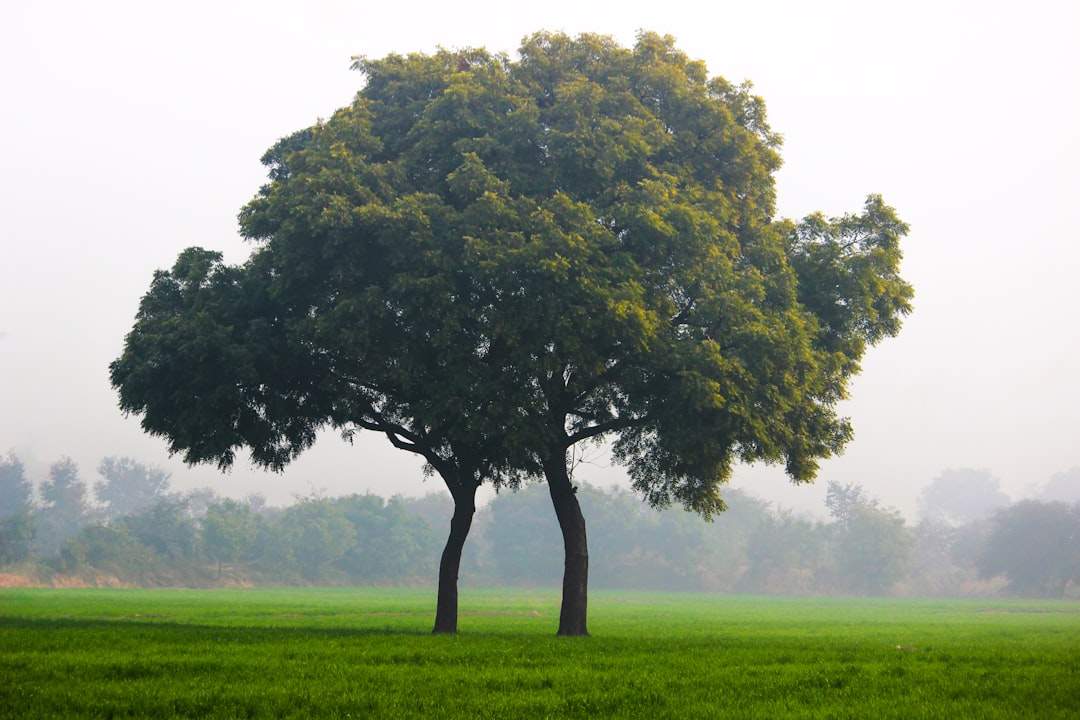
Why do women worship the banyan tree on Vat Purnima? In tradition, the banyan tree represents long life, endurance and protection. Its aerial roots grow downward and create new support systems, making the tree appear expansive and deeply rooted at the same time.
This symbolism beautifully connects with the meaning of the vrat. A strong relationship also needs roots in trust and values. It needs branches of care, flexibility and mutual support. Just as the banyan tree continues to expand while staying grounded, spiritual relationships grow stronger when they are built on patience and understanding.
The banyan tree worship significance is therefore not limited to a ritual act. It encourages devotees to think about the quality of their relationships, the way they face challenges and the kind of inner foundation they are creating in life.
Vat Savitri and Vat Purnima: Are They the Same?
Many people search for the difference between Vat Savitri and Vat Purnima because the names are often used together. Both observances are connected with the story of Savitri and Satyavan and include banyan tree worship. The difference is mainly based on regional calendar traditions.
In several North Indian communities, Vat Savitri Vrat is observed on Jyeshtha Amavasya. In Maharashtra, Gujarat and some other regions, Vat Purnima Vrat is commonly observed on Jyeshtha Purnima. The date and small ritual details may differ, but the central katha and spiritual significance remain the same.
So, whether your family calls it Vat Savitri Vrat or Vat Purnima Vrat, the most important part is to follow your local tradition with sincerity and understanding.
Vat Purnima Puja Vidhi at Home
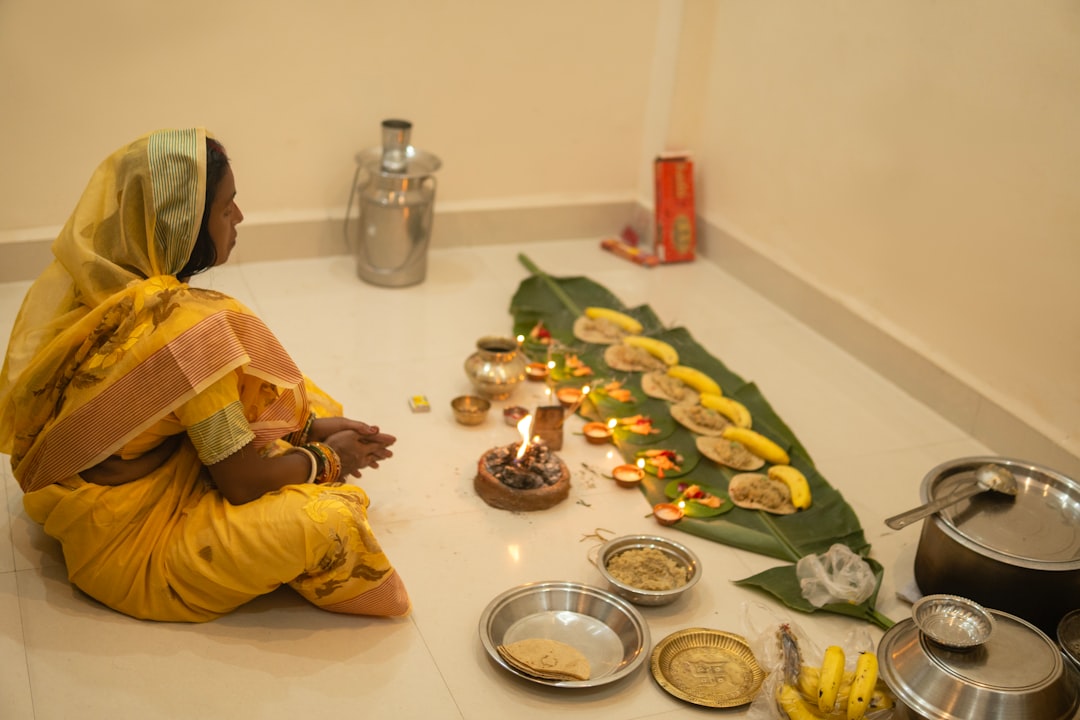
A simple Vat Purnima puja can be performed with devotion and cleanliness. Start by bathing and wearing clean clothes. Prepare a simple puja thali with items such as water, flowers, rice, roli or kumkum, fruits, incense and any offerings followed in your family tradition.
Visit a banyan tree if possible. If there is no banyan tree nearby, some families perform a symbolic prayer at home using a picture or representation of the tree. Offer water respectfully, place flowers and pray with a sincere heart.
Many devotees tie a sacred thread around the banyan tree while walking around it. The number of rounds and the method may differ by local custom, so do not feel pressured to follow a ritual you are unfamiliar with. The purpose is prayerful remembrance, not perfection.
After the puja, read or listen to the Vat Purnima Vrat Katha. Reflect on Savitri’s values, offer gratitude and conclude the prayer peacefully. Some families distribute prasad or share a simple meal after the vrat.
Vat Purnima Vrat Rules and Fasting Guidance
Vat Purnima vrat rules vary from family to family. Some devotees observe nirjala fasting, while others take water, milk, fruits or simple satvik food. The important thing is to choose a practice that is safe and sustainable for you.
Fasting should support prayer and mindfulness, not cause harm. Elderly people, pregnant women, children and those with medical concerns can follow a modified vrat or take simple satvik food. Devotion is not measured by physical hardship. A calm mind, sincere prayer and kind conduct are equally meaningful.
Many devotees also avoid arguments, negative speech and unnecessary distractions during the vrat. This makes the day a practice of inner discipline, not only a food-related fast.
Spiritual Lessons from the Savitri and Satyavan Story
The Savitri and Satyavan story has remained relevant because it is filled with timeless human lessons.
First, it teaches us to make important choices with awareness. Savitri knew Satyavan’s circumstances before marriage. Her decision came from clarity, not impulse.
Second, it teaches emotional strength. When Satyavan collapsed, Savitri did not lose her ability to think. She held grief and courage together.
Third, it shows the power of respectful communication. Savitri’s conversation with Yamraj is remembered because she spoke with intelligence and humility.
Finally, the story reminds us that devotion is not weakness. True devotion can create great inner strength. It can help a person remain grounded even when life feels uncertain.
In modern life, this message can be understood beyond ritual. Relationships need mutual care, emotional maturity and the willingness to stand with one another during difficult times. The Vat Purnima Vrat Katha invites us to build these qualities within ourselves.
Vat Purnima Vrat Benefits
Devotees observe Vat Purnima Vrat with faith for family harmony, marital well-being, inner peace and spiritual strength. The vrat is traditionally associated with prayers for the long life and welfare of one’s spouse.
Its deeper benefit is the chance to reconnect with values such as gratitude, loyalty, compassion and self-discipline. Reading the Savitri and Satyavan story can also inspire people to respond to difficult situations with patience rather than panic.
When practiced with understanding, Vat Purnima becomes a meaningful day of prayer, reflection and renewed commitment to one’s relationships.
Personal Session
When life feels confusing, personal guidance can help you see your path with greater clarity. Book a personal session to explore your challenges, strengthen emotional resilience and receive spiritual guidance aligned with your present journey.
Book Now