
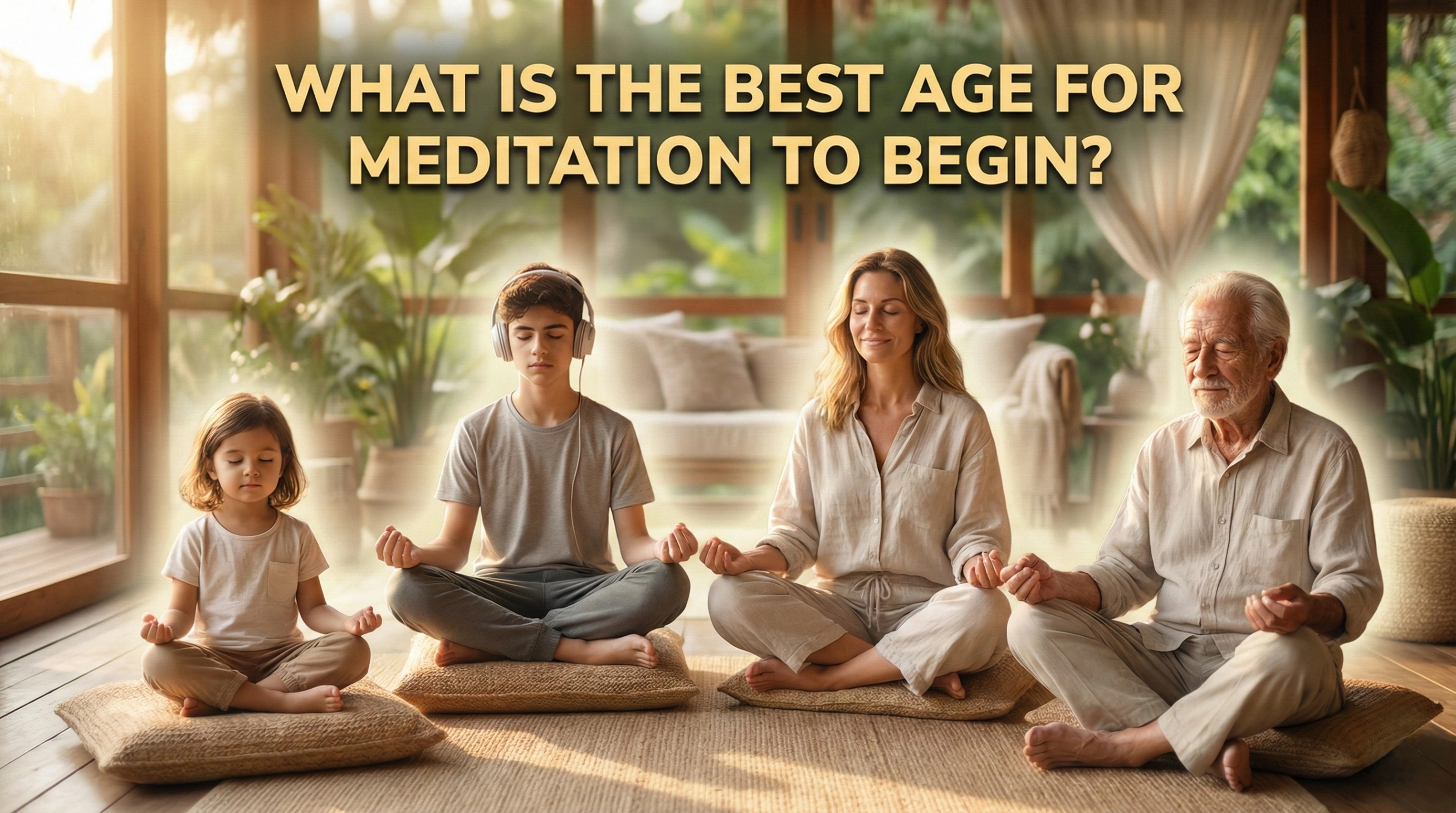
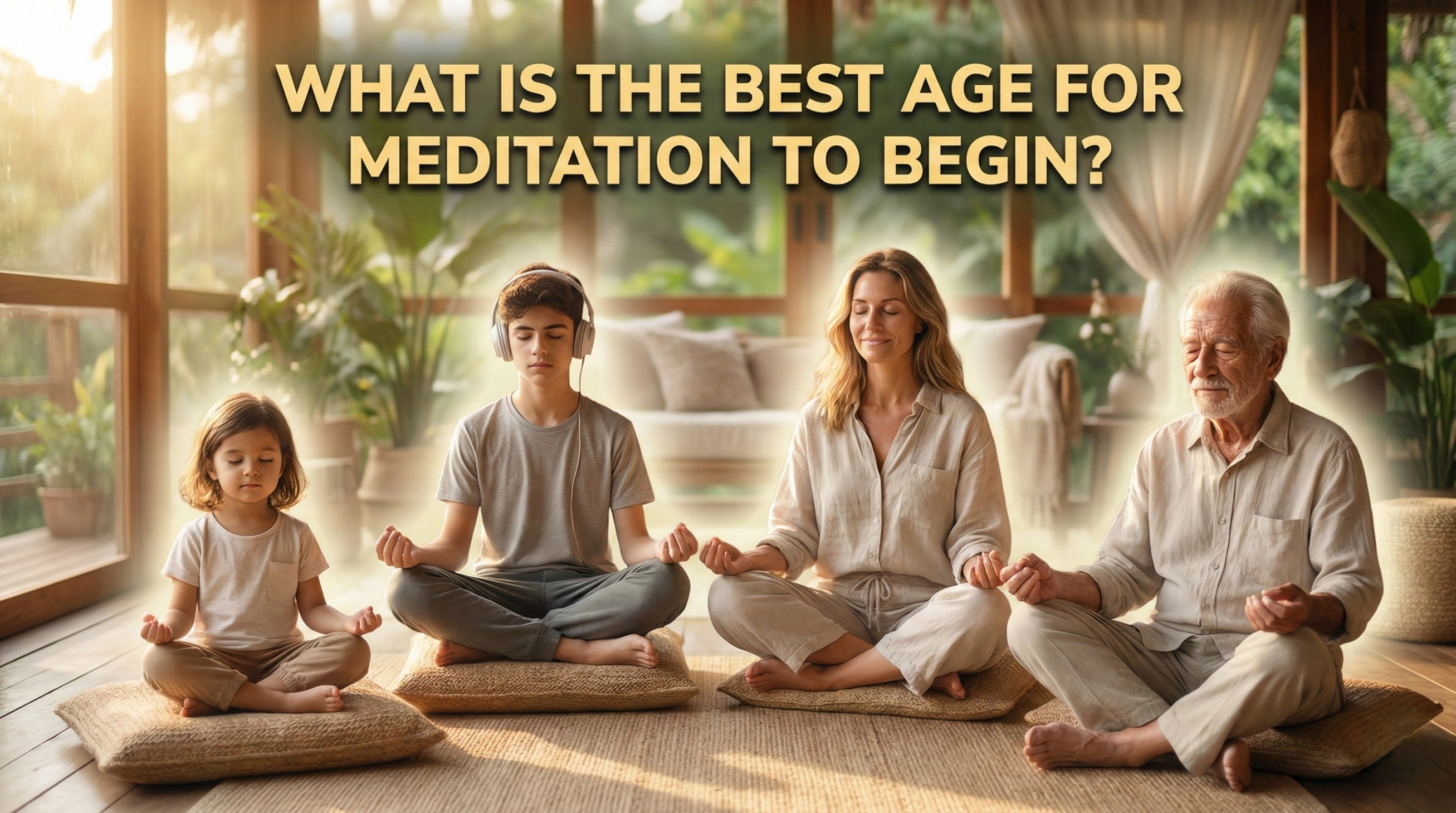
Meditation is often associated with monks, yogis, or people seeking spiritual awakening later in life. But a common question many beginners ask today is: what is the best age for meditation to begin? The simple and reassuring answer is; there is no single “perfect” age. Meditation has no age limit. Whether you are a child, teenager, adult, or senior, meditation can be practiced safely and effectively when approached in the right way.
In today’s fast-paced world, stress, distraction, and emotional imbalance start early in life. This makes meditation not just a spiritual tool, but a practical life skill. Understanding the right age for meditation, its benefits across different age groups, and how to start meditation properly can help you or your loved ones build mental peace, focus, and emotional strength at any stage of life.
Is There a Right Age for Meditation?
One of the biggest myths around meditation is that it requires maturity, discipline, or spiritual knowledge. In reality, meditation is simply the practice of awareness, breathing, and presence. These are natural human abilities, not age-dependent skills.
So, is there a right age for meditation?
The truth is: meditation can begin whenever the mind is capable of gentle awareness even as early as childhood.
What matters more than age is:
Simplicity of the practice
Consistency
Guidance appropriate to the age group
Different ages experience different benefits, and meditation techniques should be adapted accordingly.
Best Age for Meditation: Age-Wise Breakdown
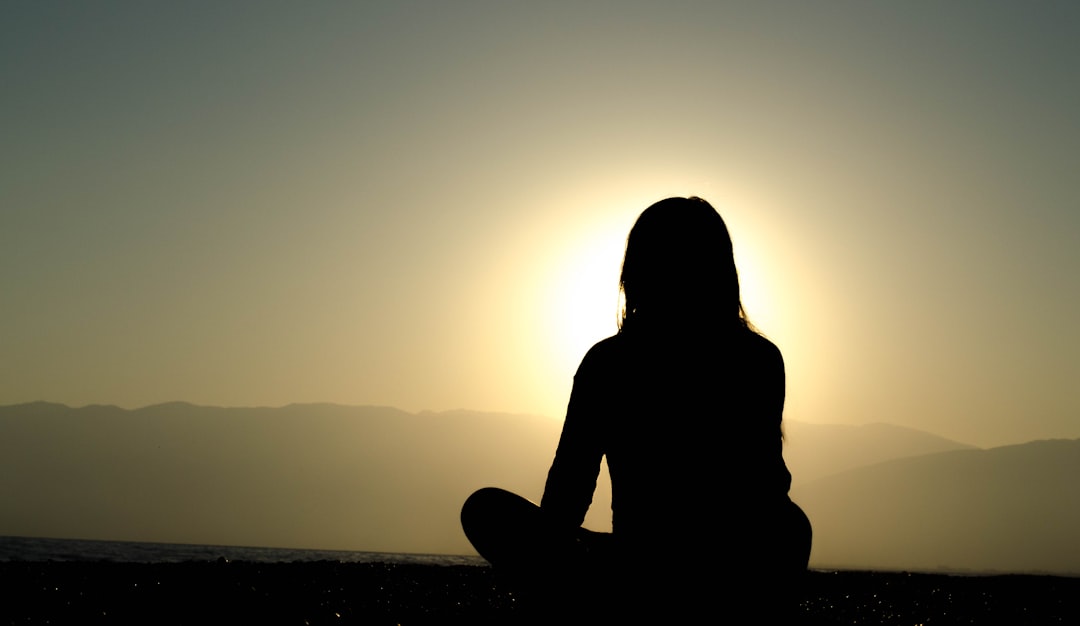
Let’s explore the best age for meditation by understanding how it supports mental and emotional growth at every life stage.
Meditation for Kids: At What Age Can Children Start?
Can children do meditation?
Yes, absolutely. Meditation for kids can begin as early as 4–5 years old, using playful and guided techniques.
At this age, meditation is not about sitting still for long periods. Instead, it focuses on:
Simple breathing awareness
Visualization
Gratitude practices
Short mindfulness exercises
Benefits of meditation for kids:
Improves focus and attention
Helps manage emotions
Reduces anxiety and hyperactivity
Builds self-confidence
Encourages kindness and patience
Mindfulness for kids is increasingly being introduced in schools because it helps children develop emotional intelligence early on. Even 2–5 minutes of daily meditation can make a noticeable difference.
Meditation for kids age: 4–12 years (guided and playful)
Meditation for Teenagers: Building Focus and Emotional Balance
Teenage years are emotionally intense. Academic pressure, identity confusion, social stress, and digital overload affect mental health deeply. This makes adolescence a powerful time to begin meditation.
Meditation for teenagers helps:
Reduce exam stress
Improve concentration and memory
Manage mood swings
Build self-awareness
Reduce anxiety and overthinking
At this stage, teenagers can handle slightly longer practices such as breath awareness, body scans, or guided meditation for beginners.
Best age to start meditation seriously: 13–19 years
Meditation at this age can shape lifelong habits of calmness, discipline, and emotional resilience.

Meditation for Adults: The Most Common Starting Age
Most people begin meditation in adulthood often during stressful phases of life. Career pressure, relationships, responsibilities, and uncertainty push adults to seek inner peace.
Meditation for adults is highly effective for:
Stress relief
Emotional balance
Mental clarity
Improved productivity
Better sleep
If you’re wondering when to start meditation, adulthood is never too late. Even starting at 30, 40, or 50 can bring transformative benefits.
Meditation for beginners age: Any adult age
The key is consistency rather than perfection.
Meditation for Seniors: Calm, Clarity, and Inner Peace
Meditation is especially beneficial for seniors. Aging often brings physical limitations, emotional transitions, and reflections on life. Meditation supports mental peace and emotional acceptance during this phase.
Meditation for seniors helps:
Reduce loneliness and anxiety
Improve memory and attention
Promote emotional stability
Enhance spiritual growth
Improve overall quality of life
Gentle breathing meditation, gratitude practices, and guided meditation for inner peace work best.
Meditation age limit: None
Meditation can be started even after 60 or 70 years of age.
Benefits of Meditation by Age
Meditation adapts to your needs as you grow. Here’s how the benefits evolve:
Children: Focus, emotional regulation, confidence
Teenagers: Stress management, self-awareness, discipline
Adults: Mental peace, productivity, emotional balance
Seniors: Inner calm, clarity, spiritual growth
This proves that asking “what is the best age for meditation to begin?” is less important than understanding how meditation supports each stage of life.
Meditation for Beginners: How to Start at Any Age
If you’re new and wondering how to start meditation, keep it simple.
Beginner Meditation Guide:
Start with 5 minutes daily
Focus on natural breathing
Sit comfortably (chair or floor)
Observe thoughts without judgment
Use guided meditation if needed
Meditation for beginners works best when there is no pressure to “empty the mind.” Awareness is enough.
Daily Meditation Practice: Consistency Over Age
The real power of meditation comes from regular practice, not age or experience. A daily meditation practice, even for a few minutes, builds long-term benefits.
Tips to maintain consistency:
Meditate at the same time daily
Choose a quiet space
Use reminders
Keep expectations realistic
Remember, meditation is a journey, not a destination.
Spiritual Growth Through Meditation
Beyond mental health, meditation supports deep inner transformation. As awareness grows, meditation leads to:
Inner peace
Compassion
Clarity of purpose
Emotional healing
Spiritual growth through meditation is not limited to any religion or age group. It unfolds naturally with practice and sincerity.
Is Meditation Safe for All Ages?
Yes, meditation is safe when practiced gently and appropriately. Avoid forcing long sessions, especially for children and beginners. If someone has severe mental health conditions, meditation should be practiced under professional guidance.
So, what is the best age for meditation to begin?
The honest answer is: the moment you feel the need for peace, clarity, or balance.
Meditation has no age limit, no rigid rules, and no fixed timeline. Whether you start at 5 or 50, meditation meets you where you are and grows with you.