


Guru Purnima is a sacred occasion dedicated to expressing gratitude towards the teachers, mentors and spiritual guides who remove confusion from our lives and lead us towards wisdom. Understanding what to do on Guru Purnima at home can help you celebrate the festival meaningfully, even when you are unable to visit an ashram, temple or your Guru in person.
You do not need an elaborate ceremony or expensive puja materials to experience the spiritual significance of Guru Purnima. A clean space, a sincere heart and a willingness to reflect on your Guru’s teachings are enough to make the day meaningful.
Guru Purnima is traditionally observed on the full moon day of the Hindu month of Ashadha. It is also called Vyasa Purnima in honour of Maharishi Ved Vyasa, who is traditionally associated with the Mahabharata and the organisation of Vedic knowledge. The festival represents gratitude for the Guru-Shishya Parampara, through which spiritual and practical wisdom is passed from one generation to another.

Guru Purnima 2026 Date and Timing
Guru Purnima 2026 will be celebrated on Wednesday, July 29, 2026.
For New Delhi, the Purnima Tithi is listed as beginning at 6:18 PM on July 28, 2026, and ending at 8:05 PM on July 29, 2026. Panchang timings can vary slightly depending on the city, so devotees should consult a local Panchang before selecting an exact Guru Purnima puja muhurat.
Although a particular muhurat may be followed for formal worship, Guru Purnima is not only about completing rituals at a fixed time. Its deeper purpose is to remember the guidance you have received, examine how sincerely you have applied it and renew your commitment to spiritual growth.
Design Your Destiny
Your destiny is shaped not only by what happens to you, but also by how consciously you respond to life. Join the Design Your Destiny program to understand your patterns, strengthen your inner awareness and learn practical spiritual tools for creating a more peaceful, purposeful and empowered life.
Start Your Journey Today!Begin the Day with Inner and Outer Cleanliness
One of the simplest Guru Purnima morning rituals is to wake up early, bathe and wear clean, comfortable clothes. Before beginning the Guru Purnima puja at home, clean the room or corner where you plan to meditate and pray.
The act of cleaning your surroundings can also become an inner practice. As you remove physical clutter, take a moment to notice the mental clutter you have collected through resentment, anxiety, comparison and unnecessary desires.
Try not to begin the day by immediately checking your phone or social media. Spend the first few minutes in silence. Take slow breaths and bring your attention to the feeling of gratitude. Remember the people who have guided you, including your spiritual Guru, parents, schoolteachers, mentors or anyone whose wisdom helped you make better choices.
Create a Simple Sacred Space at Home
To perform Guru Purnima puja at home, select a peaceful and clean area. Place a photograph of your Guru, spiritual master or Maharishi Ved Vyasa on a clean cloth. When a photograph is not available, you may place a sacred book, your Guru’s teachings or a diya in the space.
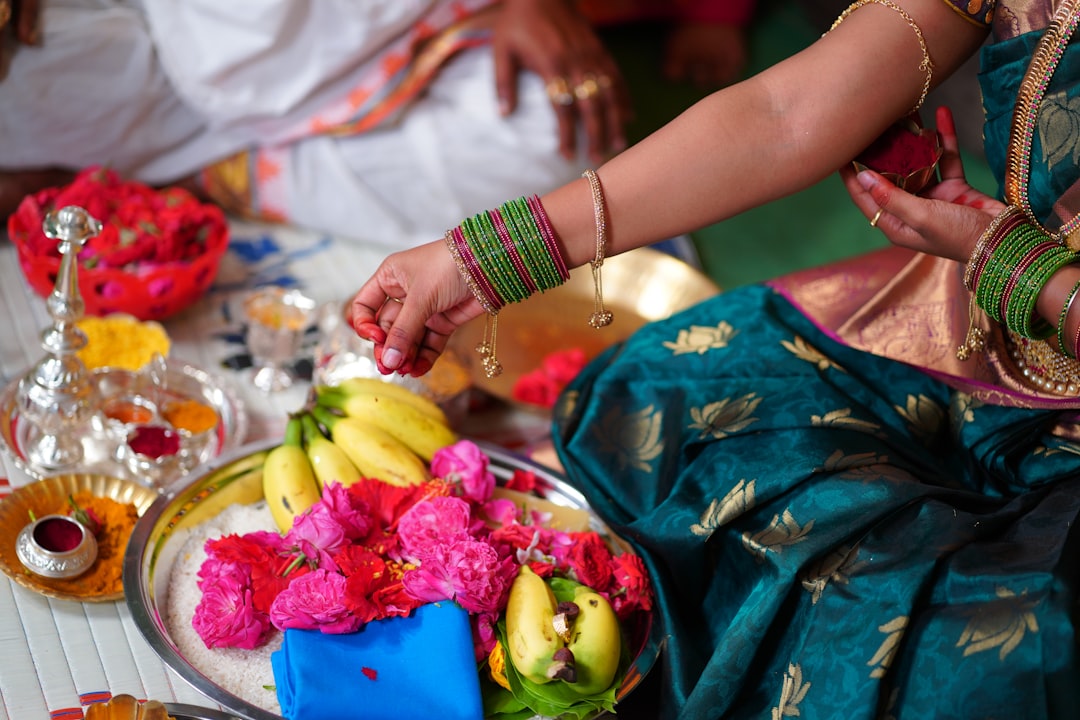
You may decorate the area with fresh flowers and place a small offering of fruit or sweets nearby. Traditional Guru Purnima puja samagri may include flowers, incense, a lamp, sandalwood paste, water, fruit and a clean cloth. However, there is no need to feel pressured to collect every item.
The purpose of the altar is to direct your attention towards gratitude and wisdom. A simple space created with devotion is more meaningful than an elaborate arrangement created only for appearance.
Perform Guru Purnima Puja with Devotion
Begin the Guru Purnima puja by sitting quietly and bringing your palms together. Light a diya or incense stick when it is safe to do so. Close your eyes and remember your Guru’s presence, teachings and blessings.
Offer flowers with gratitude. You may offer fruit, sweets or water symbolically. If you have received a particular Guru mantra, chant it according to the guidance given by your Guru or spiritual tradition.
Some devotees perform Guru Paduka Puja by worshipping symbolic sandals representing the feet of the Guru. The Guru’s feet traditionally represent humility, surrender and the path walked by the teacher. When you do not have Guru Padukas, you can simply bow before your Guru’s photograph or teachings.
Formal rituals differ between spiritual traditions. Therefore, followers of a particular lineage should give priority to the Guru Purnima puja vidhi taught by their own Guru or ashram rather than combining unfamiliar practices from different sources.
Chant Powerful Guru Purnima Mantras
Mantra chanting can help steady the mind and deepen your connection with the meaning of the day. One of the most widely recited verses honouring the Guru is:
Gurur Brahma Gurur Vishnu
Gurur Devo Maheshwarah
Guruh Sakshat Param Brahma
Tasmai Shri Gurave Namah
The verse honours the Guru as the principle through which knowledge is created, protected and transformed. Chant it slowly and focus on its meaning rather than trying to complete a large number of repetitions.
Another simple Guru mantra is:
Om Shri Gurave Namah
You may chant it 11, 21 or 108 times according to your comfort and established practice. There is no need to force yourself to reach a particular number. Calm, attentive chanting is more valuable than hurried repetition.
When your Guru has personally given you a mantra, that mantra should remain the focus of your Guru Purnima spiritual practice. Avoid changing its pronunciation or method based only on random online instructions.
Read or Listen to Your Guru’s Teachings
Guru Purnima is an ideal day to return to the teachings that originally inspired you. Read a chapter from your Guru’s book, listen to a discourse or revisit notes taken during a spiritual session.
Do not read only to collect information. Pause after every important teaching and ask yourself how it applies to your present life. You might recognise that you understand a teaching intellectually but have not yet practised it consistently.
Choose one lesson to apply during the coming month. It could be speaking more consciously, reducing anger, practising forgiveness, meditating regularly or becoming disciplined about your responsibilities.
Guru Purnima becomes transformative when gratitude turns into action. Honouring a Guru does not mean praising the teacher for one day while ignoring the teaching for the rest of the year.
Practise Guru Purnima Meditation at Home
Meditation is one of the most meaningful spiritual activities on Guru Purnima. Spiritual organisations commonly describe the day as an occasion for gratitude, reflection, meditation and renewed commitment to sadhana.
Sit comfortably with your spine relaxed but upright. Close your eyes and take a few natural breaths. Visualise your Guru or recall a moment when their guidance helped you overcome confusion.
Mentally offer your worries, pride, resistance and unanswered questions. You do not need to imagine receiving a dramatic message. Simply remain silent and receptive.
After a few minutes, ask yourself three questions: What have I learned during the past year? Which habits are preventing my growth? Which teaching am I now ready to live more sincerely?
Write the answers in a journal after meditation. This practice turns Guru Purnima into a day of honest self-assessment rather than only an external celebration.
Observe a Fast According to Your Health
Some devotees observe Guru Purnima vrat as an expression of discipline and devotion. Depending on family customs and personal health, they may eat fruits, milk, simple sattvic food or one light meal.
Fasting is not compulsory for everyone. Children, older adults, pregnant women, people taking medication and those with health conditions should not follow restrictive fasting without appropriate medical guidance.
You can still observe the spirit of fasting by avoiding overeating, processed food, intoxicants, angry speech, gossip and unnecessary digital distractions. A mental fast from negativity can be as meaningful as a dietary restriction.
The real purpose of Guru Purnima fasting rules is self-discipline, not punishment. Do not judge yourself or others according to how strictly a fast is observed.
Express Gratitude to Your Guru
When possible, send your Guru a respectful message, letter or prayer expressing gratitude. Keep the message sincere rather than overly decorative. Mention one specific teaching that has influenced your life and how you are trying to practise it.
When your Guru is not physically present, offer gratitude mentally. Distance does not prevent you from honouring the wisdom you have received.
You may also thank teachers, parents, mentors and elders who supported your development. Guru Purnima wishes for teachers can acknowledge that education is not limited to academic knowledge. A genuine teacher helps us recognise our potential, question our assumptions and become more responsible.
Practise Seva and Charity
Seva is a powerful way to convert devotion into compassionate action. You may donate food, support a child’s education, help an older person, feed animals or volunteer for a cause connected with your Guru’s mission.
Your act of Guru Purnima donation does not need to be public. Avoid turning charity into a performance for social media. Quiet service offered without seeking praise reflects the humility associated with the Guru-Shishya relationship.
You can also practise seva at home by helping family members without being asked, listening patiently to someone or resolving a disagreement with maturity.
When choosing a charity, use a trustworthy organisation and verify how donations are used. Spiritual intention should be accompanied by practical responsibility.
Reflect on the Meaning of Guru Kripa
Guru Kripa is often understood as the grace or guidance of the Guru. It should not be treated as a promise that every problem will disappear without effort.
A Guru may offer direction, awareness and encouragement, but the disciple must still practise the teaching. Grace becomes visible when you are willing to recognise your patterns, correct your behaviour and walk the path shown to you.
The Art of Living describes Guru Purnima as a day for reviewing one’s spiritual growth, while Isha presents it as a time for gratitude and receptivity to the Guru’s guidance. These perspectives highlight that Guru Purnima is not merely ceremonial. It is an opportunity to examine whether knowledge has produced a real change in the way you live.
What Not to Do on Guru Purnima
Avoid reducing Guru Purnima to social media greetings, decorations or ritual completion. Messages and Guru Purnima quotes can express affection, but they should not replace genuine reflection.
Do not compare your Guru, tradition or method with someone else’s. Different spiritual lineages may follow different mantras and rituals. Respect those differences.
Avoid making unrealistic promises that you will completely transform overnight. Choose one practical commitment that you can maintain. Consistent daily practice is more meaningful than temporary emotional enthusiasm.
Most importantly, do not follow unfamiliar rituals blindly. Seek guidance from your Guru, family tradition or a knowledgeable teacher when you are unsure.
Make a Spiritual Commitment for the Coming Year
Before ending your Guru Purnima celebration at home, write down one clear sankalpa or spiritual intention. It should be simple and measurable.
You might commit to meditating for ten minutes every morning, reading one page of spiritual literature daily, responding calmly during conflict or attending regular satsang.
Place this intention in your journal or near your meditation space. Review it every month. On the next Guru Purnima, reflect honestly on the progress you made.
This yearly review gives the festival a lasting purpose. It reminds you that the greatest offering to a Guru is not a flower, sweet or public tribute. It is a life gradually transformed by the Guru’s wisdom.
Personal Session
Are you feeling confused, emotionally stuck or uncertain about the next step in your spiritual journey? Book a personal session for individual guidance, deeper clarity and practical support tailored to your present challenges and personal growth.
Book Now