
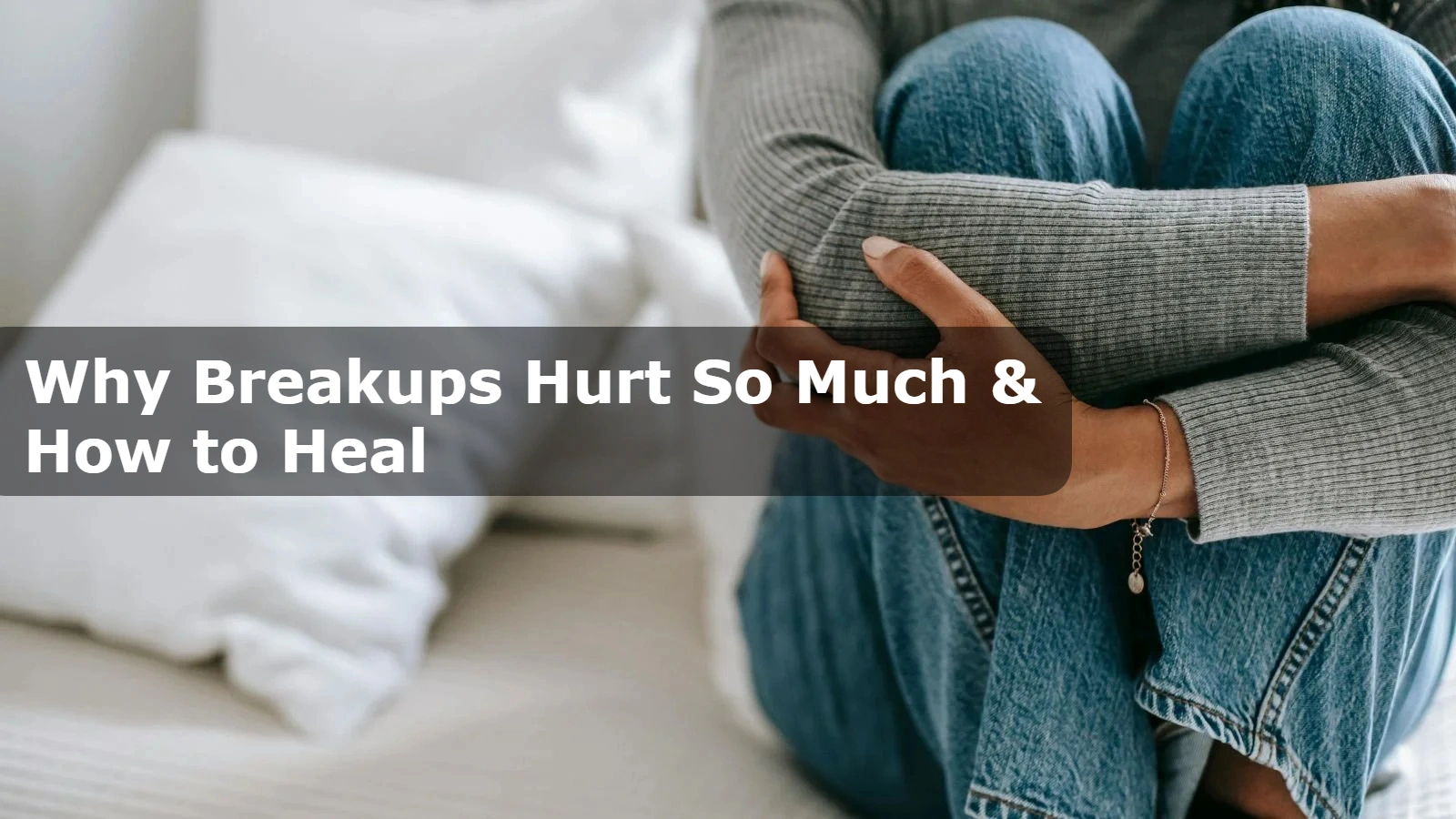
Breakups are one of life’s most emotionally challenging experiences. They leave us feeling lost, confused, and overwhelmed with pain. Many people ask themselves, “Why breakups hurt so much?” or “Why do breakups hurt even when I know it’s for the best?” The truth is that heartbreak is a natural, biological, and psychological response. Love triggers strong connections in our brains, activating reward pathways and chemicals like dopamine and oxytocin, which create feelings of attachment, happiness, and comfort. When a relationship ends, our brain experiences a form of withdrawal, leading to emotional pain that can feel almost unbearable. Understanding the reasons behind this pain is the first step toward healing and recovery.
Understanding the Emotional Pain After a Breakup
The emotional pain after a breakup is not just “in your head.” It is real, and it can manifest as anxiety, depression, sleep disturbances, or even physical symptoms like fatigue and loss of appetite. Many people ask, “Why am I still hurting after a breakup?” or wonder how long it takes to feel better. Healing after a breakup is not instantaneous because it involves processing grief, detaching emotionally from a former partner, and rebuilding your sense of self. The pain may intensify if the breakup was unexpected, if the relationship was long-term, or if the breakup left unresolved questions or regrets.
The Psychological Impact of Breakups
When a relationship ends, it challenges your sense of identity, self-worth, and emotional stability. People often experience feelings of rejection, loneliness, and guilt. These emotions are natural and part of the breakup healing process. Understanding that your feelings are valid is essential for coping with a breakup. Attempting to suppress emotions or pretending that everything is fine may prolong recovery. Instead, acknowledging your pain, reflecting on the relationship, and giving yourself permission to grieve are key steps in emotional recovery.
Coping With Breakup Pain
Learning how to cope with a breakup effectively is crucial to minimize emotional suffering and promote healing. Coping mechanisms may vary from person to person, but some universal strategies have proven effective:
Self-Care: Prioritize your physical and mental health. Eat nourishing foods, get enough rest, exercise, and practice mindfulness or meditation. These practices not only improve mood but also reduce stress.
Journaling: Writing down your thoughts and feelings can help process complex emotions, recognize patterns, and gain clarity about the breakup.
Support System: Lean on trusted friends and family for emotional support. Sharing your feelings reduces emotional burden and helps you feel less isolated.
Avoid Unhealthy Habits: Refrain from excessive alcohol, substance use, or impulsive actions that may worsen emotional distress.
Coping effectively can make breakup pain recovery faster and smoother. Remember, healing doesn’t mean forgetting the relationship; it means learning to live without the attachment that once caused so much happiness—and pain.
The Stages of Healing After a Breakup
The process of healing after a breakup often follows several emotional stages, similar to grief:
Shock and Denial: Initially, you may struggle to accept that the relationship has ended. It’s normal to feel disbelief or numbness.
Pain and Sadness: Emotional pain peaks during this stage. Crying, sadness, and frustration are common and necessary to release pent-up emotions.
Reflection and Self-Discovery: After initial grief, you begin analyzing the relationship, understanding what went wrong, and recognizing your personal needs and boundaries.
Acceptance: This stage involves coming to terms with the breakup, letting go of past expectations, and embracing life without your ex.
Rebuilding and Moving On: You start engaging in self-growth, new experiences, and building emotional resilience. This is where coping with breakup pain and moving on truly begins.
The duration of each stage varies from person to person. Many ask, “How long does it take to heal after a breakup?” While there’s no universal timeline, actively engaging in healing practices accelerates recovery.
Signs You Haven’t Fully Healed
Recognizing whether you are still struggling emotionally is important. Some signs that indicate you haven’t fully healed from a breakup include:
Constantly thinking about your ex or wishing for reconciliation.
Comparing new people or experiences to your past relationship.
Feeling intense jealousy or anger when your ex appears happy.
Avoiding social interactions or new relationships due to lingering attachment.
Experiencing frequent mood swings or obsessive thoughts about the breakup.
Awareness of these signs allows you to address them consciously, making tips for healing from heartbreak more effective and preventing emotional stagnation.
Practical Steps to Move On
Moving on after a breakup can feel daunting, but with consistent effort, it’s possible to regain peace and happiness. Here are actionable steps:
Set Boundaries: Limit contact with your ex, at least temporarily, to give yourself space to heal.
Engage in New Activities: Pursue hobbies, travel, or learn new skills. Focusing on personal growth helps shift attention away from the past.
Rediscover Yourself: Use this time to explore interests and passions that may have been neglected during the relationship.
Practice Gratitude and Mindfulness: Appreciating small joys and staying present reduces emotional overattachment and promotes inner peace.
Seek Professional Support: If emotional pain is severe or persistent, therapy or counseling can provide guidance and coping tools.
These steps are integral to the breakup healing process and aid in successfully moving forward. How to move on after a relationship ended requires patience, self-compassion, and a commitment to personal well-being.
Healing Emotionally and Spiritually
For many, healing is not just psychological but also spiritual. Practices like meditation, mindfulness, or journaling about gratitude can help calm the mind and foster self-awareness. Spiritual healing helps you detach from the past while nurturing hope and resilience. Over time, you may even feel gratitude for the lessons learned from the relationship, transforming heartbreak into a catalyst for personal growth.
Breakups hurt because they challenge the deepest emotional and psychological parts of ourselves. Understanding why breakups hurt so much and implementing strategies for healing—such as coping mechanisms, self-care, reflection, and personal growth—can help you recover more effectively. Healing is not linear, and emotional pain is a natural part of the process. By acknowledging your feelings, taking conscious steps to recover, and gradually moving forward, you can transform heartbreak into an opportunity for self-discovery, growth, and eventual happiness. Remember, every heartbreak carries a lesson, and with time, patience, and effort, emotional wounds can heal, making room for new beginnings and stronger relationships in the future.
Frequently Asked Questions (FAQs)
1. Why do breakups hurt so much even if I knew it was the right decision?
Breakups trigger emotional and neurological responses tied to attachment and reward systems in the brain. Even when rationally knowing it’s best, the emotional pain can be intense.
2. How long does it take to heal after a breakup?
Healing varies from person to person. Some may recover in weeks, others in months. Engaging in self-care and coping strategies can accelerate emotional recovery.
3. How can I cope with breakup pain effectively?
Focus on self-care, journaling, meditation, spending time with supportive friends, and avoiding unhealthy distractions. Allow yourself to feel emotions without judgment.
4. What are the signs that I haven’t healed from a breakup?
Obsessive thoughts about your ex, jealousy, inability to engage in new relationships, and frequent emotional triggers indicate incomplete healing.
5. What to do when a breakup hurts badly?
Give yourself space to grieve, express emotions, lean on support systems, and focus on building a fulfilling life outside of the past relationship.
6. Can heartbreak lead to personal growth?
Absolutely. Heartbreak can foster resilience, self-awareness, emotional intelligence, and help develop healthier patterns in future relationships.