

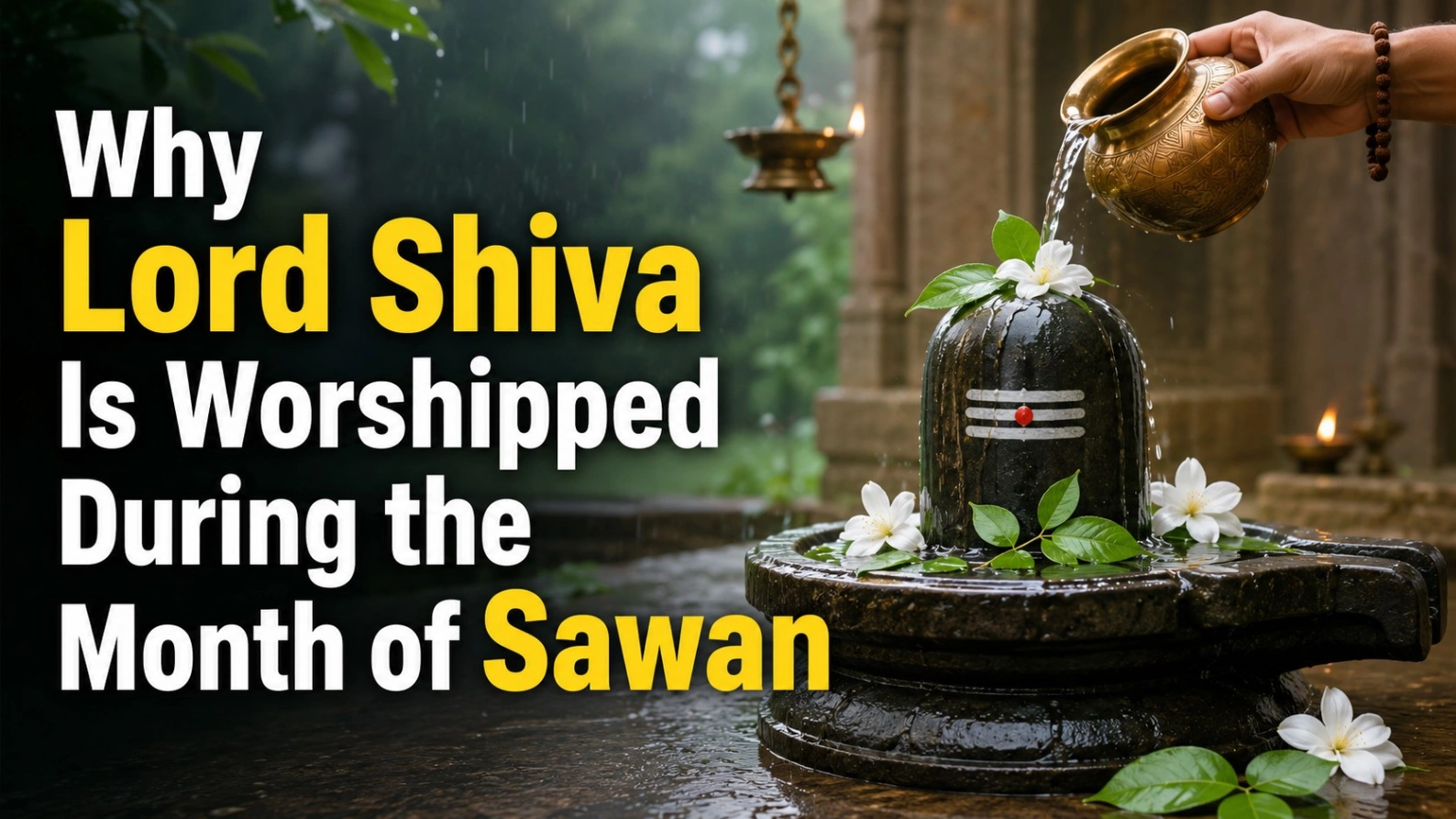
Sawan, also known as Shravan month, is one of the most sacred periods in the Hindu calendar. Across India, temples fill with the sound of “Om Namah Shivaya,” devotees perform Jalabhishek, and many people observe Sawan Somwar vrat with deep faith. However, why Lord Shiva is worshipped in Sawan cannot be explained by one tradition alone. The connection brings together mythology, seasonal symbolism, fasting, inner purification and the spiritual qualities represented by Shiva himself.
For devotees, Sawan is not merely a month of rituals. It is an opportunity to slow down, turn inward and release the mental and emotional burdens accumulated throughout the year. Shiva, who represents meditation, transformation, detachment and fearlessness, becomes the central focus of this sacred period.
Sawan 2026 Start Date, End Date and Somwar Dates
In North India, where the Purnimanta lunar calendar is generally followed, Sawan 2026 begins on Thursday, July 30, and ends on Friday, August 28. The four Sawan Somwar dates are August 3, August 10, August 17 and August 24.
In states following the Amanta lunar calendar, including Maharashtra, Gujarat, Karnataka, Goa, Andhra Pradesh, Telangana and Tamil Nadu, Shravan month 2026 begins on August 13 and ends on September 11. The Sawan Somwar dates under this calendar are August 17, August 24, August 31 and September 7.
Since the Sawan start date 2026 and Sawan end date 2026 differ according to the regional calendar, devotees should consult the panchang followed by their family, temple or locality.
Design Your Destiny
Sawan is an invitation to release old patterns and create a more conscious life. Join the Design Your Destiny program to understand your inner conditioning, strengthen self-awareness and transform spiritual wisdom into practical changes in your thoughts, actions and relationships.
Start Your Journey Today!The Sacred Connection Between Lord Shiva and Sawan
The significance of Sawan month comes largely from its long-standing association with Lord Shiva. Devotees regard the entire month as an auspicious time for Shiva worship during Shravan, while Mondays are observed with special devotion as Sawan Somwar.
People visit Shiva temples, offer water and Bilva Patra, chant mantras, meditate and simplify their food and daily routines. Many also observe Shravan Somwar vrat and perform Lord Shiva puja at home.
At a deeper level, Lord Shiva and Sawan appear naturally connected. Sawan arrives during the monsoon season, when dry land begins to cool, rivers fill and nature becomes green again. Shiva represents transformation, stillness, detachment and the ability to face negativity without being consumed by it.
The rainy season therefore becomes a meaningful background for spiritual cleansing and renewal. Just as rain washes dust from the earth, devotion during Sawan encourages people to clear anger, pride, jealousy and restlessness from the mind.
The Story of Samudra Manthan and Lord Shiva
One of the best-known explanations for why Sawan is dedicated to Lord Shiva comes from the story of Samudra Manthan, the churning of the cosmic ocean.
According to Hindu tradition, the devas and asuras churned the ocean in search of amrita, the nectar of immortality. Before the nectar appeared, a deadly poison known as halahala emerged from the ocean. The poison was believed to be powerful enough to destroy creation.
To protect the universe, Lord Shiva consumed the poison. It remained in his throat, turning it blue and giving him the name Neelkanth, meaning “the blue-throated one.” The Samudra Manthan episode and Shiva’s act of consuming the poison are described in devotional traditions connected with Shravan.
Devotional retellings connect this event with the month of Sawan and explain that water was offered to Shiva to cool and soothe the effects of the poison. This story became one of the main reasons devotees perform Shivling Jalabhishek during Sawan.
The Neelkanth story is not only about a mythological event. It also offers a powerful spiritual lesson. Shiva did not allow the poison to spread through his entire being. Symbolically, this teaches devotees that negative experiences may enter life, but they do not have to control one’s thoughts, words and actions.
True strength is not the absence of suffering. It is the ability to face suffering without passing that pain on to others.
Why Is Jalabhishek Performed During Sawan?
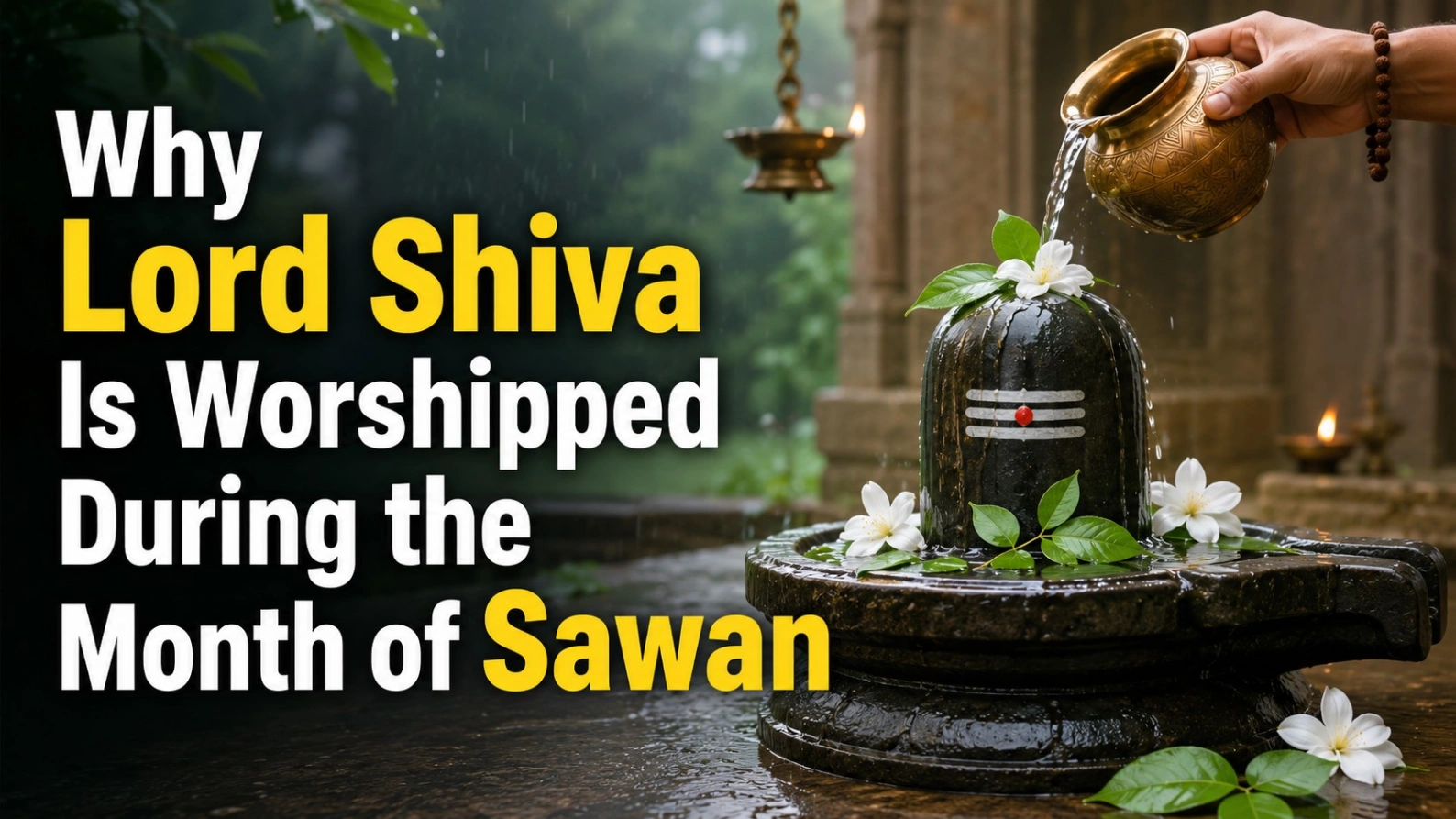
Jalabhishek in Sawan involves gently pouring clean water, and in some traditions Gangajal, over the Shivling while praying or chanting a Shiva mantra. Some devotees also perform Rudrabhishek in Sawan using prescribed offerings and sacred chants.
The stream of water has a powerful symbolic meaning. Water cools, cleanses and continues to flow. When it is offered to Shiva, it can represent the devotee’s desire to cool anger, cleanse the mind and surrender emotional burdens.
The external offering becomes spiritually meaningful when it is accompanied by an internal offering. A devotee may symbolically surrender pride, fear, resentment, greed, attachment or restlessness at the feet of Shiva.
This explains why water is offered to Shivling in Sawan. The ritual is not simply performed to ask for material blessings. It is also an expression of gratitude, surrender and inner purification.
Customs may differ between families and temples. Devotees should therefore follow their own tradition and respect the rules of the temple they visit.
Why Are Mondays Important During Sawan?
Monday, or Somwar, has traditionally been associated with Lord Shiva. The word “Som” is also connected with the Moon, which Shiva carries on his matted hair in his Chandrashekhar form.
In spiritual symbolism, the Moon is often associated with the mind and emotions, while Shiva represents awareness, stillness and mastery over the mind. Worshipping Shiva on Monday can therefore be understood as a practice of bringing a restless mind into a calmer and more balanced state.
Every Monday during Shravan is known as Sawan Somwar or Shravan Somwar. These Mondays are regarded as especially auspicious for prayer, fasting, temple visits and Shiva mantra chanting.
Many devotees observe Sawan Somwar vrat by fasting completely, eating fruits, consuming vrat-friendly food or taking one simple sattvic meal. The exact Sawan Somwar fasting rules differ according to personal health, family customs and regional traditions.
A fast should not be treated as a punishment or a test of physical endurance. Its spiritual purpose is restraint, remembrance and the creation of more time and attention for prayer.
Why Do Devotees Observe Sawan Somwar Vrat?
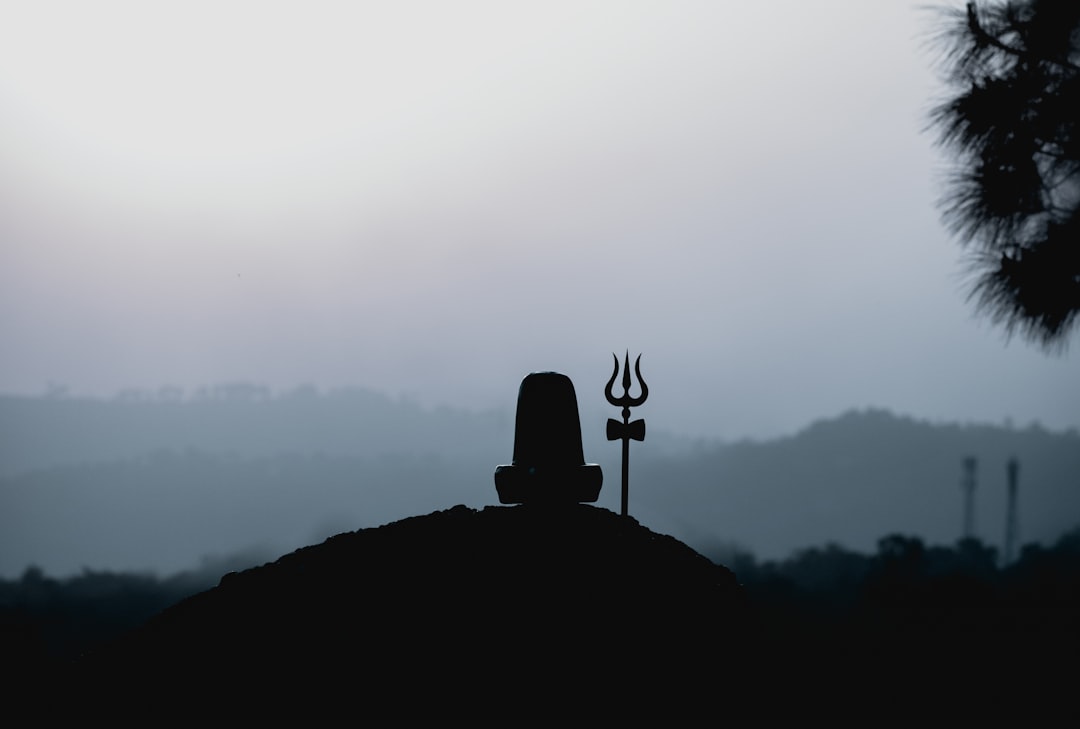
People observe Sawan Somwar vrat for different reasons. Some pray for peace, good health, family harmony or strength during a challenging phase. Others seek spiritual progress and freedom from unhealthy habits.
Some unmarried devotees observe the vrat while praying for a suitable life partner. This tradition is often associated with the devotion of Goddess Parvati, who is believed to have performed deep penance to unite with Lord Shiva.
However, the benefits of Sawan Somwar vrat should be understood within the context of religious faith. Fasting cannot guarantee marriage, wealth, success or the fulfilment of every desire.
Its deeper benefit lies in the discipline it develops. When practised sincerely, fasting can encourage self-control, patience, gratitude and awareness of one’s habits.
Why Is Bilva Patra Offered to Lord Shiva?
Offering Bilva Patra, also known as Bel Patra, is another widely followed part of Sawan Shiva puja.
A Bilva leaf generally has three leaflets. Devotional interpretations connect these three leaflets with Shiva’s three eyes, the three gunas or the purification of body, mind and speech. Interpretations may vary, but the central feeling behind the offering is simplicity and surrender.
Lord Shiva is often called Bholenath, the innocent and easily pleased one. His worship does not necessarily require expensive decorations or elaborate offerings. A simple Bilva leaf and clean water offered with devotion are considered meaningful in many traditions.
Devotees may also offer flowers and other items according to their customs. Before deciding what to offer on Shivling, it is advisable to respect temple rules because practices involving milk, flowers and other substances may differ.
The spiritual value of an offering does not come from its price. It comes from the awareness, gratitude and sincerity with which it is offered.
The Spiritual Significance of Sawan
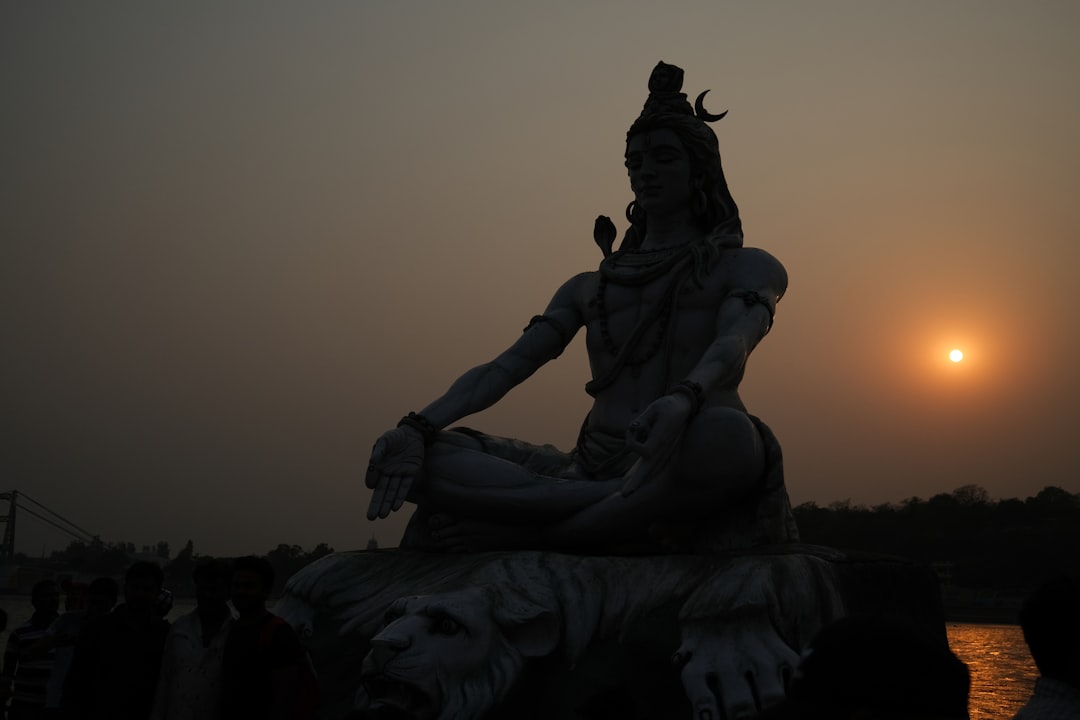
The spiritual significance of Sawan goes beyond external ritual worship. Lord Shiva is frequently depicted in deep meditation, unaffected by surrounding noise yet fully aware of existence.
His image invites devotees to pause and look inward. Sawan can therefore become a month of observing thoughts, reducing unnecessary speech, releasing unhealthy habits and acting with greater awareness.
Shiva is also associated with dissolution and transformation. Spiritually, dissolution does not only mean physical destruction. It can mean the ending of ignorance, ego, attachment and old emotional patterns.
When someone asks what happens when you worship Lord Shiva in Sawan, the most grounded answer is that consistent worship creates a structure for self-reflection. It gives devotees a reason to slow down, develop discipline and remember what truly matters.
The monsoon adds another layer to this symbolism. Rain renews the earth, while spiritual practices renew patience, faith and compassion. Sawan becomes an invitation to begin again with a clearer mind and a softer heart.
How to Worship Lord Shiva During Sawan at Home
Lord Shiva puja at home does not need to be complicated. Begin by bathing and cleaning the prayer space. Sit quietly for a few moments and set a sincere intention for the worship.
If a Shivling is worshipped in your home, you may offer clean water according to your tradition. You may then offer Bilva leaves or flowers, light a lamp safely and chant “Om Namah Shivaya” slowly and attentively.
You may also recite or listen to the Mahamrityunjaya Mantra, read a sacred passage connected with Shiva or spend a few minutes in silent meditation.
A simple Sawan puja vidhi can include:
Cleaning yourself and the worship area
Taking a sincere sankalpa or intention
Performing Jalabhishek
Offering Bilva Patra or flowers
Chanting Om Namah Shivaya
Offering a personal prayer
Sitting silently for a few minutes
The purpose is not to rush through as many rituals as possible. The purpose is to become present and develop a genuine connection with the divine.
Those performing a formal Rudrabhishek or an elaborate Sawan Somwar puja vidhi should seek guidance from a knowledgeable priest or trusted spiritual teacher.
Sawan Somwar Vrat Rules
Sawan vrat rules differ across regions and households. Some devotees avoid grains and eat fruits, milk products or vrat-friendly foods. Others take one vegetarian meal without onion and garlic, while some observe a water-only or complete fast.
There is no single fasting method followed by everyone. The form of fasting should be selected according to personal health and family tradition.
Children, older adults, pregnant or breastfeeding women, and people with diabetes, chronic illnesses or regular medication should not follow restrictive fasting without medical guidance. Devotion should never be measured by physical suffering. Meditation and mantra chanting are also suggested alternatives for people unable to fast.
Prayer, charity, self-control, compassionate action and simple vegetarian meals can also be meaningful ways to observe Sawan.
Simple Spiritual Practices for Sawan
You can honour the importance of Shravan month through small daily practices. Chant Om Namah Shivaya attentively, meditate for a few minutes, speak more consciously and reduce unnecessary conflict.
Try to observe your reactions before acting on them. When anger appears, pause before speaking. When fear appears, remember Shiva’s fearlessness. When pride appears, practise humility.
You may also help someone in need, feed animals responsibly, donate food or spend time supporting a person going through difficulty.
The best Sawan rituals are those that continue to influence behaviour after the puja has ended. Offering water to Shiva while holding on to bitterness misses the heart of the practice.
True worship begins when calmness enters speech, responsibility enters action and compassion enters relationships.
Why Lord Shiva is worshipped during Sawan month can be understood through mythology, devotion and inner symbolism.
The story of Samudra Manthan remembers Shiva as Neelkanth, the protector who consumed poison to save creation. Jalabhishek expresses gratitude, purification and surrender. Sawan Somwar vrat encourages discipline, while Shiva mantra chanting draws attention inward.
Yet the deepest purpose of Lord Shiva worship in Sawan is transformation. The month asks devotees not only to offer water, Bilva leaves and prayers, but also to release anger, ego and harmful habits.
When ritual becomes self-awareness and devotion produces better conduct, the sacred connection between Lord Shiva and Sawan becomes a lived spiritual experience.
Personal Session
Are you seeking clarity in your spiritual journey, relationships or important life decisions? Book a personal session for focused guidance, deeper self-understanding and practical spiritual steps suited to your present situation.
Book Now