


In today’s fast-paced world, many people are silently carrying emotional weight like stress, anxiety, overthinking, and a deep sense of disconnection. This is where yoga for emotional healing becomes more than just a physical practice, it becomes a path to transformation. Yoga is not only about flexibility or fitness; it is a powerful tool for mental health, inner peace, and spiritual healing.
If you’ve ever wondered how yoga can truly help you feel lighter, calmer, and more connected within, this guide will help you understand the deeper healing it offers.

What Does Emotional and Spiritual Healing Mean?
Before we dive into how yoga helps, let’s understand what healing really means.
Emotional healing is the process of releasing suppressed feelings like fear, anger, sadness, or past trauma. It’s about finding balance again.
Spiritual healing, on the other hand, is about reconnecting with your inner self, your true essence beyond thoughts and emotions. It’s where you experience peace without external validation.
Yoga beautifully bridges both.
Personal Session
If you feel stuck, overwhelmed, or emotionally drained, a personal session with Sakshi Shree can guide you toward clarity, healing, and inner peace.
Book NowHow Yoga Heals the Mind and Body
Yoga works on multiple levels like physical, mental, emotional, and energetic. Unlike quick fixes, it offers a holistic wellness approach.
1. Releases Stored Emotional Energy
Our body stores emotions. Stress can settle in your shoulders, fear in your gut, and anxiety in your chest.
Through yoga for emotional balance, gentle stretches and postures help release this stored energy. That’s why sometimes you may feel emotional after a yoga session, it’s your body letting go.
2. Calms the Nervous System
One of the biggest reasons people struggle today is a constantly activated stress response.
Practices like deep breathing (pranayama) and slow movements activate the parasympathetic nervous system, helping you relax.
This is why yoga for stress relief and anxiety is so effective, it brings your body back to safety.
3. Reduces Overthinking and Mental Noise
If your mind is always racing, yoga helps you slow down.
By focusing on breath and movement, you become present. This mindfulness reduces overthinking and enhances clarity.
Over time, yoga for mental health helps you respond to situations calmly instead of reacting impulsively.
4. Builds Awareness and Self-Connection
Most emotional pain comes from being disconnected from ourselves.
Yoga teaches awareness like of your breath, body, and thoughts. This awareness is the first step toward healing.
Through yoga for mindfulness and awareness, you begin to understand your triggers instead of being controlled by them.
Yoga and Spiritual Healing: A Deeper Connection
Beyond emotional healing, yoga opens the door to spiritual growth.
5. Connects You with Your Inner Self
Yoga is not just exercise, it’s a journey inward.
When practiced regularly, it helps you detach from external noise and connect with your true self. This is where yoga for spiritual awakening begins.
6. Balances Energy (Chakra Healing)
According to yogic science, our body has energy centers (chakras). When blocked, they cause emotional imbalance.
Specific postures and breathing techniques help unblock these centers, promoting energy healing through yoga.
This is why many people experience clarity, lightness, and emotional release after practice.
7. Creates Inner Peace and Stillness
One of the most beautiful outcomes of yoga is stillness.
Not silence outside, but calm within.
With consistent practice, yoga for inner peace allows you to stay centered even when life feels chaotic.
Benefits of Yoga for Emotional and Spiritual Wellness
Here’s what regular practice can bring into your life:
Reduced stress and anxiety
Better emotional balance
Improved mental clarity
Deep relaxation and better sleep
Stronger connection with self
Increased self-awareness
Natural healing without dependency
This is why yoga for wellness is becoming a lifestyle, not just a routine.
Best Yoga Practices for Emotional Healing
If you’re starting your journey, here are some simple yet powerful practices:
1. Gentle Flow Yoga
Slow, mindful movements help release emotional tension.
2. Pranayama (Breathing Techniques)
Anulom Vilom (for balance)
Deep belly breathing (for calmness)
These are essential for yoga for relaxation and stress relief.
3. Meditation
Even 10 minutes daily can shift your emotional state completely.
4. Yin Yoga
Holding poses for longer durations helps release deep emotional blocks.
5. Yoga Nidra (Deep Relaxation)
A guided relaxation technique that promotes subconscious healing.

How to Start Yoga for Emotional Healing (Beginner Guide)
Starting is simpler than you think.
Step 1: Begin with 10–15 minutes daily
Step 2: Focus more on breath than perfection
Step 3: Choose calming practices instead of intense workouts
Step 4: Stay consistent, not perfect
A daily yoga routine for mental peace and healing works better than occasional long sessions.
Why Yoga Feels Like Healing from Within
Many people ask:
“Why does yoga make you feel calm?”
Because it doesn’t just treat symptoms, it addresses the root.
Instead of escaping emotions, yoga helps you face and release them safely. Over time, you stop suppressing and start understanding yourself.
That’s the true essence of healing through yoga practice.
Can Yoga Heal Emotional Pain?
Yes, but gently and gradually.
Yoga is not a quick fix. It’s a process of:
Becoming aware
Letting go
Rebuilding inner strength
With consistency, yoga for anxiety and depression can significantly improve your emotional state.
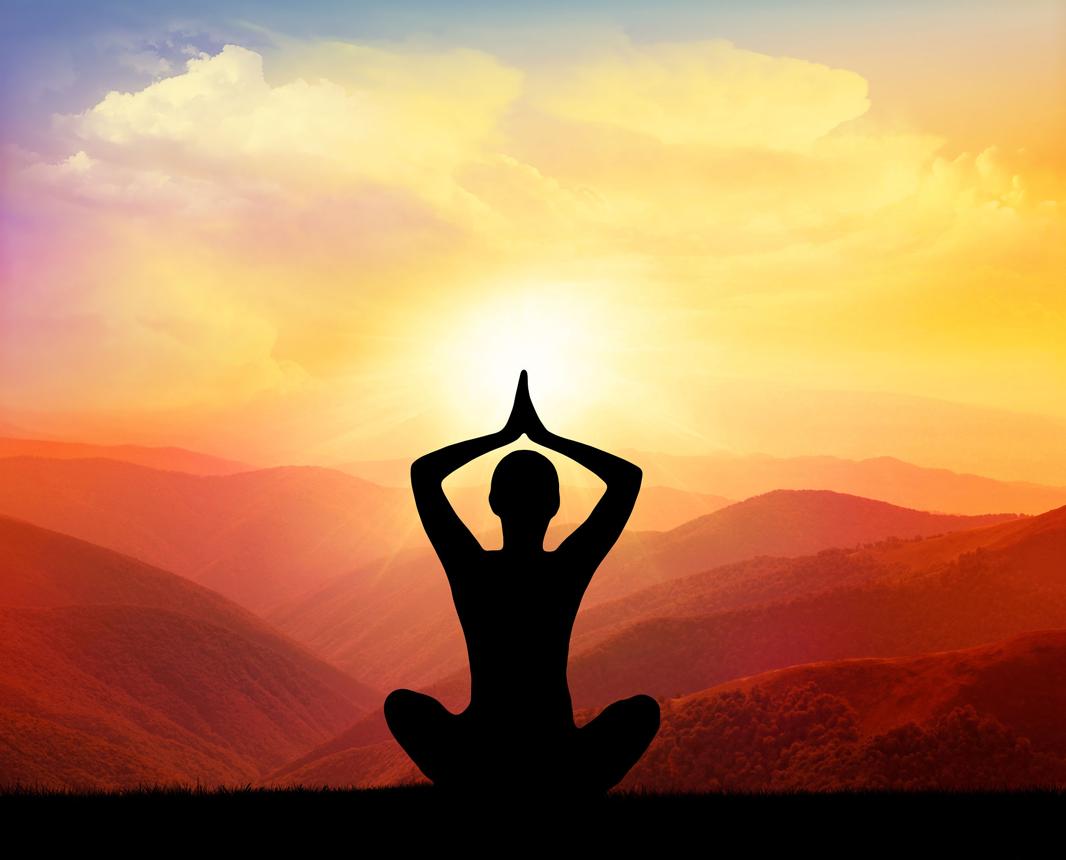
In a world that constantly pulls you outward, yoga brings you back home, to yourself.
Whether you’re dealing with stress, emotional heaviness, or simply feeling disconnected, yoga offers a path that is natural, safe, and deeply transformative.
Healing doesn’t always require external solutions. Sometimes, it begins with a single breath, a moment of stillness, and the willingness to look within.
And that’s exactly what yoga teaches you.
Design Your Destiny
Ready to go deeper into your healing journey? Join Design Your Destiny and learn powerful techniques to transform your thoughts, emotions, and life from within.
Meet Now