



Basant Panchami 2026 is one of the most spiritually uplifting festivals in the Hindu calendar, marking the arrival of spring and the worship of Goddess Saraswati, the deity of knowledge, wisdom, music, and arts. Celebrated with vibrant yellow attire, sacred rituals, and prayers for learning and prosperity, basant panchami 2026 holds deep cultural and spiritual importance across India. In this complete guide, we’ll explore the basant panchami date 2026, rituals, puja timing, traditions, and the powerful significance of wearing yellow on Basant Panchami all in a simple, natural, and meaningful way.
What Is Basant Panchami and Why Is It Celebrated?
Basant Panchami, also known as Vasant Panchami, is celebrated on the fifth day (Panchami Tithi) of the bright half of the lunar month of Magha. It symbolises the transition from winter to spring, a season associated with growth, positivity, and renewal.
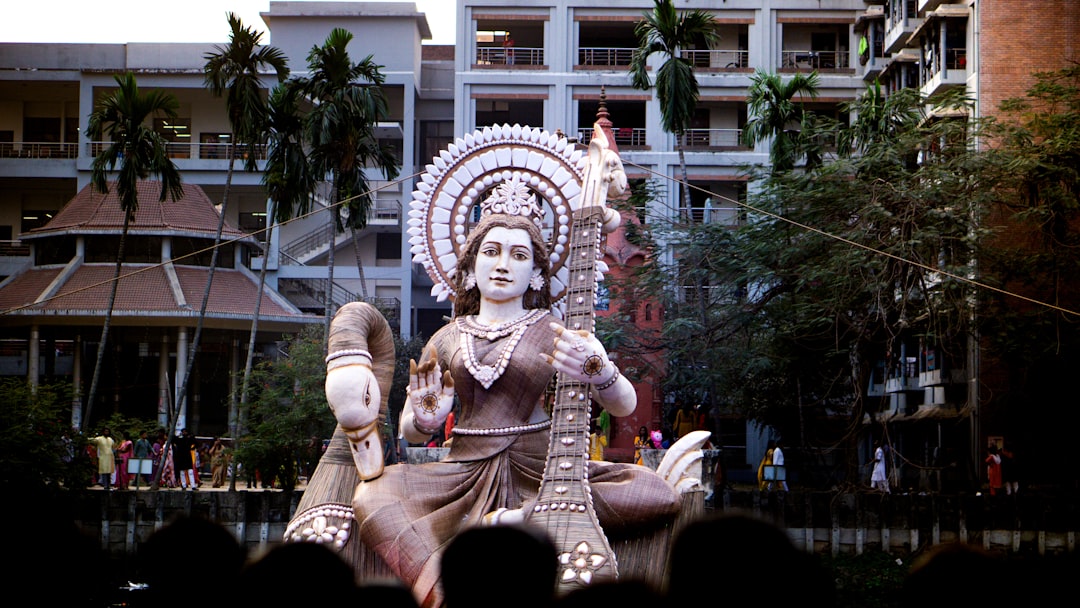
Spiritually, the festival is dedicated to Goddess Saraswati. Students, artists, musicians, and teachers especially observe Saraswati Puja on Basant Panchami, seeking blessings for wisdom, creativity, and success. This is why basant panchami significance goes beyond a seasonal celebration—it represents enlightenment and new beginnings.
Basant Panchami 2026 Date and Time
One of the most searched questions every year is: Basant Panchami 2026 kab hai?
Basant Panchami 2026 Date: As per the Hindu Panchang, Basant Panchami in 2026 will be observed in late January or early February (exact timing depends on Panchami Tithi).
Basant Panchami 2026 Date and Time: The Panchami Tithi begins and ends based on lunar calculations. Devotees usually perform Saraswati Puja during the daytime when Panchami Tithi is prevalent.
Basant Panchami Puja Time 2026: Morning hours are considered auspicious, though regional Panchangs may specify a shubh muhurat.
Always refer to a local Panchang for the basant panchami 2026 exact date, tithi, and shubh muhurat in your region.
Basant Panchami Rituals and Traditions in India
1. Saraswati Puja
The most important ritual of Basant Panchami is Saraswati Puja. Books, musical instruments, and study materials are placed near the idol or image of Goddess Saraswati. Children are encouraged to begin learning, making it a highly significant day for students.
2. Wearing Yellow Clothes
Devotees wear yellow attire to align with the spiritual energy of the day. Yellow dominates decorations, flowers, and offerings.
3. Offering Yellow Foods
Traditional foods include kesari halwa, boondi, saffron rice, and yellow sweets made with turmeric or saffron.
4. Avoiding Study for a Day (In Some Regions)
In some traditions, students avoid reading on this day after worship, symbolically surrendering knowledge to the goddess.
These basant panchami rituals vary slightly across regions but share the same spiritual essence.
Why Yellow Is Worn on Basant Panchami
One of the most asked questions is: Why yellow is worn on Basant Panchami?
Yellow represents:
Knowledge and wisdom
Positivity and clarity
Energy of the sun
Blooming mustard fields during spring
In spiritual terms, yellow is associated with the intellect and the solar plexus chakra, which governs confidence and learning. That’s why the importance of wearing yellow on Basant Panchami is deeply symbolic rather than just traditional.
Significance of Yellow Colour on Basant Panchami
The significance of yellow colour on Basant Panchami is both natural and spiritual. During this season, mustard fields bloom across India, painting landscapes in yellow. This colour reflects fertility, prosperity, and the promise of a new agricultural cycle.
From a religious perspective, Goddess Saraswati herself is often depicted wearing yellow or white, symbolising purity and wisdom. Wearing yellow aligns devotees with her energy, making prayers more spiritually attuned.
Benefits of Wearing Yellow on Basant Panchami
Many believe that there are subtle benefits to following this tradition:
Enhances mental clarity and focus
Invites positive energy and optimism
Strengthens learning abilities
Promotes harmony and creativity
This belief explains why the benefits of wearing yellow on Basant Panchami are widely discussed in spiritual and cultural contexts.
Basant Panchami Puja Vidhi (Simple Puja Method)
If you’re wondering about basant panchami puja vidhi, here’s a simple method you can follow at home:
Wake up early and take a bath.
Wear yellow clothes.
Set up a clean altar with an image or idol of Goddess Saraswati.
Offer yellow flowers, fruits, and sweets.
Light a lamp and incense.
Chant Saraswati mantras or simply pray with devotion.
Seek blessings for wisdom, learning, and success.
This basant panchami puja method is suitable for homes, schools, and institutions alike.
Basant Panchami Spiritual Meaning
The basant panchami spiritual meaning lies in awakening the intellect and preparing the mind for growth—just as nature prepares for spring. It reminds us to nurture knowledge, creativity, and discipline in our lives.
The festival also teaches balance: celebrating material prosperity while seeking spiritual wisdom.
Basant Panchami Religious Significance in Hinduism
In Hindu culture, Basant Panchami is considered highly auspicious for:
Starting education
Initiating artistic pursuits
Planning new ventures related to learning or creativity
This explains the strong basant panchami religious significance and why it is observed with devotion across North, East, and parts of South India.
What to Wear and Eat on Basant Panchami
What to wear on Basant Panchami:
Yellow sarees, kurtas, dupattas
Light shades like mustard, saffron, or lemon yellow
What to eat:
Yellow rice
Kesari halwa
Boondi laddoo
Seasonal fruits
These traditions reinforce the festival’s joyful and auspicious nature.
Basant Panchami 2026 in India: Regional Observations
North India: Saraswati Puja and kite flying
West Bengal & Odisha: Grand Saraswati Puja celebrations
Punjab & Haryana: Beginning of spring harvest festivities
Educational Institutions: Special prayers and cultural programs
Despite regional differences, the heart of basant panchami 2026 in India remains devotion, learning, and positivity.
Basant Panchami 2026 is more than a festival; it’s a reminder to welcome growth, knowledge, and fresh beginnings into our lives. By understanding the date, rituals, and significance of wearing yellow, we align ourselves with both nature’s rhythm and spiritual wisdom. Whether you’re a student, teacher, artist, or devotee, observing Basant Panchami with awareness can bring clarity, peace, and inspiration.