
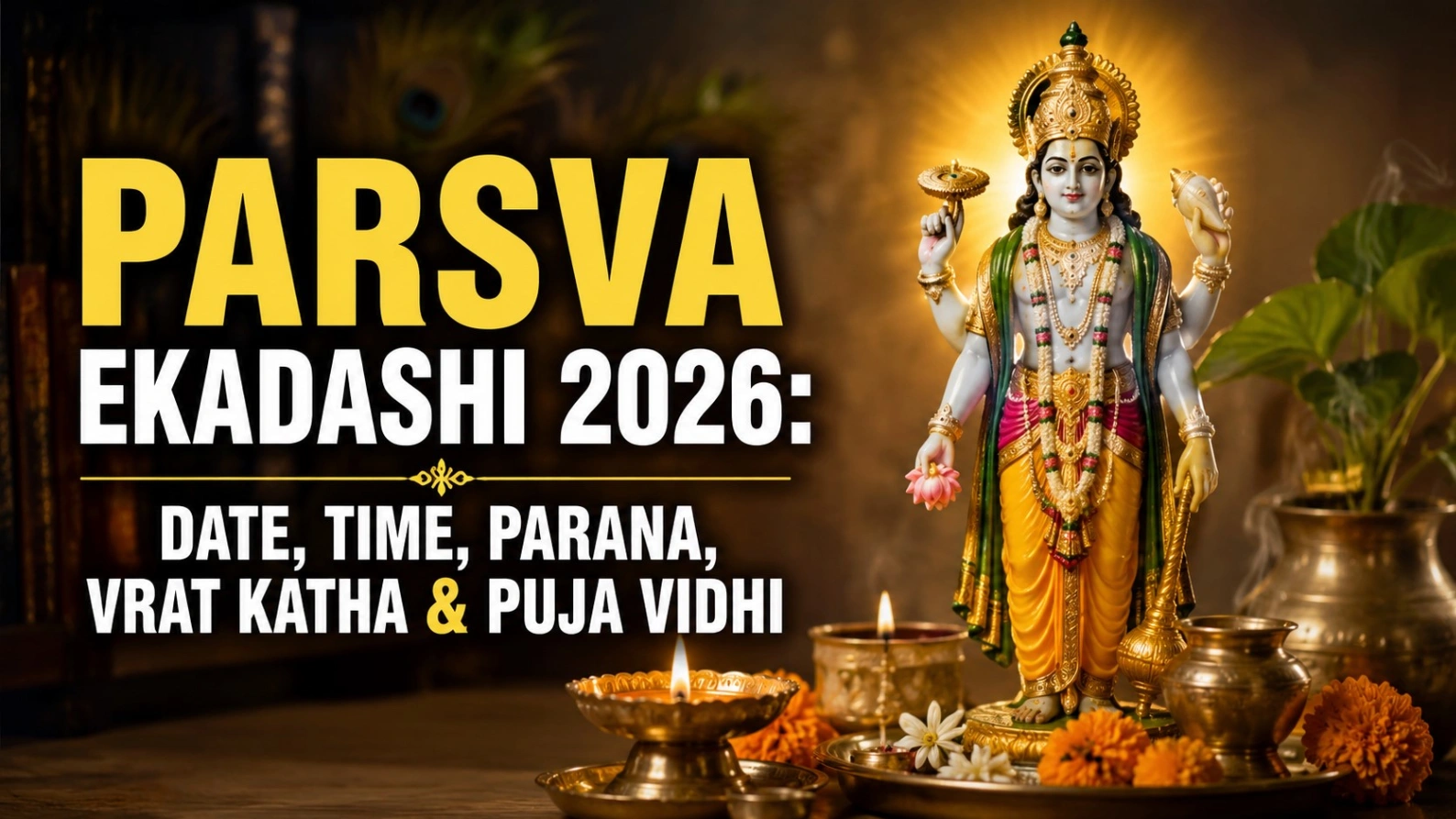
Parsva Ekadashi is one of the significant Ekadashi vrats dedicated to Lord Vishnu. Observed during the Shukla Paksha of the Bhadrapada month, this sacred day is associated with devotion, fasting, self-discipline and spiritual reflection.
Devotees searching for the Parsva Ekadashi 2026 date, Parsva Ekadashi 2026 parana time, Parsva Ekadashi vrat katha, and Parsva Ekadashi puja vidhi observe the occasion by fasting, worshipping Lord Vishnu, chanting His names and engaging in devotional practices.
Parsva Ekadashi is also popularly known as Parshva Ekadashi, Parivartini Ekadashi, Padma Ekadashi and Vamana Ekadashi in different traditions and regions.
The name Parivartini is associated with the traditional belief that Lord Vishnu, who rests in Yoga Nidra during Chaturmas, changes His sleeping position on this Ekadashi.
In 2026, Parsva Ekadashi will be observed on Tuesday, September 22, 2026. For New Delhi, the Ekadashi Tithi begins at 8:00 PM on September 21 and ends at 9:43 PM on September 22.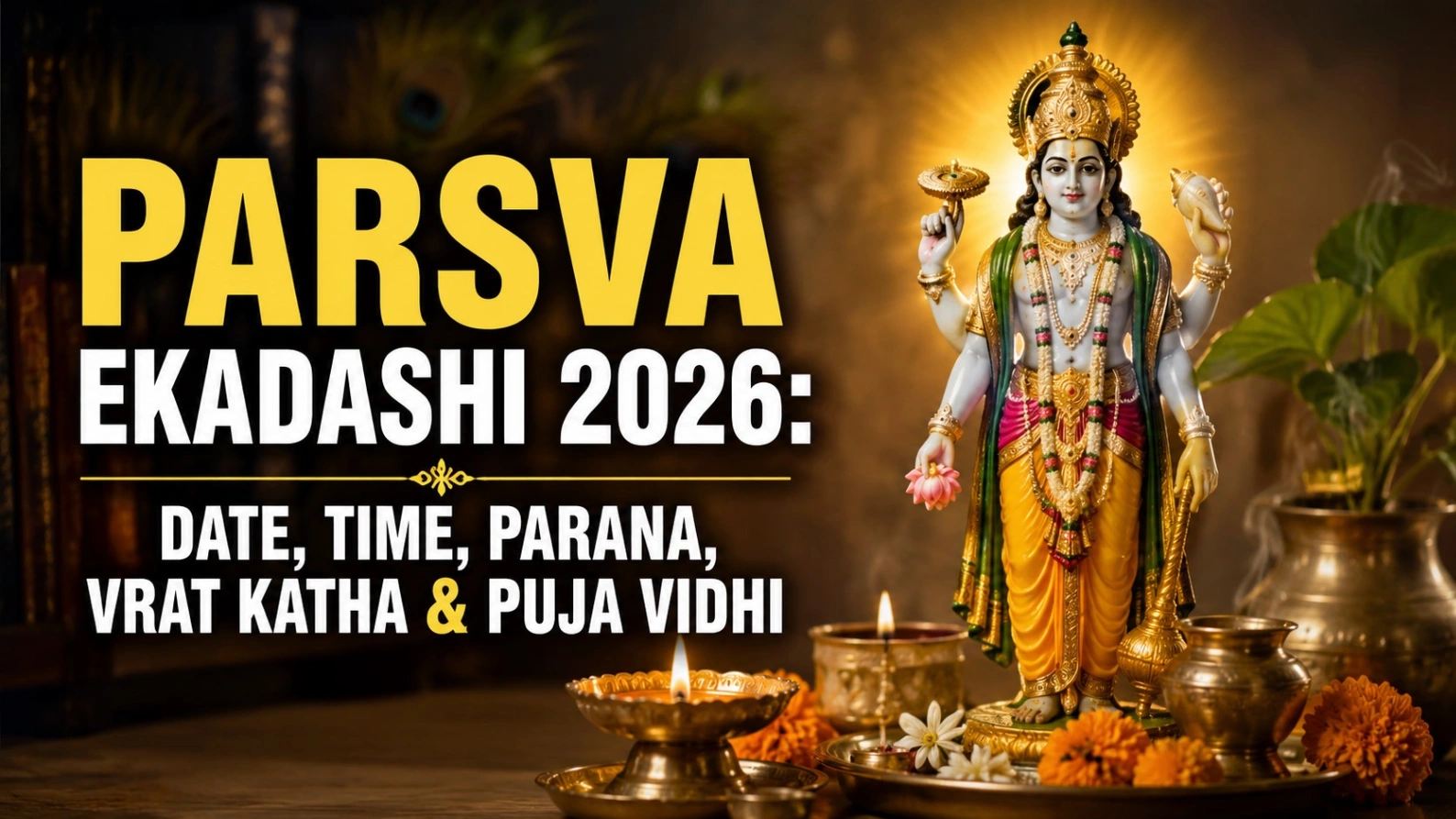
Parsva Ekadashi 2026 Date and Time
The Parsva Ekadashi 2026 date is:
Tuesday, September 22, 2026
Parsva Ekadashi 2026 Tithi
For New Delhi:
Ekadashi Tithi Begins: September 21, 2026 at 8:00 PM
Ekadashi Tithi Ends: September 22, 2026 at 9:43 PM
Parsva Ekadashi Vrat: September 22, 2026
Parana: September 23, 2026
The timing can vary slightly depending on geographical location. Devotees should therefore check their local Panchang before performing Parana or time-sensitive rituals.
Parsva Ekadashi occurs on the Shukla Paksha Ekadashi of Bhadrapada month according to the traditional Hindu lunar calendar.
Design Your Destiny
Explore Design Your Destiny, a transformative journey designed to help you understand your inner patterns, develop greater awareness and consciously shape the direction of your life. Start your journey toward designing your destiny today.
Start Your Journey Today!Parsva Ekadashi 2026 Parana Time
Parana refers to breaking the Ekadashi fast on the following day, usually during Dwadashi Tithi and after the appropriate period prescribed by the local Panchang.
For Parsva Ekadashi 2026, Parana will be performed on:
Wednesday, September 23, 2026
The precise Parsva Ekadashi 2026 parana time depends on location.
For example, Panchang calculations for different Indian locations show slightly different windows because sunrise and local astronomical timings vary. Therefore, devotees should use the Parana time calculated specifically for their city rather than relying on one nationwide timing.
Traditionally, devotees avoid breaking the fast during Hari Vasara and perform Parana during the prescribed Dwadashi period.
What Is Parsva Ekadashi?
Parsva Ekadashi is a sacred Ekadashi dedicated to Lord Vishnu. The word Parsva can be understood in connection with “side,” while the name Parivartini Ekadashi refers to a change or turning.
According to Vaishnava tradition, Lord Vishnu enters Yoga Nidra during the period of Chaturmas. Parsva Ekadashi is associated with the symbolic moment when the Lord changes His resting position.
This spiritual symbolism can also be understood as a reminder that inner transformation requires conscious change.
Ekadashi itself encourages devotees to temporarily withdraw from excessive worldly activity, simplify food and habits, focus the mind and dedicate more time to prayer.
Parsva Ekadashi therefore combines the broader discipline of Ekadashi fasting with the symbolism of spiritual transformation.
Laddu Gopal Puja Vidhi for Janmashtami: Step-by-Step Guide
Why Is Parsva Ekadashi Also Called Parivartini Ekadashi?
Parsva Ekadashi is commonly known as Parivartini Ekadashi because Hindu tradition associates this day with Lord Vishnu changing His side while resting in Yoga Nidra.
It is also called Padma Ekadashi and is connected in many traditions with Lord Vishnu's Vamana form.
The different names do not necessarily refer to entirely separate festivals. They often represent regional, scriptural or devotional traditions associated with the same Ekadashi.
This makes alternate keywords such as Parshva Ekadashi 2026, Parivartini Ekadashi 2026 and Vamana Ekadashi 2026 useful for devotees looking for information about the observance.
Parsva Ekadashi Vrat Katha
The Parsva Ekadashi vrat katha is traditionally associated with Lord Vishnu's Vamana Avatar and the story of the generous King Bali.
According to Hindu tradition, King Bali was a powerful and charitable ruler. His devotion, generosity and influence became so great that he gained control over the three worlds.
The Devas sought Lord Vishnu's intervention.
Lord Vishnu then appeared as Vamana, a young Brahmin dwarf, and approached King Bali during a sacred ritual.
Vamana asked King Bali for a seemingly simple gift, three steps of land.
Known for his generosity, Bali agreed.
Vamana then revealed His divine form.
With one step, He covered the earth. With the second, He covered the heavens. There was no space left for the third step.
King Bali understood that Vamana was none other than Lord Vishnu. In an act of complete surrender, he offered his own head as the place for the third step.
Lord Vishnu was pleased with Bali's surrender and devotion.
Different devotional traditions narrate additional details surrounding King Bali, Lord Vamana and Vishnu's blessings. The central spiritual message remains one of humility, surrender, devotion and freedom from ego.
The Parsva Ekadashi vrat katha 2026 is therefore not simply a story to be recited as a ritual. It reminds devotees that spiritual growth often requires surrendering pride and developing faith in the Divine.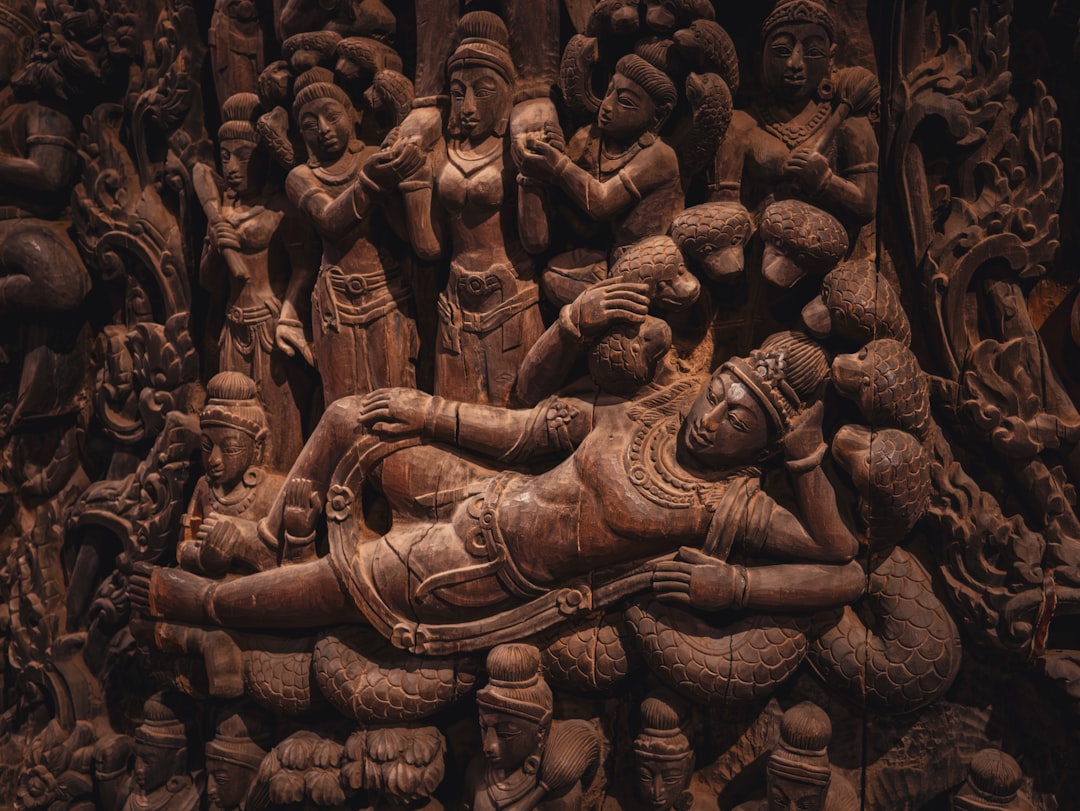
Spiritual Meaning of the Parsva Ekadashi Vrat Katha
The story of Vamana and King Bali contains several symbolic lessons.
1. Humility Is Greater Than Power
King Bali possessed enormous power and wealth, yet the story ultimately emphasizes surrender rather than external achievement.
2. Ego Creates Spiritual Limitations
Vamana's three steps symbolize the vastness of divine reality compared with individual ego and worldly possessions.
3. Surrender Is an Inner Practice
Offering oneself to the Divine represents letting go of excessive attachment, control and pride.
4. Devotion Is More Than Ritual
Ekadashi fasting becomes more meaningful when external discipline is accompanied by inner awareness, prayer and conscious living.
Parsva Ekadashi 2026 Puja Vidhi
Devotees may follow a simple and sincere Parsva Ekadashi puja vidhi at home.
Traditions vary between families and regions, so the following is a general devotional practice rather than a compulsory ritual for every devotee.
Step 1: Begin the Day Early
Wake up early, preferably before or around sunrise.
Take a bath and wear clean clothes.
Clean the puja area and create a peaceful atmosphere for worship.
Step 2: Take Sankalp
Sit quietly before Lord Vishnu and take a mental or verbal Sankalp to observe the Parsva Ekadashi vrat 2026 with devotion.
The intention behind the vrat is considered important. Rather than seeing fasting only as avoiding food, devotees can dedicate the day to greater awareness, self-control and prayer.
Step 3: Worship Lord Vishnu
Place an image or murti of Lord Vishnu, Shri Hari, Vamana Bhagwan or Krishna in the puja space.
Offer items traditionally associated with Vishnu worship, such as:
Tulsi leaves
Flowers
Fruits
Incense
Diya
Water
Suitable vrat-friendly bhog
Tulsi holds special significance in Vishnu worship.
Pitru Paksha Rule: What to Do & What Not to Do During Shradh
Step 4: Chant Vishnu Mantras
Devotees may chant:
Om Namo Bhagavate Vasudevaya
or
Om Namo Narayanaya
You may chant the mantra 11, 21 or 108 times according to your capacity and devotional practice.
Step 5: Read or Listen to Parsva Ekadashi Vrat Katha
Reading the Parsva Ekadashi vrat katha helps devotees understand the meaning behind the observance.
The story of Lord Vamana and King Bali encourages humility, surrender and devotion.
Step 6: Perform Aarti
Perform Lord Vishnu's aarti and offer prayers for wisdom, peace and spiritual growth.
Step 7: Continue Devotional Practices
Throughout the day, devotees can spend time chanting Lord Vishnu's names, reading the Bhagavad Gita, listening to bhajans, meditating or engaging in acts of kindness.
Parsva Ekadashi Vrat Rules
The exact form of fasting varies according to health, age, tradition and individual capacity.
Some devotees observe Nirjala vrat, avoiding both food and water. This is a very strict form of fasting and is not appropriate for everyone.
Others consume water, fruits, milk or traditional Ekadashi vrat foods.
Grains and certain pulses are generally avoided during traditional Ekadashi fasting.
Common vrat-friendly foods may include:
Fruits
Milk
Curd
Nuts
Sabudana
Samak rice
Singhara
Kuttu
Potatoes
Rock salt or sendha namak
The purpose of the vrat is not merely physical deprivation. Spiritual traditions emphasize control of thoughts, speech and actions as well.
People who are pregnant, elderly, unwell, taking medication or managing a medical condition should prioritize their health and seek appropriate medical advice rather than attempting a strict fast.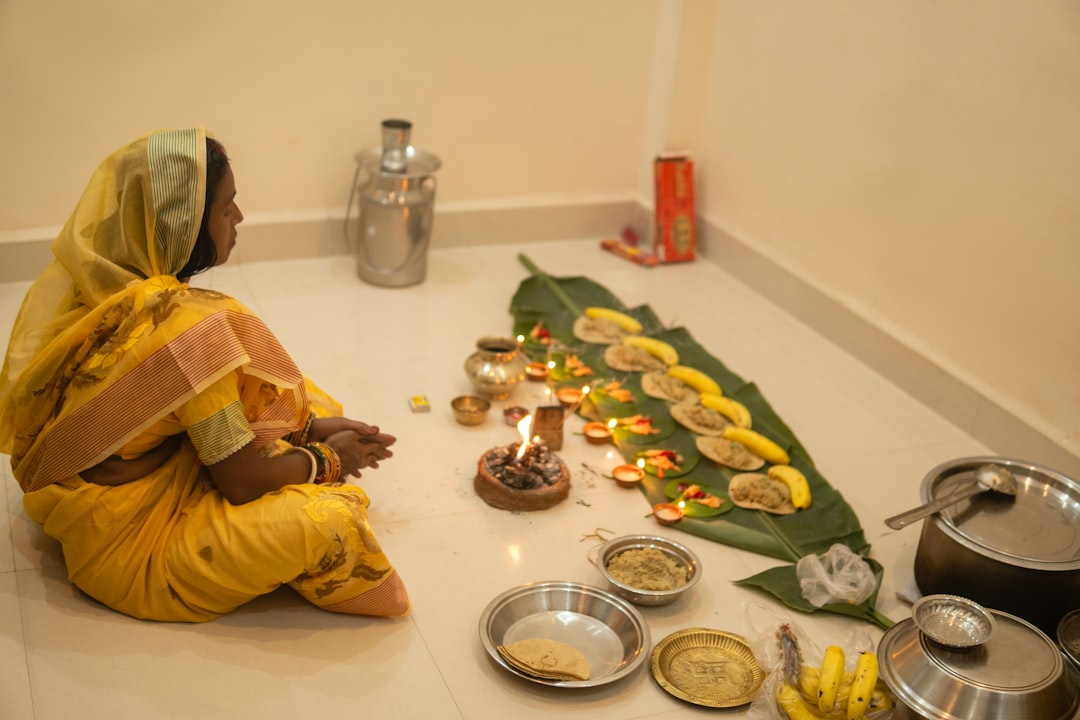
What to Avoid on Parsva Ekadashi
Traditional observances often encourage devotees to avoid:
Grains and regular cereals
Certain pulses and legumes
Onion and garlic in stricter devotional traditions
Alcohol and intoxicants
Excessive indulgence
Anger and harsh speech
Unnecessary arguments
Negative or harmful actions
The deeper purpose of Ekadashi is purification of both habits and consciousness.
Spiritual Significance of Parsva Ekadashi
Parsva Ekadashi represents transformation, discipline and surrender.
The symbolism of Lord Vishnu changing His resting position can be interpreted as a spiritual reminder: meaningful transformation begins when we are willing to change our inner direction.
Many people become trapped in repetitive patterns of thought, reaction and attachment.
A spiritual vrat creates a conscious interruption in those patterns.
By simplifying food, controlling the senses and directing attention toward prayer, devotees create space for introspection.
Parsva Ekadashi can therefore become an opportunity to ask:
What habits should I change?
What attachments am I holding onto?
Where is ego influencing my decisions?
How can I live with greater awareness?
These questions transform the vrat from a traditional ritual into a meaningful spiritual practice.
Living the Gita Movement
The Bhagavad Gita is not merely something to be read or listened to. It is the art of awakening within oneself and experiencing the truth of life. The vision of the Living the Gita Movement is to bring the wisdom of the Gita out of books and transform it into a lived experience.
Join NowParsva Ekadashi and Lord Vamana
Lord Vamana is the fifth traditional Avatar of Lord Vishnu in the Dashavatara.
His story demonstrates that divine power does not always appear through obvious external strength.
Vamana appeared in a small and humble form, yet revealed an immeasurable cosmic presence.
For spiritual seekers, this symbolism encourages humility.
True spiritual strength may not always appear dramatic. It can emerge through discipline, simplicity, surrender and awareness.
Parsva Ekadashi therefore offers devotees an opportunity to remember Lord Vishnu not merely through ritual, but through the values represented by His teachings and divine stories.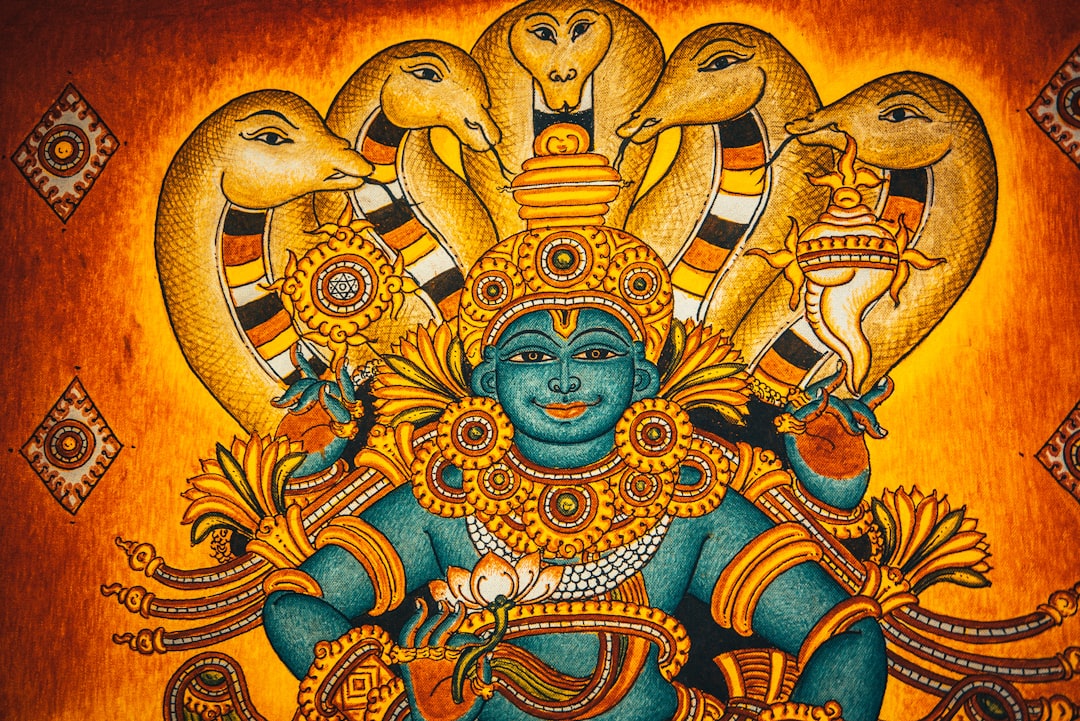
How to Make Parsva Ekadashi Spiritually Meaningful
Instead of focusing only on whether every ritual has been performed perfectly, devotees can use the day for inner transformation.
Try to:
Spend less time on unnecessary digital distractions.
Read a few verses from the Bhagavad Gita.
Chant a Vishnu mantra consciously.
Observe your thoughts without immediately reacting to them.
Practice gratitude.
Forgive someone you have been holding resentment toward.
Perform a small act of seva.
Spend a few minutes in silence.
The goal is not perfection.
The goal is greater awareness.
When fasting, prayer and awareness come together, Ekadashi becomes more than an annual observance, it becomes an opportunity to consciously transform how we live.
Parsva Ekadashi 2026, observed on September 22, 2026, provides devotees with an opportunity to combine fasting, prayer and self-reflection.
Understanding the Parsva Ekadashi 2026 date and time, following the Parsva Ekadashi puja vidhi, listening to the Parsva Ekadashi vrat katha, and performing Parana at the appropriate time can make the observance more meaningful.
But the deeper essence of Ekadashi goes beyond external rituals.
The story of Lord Vamana and King Bali teaches that humility, surrender and devotion can transform consciousness.
When celebrated with awareness, Parsva Ekadashi becomes not only a sacred day on the Hindu calendar but also an invitation to change our inner direction and move closer to a more conscious way of living.
Personal Session
If you are experiencing confusion, emotional challenges, relationship concerns or questions about your spiritual journey, a personal session can help you gain greater clarity and understand your inner patterns from a deeper perspective. Book a personal session and take the next step toward clarity, awareness and conscious living.
Book NowRead Latest Articles