
Introduction: Understanding the Deeper Meaning of Pitru Paksha
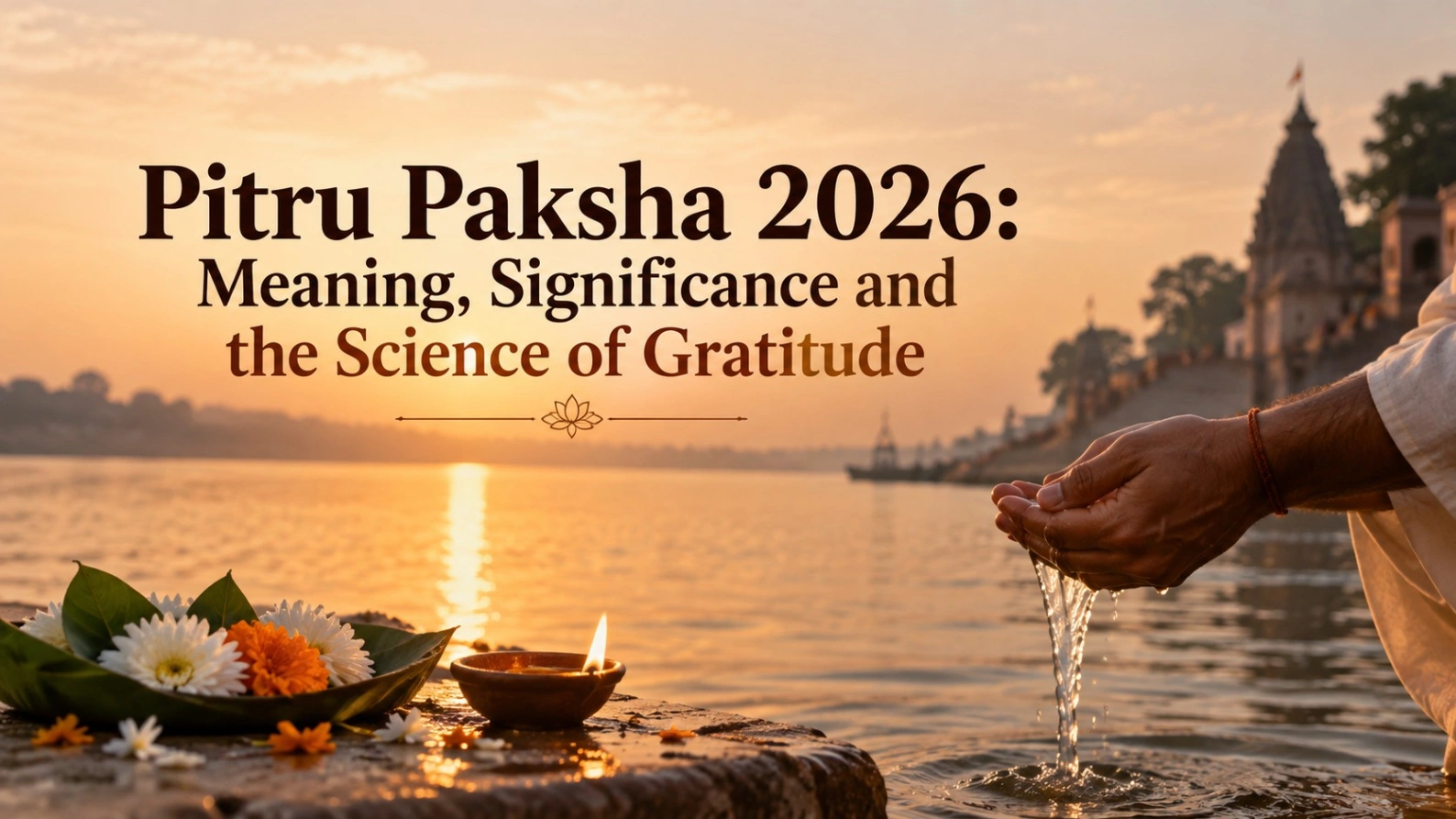
Every individual carries a connection with the generations that came before them. The traditions we follow, the values we inherit, the knowledge we receive and even our existence itself are connected to the countless contributions of our ancestors. In Hindu philosophy, this connection is deeply honoured through the sacred observance of Pitru Paksha.
Pitru Paksha 2026 is not merely a period of performing rituals; it is a time dedicated to remembrance, gratitude and acknowledging the role of ancestors in shaping our lives. It reminds us that our journey does not begin with us but continues through the wisdom, sacrifices and experiences of previous generations.
In today’s fast-paced world, where people often focus on personal achievements and future goals, Pitru Paksha offers a moment of reflection. It encourages individuals to pause and appreciate the unseen support behind their lives. This ancient tradition beautifully connects with the modern understanding of the science of gratitude, which explains how appreciation and thankfulness positively influence human emotions, relationships and overall well-being.
Through the lens of spirituality as well as psychology, Pitru Paksha teaches an important lesson: gratitude has the power to transform our relationship with ourselves, our families and the world around us.
What is Pitru Paksha?
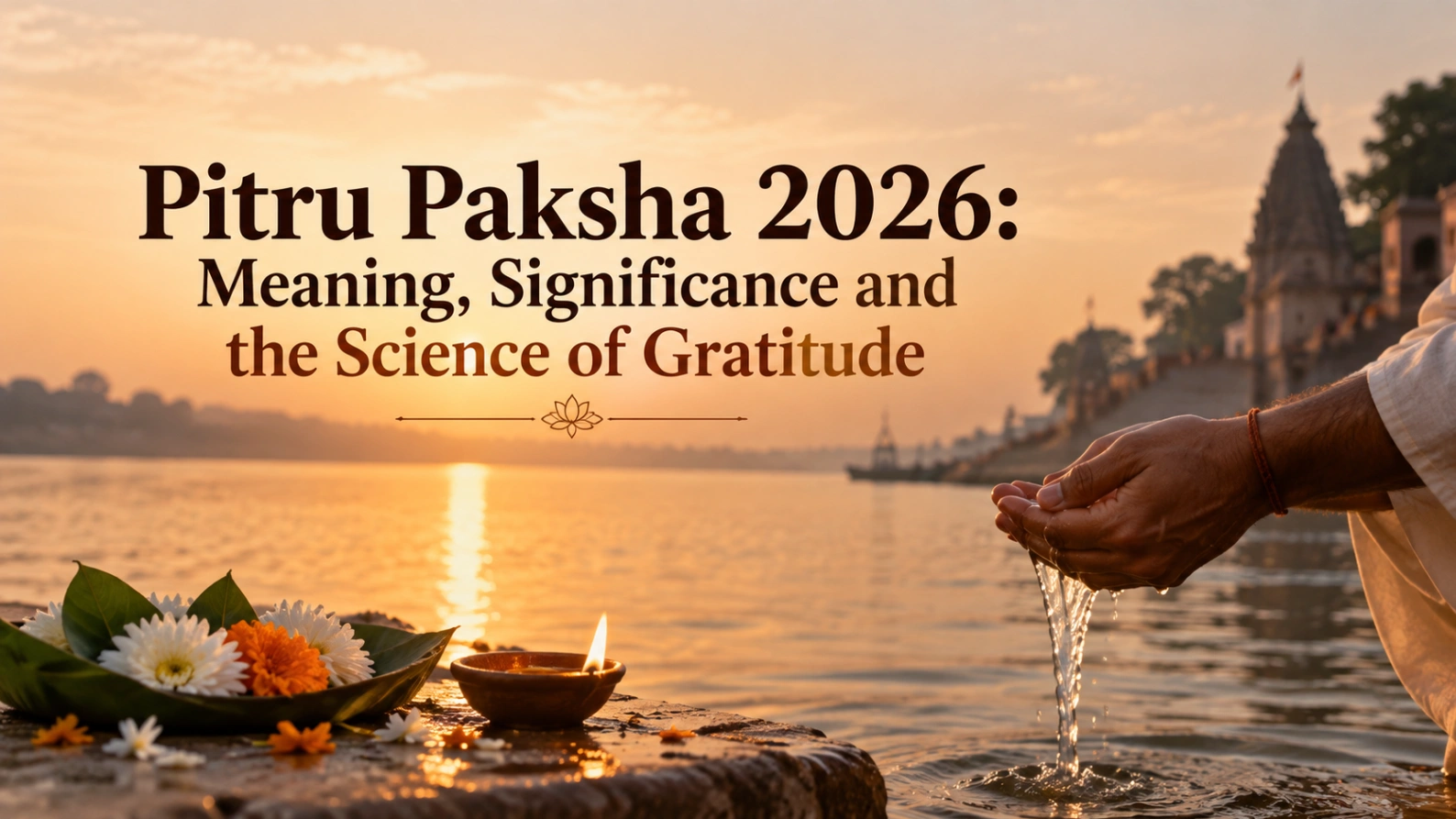
Pitru Paksha is a sacred period in the Hindu lunar calendar dedicated to remembering and honouring ancestors, also known as Pitrs. The word “Pitru” refers to ancestors, while “Paksha” represents a period of approximately fifteen days according to the lunar cycle.
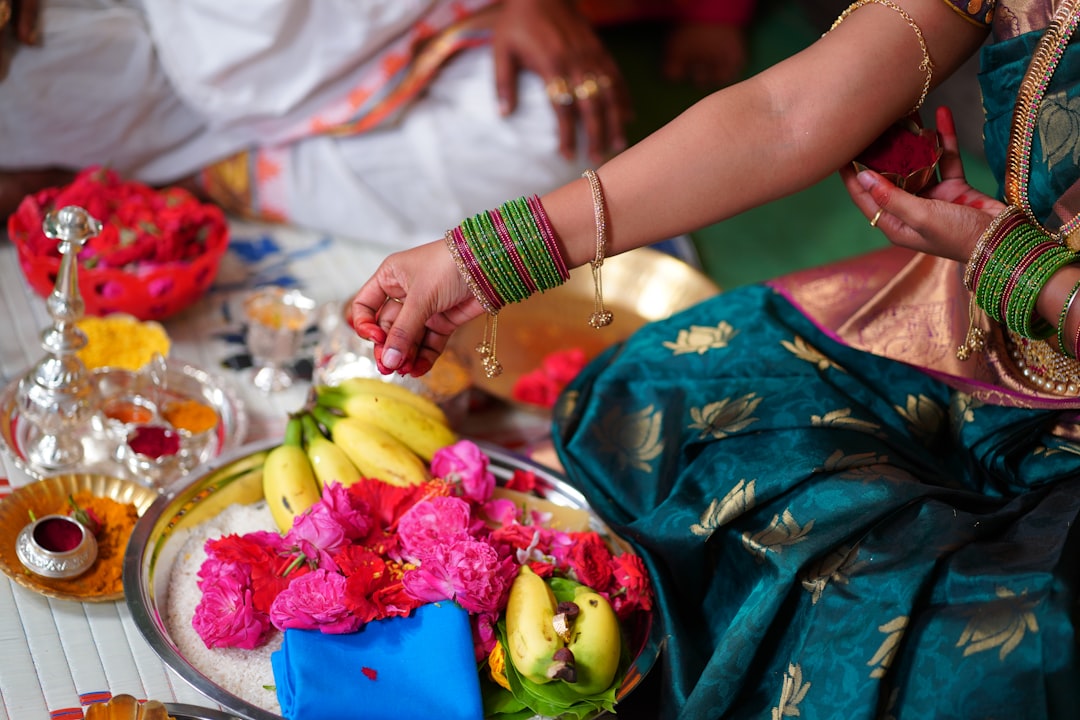
During this time, families perform traditional practices such as Shradh, Tarpan and prayers to express their respect and gratitude towards departed family members. These rituals are believed to help maintain a spiritual connection between generations and acknowledge the contributions of ancestors.
However, the essence of Pitru Paksha goes beyond rituals. At its heart, it represents gratitude. It reminds individuals that their present life is built upon the foundation created by those who came before them.
When we remember ancestors, we are not only remembering individuals who have passed away; we are honouring their struggles, sacrifices, teachings and values that continue through us.
Design Your Destiny
Your past shapes your present, but your awareness shapes your future. Discover the deeper connection between your thoughts, actions and life journey through Design Your Destiny—a transformative experience designed to help you understand yourself, overcome limitations and create a purposeful path. Begin your journey towards self-awareness and inner growth today.
Start Your Journey Today!Pitru Paksha 2026 Date and Importance
Pitru Paksha 2026 will be observed during the Krishna Paksha period of the Hindu lunar month. The exact dates and Tithis may vary according to regional Panchang calculations, and devotees generally follow the dates prescribed according to their family traditions and local calendars.
The beginning of Pitru Paksha marks the start of a spiritually significant period when people dedicate time towards ancestral remembrance. The concluding day, known as Sarva Pitru Amavasya, is considered especially important as it allows people to offer prayers for all ancestors.
The significance of Pitru Paksha lies in the belief that remembering ancestors with sincerity and devotion creates harmony between generations. It teaches that gratitude should not only be expressed towards those who are present but also towards those whose efforts made our existence possible.
Spiritual Significance of Pitru Paksha
The spiritual significance of Pitru Paksha lies in recognising the interconnected nature of life. Hindu philosophy teaches that every individual is part of a larger chain of existence. We inherit not only physical traits but also traditions, knowledge, culture and values from previous generations.
By observing Pitru Paksha, individuals cultivate humility. It reminds us that success is never achieved completely alone. Behind every person's journey are countless contributions from family, society and ancestors.
This spiritual practice encourages individuals to develop a feeling of gratitude towards ancestors and acknowledge their role in shaping the present.
The remembrance of ancestors also creates an opportunity for inner reflection. It allows people to think about their family values, the lessons passed down through generations and the responsibility of preserving those values for future generations.
Shradh Puja at Home: Pitru Paksha Shradh, Samagri & Mantras
Religious Significance of Pitru Paksha
The religious significance of Pitru Paksha is deeply rooted in Hindu traditions that emphasise respect towards ancestors. According to Hindu beliefs, performing Shradh and Tarpan during this period is a way of expressing devotion and fulfilling one's responsibilities towards family lineage.
Shradh rituals traditionally involve prayers, offerings and remembrance of ancestors. Tarpan, which involves offering water while remembering departed souls, symbolises respect and connection.
These rituals are not only external actions but also represent internal emotions. The true purpose is to cultivate compassion, gratitude and respect.
Many families also perform charitable activities during Pitru Paksha because acts of kindness are considered a meaningful way to honour ancestral values.
Living The Gita Movement
Living The Gita Movement
The Bhagavad Gita is not merely something to be read or listened to. It is the art of awakening within oneself and experiencing the truth of life. The vision of the Living the Gita Movement is to bring the wisdom of the Gita out of books and transform it into a lived experience.
Join NowPitru Paksha 2026 Rituals: Understanding Their Meaning
The rituals performed during Pitru Paksha 2026 carry symbolic meanings that connect spirituality with human emotions.
Shradh represents remembrance and respect. Through this ritual, individuals acknowledge the sacrifices and contributions of ancestors.
Tarpan represents offering and gratitude. Water, which symbolises purity and life, is offered while remembering ancestors as a gesture of respect.
Food offerings during Pitru Paksha represent generosity and the continuation of family traditions. They remind individuals about the importance of sharing and serving others.
Beyond the physical rituals, the deeper message is about keeping memories alive and recognising the connection between past and present generations.
Pitru Paksha and the Science of Gratitude
Modern psychology has increasingly explored the impact of gratitude on human well-being. The science of gratitude suggests that regularly recognising positive aspects of life can influence emotional health, relationships and overall happiness.
The practice of gratitude shifts attention from what is missing to what has already been received. This creates a more positive mindset and helps individuals develop emotional resilience.
Interestingly, Pitru Paksha follows a similar principle. By remembering ancestors, people consciously focus on appreciation rather than absence.
Instead of only experiencing grief for those who are no longer physically present, Pitru Paksha encourages individuals to celebrate their contributions and carry their wisdom forward.
This connection between ancient tradition and modern psychology shows how gratitude has always been an essential part of human emotional growth.
Psychology of Gratitude: How Remembering Ancestors Benefits Us
The psychology of gratitude explains that appreciation strengthens emotional connections and improves mental well-being.
When individuals reflect on their ancestors, they develop a deeper understanding of their identity and family history. This sense of belonging can create emotional stability and purpose.
Gratitude towards ancestors also encourages humility. It reduces excessive focus on individual achievement and reminds people that life is supported by many visible and invisible contributors.
Remembering ancestors can also create emotional healing. Family memories, stories and traditions help individuals maintain a meaningful connection with their roots.
In this way, Pitru Paksha becomes not only a spiritual practice but also a psychologically meaningful tradition.
Pitru Paksha Rule: What to Do & What Not to Do During Shradh
How Pitru Paksha Teaches Gratitude
One of the greatest lessons of Pitru Paksha is that gratitude should become a way of life.
The tradition teaches us to appreciate the sacrifices of previous generations. Many opportunities, comforts and values that we experience today exist because someone before us worked, struggled and contributed.
Pitru Paksha encourages individuals to ask:
Who helped create the path I walk today?
What values have I inherited from my ancestors?
How can I preserve and pass these values forward?
These reflections transform gratitude from a simple emotion into a conscious practice.
What Does Bhagavad Gita Say About Ancestors?
The Bhagavad Gita highlights the importance of duty, responsibility and understanding the interconnected nature of existence.
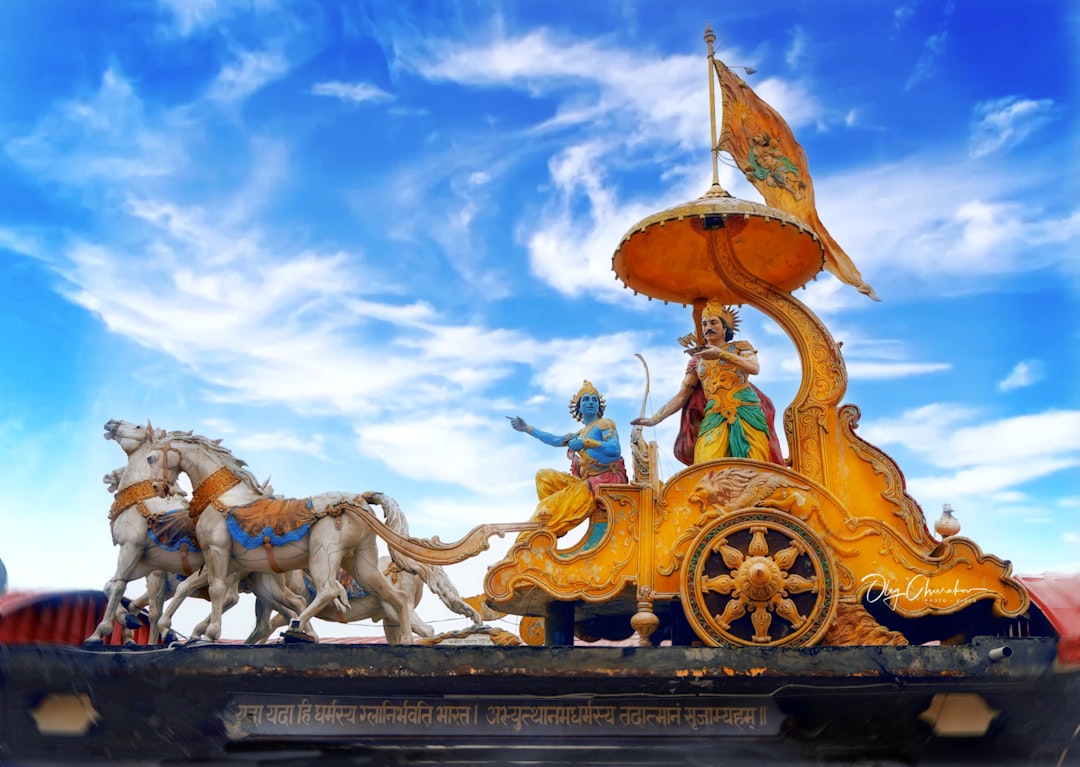
Lord Krishna teaches Arjuna about performing one's responsibilities with awareness and devotion. The teachings of the Gita emphasise that every individual has duties towards family, society and the larger cycle of life.
The principles of the Bhagavad Gita align with the essence of Pitru Paksha: respecting one's origins, understanding interconnectedness and performing responsibilities with sincerity.
Honouring ancestors reflects gratitude towards the journey of life itself.
The Timeless Message of Pitru Paksha
Pitru Paksha 2026 is a reminder that gratitude is one of the most powerful forces in human life.
While rituals form an important part of this sacred tradition, the deeper message is about remembrance, humility and appreciation. It teaches us that we are connected to generations of wisdom, sacrifices and blessings.
The science of gratitude confirms what ancient traditions have taught for centuries: appreciation changes our perspective and enriches our emotional experience.
By honouring ancestors, we honour the journey that brought us here and recognise our responsibility to create a meaningful future.
Pitru Paksha is not only about remembering the past; it is about understanding how the past continues to shape our present and inspire our future.
Personal Session
Every individual's life journey is unique. If you are seeking clarity, emotional balance, or deeper spiritual understanding, a personal session can help you explore your challenges through the lens of awareness and wisdom. Book your personal session today and take a step towards greater clarity, peace, and transformation.
Book NowRead Latest Articles