


Palmistry has fascinated people for centuries. Whether it is called palm reading, hand reading, or palmistry reading, many individuals are curious about what their hands might reveal about their personality, relationships, strengths, and life journey. Yet despite its popularity, palmistry remains surrounded by misconceptions.
Many people ask questions such as: Is palmistry real? Does palmistry work? Can palmistry predict the future? Is palmistry scientifically proven? These questions often arise because of widespread myths that have been repeated for generations.
The truth is that understanding palmistry correctly requires separating facts from fiction. Like many spiritual traditions, palmistry is often misunderstood. In this guide, we will explore the biggest myths about palmistry, explain what palmistry actually involves, and help you gain a balanced perspective on this ancient practice.

What Is Palmistry?
Palmistry is the study and interpretation of the hands. It involves examining various features such as palmistry lines, hand shape, finger structure, mounts, and markings. Practitioners believe these elements can offer insights into a person's character, tendencies, talents, emotional patterns, and life lessons.
Contrary to popular belief, palm reading is not simply about predicting future events. Instead, it is often used as a tool for self-awareness and personal reflection.
Understanding what palmistry is helps us address many of the common palmistry myths that continue to circulate today.
Design Your Destiny
Your future is not something to fear, it is something to create. Discover the deeper patterns influencing your life and gain clarity about your strengths, opportunities, and purpose. Start your journey of self-discovery today with the Design Your Destiny program and unlock the wisdom within.
Start Your Journey Today!Myth 1. Palmistry Predicts Every Event in Your Life
One of the biggest myths about palmistry is that it can reveal every detail of your future.
Many people expect a palm reader to tell them the exact date they will get married, become wealthy, or experience major life events. This expectation creates unrealistic assumptions about palmistry prediction.
In reality, most palmistry traditions focus on tendencies, patterns, and possibilities rather than fixed outcomes. A palm reading may indicate certain strengths, challenges, or opportunities, but it does not function like a detailed calendar of future events.
Palmistry is often viewed as a guide for understanding potential directions rather than a guarantee of specific happenings.
Myth 2. Palm Lines Never Change
Another common misconception about palmistry is that palm lines remain unchanged throughout life.
People often believe that the lines on their hands are permanently fixed from birth. However, many experienced practitioners observe that certain minor lines can evolve over time.
This belief contributes to the frequent question: Can palm lines change?
While major structural features of the hand tend to remain stable, some finer markings and lines may appear more pronounced or less visible as life circumstances, habits, and personal development change.
For many practitioners, these changes symbolize personal growth and evolving life experiences.
Myth 3. Palmistry Is Just Superstition
One of the most debated questions is whether palmistry is fake or real.
Critics often dismiss palm reading as pure superstition without understanding what it attempts to do. Supporters, meanwhile, see it as a symbolic system for self-reflection and personal insight.
Palmistry is not considered a science in the conventional academic sense. Therefore, asking whether palmistry is scientifically proven requires understanding that it belongs to a different category of knowledge.
Many spiritual practices focus on symbolism, interpretation, and personal meaning rather than scientific measurement. Palmistry falls into this category.
Whether one views it as a spiritual tool, psychological reflection method, or cultural tradition often depends on personal beliefs.
Myth 4. Palmistry and Astrology Are Exactly the Same
Because palm reading astrology is frequently mentioned online, many people assume palmistry and astrology are identical practices.
While both are popular forms of spiritual guidance, they are different systems.
Astrology studies planetary positions and birth charts, while palmistry focuses on the physical characteristics of the hands.
Both may explore themes such as personality, relationships, and life direction, but they use different methods and interpretations.
Understanding this distinction helps eliminate confusion about how palmistry really works.

Myth 5. One Line Determines Your Entire Life
Many beginners become obsessed with a single line, such as the life line, heart line, or head line.
They often believe that one line alone reveals everything about their destiny.
In reality, palmistry guide principles emphasize examining the entire hand rather than focusing on one feature. Palm readers typically consider multiple factors together, including hand shape, finger length, mounts, textures, and various palmistry lines.
Looking at only one line can create inaccurate conclusions and oversimplified interpretations.
Myth 6. Palmistry Predicts Death
Perhaps the most alarming myth about palmistry is the belief that it can predict death.
This misconception has frightened countless people over the years.
Most responsible practitioners reject the idea that palmistry can accurately determine when someone will die. Ethical palm readers generally avoid making such claims because they can create unnecessary fear and anxiety.
Palmistry is intended to encourage awareness and personal growth rather than fear-based predictions.
Myth 7. Both Hands Mean the Same Thing
Many people assume both hands provide identical information.
However, various palmistry traditions assign different meanings to each hand.
Interpretations vary across schools of thought, but practitioners often compare both hands to gain a fuller understanding of an individual's life patterns and development.
This is why professional palmistry reading generally involves examining both hands rather than only one.
Myth 8. Palmistry Is Only About Relationships
When people think of palm reading meaning, they often focus solely on romance and marriage.
Questions such as "Can hand lines predict marriage?" are among the most common inquiries.
While relationships are one aspect of palmistry, the practice also explores personality traits, career tendencies, communication styles, emotional patterns, creativity, leadership qualities, and personal strengths.
Limiting palmistry to marriage predictions overlooks much of its broader purpose.

Myth 9. Palmistry Removes Free Will
A major concern for many people is whether palmistry and destiny are completely fixed.
Some believe that if a palm reading suggests a particular outcome, nothing can change it.
However, many palmistry traditions emphasize personal choice and responsibility. Palm readings are often interpreted as indicators of tendencies rather than unchangeable destinies.
Your decisions, actions, mindset, and effort continue to play an important role in shaping your life.
This perspective aligns with the belief that awareness empowers better choices.
Myth 10. Anyone Can Learn Palmistry Overnight
The rise of social media has created the impression that a few viral videos are enough to master hand reading.
In reality, understanding palmistry correctly requires study, observation, and experience.
A beginner guide to palmistry may teach basic concepts, but developing deeper interpretive skills takes time.
Like any discipline, meaningful learning comes through practice and continuous education.
So, How Accurate Is Palmistry?
The question "How accurate is palmistry?" does not have a universal answer.
Accuracy often depends on several factors, including the practitioner's experience, the interpretive system being used, and the expectations of the person receiving the reading.
Palmistry is generally viewed as a symbolic and interpretive practice rather than an exact predictive science.
People who approach it as a tool for self-awareness often find value in the insights it provides, while those seeking precise forecasts may feel disappointed.
A balanced perspective recognizes both its limitations and its potential usefulness.
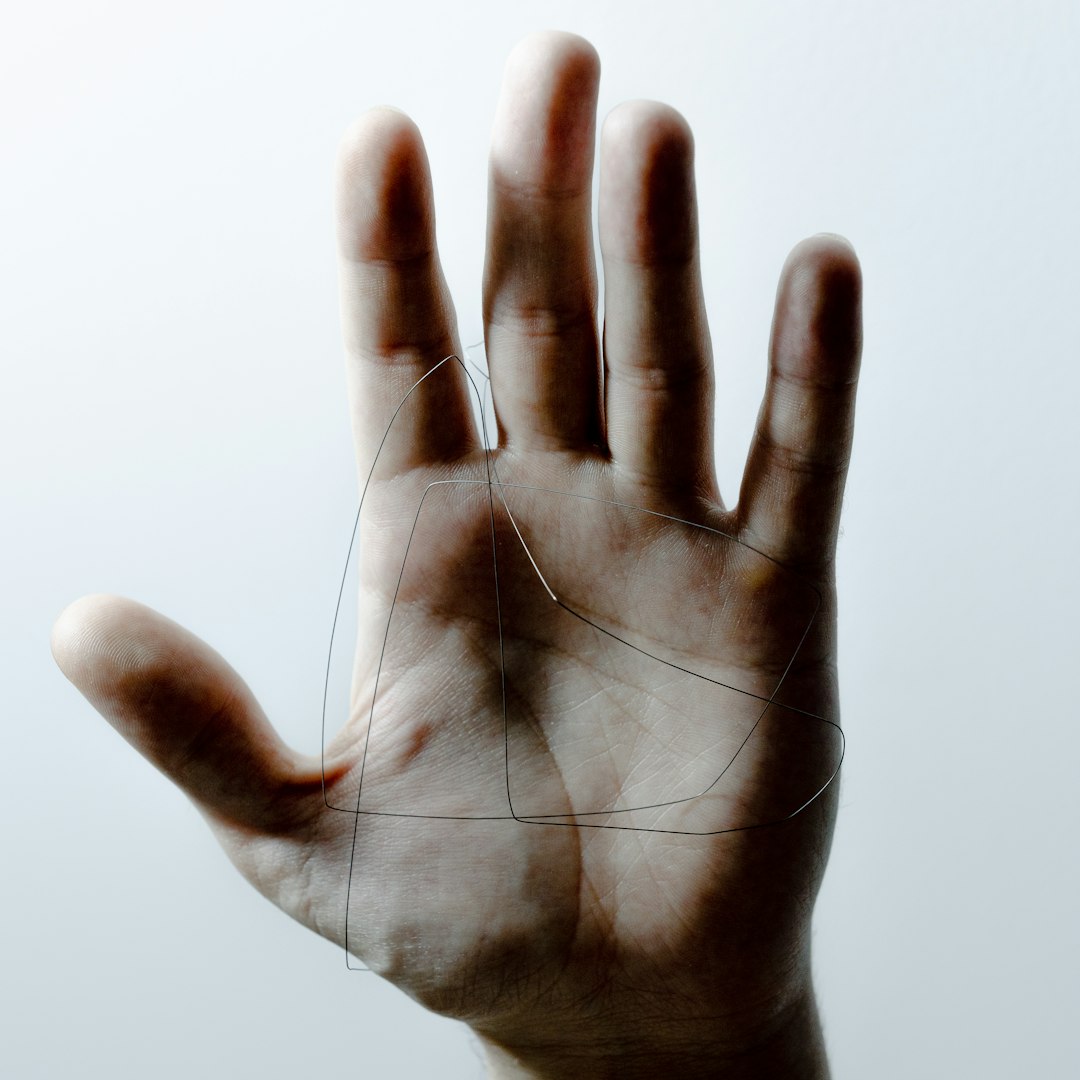
The Spiritual Meaning of Palmistry
The spiritual meaning of palmistry extends beyond predicting events.
Many practitioners believe the hand reflects aspects of personality, potential, emotional tendencies, and life lessons. In this sense, palmistry serves as a mirror for self-exploration.
Rather than telling people what will happen, it encourages them to better understand themselves and make conscious choices.
This approach shifts the focus from fortune-telling to personal growth.
The biggest myths about palmistry often arise from unrealistic expectations and misinformation. Palmistry is neither a magical tool that predicts every future event nor a system that removes personal responsibility.
Instead, it is an ancient practice centered on observation, symbolism, and self-reflection.
Whether you are curious about palm reading, interested in understanding palmistry lines, or exploring the spiritual meaning of palmistry, approaching the subject with an open and informed mindset is essential.
By separating palmistry myths from reality, you can appreciate this tradition for what it truly offers: insight, awareness, and a deeper understanding of yourself.
Personal Session
Looking for personalized guidance? Book a one-on-one personal session to gain deeper insights into your life path, relationships, career direction, and spiritual growth. Receive tailored guidance designed to help you move forward with confidence and clarity.
Book Now