

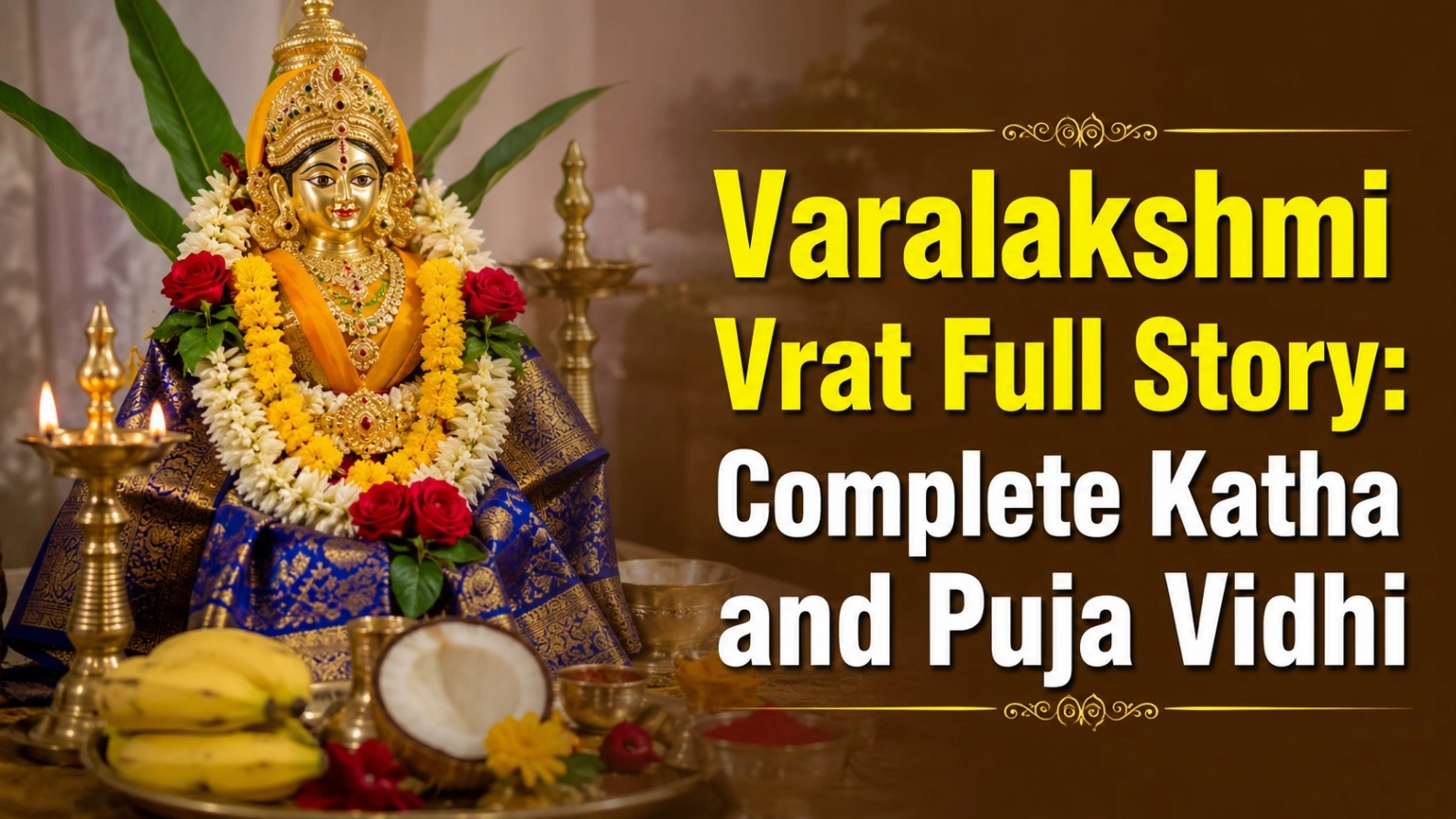
Varalakshmi Vrat is one of the sacred observances dedicated to Goddess Lakshmi, worshipped in her boon-giving form as Varalakshmi. The word Vara means boon or blessing, while Lakshmi represents prosperity, auspiciousness and divine abundance.
Observed with deep devotion, especially across southern India, Varalakshmi Vratam brings families together in prayer for prosperity, harmony, health and overall well-being.
For devotees searching for the Varalakshmi Vrat Katha, understanding the story is as important as knowing the rituals. The Katha teaches that true prosperity is connected not merely with material wealth but also with faith, gratitude, purity of intention and righteous living.
In 2026, Varalakshmi Vratam falls on Friday, August 28 in India. The observance traditionally falls during the sacred month of Shravana, and the exact auspicious puja timings depend on the devotee's location.
This detailed guide explains the Varalakshmi Vrat full story, the traditional Varalakshmi Vrat Puja Vidhi, required samagri, significance and important practices associated with this auspicious vrat.
What Is Varalakshmi Vrat?
Varalakshmi Vrat, also called Varalakshmi Vratham or Varalakshmi Vratam, is a devotional observance dedicated to Goddess Lakshmi.
It is particularly popular in states including Karnataka, Tamil Nadu, Andhra Pradesh, Telangana and Maharashtra. Traditionally, many married women observe the vrat while praying for the well-being of their families, although devotional observance is not necessarily limited only to married women.
According to traditional belief, worship of Varalakshmi represents reverence for the many dimensions of Lakshmi's blessings like prosperity, nourishment, knowledge, harmony, strength, peace and auspiciousness.
Varalakshmi therefore represents a much broader idea than monetary wealth.
Her blessings remind the devotee that a truly prosperous life also contains peace of mind, loving relationships, wisdom, strength, good conduct and gratitude.
Design Your Destiny
Rituals become truly transformative when their wisdom enters our everyday choices. If you want to understand how awareness, intention and timeless spiritual principles can help you create greater clarity, balance and direction in life, explore Design Your Destiny. Begin your journey of conscious transformation and learn to shape your life from within.
Start Your Journey Today!Varalakshmi Vrat Katha: The Complete Story of Charumati
One of the most widely narrated versions of the Varalakshmi Vratham story revolves around a deeply devoted woman named Charumati or Charumathi.
The story has been preserved in different regional forms, so small details may vary from one family or tradition to another. Its central spiritual message, however, remains devotion to Goddess Lakshmi and the transformative power of sincere worship.
The Devotion of Charumati
According to the popular Varalakshmi Vrat story, Charumati lived with her husband and family in the ancient city of Kundina or Kundinapura.
She was known for her humility, kindness, devotion to her family and reverence for the Divine.
Charumati regularly worshipped Goddess Lakshmi with sincerity. Her devotion was not based only on asking the Goddess for material possessions. Instead, her daily conduct reflected respect, responsibility and gratitude.
Goddess Lakshmi was believed to have been pleased by this sincere devotion.
One night, something extraordinary happened.
Goddess Lakshmi Appears in Charumati's Dream
While Charumati was sleeping, Goddess Lakshmi appeared before her in a dream in her divine form.
The Goddess instructed Charumati to perform a special vrat in her honour. This sacred observance would become known as Varalakshmi Vratam.
Lakshmi explained that the worship should be performed with devotion during the holy month of Shravana.
When Charumati awoke, she remembered the divine vision clearly.
Rather than keeping the experience to herself, she told her husband, family members and other women about the dream.
Her family supported her decision to perform the sacred vrat.
This became the beginning of the famous Varalakshmi Vrat Katha associated with Charumati.
A widely told traditional version describes Charumati as living in Kundina and receiving instructions for Varalakshmi worship from Goddess Lakshmi in a dream.
Charumati Prepares for Varalakshmi Puja
On the prescribed Friday, Charumati woke early and purified herself before beginning the preparations.
The worship area was cleaned and decorated beautifully.
A sacred Kalash was established to represent divine abundance and the presence of Goddess Lakshmi. Flowers, fruits, lamps, sacred offerings and other traditional puja materials were arranged.
Other women joined Charumati in performing the vrat.
Together they worshipped Goddess Varalakshmi with tremendous devotion.
They offered flowers, food and prayers to the Goddess and performed the rituals they had been instructed to follow.
The occasion therefore became more than an individual act of worship, it became a shared expression of devotion.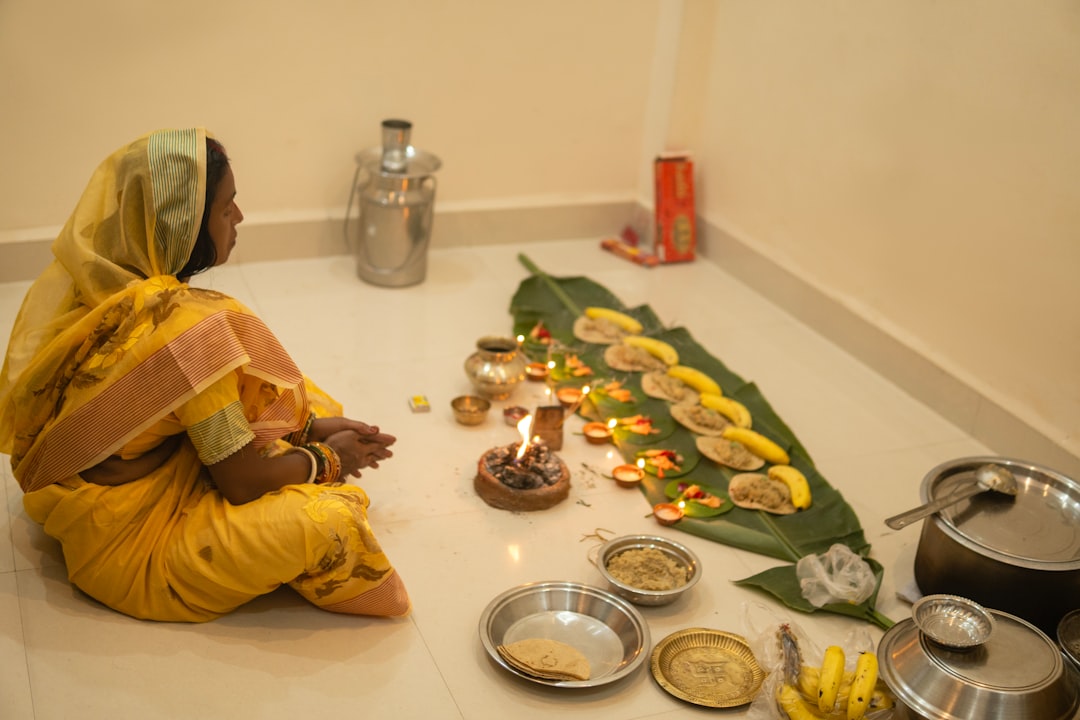
Goddess Varalakshmi Blesses Charumati
As the worship progressed, the women experienced the grace of Goddess Lakshmi.
Traditional versions of the Varalakshmi Vrat full Katha describe Charumati and the women receiving signs of divine abundance and prosperity.
Their homes became prosperous, and they received the blessings for which they had worshipped.
The women thanked Charumati because it was through her divine dream and willingness to share the sacred practice that they had participated in Varalakshmi Vratam.
From that time onward, according to the traditional narrative, the vrat came to be observed with devotion by generations of families.
The story communicates a deeper principle: divine abundance grows when devotion, gratitude and blessings are shared rather than kept only for oneself.
Varalakshmi Vratham 2026: When to Observe the Vrat & Puja
What Does the Varalakshmi Vrat Story Teach Us?
The Varalakshmi Vrat Katha is not merely a story about gaining wealth.
Charumati's character represents several spiritual values.
She was sincere before she received blessings.
She was devotional before prosperity came into her life.
And after receiving divine instruction, she shared it with others.
This makes the Katha a lesson in gratitude, selflessness and faith.
True Lakshmi is not simply money. Lakshmi can be understood as everything that makes life genuinely abundant like wisdom, health, food, courage, peace, loving relationships, stability and spiritual awareness.
The Varalakshmi Vratham Katha therefore encourages devotees to seek abundance with dharma and gratitude.
Another Traditional Varalakshmi Vrat Katha
Devotees may occasionally encounter another version while searching for the Varalakshmi Vrat complete Katha.
A separate traditional account involves Lord Shiva, Goddess Parvati and a devotee named Chitranemi.
In this narrative, a dispute occurs between Shiva and Parvati during a game. Chitranemi gives an unfair judgement and faces Parvati's curse.
He later encounters celestial beings performing Varalakshmi Vrat and learns the sacred worship from them. By performing the vrat with devotion, he eventually receives relief from his suffering and divine grace.
Some published Vrat-Katha traditions identify this account with the Varalakshmi observance and describe its detailed worship procedures.
The existence of different Katha traditions is why families may hear slightly different versions of the Varalakshmi Vrat story depending on their language, region and religious tradition.
Varalakshmi Vrat Puja Vidhi: Step-by-Step Guide
The precise Varalakshmi Vrat Puja Vidhi can vary according to family tradition and regional custom. Devotees should therefore follow their family priest or established tradition where applicable.
A commonly followed procedure includes the following steps.
1. Clean and Prepare the Puja Area
Wake early, bathe and wear clean clothes.
Clean the area where the puja will be performed and decorate the entrance or altar with rangoli, flowers and traditional auspicious symbols.
The atmosphere should be peaceful and devotional.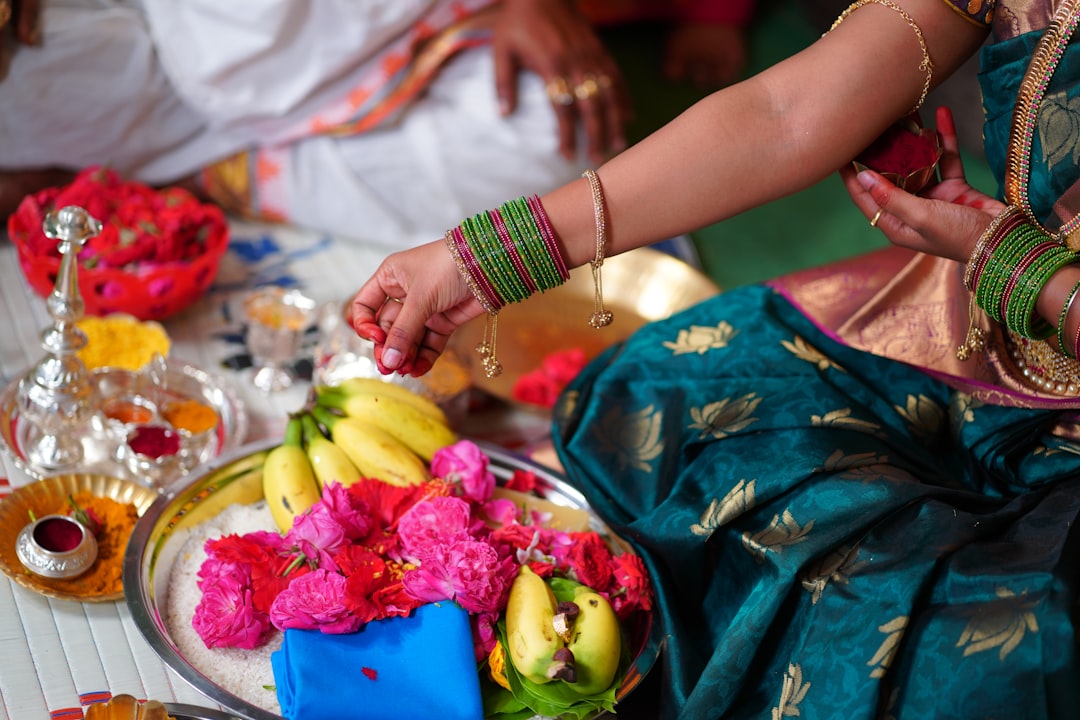
2. Prepare the Puja Samagri
Commonly used Varalakshmi Puja items include:
Kalash
Coconut
Mango or suitable sacred leaves
Rice
Turmeric
Kumkum
Sandalwood
Flowers
Fruits
Betel leaves and betel nuts
Lamp and ghee or oil
Incense
Naivedya or sweets
Sacred thread
Goddess Lakshmi image or representation
Regional practices can include additional items.
3. Establish the Kalash
Place rice or grains on the altar and establish the Kalash according to your household tradition.
The Kalash is often filled with water or other prescribed sacred ingredients and decorated with leaves and a coconut.
A representation or face of Goddess Lakshmi may be placed or decorated around the Kalash.
Dress and decorate the Goddess with flowers, jewellery and cloth according to your tradition.
Varalakshmi Puja at Home: Step-by-Step Puja Vidhi and Rules
4. Take the Sankalpa
Sit before Goddess Varalakshmi and mentally state your intention for performing the vrat.
Pray for purity of mind, family welfare, spiritual growth, harmony and righteous prosperity.
The intention behind the puja should ideally be devotional rather than purely material.
5. Invoke Lord Ganesha
Many Hindu pujas begin by remembering Lord Ganesha and seeking the removal of obstacles before the main worship.
Offer a brief prayer to Ganesha according to your tradition.
6. Worship Goddess Varalakshmi
Offer turmeric, kumkum, sandalwood, flowers, incense and a lamp.
Devotees may chant Lakshmi mantras, recite Lakshmi names or offer prayers according to their family tradition.
One simple mantra often used in Lakshmi worship is:
Om Shreem Mahalakshmyai Namah
Chant slowly and with concentration rather than treating the mantra as a mechanical repetition.
Living the Gita Movement
The Bhagavad Gita is not merely something to be read or listened to. It is the art of awakening within oneself and experiencing the truth of life. The vision of the Living the Gita Movement is to bring the wisdom of the Gita out of books and transform it into a lived experience.
Join Now7. Offer Naivedya
Prepare sattvic food or sweets according to family customs and offer them to Goddess Varalakshmi before consuming them.
Fruits, sweets, payasam or kheer and other traditional dishes may be offered depending on regional practice.
8. Read or Listen to Varalakshmi Vrat Katha
Reading or listening to the Varalakshmi Vrat Katha and Puja Vidhi is an important devotional part of the observance.
Families may narrate the Charumati Katha or the version followed within their own tradition.
Listen attentively and reflect on its message rather than simply rushing through the narration.
9. Sacred Thread and Vayana
A sacred thread associated with Varalakshmi worship is traditionally known as Dorak, while special sacred offerings are known as Vayana in detailed ritual traditions.
The exact method differs by community, so established family practice should be followed.
10. Perform Aarti
Conclude the principal worship with Aarti.
Offer gratitude to Goddess Varalakshmi for all visible and invisible blessings already present in your life.
Prasad can then be distributed among family members and devotees.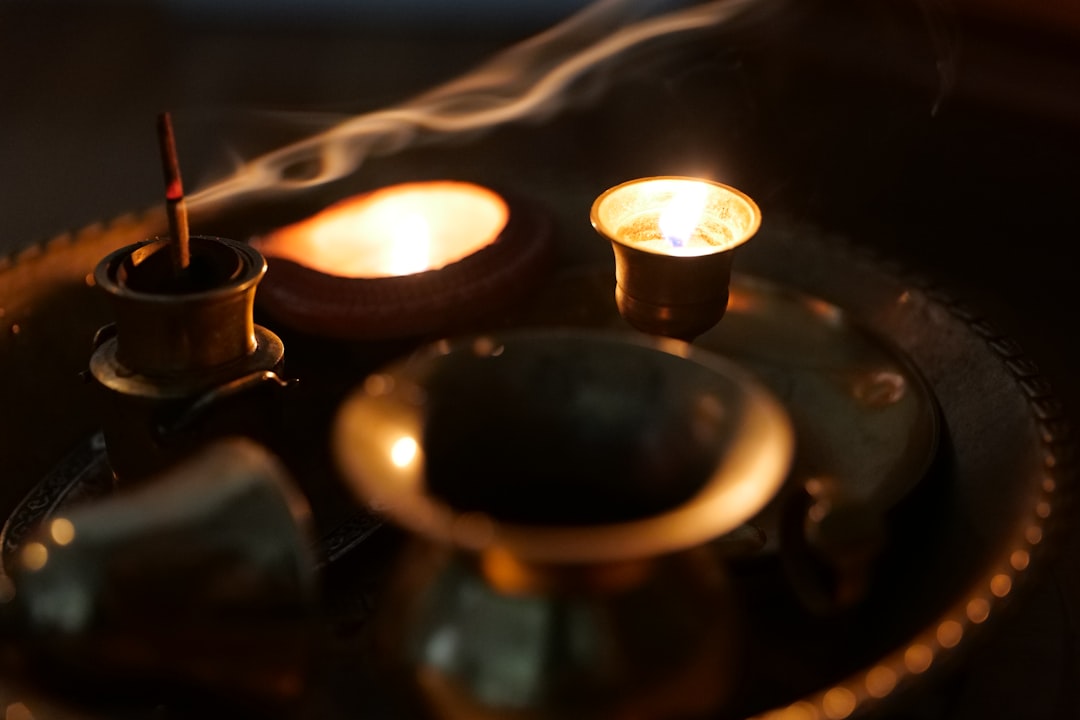
Spiritual Significance of Varalakshmi Vrat
The deeper purpose of Varalakshmi worship is transformation of one's relationship with prosperity.
Spiritual abundance does not mean collecting endlessly.
It means recognising what has already been received and using it consciously.
The Varalakshmi Vrat Katha reminds us that material prosperity becomes meaningful when accompanied by contentment, wisdom, compassion and right action.
Devotees can therefore use the day not only to pray for wealth but also to ask:
Am I grateful for what I already have?
Do I use prosperity responsibly?
Is there peace inside my home?
Are my ambitions aligned with dharma?
Can my abundance benefit someone besides myself?
When these questions become part of worship, Varalakshmi Vrat develops from a ritual into a meaningful spiritual practice.
Personal Session
Every inner journey is different. Sometimes the right guidance can help you understand the patterns, questions and challenges that are difficult to see on your own. A Personal Session offers dedicated guidance to help you gain clarity, deepen your spiritual understanding and move forward with greater awareness. Take the next step toward clarity and inner transformation.
Book NowRead Latest Articles
What You Experience After Fasting Every Monday in Sawan
Frequently Asked Questions
What is the Varalakshmi Vrat Katha?
Varalakshmi Vrat Katha is the sacred story associated with worship of Goddess Varalakshmi. A popular version tells of the devoted Charumati, who receives Goddess Lakshmi's guidance in a dream and performs the vrat with other women. Her devotion is blessed with prosperity, making the story a symbol of faith, gratitude, family welfare and divine abundance.When is Varalakshmi Vrat in 2026?
In India, Varalakshmi Vratam falls on Friday, August 28, 2026. Exact puja muhurat differs according to location, so devotees should consult a local Panchang for city-specific timings.Who is Goddess Varalakshmi?
Varalakshmi is a boon-bestowing form of Goddess Lakshmi associated with prosperity, auspiciousness, family welfare and abundance.What is the main Varalakshmi Vrat story?
The most widely narrated Varalakshmi Vratham story tells of Charumati, whose sincere devotion pleases Goddess Lakshmi. The Goddess appears in her dream and instructs her to observe Varalakshmi Vrat.Is Varalakshmi Vrat only for married women?
The vrat is traditionally especially popular among married women in several South Indian communities, but traditions differ. Drik Panchang notes that the fast is not necessarily restricted only to women.What should be offered during Varalakshmi Puja?
Common offerings include flowers, fruits, turmeric, kumkum, lamps, incense and sattvic food or sweets. Exact offerings differ according to family and regional tradition.