


Every year, millions of people offer prayers, flowers and heartfelt gratitude to their teachers on the full moon of the Hindu month of Ashadha. But why do we celebrate Guru Purnima, and what makes this occasion spiritually important?
Guru Purnima is not simply a festival for honouring one individual. It is a celebration of wisdom, guidance and the sacred relationship between a teacher and a seeker. It reminds us that knowledge can change our circumstances, but true guidance can transform our entire way of living.
Traditionally known as Vyasa Purnima, the occasion is associated with Maharishi Veda Vyasa and is observed on Ashadha Purnima, usually falling in June or July. Guru Purnima is celebrated by different spiritual communities, including Hindus, Buddhists and Jains, although their traditions and historical associations may differ.
Let us understand the Guru Purnima meaning, its history and why the presence of a true guru remains relevant even today.

What Is Guru Purnima?
Guru Purnima is a spiritual festival dedicated to expressing respect and gratitude toward gurus, teachers, mentors and all those who guide us from confusion to clarity.
The word “Purnima” means the full moon. The full moon is traditionally associated with completeness, illumination and inner clarity. Symbolically, just as the moon lights the darkness of the night, a guru illuminates the darkness of ignorance within a disciple.
In Hindu tradition, a guru is more than an academic teacher. A teacher may provide information and skills, while a spiritual guru helps a person understand the deeper questions of life:
Who am I beyond my identity and achievements?
What is the purpose of human life?
Why does the mind experience suffering?
How can a person live with awareness?
What is the path to self-realisation?
Therefore, the Guru Purnima festival is not only about thanking someone who has taught us. It is also about honouring the principle of wisdom that awakens us from unconscious living.
Design Your Destiny
Reading spiritual teachings can inspire you, but applying them can transform your life. Join the Design Your Destiny programme and learn practical methods to understand your mind, overcome limiting patterns and consciously shape the direction of your life.
Start Your Journey Today!Why Do We Celebrate Guru Purnima?
We celebrate Guru Purnima to recognise the importance of guidance in human life.
A person may possess intelligence, ambition and knowledge, yet still feel confused about relationships, purpose, emotions and inner peace. The guru helps the seeker look beyond borrowed beliefs and discover truth through understanding and experience.
The deeper reason behind the Guru Purnima celebration is gratitude. On this day, disciples reflect on how their guru’s teachings have influenced their lives. They may remember the moments when a teacher corrected them, challenged their assumptions or showed them a path they could not see on their own.
Guru Purnima also gives seekers an opportunity to renew their commitment to spiritual discipline. Honouring a guru is meaningful only when the disciple attempts to practise the teachings received.
The day therefore represents three important qualities:
Gratitude: Recognising the person or wisdom that has guided us.
Humility: Accepting that we do not know everything and can learn from someone with deeper experience.
Commitment: Applying spiritual teachings in everyday life rather than merely admiring them.
This is why Guru Purnima is important. It reminds us that transformation requires both genuine guidance and a willing seeker.
Guru Purnima History and the Connection With Veda Vyasa
Guru Purnima is widely known as Vyasa Purnima because of its traditional association with Maharishi Veda Vyasa.
Veda Vyasa occupies a highly respected place in Indian spiritual and literary tradition. He is traditionally associated with the classification of the Vedic knowledge into four Vedas that is Rigveda, Yajurveda, Samaveda and Atharvaveda. He is also traditionally regarded as the author or compiler connected with the Mahabharata and several other important texts.
Because of his immense contribution to the preservation and transmission of sacred knowledge, Vyasa is remembered as one of the greatest gurus in Indian tradition.
Guru Purnima became an occasion to honour Maharishi Vyasa and, through him, the entire guru-shishya parampara, the lineage through which knowledge passes from teacher to disciple.
It is difficult to identify one historical person who “started” Guru Purnima in the modern sense. The festival developed through ancient religious and cultural traditions. Therefore, claims assigning its beginning to a single documented founder should be treated carefully.
The safest understanding is that Guru Purnima is an ancient observance connected with Vyasa, the guru tradition and the transmission of spiritual knowledge.
Why Is Guru Purnima Celebrated in Hinduism?
Guru Purnima in Hinduism celebrates the guru as a guide to both knowledge and self-realisation.
Indian scriptures repeatedly emphasise the importance of approaching knowledge with humility, inquiry and disciplined effort. The Bhagavad Gita presents one of the most recognised examples of the guru-disciple relationship.
Arjuna is a skilled warrior, but on the battlefield of Kurukshetra, he becomes overwhelmed by grief and moral confusion. At that moment, he turns to Krishna not merely as a friend but as a teacher. Krishna then guides him through questions of duty, action, identity, attachment and spiritual wisdom.
Bhagavad Gita 4.34 advises a seeker to approach those who have realised truth through humility, sincere inquiry and service. The verse highlights that real learning is neither blind obedience nor casual intellectual curiosity. It involves respect, questions and willingness to practise.
This helps explain why the guru is worshipped on Guru Purnima. The worship is not intended to glorify a personality blindly. Ideally, it honours the wisdom, discipline and spiritual light represented by the guru.
Guru Purnima According to the Vedas and Upanishads
People often search for “Guru Purnima according to Vedas.” It is important to distinguish between the celebration of the festival and the broader scriptural importance of a teacher.
The exact modern festival format is not presented as a detailed annual celebration in the earliest Vedic texts. However, the importance of receiving knowledge through a teacher is deeply rooted in Vedic and Upanishadic tradition.
The Upanishads describe the teacher-student relationship as essential to the transmission of self-knowledge. Texts such as the Chandogya Upanishad, Katha Upanishad and Shvetashvatara Upanishad discuss the importance of guidance, reverence and direct understanding.
This is also reflected in the ancient gurukul tradition, where a student lived close to the teacher and learned not only academic subjects but also discipline, responsibility, conduct and self-control.
Therefore, the Guru Purnima importance in Sanatan Dharma comes from a foundational principle: information may be collected from many sources, but wisdom must be understood, experienced and lived.
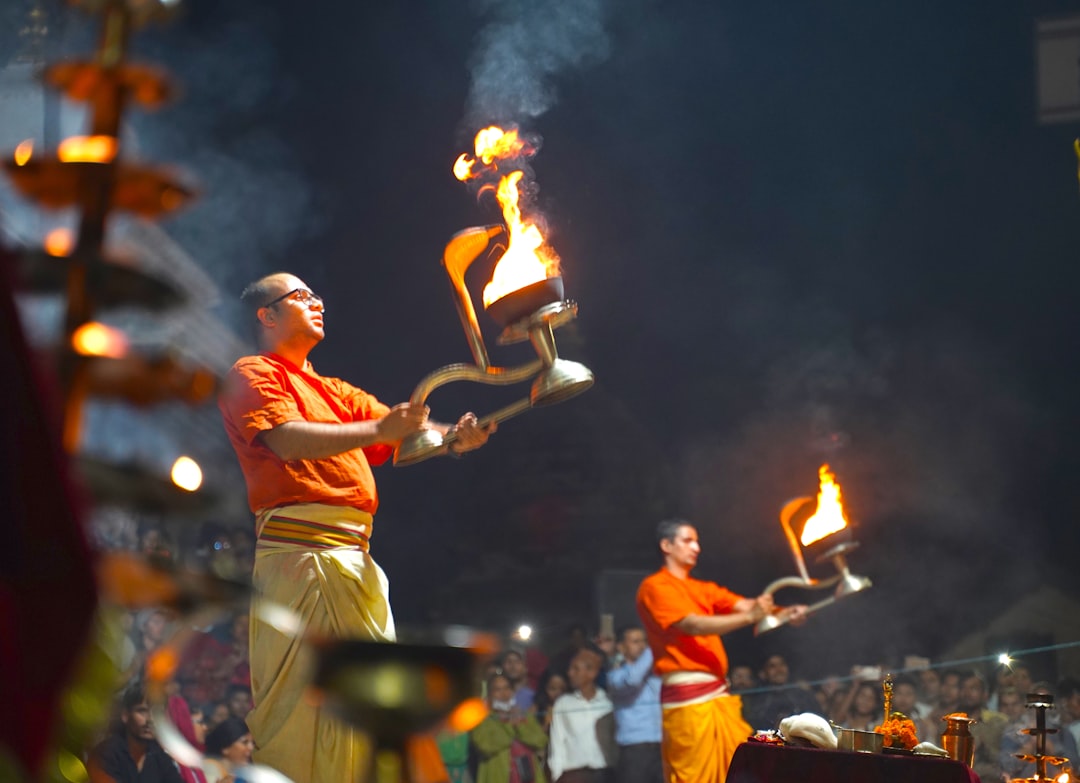
What Is the Spiritual Significance of Guru Purnima?
The spiritual significance of Guru Purnima extends beyond rituals and celebrations. It is a day of self-examination.
A disciple may offer flowers to a guru, but the deeper offering is the willingness to release ego, unconscious habits and false assumptions. A true guru does not merely comfort the seeker. The guru may also reveal uncomfortable truths that lead to growth.
Guru Purnima encourages us to ask:
Am I practising what I have learned?
Have the teachings changed my reactions?
Am I becoming more aware and compassionate?
Do I seek truth or only emotional reassurance?
Am I sincerely committed to inner transformation?
The guru functions like a mirror. A mirror does not create a new face; it allows us to see what is already present. In the same way, a spiritual guide does not manufacture truth for the disciple. The guide helps remove confusion so that the seeker can recognise truth directly.
This is the spiritual meaning of Guru Purnima: the movement from dependence on outer identity toward awareness of one’s inner nature.
Why Is the Guru Important?
A guru is important because human beings often cannot see their own conditioning clearly.
We can easily observe the mistakes of others, but our own fears, attachments and beliefs may remain hidden. A genuine teacher notices the patterns that keep the seeker trapped and offers methods for becoming conscious of them.
The significance of a guru in Hinduism can be understood through four roles:
1. A Guru Removes Confusion
The guru helps the disciple distinguish temporary emotion from deeper understanding. This becomes especially valuable during periods of uncertainty.
2. A Guru Offers a Tested Path
Instead of allowing a seeker to wander endlessly between techniques and philosophies, a guru may provide a structured discipline suited to the seeker’s development.
3. A Guru Challenges the Ego
Spiritual growth is not always comfortable. A true teacher may challenge pride, excuses, attachment and the desire for approval.
4. A Guru Encourages Direct Experience
An authentic spiritual guide does not ask the seeker to remain dependent forever. The purpose of guidance is to awaken clarity, responsibility and self-awareness.
At the same time, spiritual respect should never require surrendering common sense. A genuine guru does not encourage exploitation, fear or unquestioning submission. Discernment remains essential on every spiritual path.
How Is Guru Purnima Celebrated?
Guru Purnima celebrations vary among families, ashrams and spiritual communities. Common observances include:
Guru Puja
Disciples may perform a symbolic puja with flowers, lamps, incense and offerings. The ritual expresses reverence for the guru and the spiritual lineage.
Meditation and Prayer
Many people spend additional time in silence, meditation, mantra chanting or contemplation.
Reading Spiritual Texts
Devotees may read the Bhagavad Gita, Guru Gita, Upanishads or teachings given by their spiritual master.
Satsang
Ashrams and spiritual organisations often conduct satsangs, discourses, meditation sessions and question-and-answer programmes.
Seva
People may participate in food distribution, volunteering, charitable activities or service at an ashram.
Seeking Blessings
Disciples may personally meet their guru or offer gratitude through a letter, message or prayer when a meeting is not possible.
Feeling Low for No Reason? Your Space May Need an Energy Cleanse
Renewing a Spiritual Practice
A seeker may use Guru Purnima to restart meditation, maintain a journal or commit to practising one teaching consistently.
The outer celebration may last for a day, but its real value is reflected in how sincerely the teachings are lived afterward.
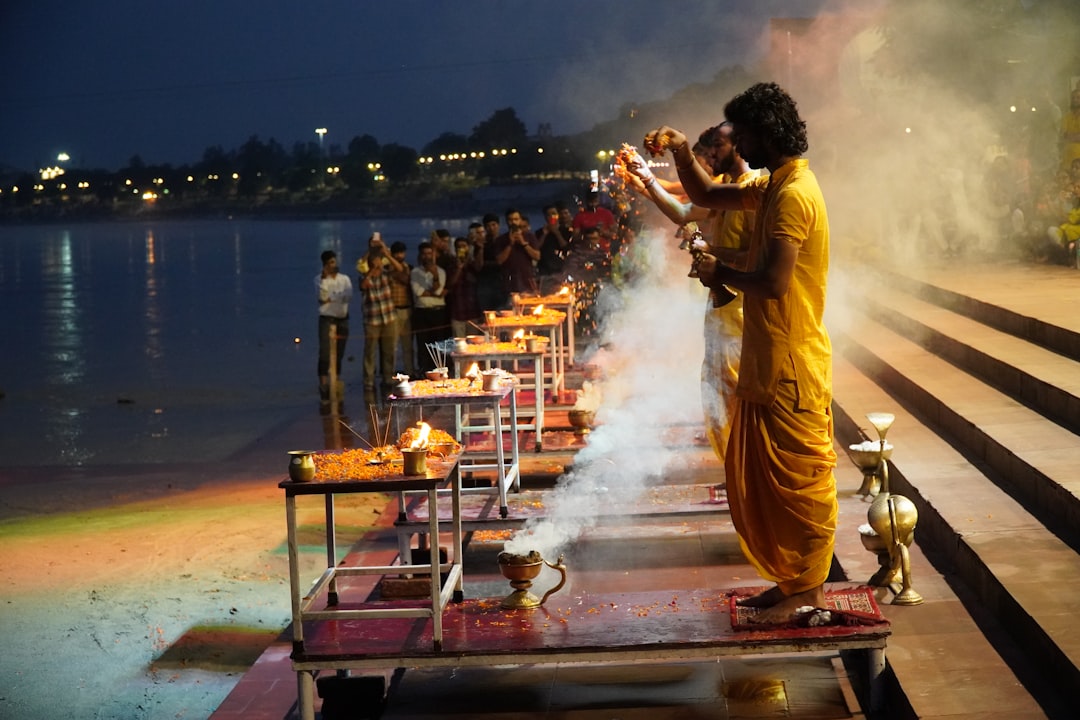
Guru Purnima Celebration Ideas at Home
You do not need an elaborate ceremony to observe Guru Purnima meaningfully.
Begin the day with a few minutes of silence. Remember the teachers, parents, mentors and guides who have helped you grow. Write down three teachings that have changed your life and assess whether you are applying them.
You can also:
Light a lamp in gratitude.
Read a chapter from a spiritual book.
Meditate on your guru’s teachings.
Call or write to a respected teacher.
Offer food or educational materials to someone in need.
Forgive an old teacher whose correction you once misunderstood.
Commit to one spiritual discipline for the next 40 days.
Share a valuable teaching without expecting recognition.
The best Guru Purnima celebration idea is one that produces a real inner change rather than remaining only a social ritual.
Is Guru Purnima Celebrated Only by Hindus?
No. Although Guru Purnima has a major place in Hindu culture, it is also significant in some Buddhist and Jain traditions.
In Buddhist tradition, Ashadha Purnima is associated with the Buddha’s first teaching at Sarnath after his enlightenment. This teaching is remembered as the turning of the Wheel of Dharma and the beginning of the Buddhist Sangha.
Jain traditions also honour spiritual teachers and lineages around this period, although the specific narratives and practices differ.
These diverse observances share a common theme: respect for the transmission of wisdom from one generation to the next.
Guru Purnima Facts
Here are some important Guru Purnima facts:
Guru Purnima is observed on the full moon of the Hindu month of Ashadha.
It is commonly called Vyasa Purnima.
The festival honours spiritual teachers, academic teachers and mentors.
Guru Purnima is observed by several Hindu, Buddhist and Jain communities.
Meditation, satsang, seva and Guru Puja are common practices.
The date changes annually because it follows a lunar calendar.
In 2026, Guru Purnima falls on Wednesday, July 29, although precise tithi timings may vary by location and panchang tradition.
The deepest purpose of the festival is not personality worship but gratitude for wisdom and guidance.
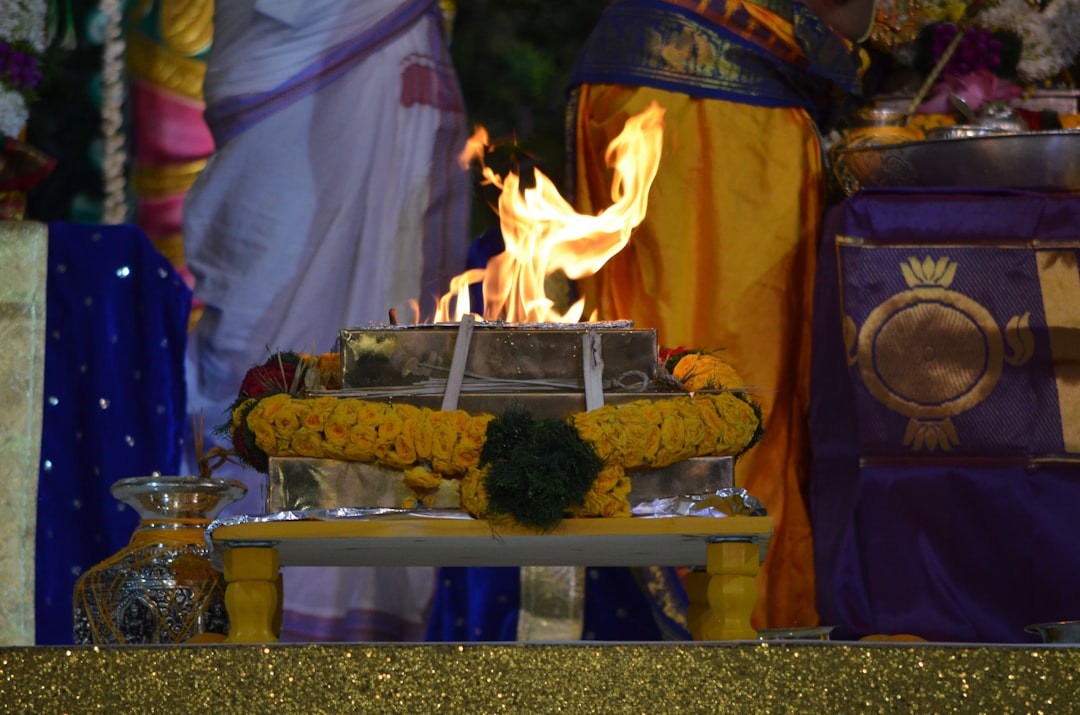
The Relevance of Guru Purnima Today
Modern life gives us immediate access to information, but information alone does not create wisdom.
We can watch hundreds of videos about meditation and still remain controlled by anger. We can read spiritual books and still repeat the same emotional patterns. We can collect quotations without understanding their application.
That is why the guru principle remains relevant.
A true guide helps convert information into understanding and understanding into transformation. The guru teaches not only through words but also through presence, example and correction.
Guru Purnima reminds us to pause and acknowledge every person who has helped us see life more clearly. It also asks us to become worthy students curious but discerning, respectful but conscious, devoted but never blind.
Why do we celebrate Guru Purnima? We celebrate it because no meaningful journey of learning is completed without guidance.
The festival honours Maharishi Veda Vyasa, the guru-shishya tradition and every teacher who helps remove ignorance. More importantly, it reminds the seeker that gratitude must be expressed through practice.
The true offering to a guru is not only a flower, prayer or message. It is a transformed life.
When we become more aware, compassionate, disciplined and truthful because of the guidance we have received, Guru Purnima becomes more than an annual festival. It becomes a living expression of the guru’s teachings.
Personal Session
Are you experiencing confusion, emotional challenges or uncertainty about your spiritual journey? Book a personal session for focused guidance based on your present situation. Gain greater clarity, understand the patterns holding you back and discover the next conscious step in your journey.
Book NowRead Latest Articles
Feeling Low for No Reason? Your Space Need an Energy Cleanse
This Guru Purnima, Listen to What Your Guru Is Really Saying