

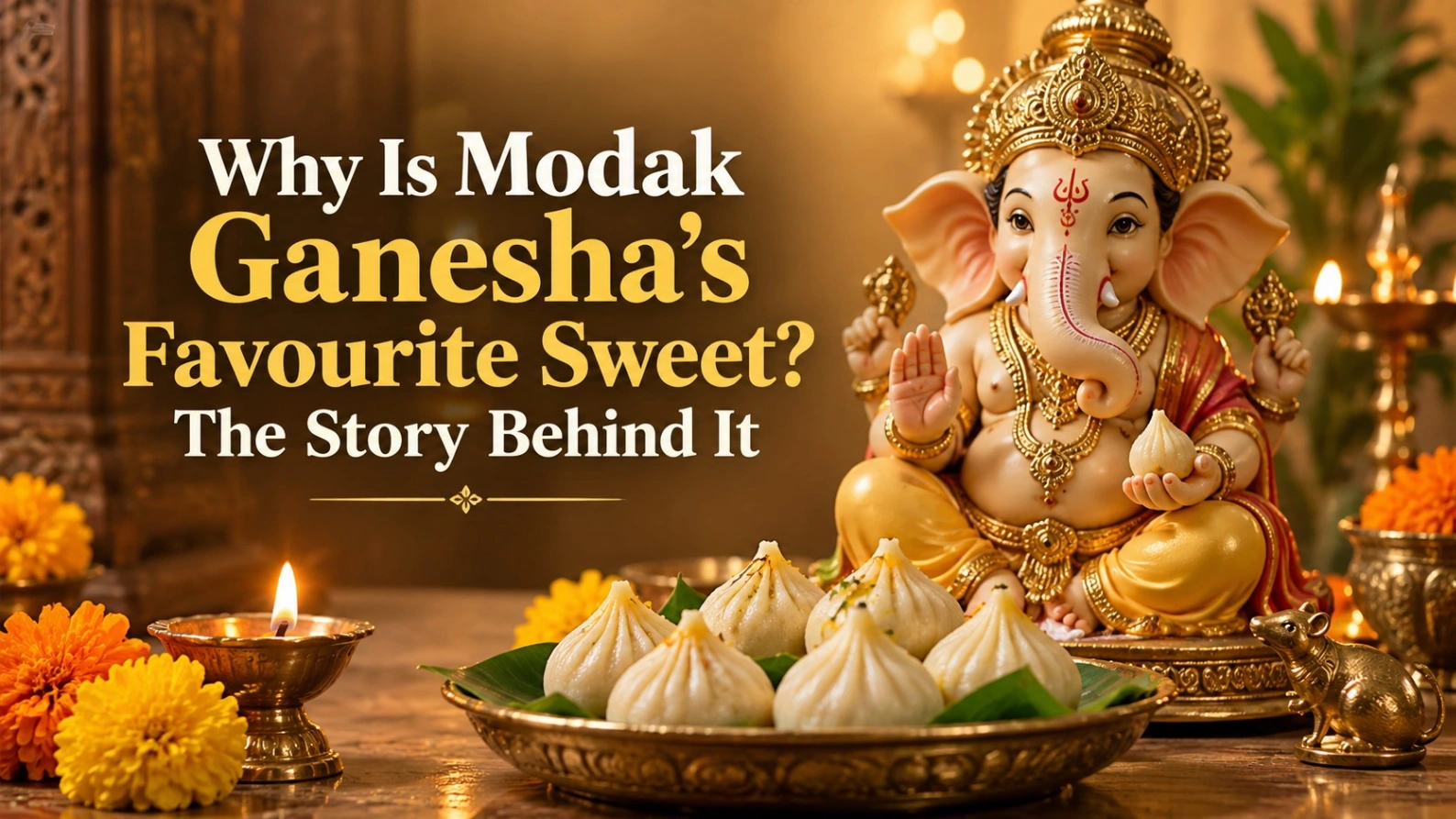
The image of Lord Ganesha holding a modak is familiar to millions of devotees. During Ganesh Chaturthi, homes fill with the aroma of freshly prepared modaks, temples receive them as naivedya, and devotees lovingly offer the sweet before sharing it as prasad.
But why is modak Ganesha's favourite sweet? Why, among countless Indian sweets, did the humble modak become so closely associated with Ganpati Bappa?
The answer lies in a beautiful combination of devotional tradition, symbolism, mythology and spiritual meaning.
Lord Ganesha is traditionally praised as Modakapriya, meaning one who is fond of modak. The association is so deep that the modak has become one of the most recognisable symbols connected with him. Traditional Ganesha name lists also preserve the name Modakapriya, while the Ganapati Atharvashirsha explicitly refers to worshipping Ganapati with modakas.
More importantly, the sweet carries a deeper message. Its pleasant filling hidden inside an outer covering is often interpreted as a reminder that true wisdom, fulfilment and spiritual joy are discovered by turning inward.
Let us explore the Ganesha modak story, why Lord Ganesha loves modak, and what this sacred sweet represents.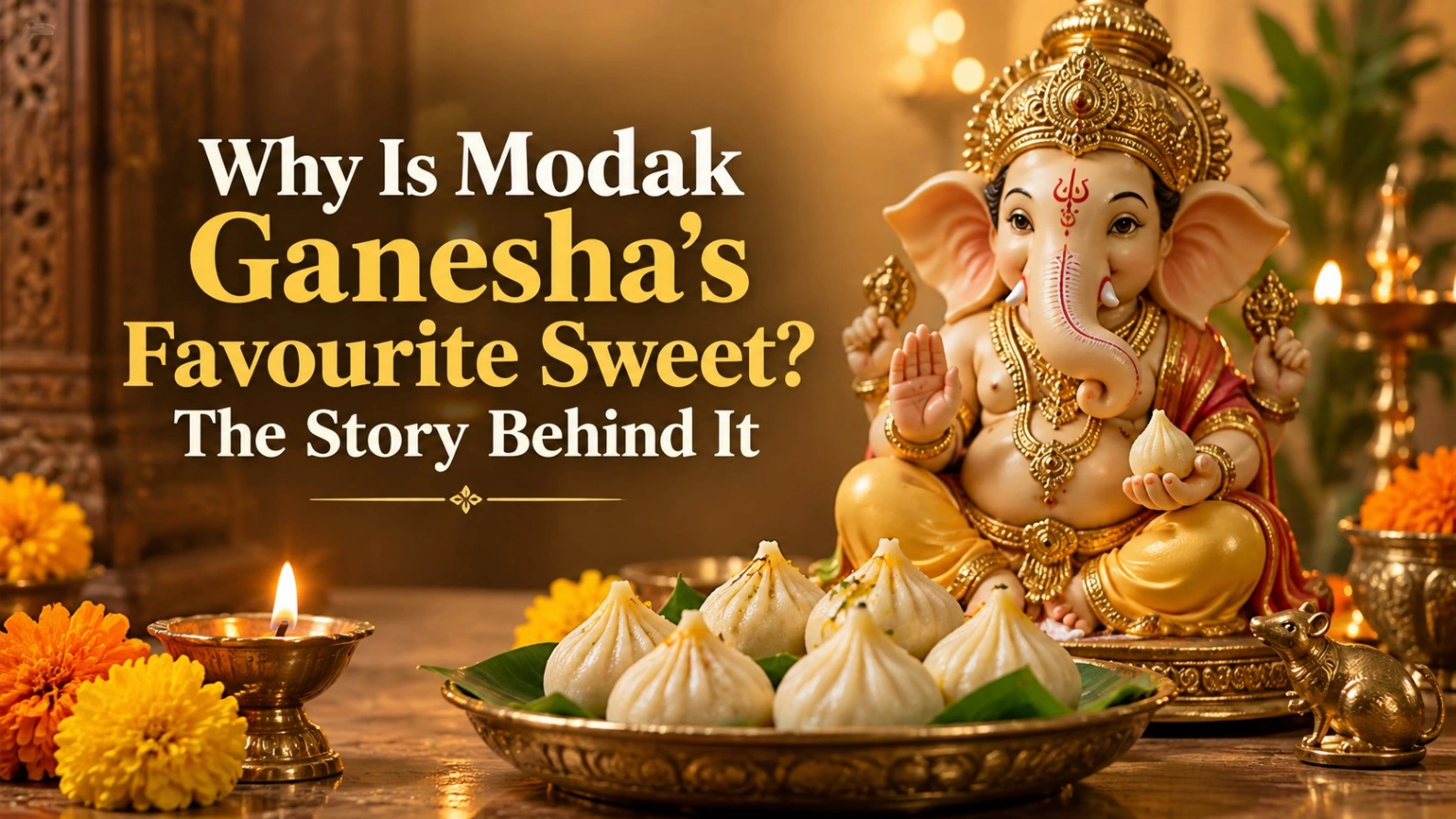
Why Is Modak Ganesha's Favourite Sweet?
In devotional tradition, modak is considered one of Lord Ganesha's favourite offerings. This is why many representations of Ganesha show him holding a sweet or a bowl of modaks.
The Sanskrit-derived word modaka is commonly associated with ideas of joy, delight and happiness. This makes the sweet particularly appropriate for Ganesha, who represents wisdom, auspicious beginnings and the removal of obstacles.
However, the connection is not merely about Ganesha enjoying sweets.
The modak can also be understood symbolically:
Its sweet centre represents the bliss associated with spiritual knowledge.
Its outer covering can represent the external world through which a seeker must look more deeply.
Its distinctive shape is sometimes interpreted as pointing upward, symbolising spiritual growth.
Offering something sweet expresses love, gratitude and devotion.
Therefore, when devotees ask why Ganesha loves modak, the traditional answer has both a simple and a deeper dimension: modak is remembered as his beloved sweet, while its symbolism reflects the joy and wisdom associated with Lord Ganesha.
Design Your Destiny
Knowing spiritual teachings is only the beginning. Real transformation begins when those teachings become part of the way you think, decide and live. Explore the Design Your Destiny program and discover practical spiritual wisdom that can help you understand your mind, overcome inner limitations and move towards a more conscious and purposeful life.
Start Your Journey Today!The Famous Ganesha Modak Story
One popular story behind Ganesha and modak involves Lord Shiva, Goddess Parvati, Lord Ganesha and the revered Anusuya, wife of Sage Atri.
According to the traditional story, Lord Shiva, Goddess Parvati and Ganesha once visited Anusuya.
Ganesha was served food, but his hunger seemed impossible to satisfy. Dish after dish was placed before him, yet he continued eating.
Eventually, Anusuya offered him a sweet preparation identified in later retellings as a modak.
After eating it, Ganesha finally felt completely satisfied.
The story goes on to say that Lord Shiva also expressed satisfaction, and later tradition connects this episode with the custom of offering modaks to Ganesha.
Versions of this devotional legend appear across modern retellings, although details can vary between regions and traditions.
The central message remains simple: the modak represents complete satisfaction and joy, making it a fitting offering to Ganesha.
Why Lord Ganesha Is Called Modakapriya
Another clue to why Lord Ganesha likes modak comes from the devotional name Modakapriya.
Priya means dear, loved or pleasing. Therefore, Modakapriya can be understood as:
“One to whom modak is dear”
or
“One who loves modak.”
This name reflects how deeply the sweet became associated with Ganesha worship.
The Ganapati Atharvashirsha also makes an explicit reference to modakas in worship, stating in one passage that one who worships Ganapati with a thousand modakas obtains the desired fruit.
This is important because it shows that the relationship between Lord Ganesha and modak is not merely a modern Ganesh Chaturthi food trend. Modak has a longstanding place within devotional practices associated with Ganapati.
What Does Modak Symbolize Spiritually?
The spiritual significance of modak becomes especially interesting when we look beyond the food itself.
A traditional modak consists of an outer covering surrounding a sweet filling, often prepared with ingredients such as jaggery and coconut.
This makes it an evocative spiritual symbol.
1. Sweetness of Inner Wisdom
The sweetest part of a modak remains hidden inside.
Likewise, spiritual wisdom may not always be visible on the surface. It has to be discovered through awareness, contemplation and experience.
Ganesha is associated with wisdom and intelligence, making this symbolism particularly meaningful.
Lord Ganesha 108 Names:List, Meaning & Benefits of Each Name
2. Joy Beyond External Appearance
The outside of a modak is relatively simple, while the real sweetness lies within.
Spiritually, this can remind us that lasting fulfilment does not necessarily come from external possessions or appearances.
Real contentment is discovered within.
3. Reward of Conscious Effort
Preparing traditional modaks can require patience and attention. The dough must be shaped, filled and carefully folded.
This makes the offering itself an act of devotion.
The devotee is not simply presenting food but offering time, attention, gratitude and love.
4. Knowledge Leads to Bliss
Lord Ganesha represents wisdom and discernment.
The sweetness of modak can therefore be seen as symbolic of a powerful spiritual lesson:
True knowledge eventually leads to inner joy.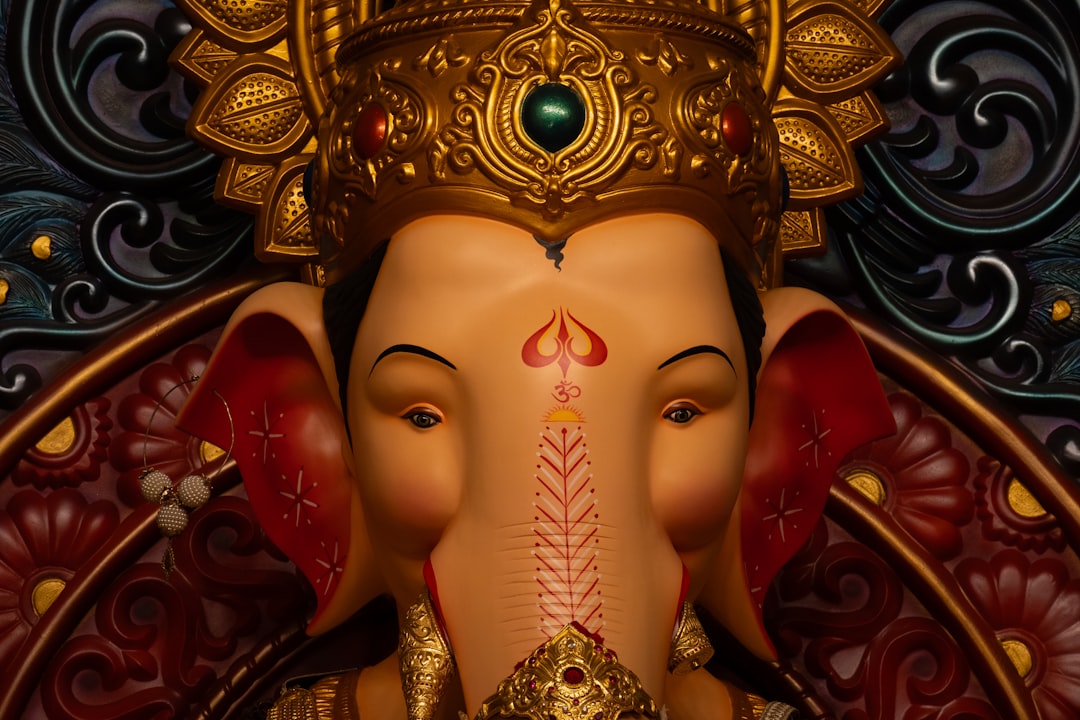
Why Is Modak Offered to Ganesha?
The question “why modak is offered to Ganesha” has several complementary answers.
First, devotional tradition considers modak particularly dear to him.
Second, preparing and offering food is an important expression of bhakti. The food offered to the deity is called naivedya, and after the offering it is received and shared as prasad.
Third, modak carries qualities traditionally associated with Ganesha: wisdom, joy, abundance and fulfilment.
Therefore, devotees may offer modak while praying for:
wisdom and clarity,
auspicious beginnings,
strength to overcome obstacles,
inner contentment,
success in righteous efforts,
and spiritual growth.
The offering should not be understood merely as a transaction performed to obtain something from God.
At its heart, naivedya expresses gratitude, surrender and devotion.
Significance of Modak in Ganesh Puja
The significance of modak in Ganesh puja becomes particularly visible during Ganesh Chaturthi.
Families prepare different varieties of modak and offer them before Lord Ganesha as bhog or naivedya.
One of the most famous varieties is ukadiche modak, especially popular in Maharashtra. It is traditionally prepared with a steamed rice-flour covering and a sweet coconut-jaggery filling.
Other regions have related preparations under names such as kozhukattai, modakam, kudumu and kadubu, reflecting India's diverse culinary traditions.
The recipes may differ, but the devotional feeling remains the same.
The preparation itself can become a family ritual in which generations come together, cook, pray and celebrate.
In this sense, the modak is more than a sweet.
It becomes part of living devotion.
Why Durva Offered to Ganesha? Story, Significance & Benefits
Why Are 21 Modaks Offered to Lord Ganesha?
Another popular question is: Why are 21 modaks offered to Ganesha?
Offering 21 modaks is a widespread tradition in Ganapati worship, particularly during Ganesh Chaturthi.
One popular legend connects the number 21 with the story involving Anusuya, Ganesha and Lord Shiva.
However, there is no single universally accepted explanation for the number 21. Different regional and devotional traditions provide different symbolic interpretations. The number also appears elsewhere in Ganesha worship, including traditions involving durva and other offerings.
For devotees, the deeper principle is more important than the arithmetic.
Whether someone offers one modak, five, eleven or twenty-one, sincere devotion remains at the heart of the practice.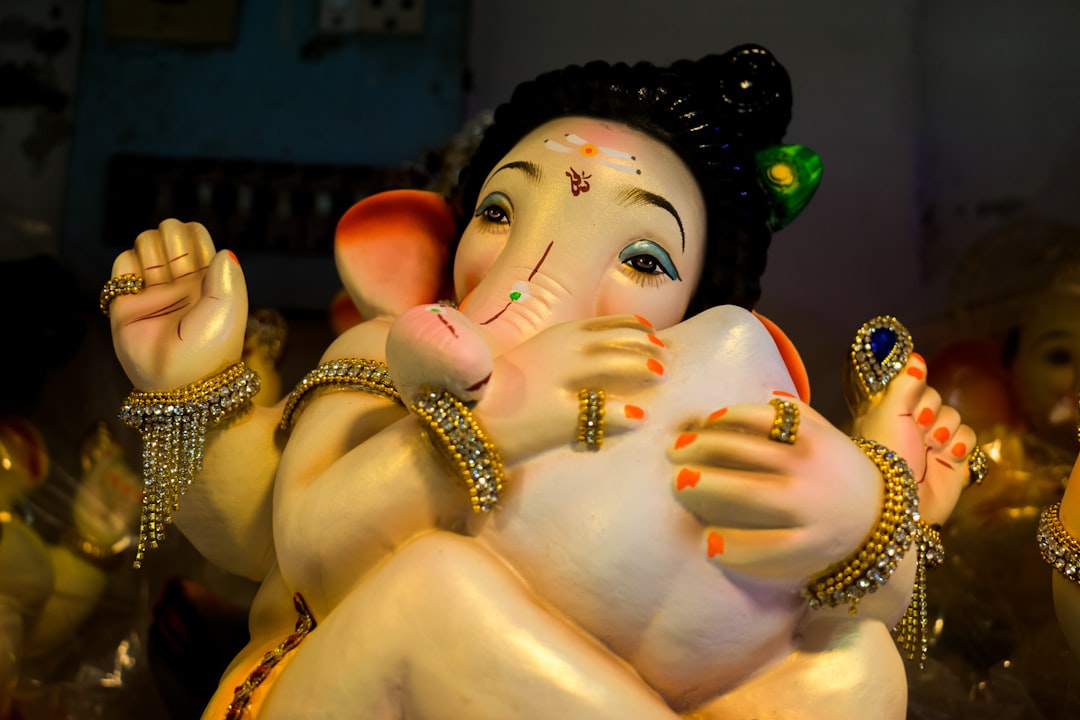
Why Does Ganesha Love Sweets?
Lord Ganesha is frequently associated not only with modak but also with other sweets.
On a symbolic level, sweetness represents happiness, fulfilment and the pleasant result of wisdom and righteous action.
Ganesha's connection with food can also remind devotees about abundance and gratitude.
Before beginning something important, people often worship Ganesha as Vighnaharta, the remover of obstacles. Offering something sweet complements that prayer with an expression of hope:
May the path ahead also become sweet, auspicious and fulfilling.
Living The Gita Movement
The Bhagavad Gita is not merely something to be read or listened to. It is the art of awakening within oneself and experiencing the truth of life. The vision of the Living the Gita Movement is to bring the wisdom of the Gita out of books and transform it into a lived experience.
Join NowModak and the Message of Inner Happiness
Perhaps the most beautiful interpretation of the Lord Ganesha and modak story is that happiness should not be searched for only outside ourselves.
A modak looks modest from the outside.
Its sweetness lies within.
Human life can be understood in much the same way.
We often search externally for happiness through success, recognition, possessions or approval. Yet spiritual traditions repeatedly invite us to discover a deeper source of fulfilment within consciousness itself.
Ganesha, as the deity of wisdom, reminds us to develop discrimination, the ability to distinguish what is temporary from what is truly meaningful.
The modak then becomes a simple but powerful spiritual metaphor:
Go beyond the surface. Discover the sweetness within.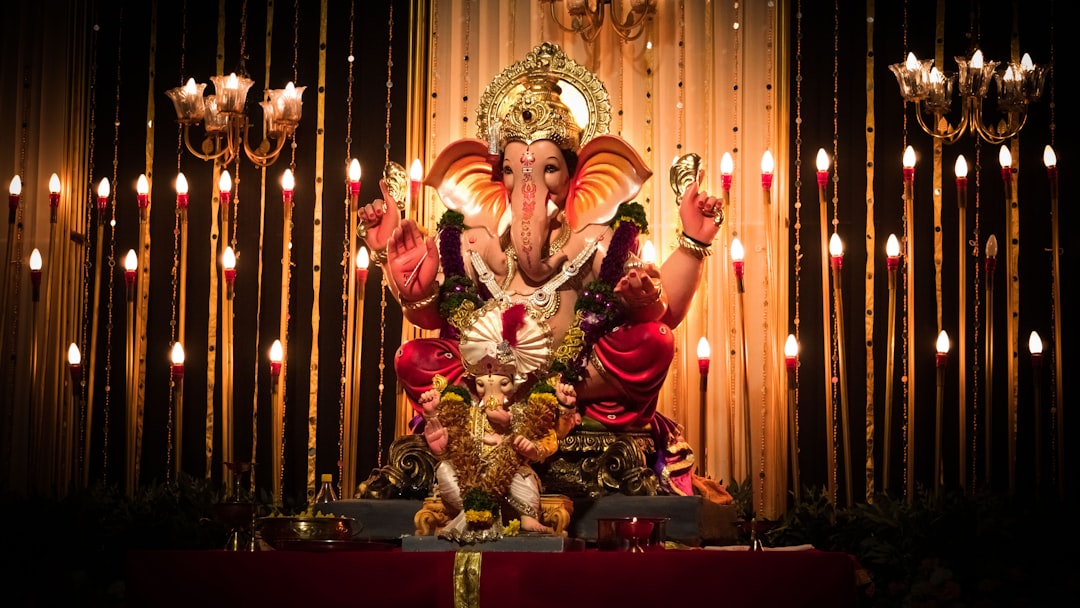
What Can We Learn From Ganesha's Favourite Sweet?
The next time you see a modak placed before Lord Ganesha, consider the lessons hidden within this simple offering.
Seek wisdom before achievement.
Intelligence helps us accomplish things; wisdom helps us understand which things are worth accomplishing.
Look inward for lasting happiness.
External success can bring comfort, but inner balance creates deeper fulfilment.
Offer your actions with devotion.
Even something as ordinary as cooking can become spiritual when performed consciously.
Practice gratitude.
Naivedya reminds us that what we receive in life can first be acknowledged with gratitude.
Share what you receive.
After being offered, modak becomes prasad and is shared with others. Spiritual abundance is not meant to stop with one person.
So, why is modak Ganesha's favourite sweet?
Devotional tradition remembers Lord Ganesha as Modakapriya—the lover of modak. Popular stories describe how the sweet brought him complete satisfaction, while longstanding worship traditions associate modakas directly with Ganapati.
Yet the deeper significance goes beyond mythology.
The sweet filling hidden within the modak can remind us of the joy, wisdom and fulfilment that lie within us. Its offering represents devotion, gratitude and the desire to begin life's journey with Ganesha's wisdom.
That may be why the bond between Ganesha and modak has remained so beloved through generations.
A simple sweet becomes a spiritual teaching:
True sweetness is discovered when wisdom turns our attention inward.
Personal Session
Every person's questions, challenges and inner journey are different. If you are seeking greater clarity about your life, relationships, emotions or spiritual path, a Personal Session can help you explore your concerns with focused guidance suited to your individual journey. Book a Personal Session and take your next step towards clarity, awareness and inner transformation.
Book NowRead Latest Articles