
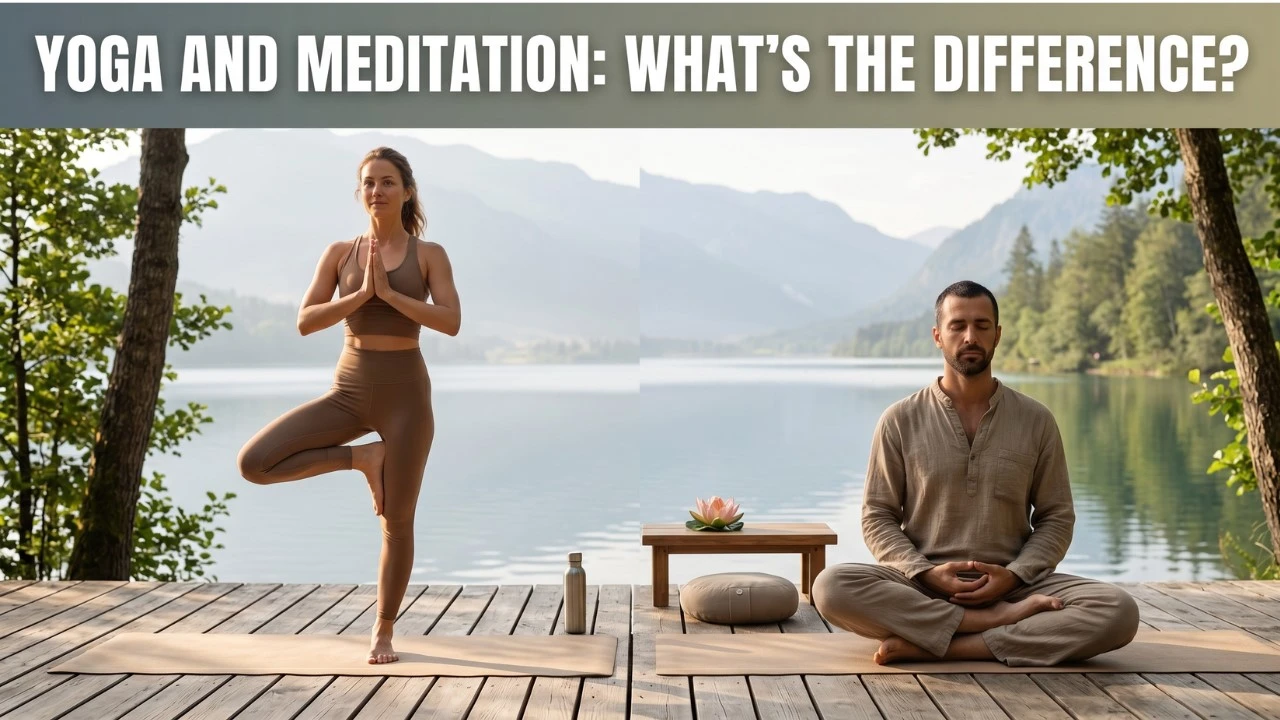
When people begin exploring wellness, spirituality, or personal growth, one question often comes up: what is the difference between yoga and meditation? While these practices are frequently mentioned together, many people assume they are the same thing. In reality, yoga and meditation are closely connected yet distinctly different practices, each offering unique benefits for the mind, body, and spirit.
Understanding the difference between yoga and meditation can help you choose the right practice for your goals, whether you're seeking better physical health, stress relief, emotional balance, or spiritual growth. The good news is that you don't have to choose one over the other. In fact, yoga and meditation often complement each other beautifully.
Let's explore how these ancient practices differ, where they overlap, and how they can transform your life when practiced together.
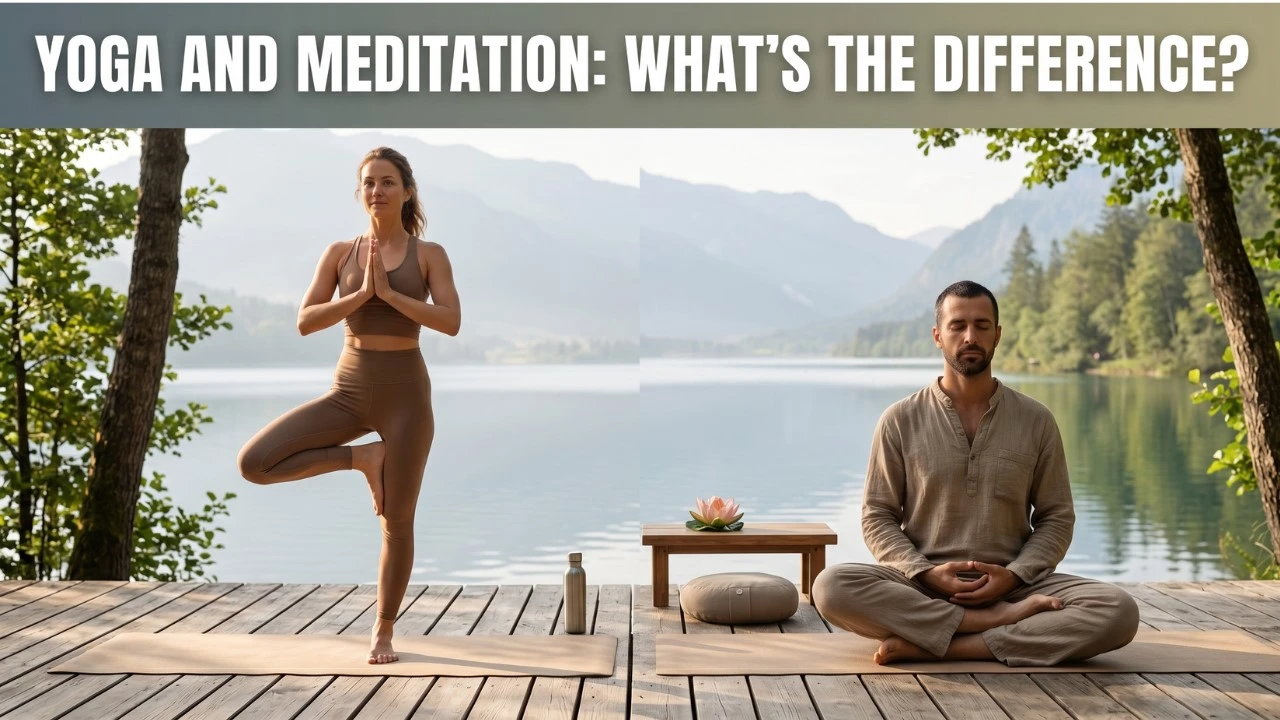
What Is Yoga?
Yoga is a holistic system that originated in ancient India thousands of years ago. While many people associate yoga with physical poses, the practice extends far beyond stretching and flexibility.
Traditional yoga includes physical postures (asanas), breathing techniques (pranayama), ethical principles, concentration practices, and meditation. The ultimate goal of yoga is to create harmony between the body, mind, and consciousness.
Today, millions of people practice yoga for various reasons:
Improving flexibility and strength
Enhancing physical fitness
Reducing stress
Increasing energy levels
Supporting mental health
Promoting overall wellness
A regular yoga practice can improve posture, mobility, balance, and body awareness while helping individuals feel more grounded in daily life.
Design Your Destiny
Ready to create a life filled with balance, clarity, and purpose? Join our Design Your Destiny Program and discover practical tools that combine yoga, meditation, mindfulness, and conscious living principles. Learn how to align your mind, body, and spirit while creating lasting transformation from within.
Start Your Journey Today!What Is Meditation?
Meditation is the practice of training attention and awareness. Unlike yoga, meditation generally involves stillness rather than movement.
During meditation practice, individuals focus their attention on a specific object, breath, mantra, sensation, or simply observe thoughts without judgment. The purpose is not necessarily to stop thinking but to develop greater awareness of the present moment.
There are many forms of meditation, including:
Mindfulness meditation
Breath awareness meditation
Guided meditation
Loving-kindness meditation
Mantra meditation
Spiritual meditation
Many people turn to meditation for beginners programs to reduce stress, improve focus, and cultivate emotional resilience.
The Main Difference Between Yoga and Meditation
The simplest way to understand the difference between yoga and meditation is this:
Yoga primarily works through the body to influence the mind, while meditation primarily works through the mind to influence awareness.
Yoga incorporates physical movement, breathing exercises, and mental focus. Meditation generally involves sitting or remaining still while cultivating awareness and concentration.
Yoga is often considered a preparation for meditation. By releasing physical tension and calming the nervous system, yoga makes it easier to sit comfortably and meditate.
In traditional yogic philosophy, meditation is actually one component of the broader yoga system.
Yoga vs Meditation: A Comparison
Physical Activity
One of the most obvious differences in the yoga vs meditation discussion is movement.
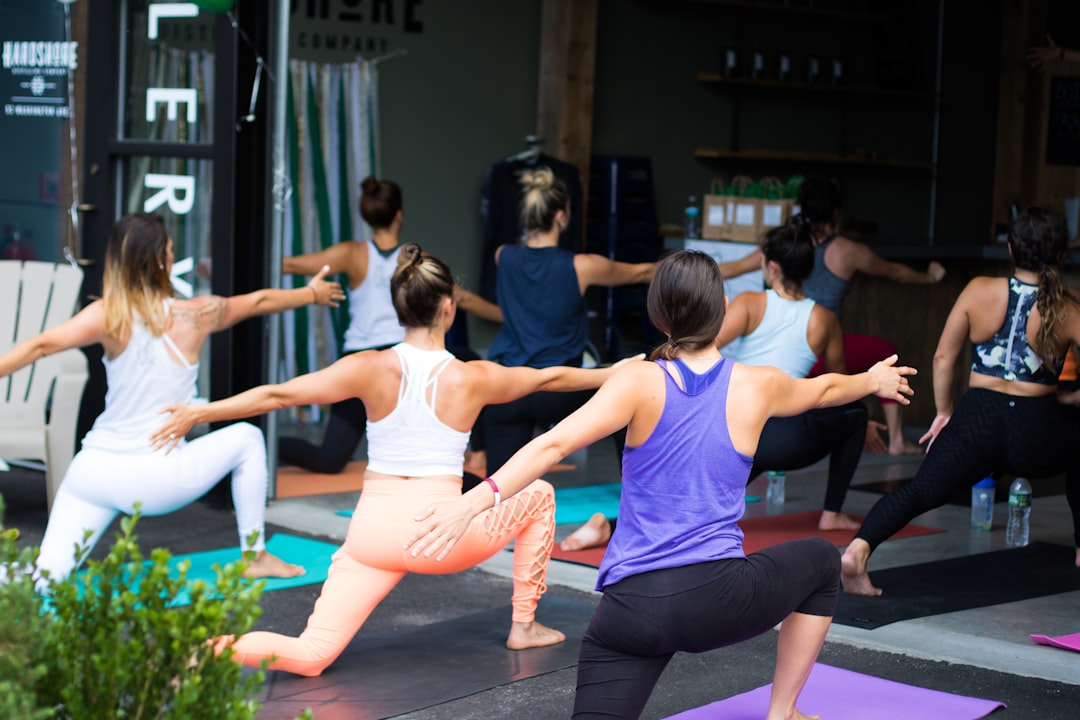
Yoga includes physical postures that engage muscles, joints, and the respiratory system. Meditation typically requires little or no physical movement.
If your goal is physical fitness, flexibility, or mobility, yoga may offer more direct benefits.
Mental Focus
Both practices improve concentration, but they do so differently.
Yoga develops focus through coordinated movement and breath awareness. Meditation trains attention by repeatedly returning awareness to a chosen focus point.
Over time, both enhance mental clarity and mindfulness.
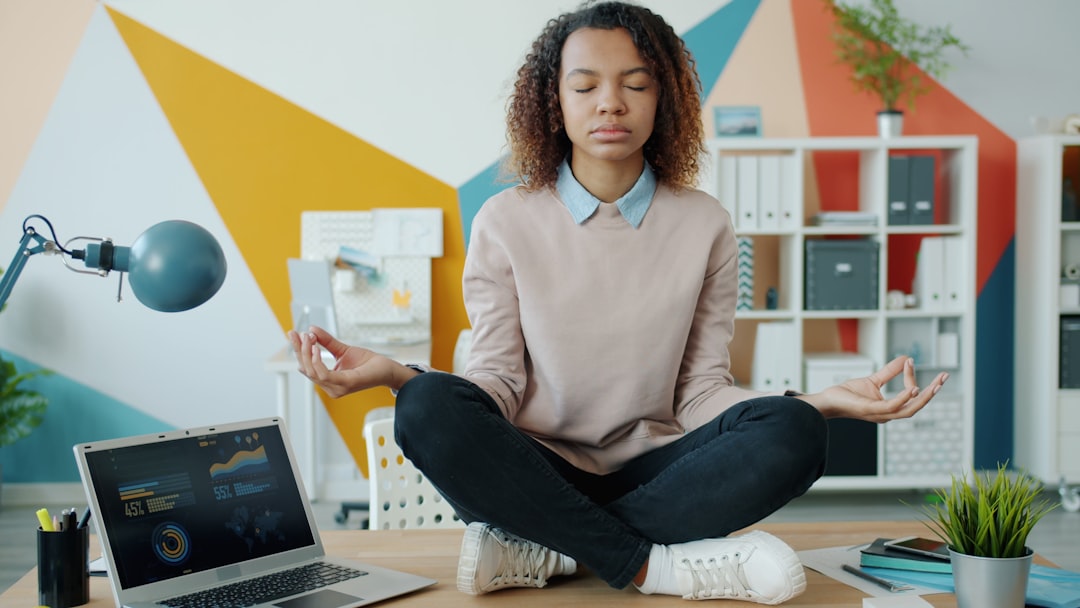
Stress Management
Both yoga and meditation are highly effective for stress relief.
Yoga for stress relief works by releasing physical tension stored in the body and activating the parasympathetic nervous system.
Meditation for stress relief helps individuals observe stressful thoughts without becoming overwhelmed by them.
Spiritual Development
Both practices have deep spiritual roots.
Yoga and spirituality are connected through the pursuit of self-awareness, inner harmony, and personal transformation.
Similarly, meditation and spirituality often involve cultivating deeper awareness, compassion, and connection with one's true nature.
Benefits of Yoga
The benefits of yoga extend far beyond physical fitness.
Improved Flexibility and Strength
Regular practice increases mobility, balance, coordination, and muscular strength.
Better Physical Health
Yoga supports cardiovascular health, joint function, posture, and overall wellness.
Reduced Anxiety
Many people use yoga for anxiety because movement combined with breathwork helps calm the nervous system.
Enhanced Mind-Body Connection
Yoga cultivates awareness of physical sensations, helping practitioners develop a stronger relationship with their bodies.
Increased Energy
Many practitioners report feeling more energized and balanced after a yoga session.
Benefits of Meditation
The benefits of meditation are equally powerful.
Greater Emotional Balance
Meditation helps individuals observe emotions without becoming controlled by them.
Improved Focus
Regular meditation can strengthen attention span and mental clarity.
Reduced Stress and Anxiety
Many people turn to meditation for anxiety because it helps interrupt cycles of worry and overthinking.
Better Sleep
Meditation can quiet mental activity and support deeper relaxation.
Enhanced Self-Awareness
Meditation encourages reflection and helps individuals understand their thoughts, habits, and emotional patterns.
Yoga and Mindfulness: The Missing Link
Many people wonder about the connection between yoga and mindfulness.
Mindfulness simply means paying attention to the present moment without judgment.
Yoga can become a mindfulness practice when performed with awareness of movement, breath, and sensation.
Similarly, mindfulness meditation involves observing thoughts, feelings, and experiences with openness and curiosity.
Both practices help cultivate conscious living and greater self-awareness.
Which Is Better: Yoga or Meditation?
A common question is: which is better yoga or meditation?
The truth is that neither is inherently better. The best choice depends on your goals.
If you're looking for:
Physical fitness and flexibility → Yoga may be ideal.
Mental clarity and emotional balance → Meditation may be ideal.
Comprehensive wellness → Combine both.
For many people, the answer isn't yoga versus meditation. It's yoga and meditation together.
Should I Do Yoga or Meditation First?
Another popular question is: should I do yoga or meditation first?
Traditionally, yoga is practiced before meditation.
Physical movement helps release tension, improve circulation, and calm the mind, making meditation easier and more comfortable.
Many practitioners find that even 15 to 20 minutes of yoga before meditation significantly improves focus and stillness.
However, there are no strict rules. The best approach is the one that fits your schedule and lifestyle.
Can Yoga Replace Meditation?
Many beginners ask, can yoga replace meditation?
While yoga offers many meditative benefits, it does not fully replace meditation.
Yoga develops awareness through movement, while meditation develops awareness through stillness.
Each practice strengthens different aspects of consciousness. Combining both often creates the most balanced approach to wellness and personal growth.
Yoga and Meditation for Beginners
If you're just starting, keep things simple.
Begin with:
10–15 minutes of yoga
5–10 minutes of meditation
Consistent daily practice
A sustainable routine matters more than lengthy sessions.
Over time, your daily yoga practice and daily meditation practice can become powerful tools for managing stress, increasing self-awareness, and improving overall well-being.
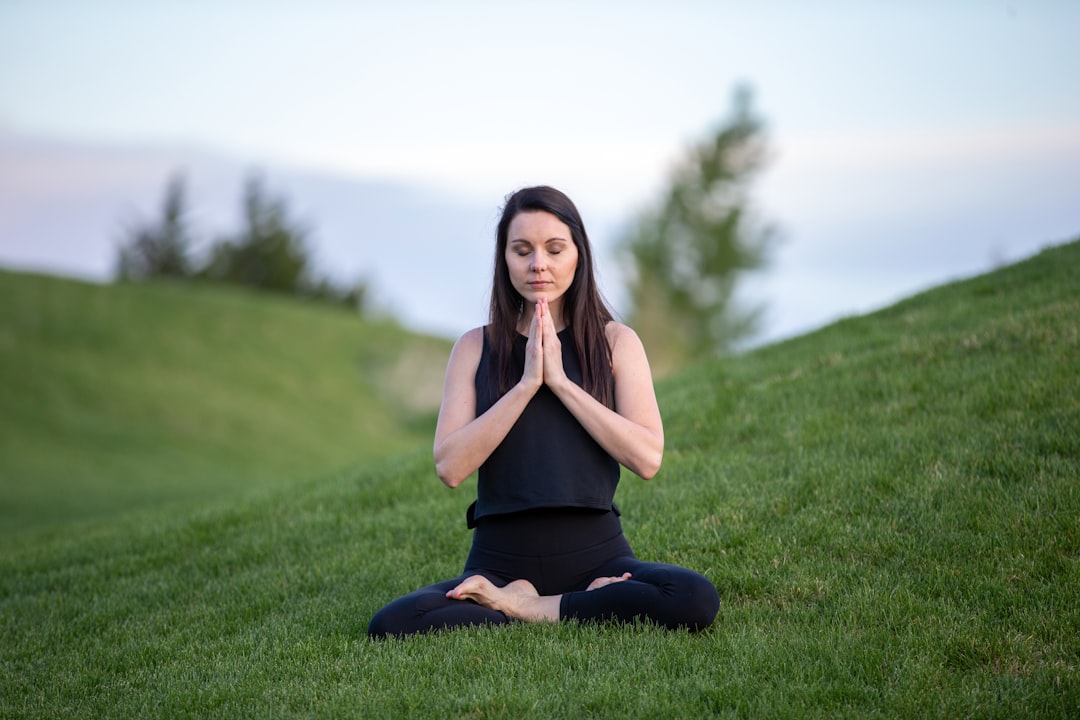
How Yoga and Meditation Work Together
The real magic happens when these practices are combined.
Yoga prepares the body.
Meditation trains the mind.
Together they strengthen the mind body connection, promote emotional resilience, and support holistic wellness.
People who practice both often report:
Greater inner peace
Reduced stress
Improved focus
Better emotional regulation
Enhanced spiritual growth
Stronger self-awareness
This combination creates a powerful foundation for conscious living and long-term well-being.
The difference between yoga and meditation lies primarily in their approach. Yoga uses movement, breath, and physical awareness to create balance, while meditation cultivates stillness, focus, and inner observation.
Rather than choosing between yoga and meditation, consider exploring both. Yoga strengthens the body and prepares the mind. Meditation deepens awareness and emotional resilience. Together, they create a complete path toward physical health, mental clarity, spiritual growth, and lasting inner peace.
Whether you're a complete beginner or continuing your wellness journey, integrating both practices into daily life can transform the way you think, feel, and experience the world around you.
Personal Session
Looking for personalized guidance on your wellness or spiritual journey? Book a One-on-One Personal Session and receive customized support to help you develop the right yoga and meditation practices for your unique goals. Experience deeper self-awareness, inner peace, and personal growth with expert guidance tailored specifically to you.
Book Now