
Lord Shiva represents transformation, stillness, awareness and freedom from attachment in the Hindu spiritual tradition. For centuries, devotees have used Shiva Mantras as a way to direct the mind inward, deepen devotion and remember the presence of Shiva in everyday life.
From the simple yet profound Om Namah Shivaya Mantra to the sacred Mahamrityunjaya Mantra, different prayers and invocations associated with Shiva are traditionally chanted for peace, courage, spiritual awareness and inner steadiness.
If you are looking for powerful Shiva Mantras to chant daily, you do not necessarily need an elaborate ritual. A sincere practice, correct pronunciation as far as possible, consistency and awareness are often considered more important than simply repeating a mantra mechanically.
In this guide, we explore 10 powerful Shiva Mantras, their meanings, traditional benefits and some basic Shiva mantra chanting rules for beginners.
What Is a Shiva Mantra?
A Shiva Mantra is a sacred sound, phrase or invocation associated with Lord Shiva and his various divine aspects.
The word mantra is traditionally understood as a sacred utterance used to focus and elevate the mind. When repeated with awareness, a mantra gives the mind a single point of attention instead of allowing it to continuously move between thoughts, worries and distractions.
Different Lord Shiva Mantras emphasize different qualities of Shiva, such as:
Stillness
Transformation
Fearlessness
Compassion
Awareness
Detachment
Inner strength
Spiritual liberation
For this reason, people searching for the best Shiva Mantra should first understand that there may not be one mantra that is universally “best.” The right practice can depend on your spiritual intention and tradition.
Design Your Destiny
Knowing spiritual wisdom is only the beginning. Real transformation happens when that wisdom starts changing the way you think, respond and live. Join the Design Your Destiny program and learn practical methods to understand your mind, overcome limiting patterns and consciously create a more aware and purposeful life.
Start Your Journey Today!1. Om Namah Shivaya Mantra
Mantra:
Om Namah Shivaya
This is one of the most widely known and loved Shiva mantras.
“Namah Shivaya” may be understood as a reverential salutation to Shiva. On a deeper spiritual level, the mantra is associated with turning awareness toward the divine consciousness represented by Shiva.
Traditional Benefits of Om Namah Shivaya
Regular chanting is traditionally associated with:
Calming mental restlessness
Deepening devotion
Supporting meditation
Developing inner awareness
Creating emotional steadiness
Encouraging detachment from unnecessary mental noise
Because it is short and easy to remember, Om Namah Shivaya is often one of the best Shiva mantras to chant daily for beginners.
2. Mahamrityunjaya Mantra
Mantra:
Om Tryambakam Yajamahe
Sugandhim Pushtivardhanam
Urvarukamiva Bandhanan
Mrityor Mukshiya Maamritat
The Mahamrityunjaya Mantra is one of the most revered mantras connected with Shiva.
“Tryambakam” refers to the three-eyed Lord. The prayer traditionally expresses a desire for liberation from bondage and fear, just as a ripe fruit becomes naturally separated from its stem.
Traditional Benefits
Devotees traditionally chant the Mahamrityunjaya Mantra for:
Courage during difficult circumstances
Freedom from fear
Spiritual strength
Inner stability
Prayer and contemplation
Greater awareness of life's impermanent nature
It should not be treated as a substitute for medical treatment. Its role is primarily spiritual and devotional.
3. Shiva Gayatri Mantra
Mantra:
Om Tatpurushaya Vidmahe
Mahadevaya Dhimahi
Tanno Rudrah Prachodayat
The Shiva Gayatri is a prayer for illumination and higher understanding.
The mantra invokes Mahadeva and asks that Rudra inspire and guide one's awareness.
Traditional Benefits
The Shiva Gayatri Mantra may be used as a spiritual practice for:
Greater concentration
Clarity
Meditation
Spiritual contemplation
Developing awareness
Remembering Shiva before beginning the day
It is particularly suitable for people who want their mantra practice to become a form of meditation rather than only ritual repetition.
4. Om Namo Bhagavate Rudraya
Mantra:
Om Namo Bhagavate Rudraya
Rudra is an ancient and powerful aspect associated with Shiva.
This mantra is an invocation of Rudra and expresses reverence toward that transformative divine power.
Traditional Benefits
Devotees may chant it while seeking:
Inner courage
Strength during change
Freedom from negativity
Emotional resilience
Greater spiritual discipline
The mantra can also serve as a reminder that transformation sometimes requires letting go of old habits and patterns.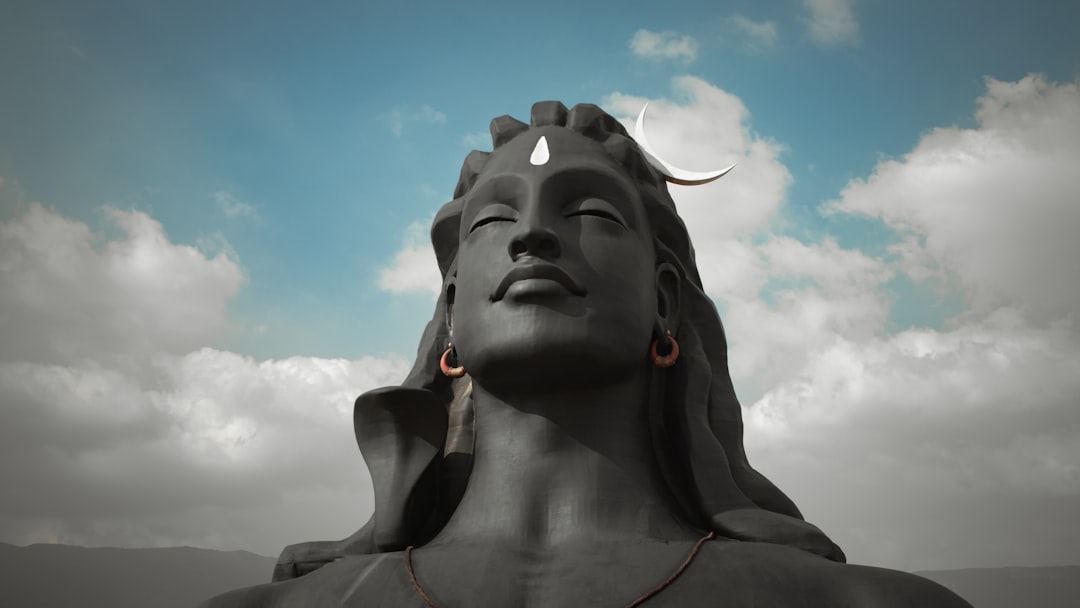
5. Om Mahadevaya Namah
Mantra:
Om Mahadevaya Namah
Mahadeva means “the Great God” and is one of Shiva's well-known names.
The mantra is a simple devotional salutation to Mahadeva.
Traditional Benefits
Chanting may help cultivate:
Devotion
Humility
Gratitude
Mental focus
Inner stillness
Its simplicity makes it another useful Shiva Mantra for daily chanting.
Sawan Shivratri: You Need to Know About Shravan Shivratri
6. Om Shambhave Namah
Mantra:
Om Shambhave Namah
Shambhu is a name associated with Shiva and is often connected with auspiciousness and benevolence.
Traditional Benefits
This mantra may be used as a devotional practice for:
Cultivating peace
Developing a positive mental state
Beginning meditation
Deepening surrender
Remembering Shiva throughout the day
Instead of chanting only when life becomes difficult, devotees can make such short invocations part of their everyday spiritual routine.
7. Om Shankaraya Namah
Mantra:
Om Shankaraya Namah
Shankara is another revered name of Lord Shiva.
The name is traditionally associated with auspiciousness and well-being.
Traditional Benefits
The mantra can be chanted with the intention of developing:
Peacefulness
Positivity
Emotional balance
Devotion
Gratitude
It can be particularly convenient for people who prefer a short mantra that can be mentally repeated during everyday activities.
8. Om Neelkanthaya Namah
Mantra:
Om Neelkanthaya Namah
Neelkantha, meaning “blue-throated one,” refers to a famous form of Shiva connected with the story of the churning of the cosmic ocean.
Spiritually, the image of Neelkantha can also symbolize the ability to face negativity without allowing it to define one's inner consciousness.
Traditional Benefits
Devotees may use this mantra to contemplate:
Patience
Inner strength
Self-control
Emotional maturity
Remaining centered during difficulties
This makes it particularly meaningful as a mantra for personal reflection.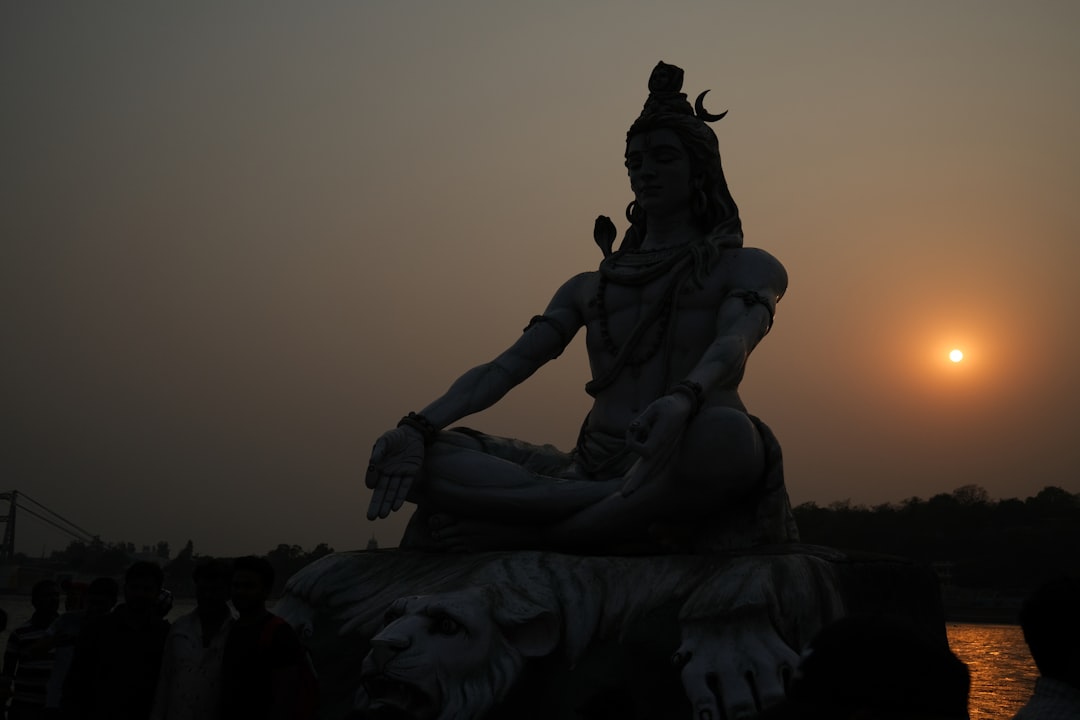
9. Om Pashupataye Namah
Mantra:
Om Pashupataye Namah
Pashupati is another ancient name associated with Shiva.
The mantra is a devotional salutation to Shiva in his form as Pashupati.
Traditional Benefits
The practice may encourage:
Humility
Compassion
Awareness
Connection with life
Reduction of ego-driven thinking
Rather than looking at mantra chanting purely as a way of obtaining external results, this prayer can be approached as a means of transforming one's inner attitude.
10. Om Tryambakaya Namah
Mantra:
Om Tryambakaya Namah
Tryambaka means “the three-eyed one,” referring to Shiva.
The third eye is widely associated symbolically with deeper perception, wisdom and the ability to see beyond superficial appearances.
Traditional Benefits
Chanting this mantra can become a reminder to:
Develop self-awareness
Observe thoughts consciously
Look beyond immediate reactions
Cultivate wisdom
Strengthen meditation
It is particularly meaningful for seekers interested in the connection between Shiva and higher awareness.
Which Is the Best Shiva Mantra to Chant Daily?
For most beginners, Om Namah Shivaya is an excellent starting point.
It is short, memorable and can be repeated silently or aloud without complicated preparation.
People looking for a longer traditional practice may choose the Mahamrityunjaya Mantra, while those interested in meditation and spiritual understanding may feel drawn toward the Shiva Gayatri Mantra.
Rather than continuously changing mantras, choosing one practice and following it consistently can help create greater focus.
Shiva Mantra Meaning and Benefits
The deeper purpose of powerful Shiv Mantra practice is not simply to receive material rewards.
Mantra chanting can become a process of bringing awareness back from external distractions toward the inner state.
Traditional spiritual benefits commonly associated with Shiva mantra practice include:
Developing concentration
Creating a calmer mental atmosphere
Strengthening devotion
Encouraging self-reflection
Supporting meditation
Cultivating detachment
Developing emotional steadiness
Remembering spiritual values throughout daily life
The experience may differ from person to person, so mantras should not be approached as guaranteed formulas for producing specific external outcomes.
Sawan Fasting 2026: Complete Rules, Foods and Puja Vidhi
How to Chant Shiva Mantra
If you are wondering how to chant Shiva Mantra, begin simply.
Choose one mantra and learn its pronunciation carefully.
Sit comfortably with your spine naturally upright. Close your eyes if comfortable and take a few slow breaths before beginning.
Chant the mantra aloud, softly or mentally.
Instead of racing through the repetitions, try to remain aware of each sound.
You can begin with:
11 repetitions
21 repetitions
27 repetitions
54 repetitions
108 repetitions
A mala with 108 beads is traditionally used by many practitioners, but it is not essential for beginning a daily practice.
Consistency matters more than attempting a large number of repetitions for only a few days.
Shiva Mantra Chanting Rules
There are many traditions and lineages within Hindu spiritual practice, so exact rules may differ.
For a simple personal devotional practice, these general principles can help:
1. Keep Your Practice Consistent
Chanting for a few minutes every day is usually more sustainable than an occasional long session.
2. Choose a Peaceful Place
A clean and quiet environment can make concentration easier.
3. Pay Attention to Pronunciation
Especially with longer Sanskrit mantras, learn the words slowly rather than chanting incorrectly at high speed.
4. Chant With Awareness
Do not make the practice completely mechanical. Bring your attention back whenever the mind wanders.
5. Maintain Respect
Treat the mantra as a spiritual practice rather than merely as a technique for obtaining something.
6. Follow Your Tradition
Some Vedic, tantric or initiation-based mantras can have specific rules. If your mantra comes through a guru or established spiritual lineage, follow that tradition's instructions.
Best Time to Chant Shiva Mantra
Many devotees prefer chanting Shiva mantras during the peaceful hours of early morning.
However, for a simple daily devotional practice, maintaining a consistent time is more important than waiting for a supposedly perfect moment.
Common choices include:
Early morning: Useful for beginning the day with stillness.
During meditation: Helps give the mind a clear focus.
Evening: Can become a peaceful transition from daily activity to rest.
Mondays: Monday is traditionally associated with the worship of Lord Shiva.
Maha Shivaratri and Shravan: Shiva mantra chanting becomes especially prominent during these devotional periods.
If mornings are unrealistic for your routine, choose another time that you can follow consistently.
Can You Chant Shiva Mantras Every Day?
Yes, simple devotional mantras such as Om Namah Shivaya are commonly incorporated into daily spiritual practice.
The goal should not be to create anxiety about whether you have completed an exact number of repetitions.
Instead, allow the practice to gradually develop greater awareness, devotion and inner discipline.
Even five or ten focused minutes can be more meaningful than hundreds of distracted repetitions.
The 10 powerful Shiva Mantras in this guide represent different ways of remembering qualities associated with Lord Shiva their stillness, transformation, awareness, courage and detachment.
If you are new to mantra practice, begin with Om Namah Shivaya and build a consistent routine before adding more elaborate practices.
The real value of Shiva Mantras to chant daily is not found merely in the number of repetitions. The deeper practice is to bring the consciousness behind the mantra into everyday life.
Chant with awareness. Observe the mind. Become less reactive. Let spiritual practice influence how you think, speak and act.
That is when mantra moves beyond repetition and becomes a way of living consciously.
Personal Session
Sometimes the challenge is not knowing what to do—it is understanding the inner patterns that keep bringing you back to the same situation. A Personal Session can help you explore your questions with greater clarity and receive guidance suited to your individual spiritual journey. Book your Personal Session and take a conscious step toward clarity, inner freedom and transformation.
Book Now