

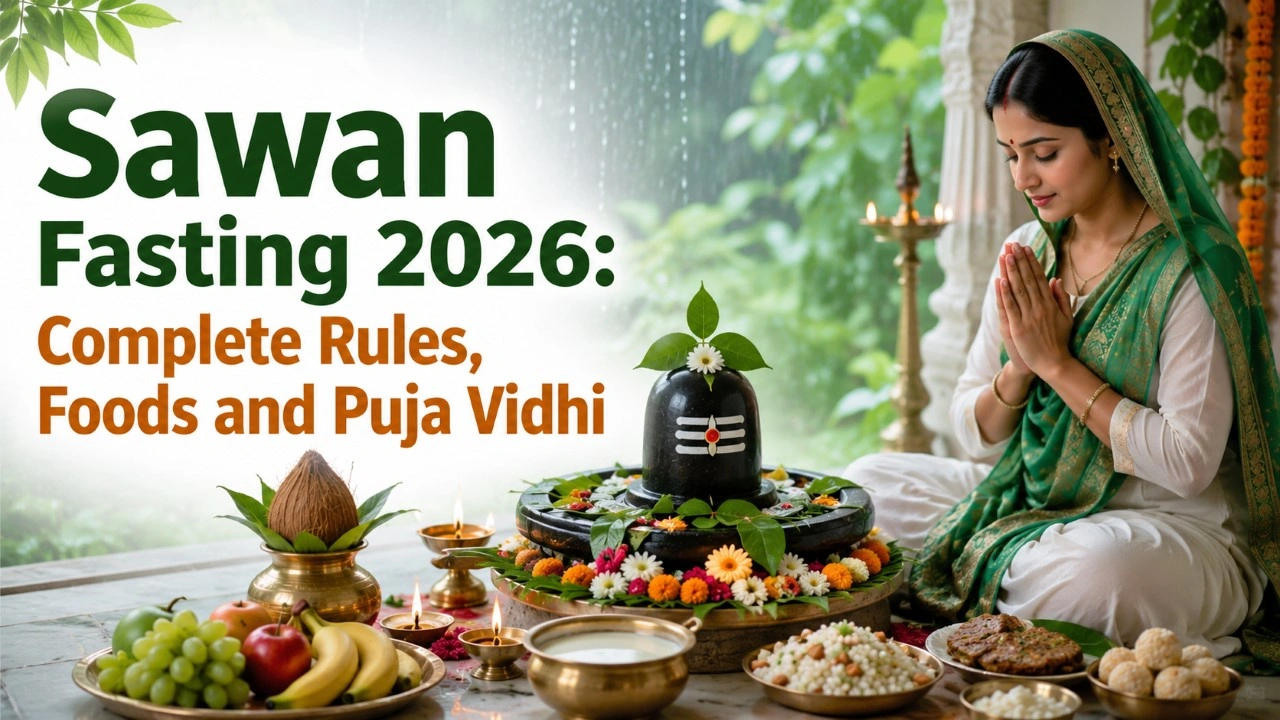
Sawan, also known as Shravan, is one of the most sacred months in the Hindu calendar. The month is especially associated with the worship of Lord Shiva, and devotees use this period for prayer, fasting, mantra chanting, self-discipline and spiritual reflection.
Among the various observances followed during this month, Sawan Somwar fasting holds special importance. Some devotees fast on every Monday of Sawan, while others follow a simple sattvic diet throughout the entire month. The form of the fast may differ according to family traditions, regional customs, health and personal spiritual commitment.
This complete Sawan fasting guide 2026 explains the important dates, fasting rules, permitted foods, foods to avoid and a simple Sawan Somwar puja vidhi that can be performed at home.
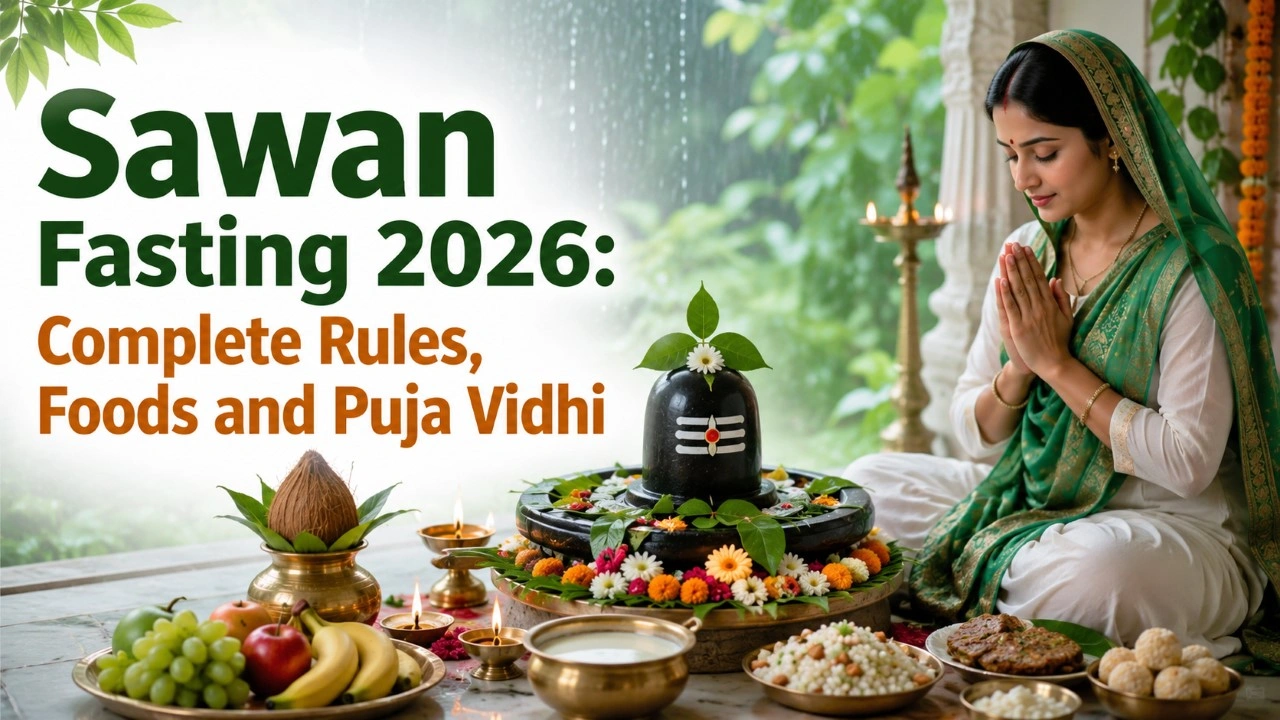
Sawan 2026 Dates and Sawan Somwar Calendar
According to the North Indian Purnimanta calendar, Sawan 2026 begins on Thursday, July 30, 2026, and ends on Friday, August 28, 2026. The four Sawan Somwar fasting dates are:
First Sawan Somwar: August 3, 2026
Second Sawan Somwar: August 10, 2026
Third Sawan Somwar: August 17, 2026
Fourth Sawan Somwar: August 24, 2026
In states that follow the Amanta calendar, including Maharashtra, Gujarat, Goa, Karnataka, Telangana, Andhra Pradesh and Tamil Nadu, Shravan begins on August 13 and ends on September 11, 2026. The Somwar dates there are August 17, August 24, August 31 and September 7. Devotees should therefore check their local Panchang before observing region-specific dates.
Design Your Destiny
Fasting can discipline the body, but lasting transformation begins by understanding the mind. Join the Design Your Destiny program to discover practical spiritual principles that can help you overcome limiting patterns, develop inner clarity and consciously shape the direction of your life.
Start Your Journey Today!What Is Sawan Fasting?
Sawan fasting is a devotional practice undertaken to worship Lord Shiva and cultivate purity, restraint and concentration. The fast is not merely about avoiding food. It is also an opportunity to reduce anger, harsh speech, unnecessary desires and negative habits.
A devotee may observe Sawan fasting in several ways:
Nirjala vrat: No food or water is consumed for a fixed period. This is the strictest form and should only be attempted by people who are physically able to do so.
Phalahar vrat: Fruits, milk, nuts and permitted fasting foods are consumed.
One-meal vrat: The devotee eats one simple sattvic meal after completing the main worship.
Sattvic observance: Grains may not be completely avoided, but onion, garlic, non-vegetarian food, alcohol and excessively rich food are removed from the diet.
There is no single method followed by every family. Devotion, discipline and sincerity are more important than making the fast unnecessarily difficult.
Complete Sawan Fasting Rules
People observing Sawan fasting 2026 can follow these basic rules:
1. Begin the Day with Cleanliness
Wake up early, bathe and wear clean clothes. Clean the puja area before beginning the worship. White, yellow or other light-coloured clothes are traditionally preferred, although wearing a particular colour is not compulsory.
2. Take a Clear Sankalp
Before starting the fast, mentally state your intention. You may take a sankalp to observe the fast for spiritual growth, peace, gratitude or devotion to Lord Shiva.
The sankalp should be realistic. A first-time devotee may choose a fruit-based fast instead of attempting a strict nirjala vrat.
3. Maintain a Sattvic Mindset
Avoid anger, dishonesty, gossip, arguments and harmful speech. Sawan fasting is considered incomplete when dietary restrictions are followed but mental discipline is ignored.
4. Worship Lord Shiva
Offer water, bel leaves, flowers and fruits to Lord Shiva. Chanting Om Namah Shivaya, reading the Shiva Chalisa or listening to the Sawan Somwar Vrat Katha can be included in the worship.
5. Practise Moderation
Fasting should not become an excuse for eating large portions of deep-fried vrat snacks. Choose light, freshly prepared food and remain hydrated unless you are following a medically appropriate traditional fast.
6. Respect Family and Regional Traditions
Rules regarding tea, coffee, vegetables, meal timing and breaking the fast vary. Follow your family tradition or seek guidance from a knowledgeable priest when you are uncertain.
What to Eat During Sawan Fast
The foods consumed during a Sawan fast should ideally be fresh, light and sattvic. Commonly accepted options include:
Fruits
Bananas, apples, papaya, pomegranate, watermelon, oranges, pears and seasonal fruits can provide energy and hydration.
Dairy Products
Milk, curd, paneer, buttermilk and homemade lassi are commonly consumed by devotees who include dairy in their vrat.
Nuts and Seeds
Almonds, walnuts, cashews, raisins, peanuts, coconut, pumpkin seeds and other nuts can help make a light fasting meal more filling.
Vrat-Friendly Ingredients
Depending on family customs, devotees may consume:
Sabudana
Makhana
Kuttu flour
Singhara flour
Rajgira or amaranth flour
Sama or barnyard millet
Potatoes
Sweet potatoes
Arbi
Pumpkin
Bottle gourd
Rock salt or sendha namak
Simple dishes such as sabudana khichdi, fruit chaat, makhana kheer, sama rice pulao, roasted sweet potato, kuttu roti and lightly seasoned potatoes are popular choices.
Avoid turning the fast into a feast. A balanced portion of fruit, dairy, nuts and one simple meal is usually more comfortable than repeatedly consuming fried vrat food.
What to Avoid During Sawan Fast
During a strict Sawan Somwar vrat, devotees generally avoid:
Wheat, rice and ordinary grains
Regular table salt
Lentils and pulses
Onion and garlic
Meat, fish and eggs
Alcohol and tobacco
Packaged food containing non-vrat ingredients
Excessively oily or spicy meals
Many families also avoid onion, garlic, non-vegetarian food and alcohol throughout the entire Sawan month. Some communities traditionally avoid leafy vegetables, brinjal, mushrooms and fermented foods during the monsoon, although these practices differ considerably between regions and households.
Always check the ingredients of packaged namkeen, sauces, spice mixtures and beverages. Products marketed as vegetarian may still contain regular salt, grains or additives that do not match a strict vrat.
Complete Sawan Somwar Puja Vidhi at Home
A sincere and simple puja is sufficient. Expensive arrangements are not necessary.
Step 1: Prepare the Puja Space
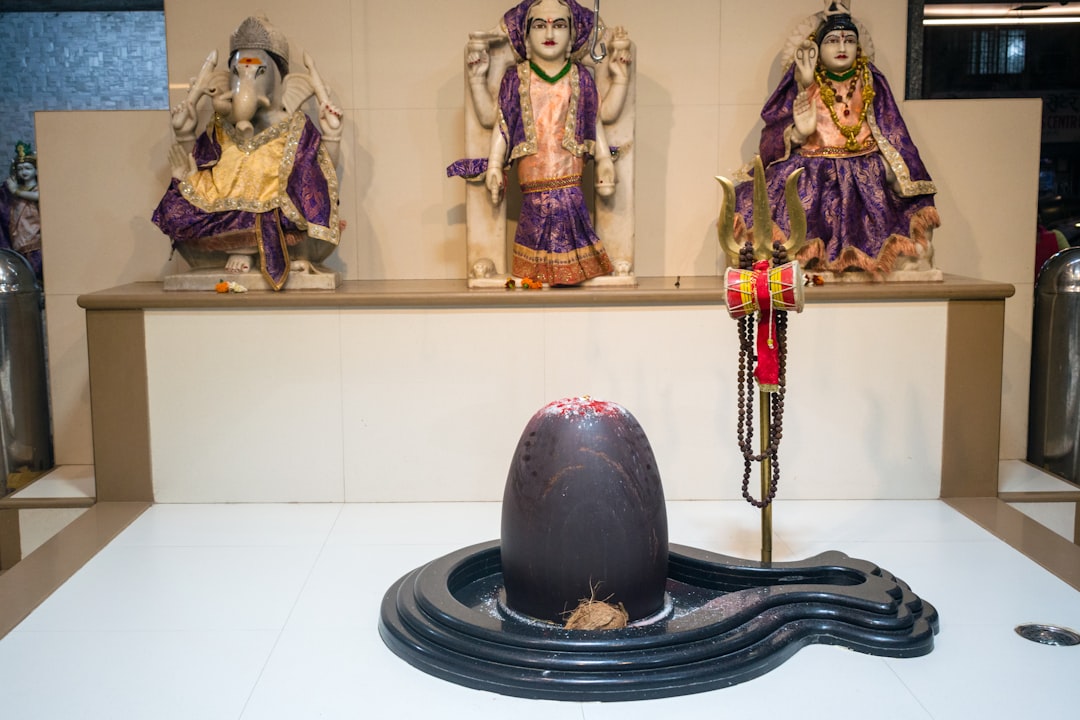
Clean the worship area and place a Shiva Lingam or an image of Lord Shiva on a clean platform. Arrange a diya, incense, water, flowers, fruits, bel leaves and sandalwood paste.
Step 2: Take the Sankalp
Sit calmly, join your hands and state that you are observing the Sawan Somwar vrat with devotion. Mention your name and intention mentally.
Kanwar Yatra Gangajal Significance: Story, Ritual and Belief
Step 3: Invoke Lord Ganesha
Begin by remembering Lord Ganesha and seeking the removal of obstacles from the worship.
Step 4: Perform Abhishek
Offer clean water or Gangajal over the Shiva Lingam. Some devotees also offer milk or perform Panchamrit abhishek using milk, curd, honey, ghee and sugar.
Use only a small quantity and avoid unnecessary waste. After offering milk or Panchamrit, pour clean water over the Shiva Lingam.
Step 5: Offer Puja Items
Apply sandalwood paste and offer bel leaves, white flowers and fruits. Bel leaves should preferably be clean and undamaged. Offer everything respectfully rather than rushing through the ritual.
Water, milk, bel leaves, white flowers and fruits are among the commonly followed Sawan Somwar offerings.
Step 6: Chant Shiva Mantras
Chant any Shiva mantra with attention. Common choices include:
Om Namah Shivaya
Om Tryambakam Yajamahe Sugandhim Pushtivardhanam
Urvarukamiva Bandhanan Mrityor Mukshiya Maamritat
Beginners may chant Om Namah Shivaya 11, 21 or 108 times. The number is less important than concentration and sincerity.
Step 7: Read the Vrat Katha
Read or listen to the Sawan Somwar Vrat Katha. You may also recite the Shiva Chalisa, Rudrashtakam or a Shiva stotra according to your tradition.
Step 8: Perform Aarti
Light a diya and perform Lord Shiva’s aarti. Pray for wisdom, peace, compassion and spiritual strength.
Step 9: Offer Prasad and Charity
Offer fruit or another vrat-friendly preparation as prasad. Helping a person in need, feeding animals or donating food can also be included in the observance.
How First-Time Devotees Should Keep Sawan Somwar Fast
Those observing the vrat for the first time should begin with a manageable routine.
Eat a light dinner the previous night and avoid excessively salty or fried food. Decide in advance whether you will follow a fruit fast, liquid fast or one-meal vrat. Keep fruits, water and permitted ingredients ready so that you do not depend on packaged food.
Continue your normal responsibilities calmly. Fasting does not require remaining hungry despite dizziness, weakness or illness. The purpose is spiritual discipline, not physical punishment.
People with diabetes should plan religious fasting with a healthcare professional because fasting may increase the risk of low blood sugar, high blood sugar and dehydration, particularly when medicines or insulin are involved.
How and When to Break the Sawan Fast
Many devotees complete their main worship in the evening and then break the fast with prasad and a simple sattvic meal. Others continue until the next morning according to their family tradition.
Begin with water, fruit or a light drink. Avoid immediately consuming a heavy, spicy or deep-fried meal. A simple preparation of potatoes, sama rice, curd, fruit or kuttu roti may be easier after fasting.
Happy Sawan Wishes for Family, Friends and Loved Ones
Common Sawan Fasting Mistakes to Avoid
One common mistake is observing a very strict fast without understanding one’s health or capacity. Another is consuming large quantities of fried vrat food while assuming that every food labelled “fasting-friendly” is automatically healthy.
Devotees should also avoid becoming judgmental about how others observe the vrat. Some people may keep a nirjala fast, while others may eat fruits or one sattvic meal. Regional and family customs naturally differ.
Other mistakes include:
Forgetting to check packaged-food ingredients
Using regular salt during a strict vrat
Wasting milk during abhishek
Focusing only on food restrictions
Ignoring prayer and self-discipline
Breaking the fast with an excessively heavy meal
Following dates from another regional calendar without verification
Spiritual Meaning of Sawan Fasting
The deeper purpose of Sawan fasting is to create space between desire and action. By voluntarily simplifying food and routine, devotees practise restraint and turn their attention toward prayer and self-awareness.
Lord Shiva represents stillness, transformation and freedom from excessive attachment. Therefore, a meaningful Sawan vrat should inspire not only external worship but also patience, compassion, truthfulness and control over negative reactions.
The fast becomes more powerful when its discipline continues beyond the puja room and influences how a devotee speaks, works and treats other people.
Personal Session
Every seeker experiences different challenges, questions and emotional patterns. Book a personal session for focused spiritual guidance suited to your present situation. Gain clarity, understand the deeper cause of your obstacles and take practical steps toward a more peaceful, balanced and conscious life.
Book Now