

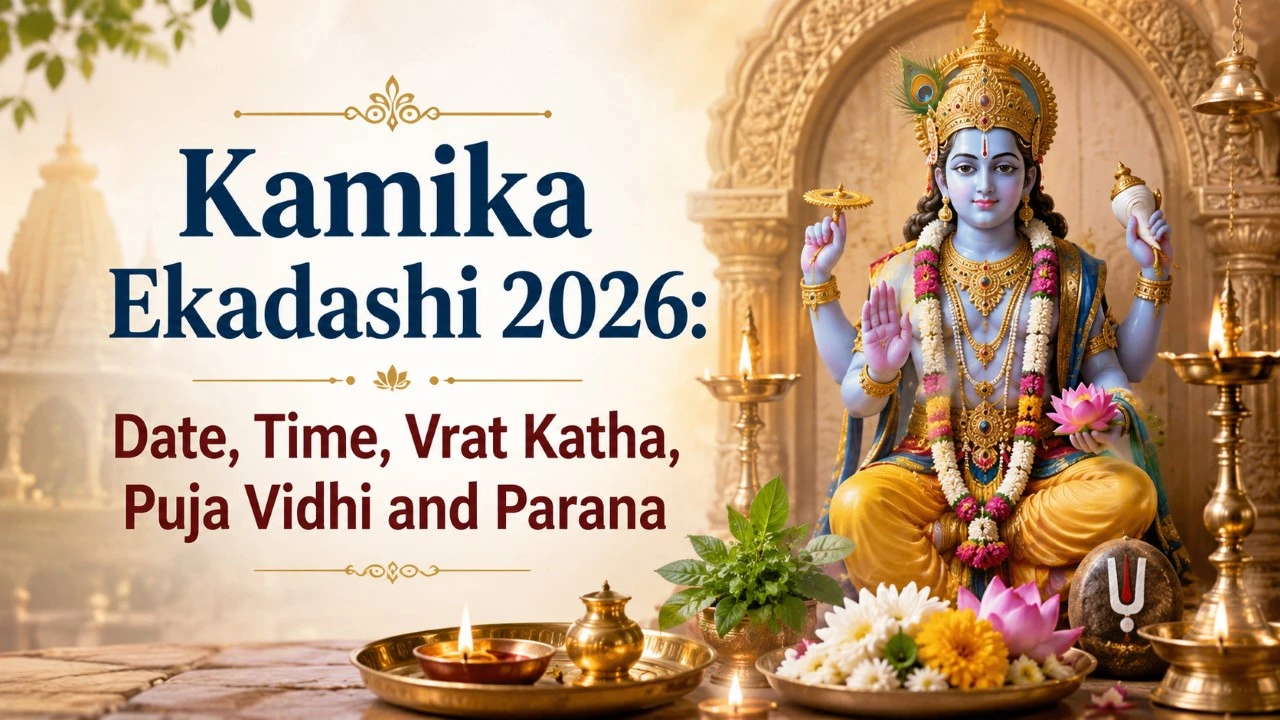
Kamika Ekadashi is a sacred fasting day dedicated to Lord Vishnu. It is observed during Krishna Paksha, the waning phase of the Moon, in the month of Shravan according to the Purnimanta Hindu calendar. For devotees, the day offers an opportunity to combine fasting with prayer, self-discipline, repentance, charity and spiritual reflection.
In 2026, Kamika Ekadashi will be observed on Sunday, 9 August. The Ekadashi Tithi begins on Saturday, 8 August, and continues until the morning of 9 August. Devotees observing the vrat should complete Parana the formal breaking of the fast on Monday, 10 August.
This detailed guide explains the Kamika Ekadashi 2026 date and time, complete Kamika Ekadashi Vrat Katha, Puja Vidhi, fasting practices, spiritual significance and Parana rules.
What Is Kamika Ekadashi?
Ekadashi is the eleventh lunar day of each fortnight in the Hindu calendar. Two Ekadashis generally occur every lunar month one during Shukla Paksha and another during Krishna Paksha.
Kamika Ekadashi is the Krishna Paksha Ekadashi associated with Shravan in the Purnimanta tradition. In some regional calendars based on the Amanta system, the month name may differ, although the religious observance remains the same.
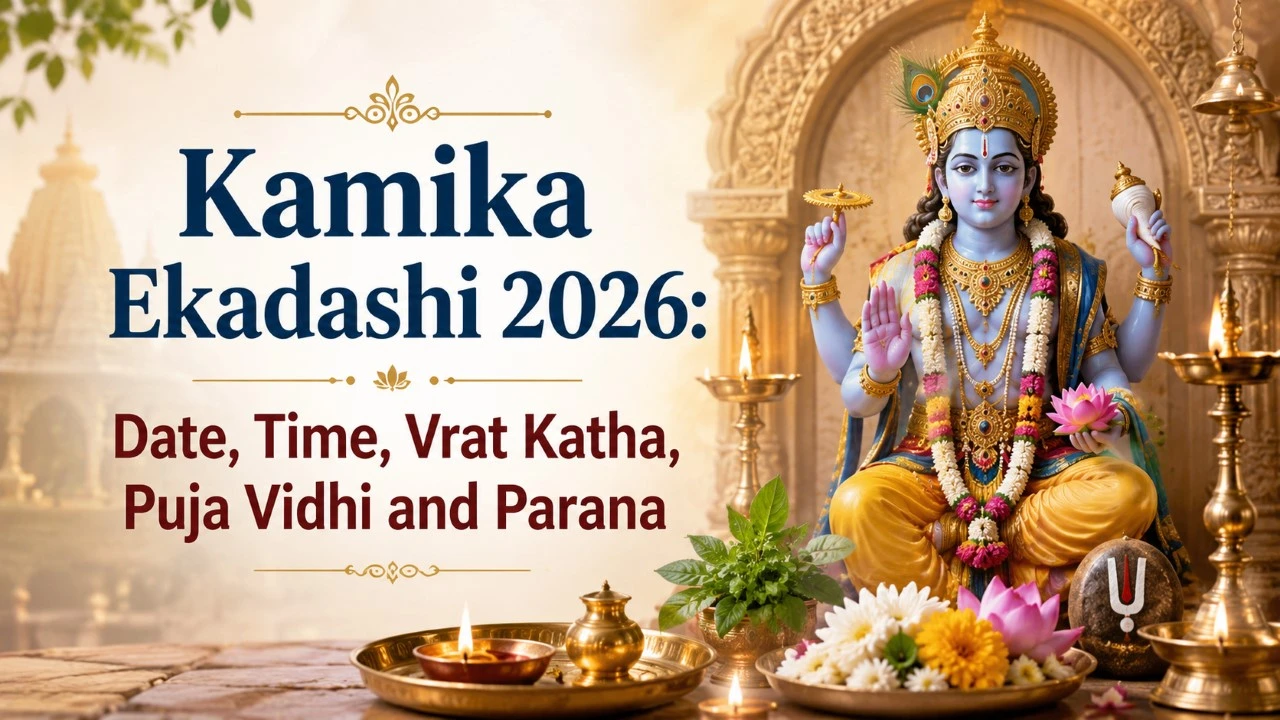
Kamika Ekadashi is centred on the worship of Lord Vishnu. Devotees traditionally offer Tulsi leaves, flowers, fruits, incense and a lamp, chant Vishnu mantras and read or listen to the Kamika Ekadashi Vrat Katha.
The deeper purpose of the observance is not merely to avoid food. Fasting is combined with control over one’s thoughts, speech and actions. Devotees use the day to reduce distractions, remember Lord Vishnu and consciously move away from negative habits.
Design Your Destiny
Observing a sacred day can inspire change, but lasting transformation begins when spiritual understanding becomes part of everyday life. Join Design Your Destiny to explore practical tools for self-awareness, emotional balance, conscious decision-making and purposeful living. Move beyond temporary motivation and begin creating a life guided by clarity, discipline and inner wisdom.
Start Your Journey Today!Kamika Ekadashi 2026 Date and Time
Kamika Ekadashi 2026 falls on Sunday, 9 August 2026.
For New Delhi, the relevant Panchang timings are:
Ekadashi Tithi begins: 1:59 PM on Saturday, 8 August 2026
Ekadashi Tithi ends: 11:04 AM on Sunday, 9 August 2026
Kamika Ekadashi vrat date: Sunday, 9 August 2026
Parana date: Monday, 10 August 2026
Kamika Ekadashi Parana time: Approximately 5:46 AM to 8:00 AM
Published sources differ by about a minute on the beginning of the Parana window, listing either 5:46 AM or 5:47 AM. Devotees should follow their trusted local Panchang or temple calendar.
These timings are location-specific because sunrise and Panchang calculations vary between cities. Readers outside Delhi should verify the Kamika Ekadashi 2026 Parana time for their location.
Why Is Kamika Ekadashi Observed on 9 August?
A Hindu Tithi does not follow the midnight-to-midnight civil calendar. It can begin or end at any time during the day. The fasting date is selected according to traditional Ekadashi observance rules and the Tithi prevailing around sunrise, rather than simply the moment at which the Tithi begins.
Although the Ekadashi Tithi starts during the afternoon of 8 August 2026, the prescribed fasting date for New Delhi is Sunday, 9 August. The vrat is concluded through Parana after sunrise on Dwadashi, Monday, 10 August.
Ekadashi fasting generally begins from local sunrise and is completed by performing Parana during the appropriate period on the following day.
Kamika Ekadashi Vrat Katha in English
The traditional Kamika Ekadashi Vrat Katha is presented as a sacred dialogue.
Arjuna asks Lord Krishna to explain the Ekadashi that falls during Krishna Paksha in the month of Shravan. He wishes to know its name, the method of observing it, the deity who should be worshipped and the spiritual results associated with the vrat.
Lord Krishna replies that the sacred teaching was narrated earlier for the welfare of humanity. In this account, Devarshi Narada asks Bhishma Pitamaha about the Ekadashi observed during Krishna Paksha of Shravan.
Bhishma explains that this sacred observance is known as Kamika Ekadashi. He instructs devotees to worship Lord Vishnu, who is traditionally represented holding the conch, discus and mace.
The Katha places special emphasis on sincere Vishnu worship with:
Dhoop or incense
Deep or a sacred lamp
Naivedya or food offerings
Flowers
Tulsi leaves
Fasting
Prayer and remembrance of Lord Vishnu
According to the traditional Katha, worshipping Lord Vishnu with devotion on Kamika Ekadashi produces great spiritual merit. The narrative uses comparisons with sacred pilgrimages, charitable offerings and Vedic rituals to communicate the importance given to the observance within Hindu devotional tradition. These promised spiritual benefits are matters of religious faith.
Importance of Tulsi in the Vrat Katha
Tulsi occupies a central place in the complete Kamika Ekadashi Vrat Katha.
The narrative describes Tulsi as especially dear to Lord Vishnu. It teaches that offering Tulsi leaves with sincere devotion is more pleasing to the deity than expensive ornaments or material gifts.
The Katha also praises those who:
Worship Lord Vishnu with Tulsi leaves
Offer water to the Tulsi plant
Light a lamp before Lord Vishnu
Remain awake in prayer during the night
Listen to or read the glory of Kamika Ekadashi
The spiritual message is clear: devotion is not measured by the monetary value of an offering. A simple Tulsi leaf offered with faith and humility is considered spiritually meaningful.
The broader teaching of the Katha concerns remembrance, repentance and disciplined action. Devotees are encouraged to move away from harmful behaviour, cultivate purity of thought and choose a more Dharmic way of life.
The story should not be interpreted as permission to repeat wrongdoing. Instead, it presents spiritual transformation as the result of sincere repentance, devotion and a genuine change in conduct.
Spiritual Significance of Kamika Ekadashi
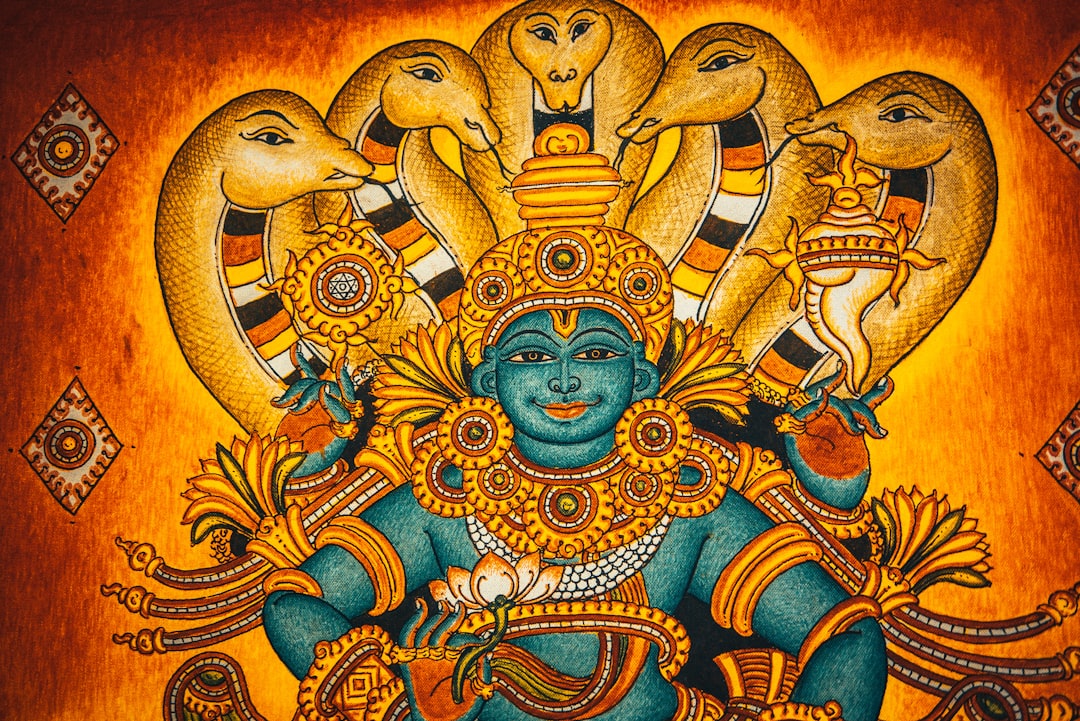
Kamika Ekadashi is traditionally regarded as a powerful occasion for worshipping Lord Vishnu and seeking inner purification.
The religious tradition associated with the vrat praises the spiritual merit of:
Fasting with devotion
Offering Tulsi leaves
Lighting a sacred lamp
Chanting the names of Lord Vishnu
Listening to the Vrat Katha
Practising charity
Remaining awake in prayer
Controlling negative thoughts and actions
Traditional texts connect the observance with forgiveness, spiritual merit and progress towards liberation. These benefits belong to the devotional beliefs associated with Kamika Ekadashi.
At a practical level, the vrat creates a structured pause from ordinary routine. Simplifying meals, limiting distractions and dedicating time to prayer may help devotees examine their habits and intentions.
Charity performed on Kamika Ekadashi extends spiritual practice beyond personal ritual. It turns devotion into compassionate action and reminds the devotee that spiritual growth should also be reflected in the way other people are treated.
Kamika Ekadashi Puja Samagri
Keep the following items ready before beginning the Puja:
An idol or image of Lord Vishnu or Shri Krishna
A clean yellow or red cloth
Tulsi leaves
Yellow flowers
Seasonal fruits
Panchamrit, where followed by family tradition
Sandalwood paste or chandan
Incense or dhoop
A ghee or sesame-oil lamp
Water in a clean vessel
Satvik Naivedya suitable for Ekadashi
A copy of the Kamika Ekadashi Vrat Katha
Items for charity, such as food or clothing
Use clean and fresh offerings. Follow your household, temple or sampradaya tradition when it differs from a general Puja list.
Kamika Ekadashi 2026 Puja Vidhi Step by Step
1. Prepare on Dashami
On the evening before Kamika Ekadashi, eat a simple Satvik meal. Many devotees avoid grains from the previous evening according to their family tradition.
Keep the mind calm, avoid unnecessary arguments and arrange the Puja Samagri in advance.
2. Wake Up Early
Wake up before or around sunrise, complete personal hygiene and take a bath. Clean the Puja area and wear fresh, comfortable clothes.
3. Take the Sankalp
Sit before Lord Vishnu and take a Sankalp to observe Kamika Ekadashi with devotion.
Resolve to practise self-control, prayer, kindness and purity of speech. Select a fasting method suitable for your health and family tradition.
Nag Panchami 2026: Date, Puja, Muhurat and Significance
4. Worship Lord Vishnu
Place the idol or image of Lord Vishnu on a clean cloth.
Offer:
Water
Chandan
Flowers
Dhoop
A lit lamp
Fruits
Naivedya
Tulsi leaves
Tulsi is given special importance in the Kamika Ekadashi Katha and is traditionally offered at the feet of Lord Vishnu.
Many families collect Tulsi leaves beforehand according to their customary rules rather than plucking them during the Ekadashi observance.
5. Offer Naivedya
Offer fruits or a grain-free Satvik preparation accepted within your tradition.
Food offered to the deity should be clean, fresh and prepared with devotional attention.
6. Chant Vishnu Mantras
Devotees may chant:
Om Namo Bhagavate Vasudevaya
or
Om Namo Narayanaya
Vishnu Sahasranama, devotional bhajans and other prayers dedicated to Lord Vishnu may also be recited.
7. Read the Vrat Katha
Read or listen to the Kamika Ekadashi Vrat Katha in English, Hindi or your preferred language.
Reflect on its teachings about sincere devotion, Tulsi worship, repentance, responsibility and spiritual discipline.
8. Perform Aarti and Charity
Conclude the principal Puja by performing Lord Vishnu Aarti.
Offer food, clothing or financial assistance to someone in need according to your means. Charity should be offered respectfully and without unnecessary display.
9. Maintain Devotional Discipline
Spend the day in:
Mantra chanting
Prayer
Scripture reading
Meditation
Bhajan
Seva
Quiet reflection
Avoid anger, gossip, harsh speech, dishonesty and harmful conduct. Those who are able may spend additional time in prayer or keep a night vigil.
Kamika Ekadashi Vrat Rules
The strictness of the Kamika Ekadashi vrat varies according to health, age, family tradition and personal capacity.
Traditional fasting approaches include:
Nirjala: Without food or water
Jalahar: Consuming only water
Ksheerbhoji: Consuming milk or permitted milk-based foods
Phalahari: Consuming fruits and permitted fasting foods
Naktabhoji: Eating one grain-free meal
Traditional Ekadashi guidance allows devotees to choose an appropriate form of fasting according to their strength and Sankalp.
Foods Commonly Avoided
Rice
Wheat
Pulses
Beans
Regular flour
Meat
Eggs
Alcohol
Tobacco
Onion
Garlic
Highly processed or Tamasic food
Foods Commonly Consumed
Depending on regional and family traditions, devotees may consume:
Fresh fruits
Milk
Curd
Nuts
Potatoes
Sweet potatoes
Sabudana
Singhara flour
Samak rice
Rock salt
Coconut water
A sincere and health-appropriate observance is preferable to a severe fast that causes physical harm.
Pregnant people, elderly devotees, individuals with diabetes, those taking medication and people managing medical conditions should not undertake a strict fast without appropriate medical guidance. They may participate through prayer, Satvik eating, charity and self-discipline.
Sawan Fasting 2026: Complete Rules, Foods and Puja Vidhi
Kamika Ekadashi Parana Vidhi
Parana means formally breaking the Ekadashi fast at the prescribed time during Dwadashi.
It is considered an essential completion of the vrat rather than an ordinary meal. Ekadashi fasting is not always broken immediately at sunrise; devotees are advised to follow the appropriate local Parana period.
For New Delhi, Kamika Ekadashi 2026 Parana should be performed on Monday, 10 August, approximately between 5:46 AM and 8:00 AM.
How to Perform Parana
Wake up early and take a bath.
Offer morning prayers to Lord Vishnu.
Light a lamp and offer water, fruits or Satvik food.
Express gratitude for completing the vrat.
Perform charity where possible.
Break the fast within the prescribed local Parana period.
Begin with water, Tulsi water, fruit or a light Satvik preparation.
Avoid immediately eating a heavy or highly spicy meal after a long fast.
Devotees following a particular Vaishnava, temple or family tradition should use the Parana method and timings prescribed by that tradition.
Kamika Ekadashi Dos and Don’ts
Things to Do
Take a clear Sankalp.
Worship Lord Vishnu.
Offer Tulsi leaves.
Chant Vishnu mantras.
Read or listen to the Vrat Katha.
Perform charity.
Practise kindness and self-control.
Check the local Parana time.
Break the fast during the prescribed window.
Things to Avoid
Grains and prohibited foods
Anger and arguments
Harsh or insulting speech
Dishonesty
Gossip and criticism
Alcohol and tobacco
Excessive entertainment
Hurting another person through words or actions
Forcing an unwell person to observe a strict fast
Missing the prescribed Parana period
The vrat should not be treated as only a dietary restriction. Its spiritual purpose includes control over the mind, speech and behaviour.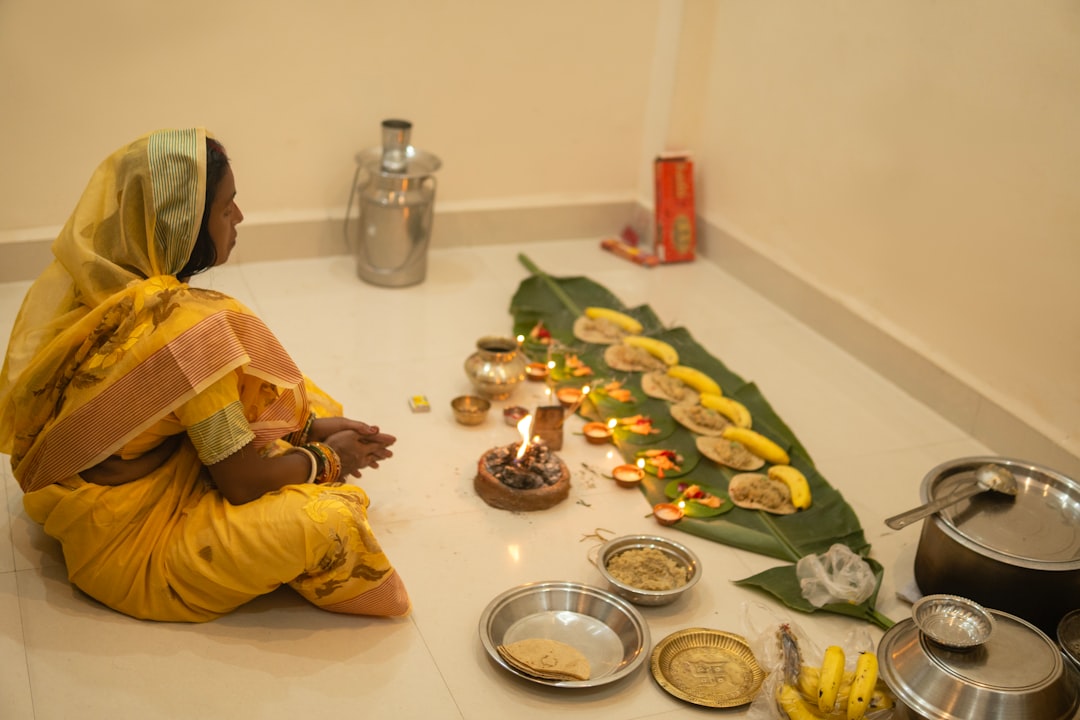
Benefits of Observing Kamika Ekadashi
According to Hindu devotional tradition, the benefits associated with Kamika Ekadashi include:
Blessings of Lord Vishnu
Purification from past negative actions
Greater self-control
Peace of mind
Spiritual merit
Growth in devotion
Freedom from harmful tendencies
Progress towards Moksha
Greater awareness of one’s actions
Development of compassion through charity
These are traditional religious beliefs rather than scientifically measurable guarantees. The practical value of the observance comes from combining fasting with reflection, prayer, disciplined conduct and compassionate action.
Kamika Ekadashi 2026 will be observed on Sunday, 9 August, with Parana on Monday, 10 August.
The sacred observance brings together Lord Vishnu worship, Tulsi offerings, fasting, mantra chanting, the Kamika Ekadashi Vrat Katha and acts of charity.
The spiritual value of the vrat lies in the quality of the devotee’s intention. When fasting is joined with kindness, responsibility and inner awareness, Kamika Ekadashi becomes more than a ritual. It becomes a disciplined practice of spiritual renewal.
Check the exact timings for your location, select a safe fasting method and complete the observance through Parana during the prescribed period.
Personal Session
Every spiritual journey is different. A personal session can help you understand the patterns, emotional challenges and inner questions that may be preventing you from moving forward. Book a personal session for focused guidance tailored to your present situation, spiritual goals and personal growth journey.
Book Now